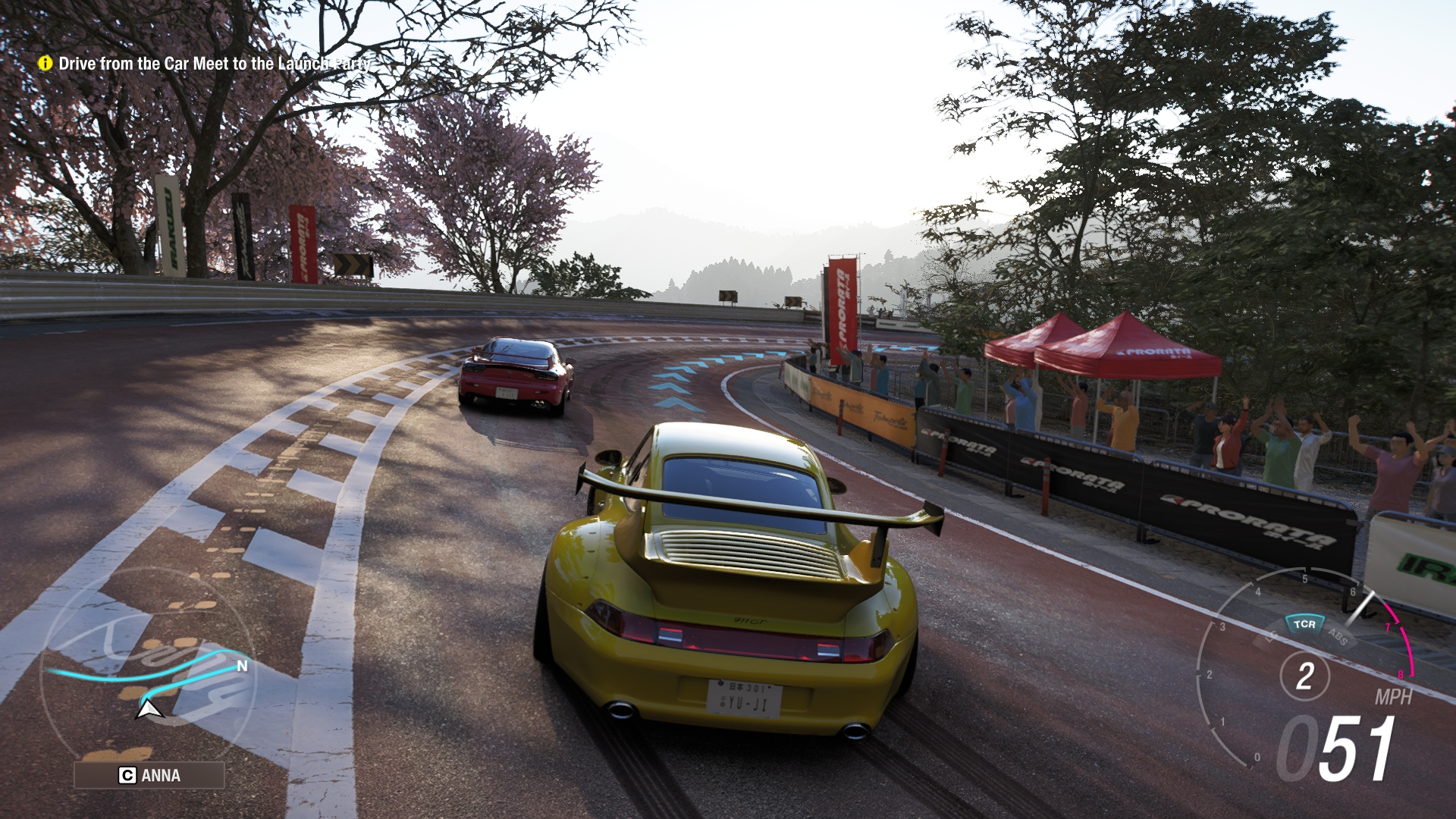
Forza Horizon 6 arrives with an unusual amount of pressure attached to it, even by the standards of one of the biggest racing franchises in the industry. Playground Games has spent more than a decade refining a formula that already felt remarkably polished as early as Forza Horizon 3, and with every sequel the same question has returned: how much longer can Horizon continue evolving without fundamentally changing what it is? That question became even louder after Forza Horizon 5, a game that was technically excellent but occasionally felt too comfortable with itself, as though the series had become so good at delivering its own structure that it no longer needed to surprise players in meaningful ways.
Forza Horizon 6 does not completely reinvent the series, and anyone expecting a radical departure from the Horizon identity is likely approaching the game with unrealistic expectations. What Playground has done instead is considerably smarter. Rather than forcing dramatic structural changes onto a formula that still works better than almost every competitor in the arcade racing space, the studio focused on refining the areas that mattered most while finally embracing the setting fans had wanted for years. Japan has been the most requested Horizon location since the franchise began, and after spending dozens of hours driving through Horizon 6’s interpretation of the country, it becomes obvious why Playground waited this long before attempting it.
The setting changes nearly everything about how the game feels. Horizon 5 emphasized openness, speed, and enormous stretches of terrain that encouraged players to blast across deserts or fields in heavily modified off-road monsters. Horizon 6 immediately feels tighter, denser, and far more technical. Roads twist constantly through mountain regions, urban districts are packed with narrow intersections and layered highways, and drifting suddenly becomes a central part of the driving experience rather than a side activity supported by a handful of dedicated events. The overall tone of the game changes alongside the geography. Horizon 6 feels less like a giant music festival spread across open terrain and more like a celebration of Japanese car culture specifically, with nighttime highway runs, touge battles, underground meets, and dense urban driving shaping the identity of the experience from beginning to end.
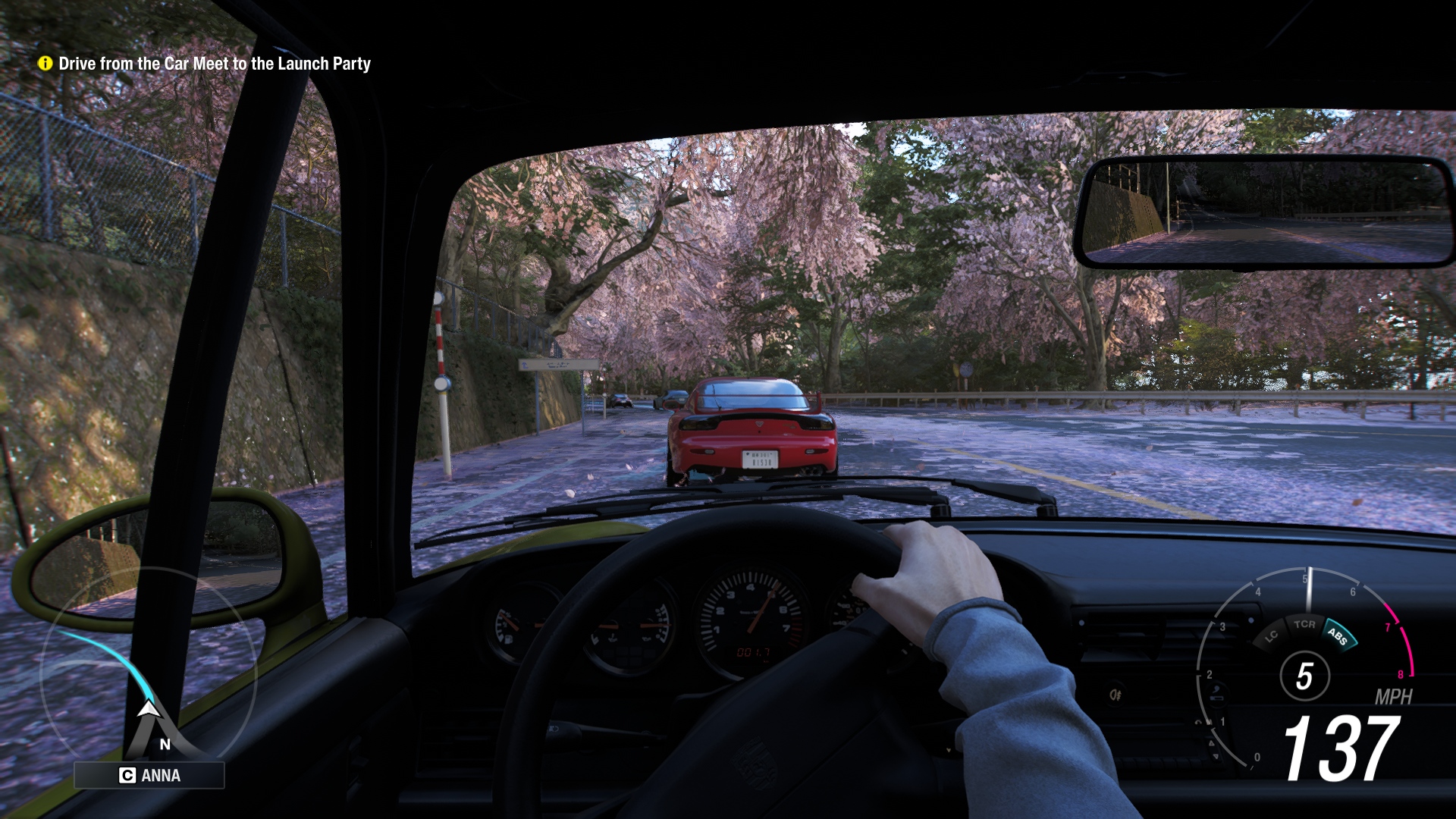
What makes the game work so well is that Playground understands the fantasy players wanted from this setting without turning it into parody. Horizon 6 absolutely embraces the aesthetics associated with Japanese street racing culture, but it rarely crosses the line into caricature. Neon-lit entertainment districts, industrial docklands, mountain passes, cherry blossom roads, and crowded expressways all exist here, but they are presented with a surprising amount of restraint and environmental detail. The game feels inspired by real places and real car communities rather than simply imitating movies or anime references.

That authenticity extends beyond visual design. According to developer interviews and post-reveal coverage, Playground Games worked with Japanese consultants, photographers, and automotive specialists during development in order to avoid reducing the setting to a collection of stereotypes. The result is a world that feels more lived-in than previous Horizon maps, particularly during nighttime driving when city traffic, lighting, weather effects, and environmental density combine to create some of the most atmospheric moments the series has ever produced.
At the same time, Horizon 6 remains unmistakably familiar in structure. The festival atmosphere still dominates progression, the game still showers players with rewards at an absurd rate, and the overall design philosophy continues prioritizing accessibility above almost everything else. Some long-running frustrations remain intact, especially regarding progression balance and repetitive menu clutter. Yet the moment the game places you behind the wheel and lets you disappear into a mountain road at midnight while rain hits the windshield and engine noise echoes through tunnels, most of those concerns become far easier to overlook.
Gameplay and Mechanics
The Horizon series has always occupied an unusually successful middle ground between simulation racing and full arcade chaos, and Forza Horizon 6 continues that balancing act with extraordinary confidence. The handling model remains accessible enough for casual players to immediately enjoy while still offering enough nuance to reward precise driving, careful tuning, and mechanical experimentation. More importantly, the changes Playground has made to vehicle behavior feel directly connected to the setting itself.
Driving in Horizon 6 feels more physical than in previous entries. Cars still maintain the responsiveness and forgiving nature that define the series, but there is noticeably more texture in the way weight transfers during braking, cornering, and rapid directional changes. Rear-wheel-drive vehicles behave with greater unpredictability in the best possible way, making high-speed corner exits feel more dynamic without becoming frustrating. Drifting has received perhaps the most substantial improvement overall. Initiating slides feels smoother, transitions between linked corners happen more naturally, and maintaining long drifts through mountain roads now carries a level of rhythm that previous Horizon games occasionally struggled to achieve.
That improvement matters because the map is clearly designed around technical driving. The touge-inspired mountain routes are among the best roads Playground has ever built, filled with sharp elevation changes, blind corners, narrow lanes, and long downhill stretches that constantly encourage players to push harder. There are sections of road in Horizon 6 that feel less like open-world filler and more like carefully constructed racing circuits designed specifically for enthusiasts who enjoy momentum-based driving. Even outside of formal events, simply exploring the map often becomes more entertaining than progressing through objectives.
Street racing benefits enormously from the denser road layouts as well. Previous Horizon entries occasionally suffered from oversized roads that made races feel too forgiving, particularly when driving high-powered hypercars. Horizon 6 is much more willing to punish mistakes. Urban races force players through tighter intersections, layered highways, tunnel systems, and narrow side streets packed with traffic. At high speeds, even small errors can destroy an otherwise perfect race, and that increased sense of risk adds intensity without pushing the game into simulation territory.
Off-road driving remains satisfying, although it no longer dominates the overall experience the way it sometimes did in Horizon 5. Mexico’s giant open landscapes naturally encouraged players to spend huge amounts of time driving off paved roads in heavily upgraded trucks and rally vehicles. Horizon 6 still supports that style of play, but the world itself feels much more road-focused. Dirt events and rally races continue benefiting from excellent terrain deformation, strong suspension physics, and dramatic weather effects, yet they now feel like part of a broader driving ecosystem rather than the centerpiece of the game.
One of the smartest design changes is the way smaller cars regain importance. Hypercars are still present in enormous numbers, but Horizon 6 no longer feels entirely built around maximum speed. Lightweight Japanese sports cars, compact hatchbacks, classic drift machines, and even kei cars feel genuinely viable because the map consistently rewards agility over brute horsepower. Some of the game’s best moments happen while driving relatively modest vehicles through difficult roads at dangerous speeds rather than launching million-dollar exotics down straight highways.
The progression structure surrounding these mechanics remains slightly problematic, however. Horizon continues to hand out rewards with astonishing generosity, which weakens the excitement of gradually building a garage. Within only a few hours, most players will already own vehicles that previous racing games would treat as endgame rewards. Expensive cars, wheelspins, cosmetic unlocks, and performance upgrades arrive so rapidly that the economy starts losing meaning surprisingly early.
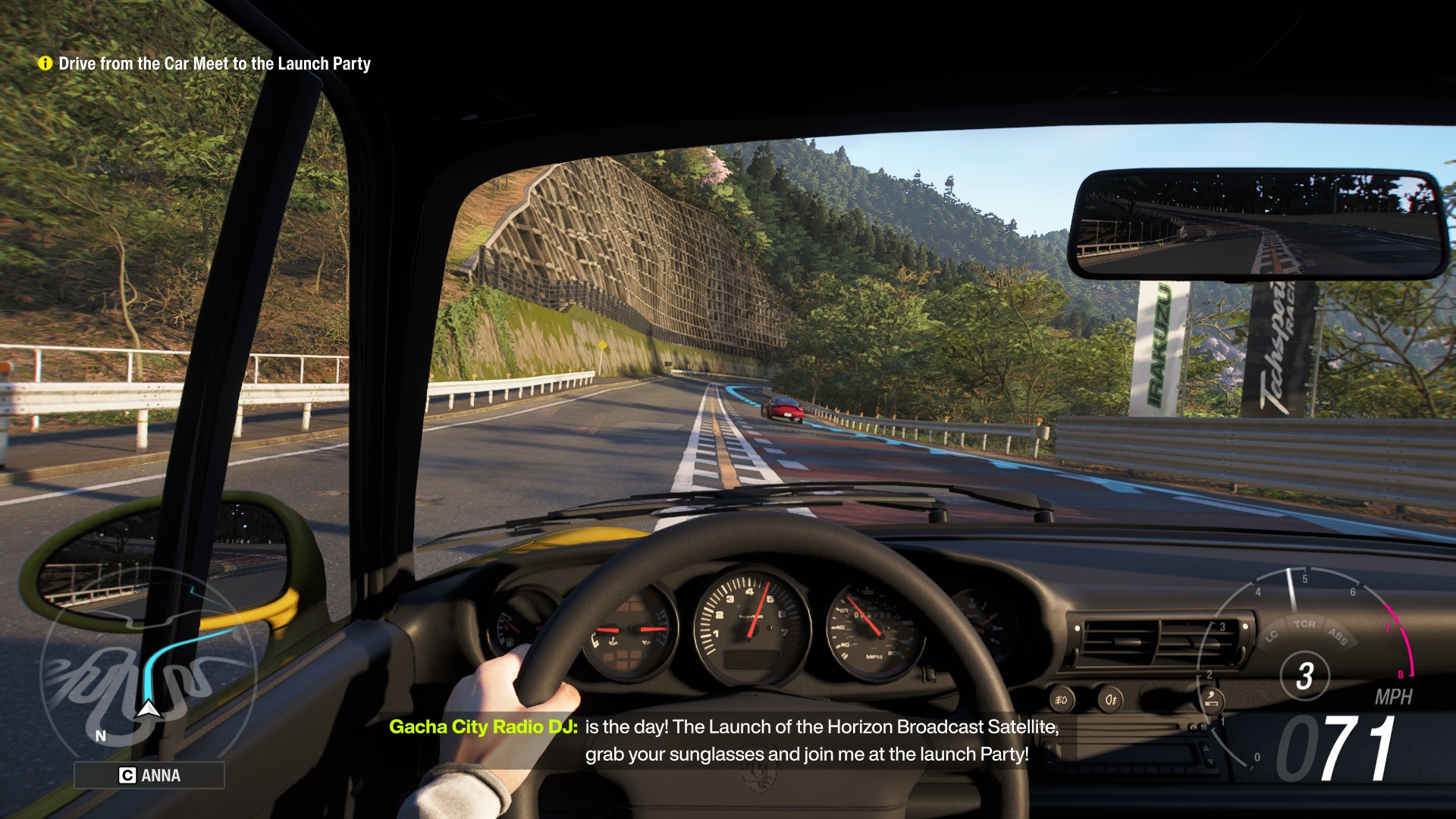
To Playground’s credit, Horizon 6 attempts to address this issue through a revised progression structure that separates festival advancement from exploration-based objectives. The new Collection Journal system encourages players to discover landmarks, photograph scenery, and engage more directly with the world itself rather than simply completing race after race. It is a subtle improvement rather than a dramatic overhaul, but it helps create a stronger sense of place and gives exploration more mechanical relevance.
The core driving experience remains the real achievement, though. Horizon 6 succeeds because nearly every road feels enjoyable to drive regardless of objective markers, progression systems, or rewards. Playground continues understanding something many racing games forget: movement itself should feel satisfying before anything else matters.
World Design and Exploration
Japan is easily the most important addition Forza Horizon 6 brings to the franchise, not simply because it looks beautiful, but because it fundamentally changes the rhythm of exploration. This is the densest world Playground Games has ever created, and unlike some previous Horizon maps that occasionally felt built around visual scale more than driving variety, Horizon 6 consistently delivers meaningful environmental differences within relatively short distances.
The urban environments are particularly impressive because they finally solve one of the long-running weaknesses of the series. Cities in older Horizon games often looked attractive from a distance but lacked the complexity necessary to support memorable racing. Horizon 6 changes that completely. Tokyo-inspired districts are packed with layered roads, elevated expressways, underground parking areas, alleyways, commercial zones, and tightly packed intersections that create entirely different driving conditions from the countryside. Nighttime driving through these regions becomes one of the defining experiences of the game, especially during rainstorms when reflections cover the streets and headlights bounce across wet pavement with astonishing visual detail.
Importantly, the city does not feel like an isolated biome disconnected from the rest of the map. Transitions between regions happen naturally, with highways gradually leading toward industrial docklands, suburban roads eventually opening into rural areas, and mountain routes connecting seamlessly to dense urban districts. That cohesion helps the world feel believable despite the obvious compression necessary for an open-world racing game.
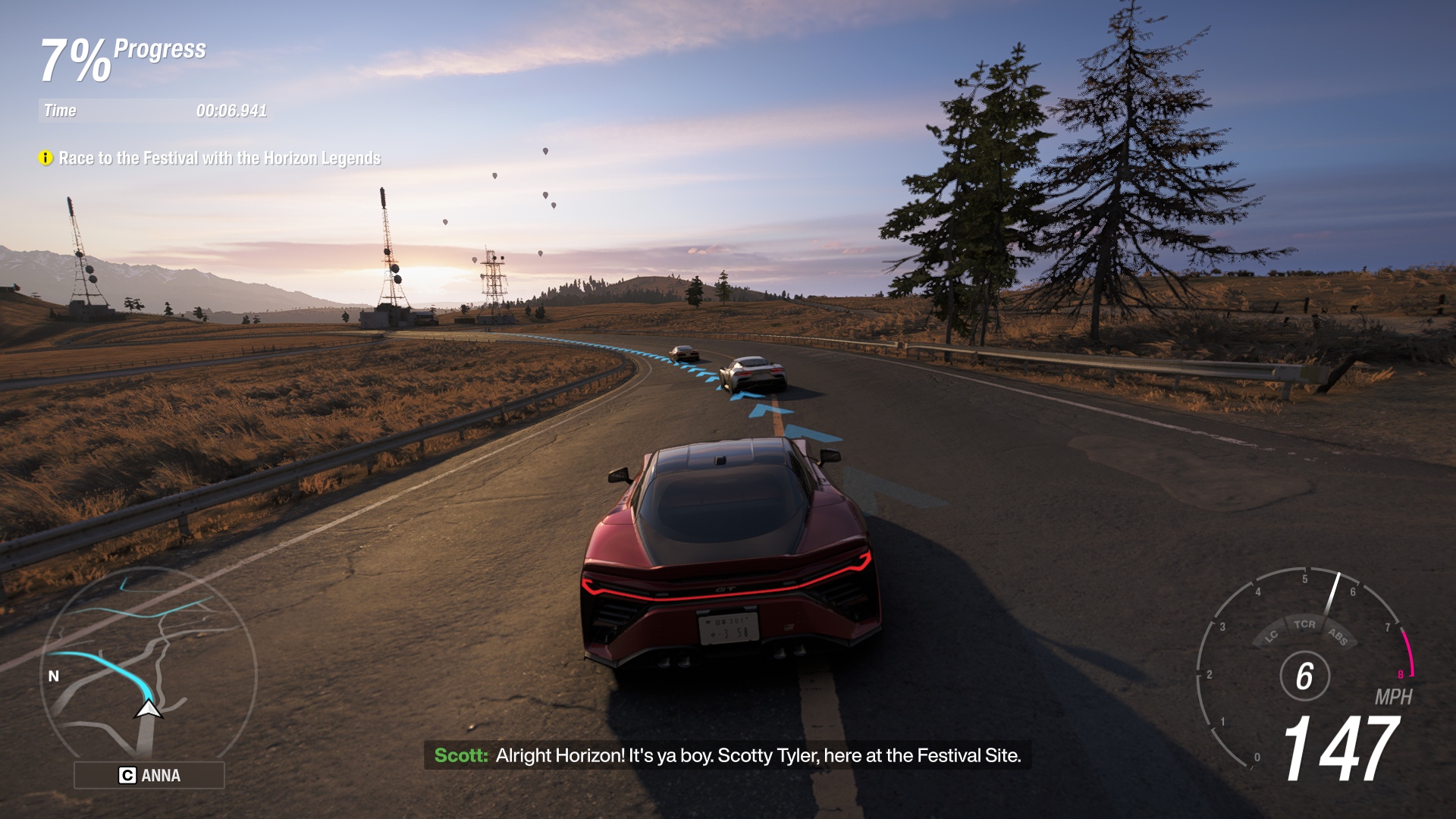
The countryside areas are equally successful in a completely different way. Rural villages, coastal roads, forests, snowy mountain passes, and lakeside highways provide moments of calm between the intensity of city driving. Horizon has always excelled at creating road-trip atmosphere, and Horizon 6 may be the strongest example yet. There are long stretches where simply driving at moderate speed while listening to the radio becomes more compelling than actively chasing objectives.
Weather effects contribute enormously to that atmosphere. Heavy rain dramatically changes visibility and road grip inside urban environments, while dense fog rolling across mountain roads creates almost unsettling levels of tension during nighttime races. Snow-covered regions alter vehicle handling enough to make familiar roads feel completely different depending on conditions. None of these systems are entirely new for the franchise, but the environmental variety of Japan allows them to feel more impactful than before.
The attention to cultural detail also deserves recognition. Rather than reducing the setting to obvious tourist imagery, Playground incorporates smaller environmental touches that help the world feel grounded. Convenience stores, vending machines, roadside parking areas, industrial garages, apartment districts, train crossings, and rural architecture all contribute to the sense that Horizon 6 was built with genuine affection for the setting rather than surface-level imitation. Developer interviews emphasized extensive location research and collaboration with local consultants, and that effort is visible throughout the map.
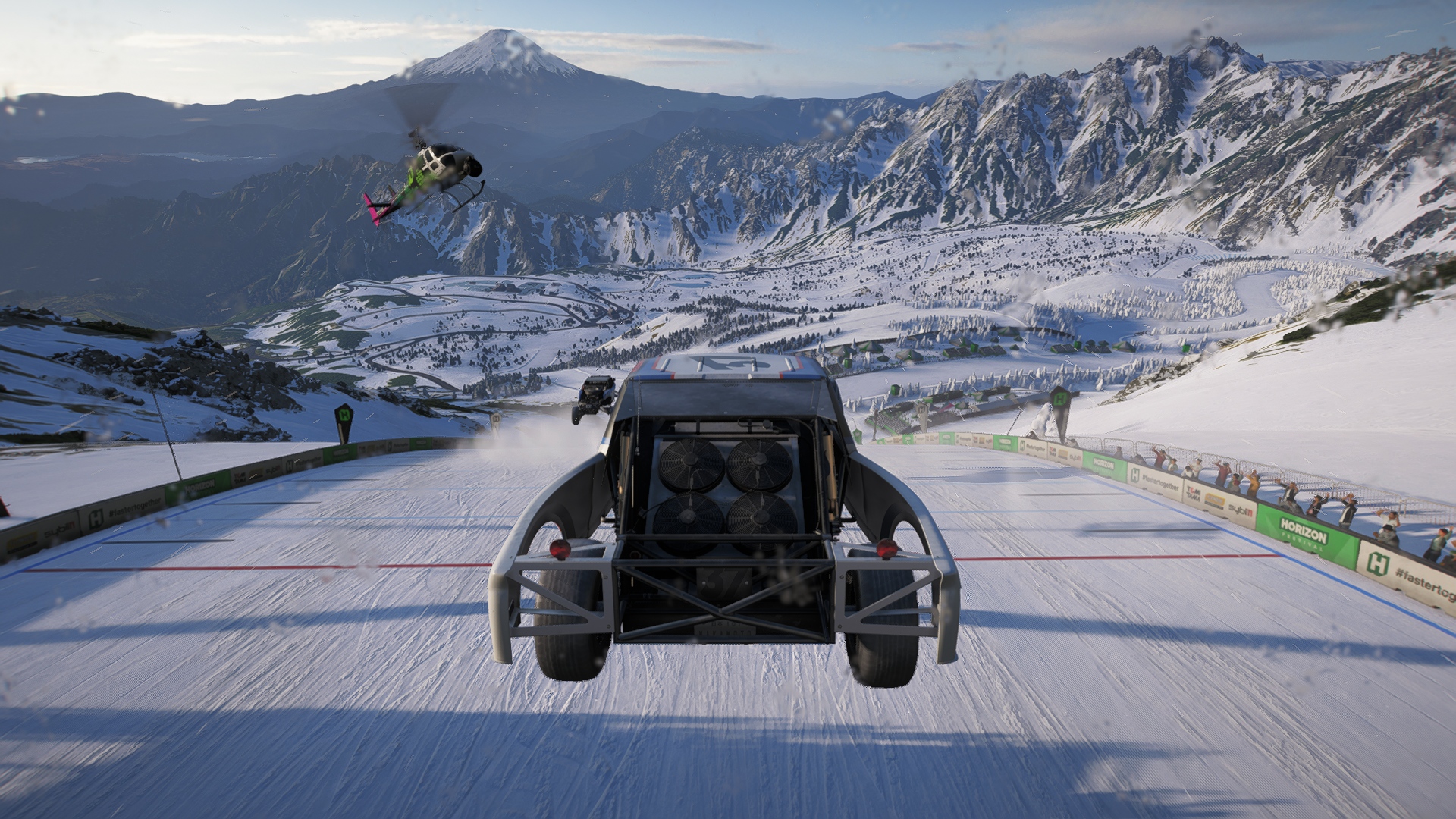
Exploration systems themselves remain structurally familiar. Barn finds return, collectible boards return, hidden roads return, and side activities once again cover nearly every section of the map. Horizon still struggles with occasional icon overload, especially once the player progresses far enough for the interface to become packed with events and notifications competing for attention simultaneously. Yet the quality of the world itself makes those repetitive systems easier to tolerate because driving rarely stops being enjoyable.
Even after dozens of hours, Horizon 6 maintains a remarkable ability to encourage aimless exploration. That may sound simple, but very few open-world games genuinely succeed at making movement through the environment feel rewarding independent of explicit objectives. Horizon 6 does.
Cars, Customization, and Progression
Forza Horizon 6 launches with more than 550 vehicles, and the roster feels noticeably more curated than in previous entries despite its enormous size. Japan as a setting naturally shifts attention toward domestic manufacturers and enthusiast culture, which benefits the game considerably because it creates a stronger identity than Horizon 5 occasionally had. Toyota, Nissan, Honda, Mazda, Mitsubishi, Subaru, Lexus, and Suzuki receive substantial representation, and the game clearly understands how emotionally attached many players are to Japanese performance cars.
What makes the lineup work especially well is the amount of attention given to smaller enthusiast vehicles rather than only focusing on hypercars and luxury exotics. Horizon 6 understands that Japanese car culture is not exclusively about million-dollar machinery. Aggressively modified kei cars, classic drift icons, compact hatchbacks, track-focused coupes, and heavily customized tuner builds all feel central to the experience. Driving a lightly upgraded Mazda RX-7 or Nissan Silvia through mountain roads at night often feels far more appropriate than jumping into a Bugatti and holding the accelerator down on a straight highway.
That balance improves the pacing of the game significantly because different regions naturally encourage different types of vehicles. Dense city districts favor compact cars with sharp handling, while mountain passes reward drift-oriented builds and rural roads allow faster grand touring cars to shine. Horizon 5 occasionally struggled because so much of the map favored sheer horsepower above all else. Horizon 6 creates far more opportunities for experimentation.
Customization remains one of the franchise’s strongest features. Visual modifications are extensive without becoming intimidating, allowing players to adjust body kits, wheel fitment, aero components, paint schemes, ride height, and stance with impressive freedom. The livery editor remains extraordinary, and the community continues producing absurdly detailed creations ranging from realistic motorsport replicas to elaborate anime-inspired street builds.
Mechanical tuning systems remain deep enough to satisfy serious enthusiasts while still staying accessible for casual players. Gear ratios, suspension geometry, differential behavior, tire pressure, brake balance, and aerodynamic settings can all be adjusted in extensive detail, but Horizon continues presenting these systems in a way that avoids overwhelming newcomers. Players who want simplicity can download community setups within seconds, while experienced tuners can spend hours optimizing drift cars or track builds.
The revised progression structure attempts to create a slightly stronger sense of advancement compared to Horizon 5, which famously treated the player like an established superstar almost immediately. Horizon 6 frames the player more like an outsider gradually discovering Japanese car culture, and that change gives the opening hours a more grounded tone. Several review impressions and community reactions specifically praised the decision to tone down the exaggerated “you are already a legend” dialogue that became a frequent criticism of previous games.
That said, Horizon still cannot fully resist its tendency to over-reward players. Rare vehicles arrive too quickly, wheelspins remain excessively generous, and progression pacing occasionally undermines the excitement of acquiring dream cars through genuine effort. The game wants players to experience everything immediately, which is understandable from an accessibility perspective, but it weakens the sense of long-term accomplishment.
Still, the sheer variety of vehicles and driving styles available ensures that experimentation remains consistently rewarding. Horizon 6 may have the best overall car roster in the series precisely because the setting gives even humble vehicles a meaningful place within the world.
Multiplayer and Online Features
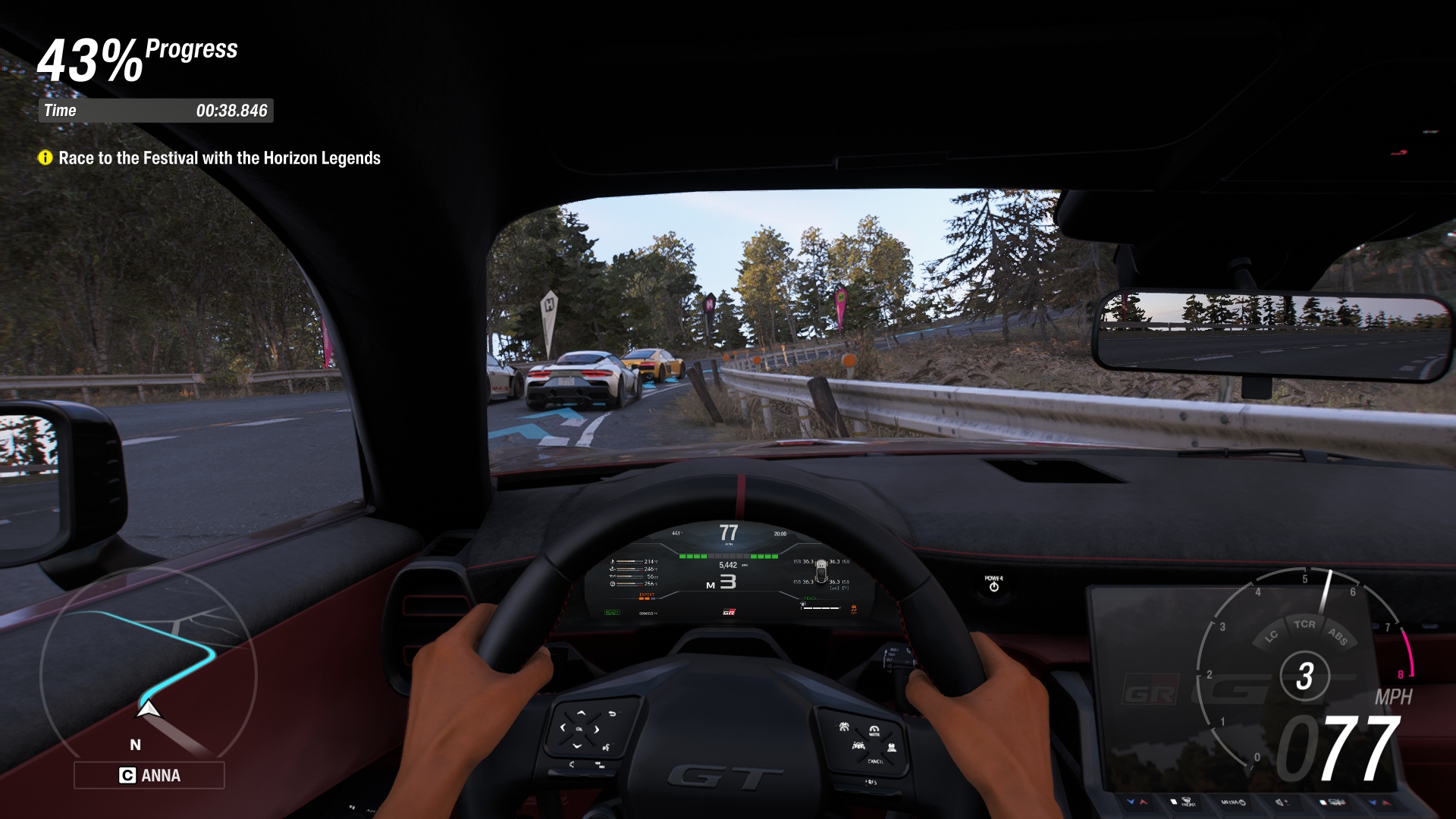
Multiplayer remains central to the Horizon identity, and Forza Horizon 6 continues Playground’s philosophy of making online interaction feel like a seamless extension of the open world rather than a separate menu-driven mode. Players constantly encounter others driving across the map, drifting through mountain roads, organizing impromptu convoys, or simply causing chaos in public free roam sessions.
When the servers cooperate, the atmosphere can be genuinely fantastic. There are moments during nighttime highway driving where convoys of strangers naturally form without any communication, creating exactly the sort of social car-culture energy Horizon has always tried to capture. Japan as a setting amplifies that atmosphere significantly because the map naturally supports late-night cruising, drifting gatherings, and underground street-racing fantasies in a way previous Horizon locations never fully managed.
Online races are generally stronger than before because the tighter road design rewards technical driving rather than pure speed. Narrow urban sections and more demanding corner sequences place greater emphasis on positioning and consistency, which helps races feel more engaging overall. Unfortunately, Horizon’s community still struggles with aggressive driving behavior, and public races can occasionally devolve into chaotic collision-heavy messes where clean racing becomes nearly impossible.
The EventLab creation tools continue expanding the longevity of the game considerably. Community-made tracks range from serious technical circuits to absurd stunt-focused playgrounds, and the flexibility of the tools appears greater than ever. Cross-platform functionality also helps maintain a healthy player population, ensuring that PC players should have little trouble finding active lobbies for a very long time.
At the same time, some live-service elements remain intrusive. Menus become cluttered quickly with seasonal objectives, rotating challenges, multiplayer prompts, and reward notifications. Horizon occasionally feels too eager to constantly remind players about ongoing activities rather than simply letting the world speak for itself. It is one of the few areas where the game still feels trapped by broader industry trends.
Technical Performance on PC
Forza Horizon 6 is one of the most visually impressive racing games ever released, and the PC version generally delivers an excellent technical experience provided the hardware is capable enough to support it. Playground’s ForzaTech engine continues producing some of the best environmental rendering in the industry, but Horizon 6 benefits just as much from artistic direction as it does from raw technical power.
The lighting system is exceptional across virtually every environment. Neon reflections during rainstorms, sunrise lighting across mountain roads, fog rolling through forests, and nighttime cityscapes all look stunning in motion, particularly at high resolutions and frame rates. Dense urban districts contain far more visual detail than anything seen in previous Horizon games, yet the world rarely feels cluttered or visually noisy. Traffic density, environmental particle effects, reflective surfaces, and weather transitions all contribute to a world that feels far more alive than the already impressive environments of Horizon 5.
Performance optimization on PC is impressively strong considering the complexity of the environments. Mid-range hardware can still achieve attractive image quality with stable frame rates, while high-end systems are capable of producing genuinely spectacular results. Ultrawide monitor support functions properly, frame rate settings are flexible, and modern graphical technologies including DLSS and frame generation are available depending on hardware configuration. Ray tracing implementation is also noticeably improved during garage viewing and replay sequences, where lighting and reflections can look remarkably close to pre-rendered footage under the right conditions.
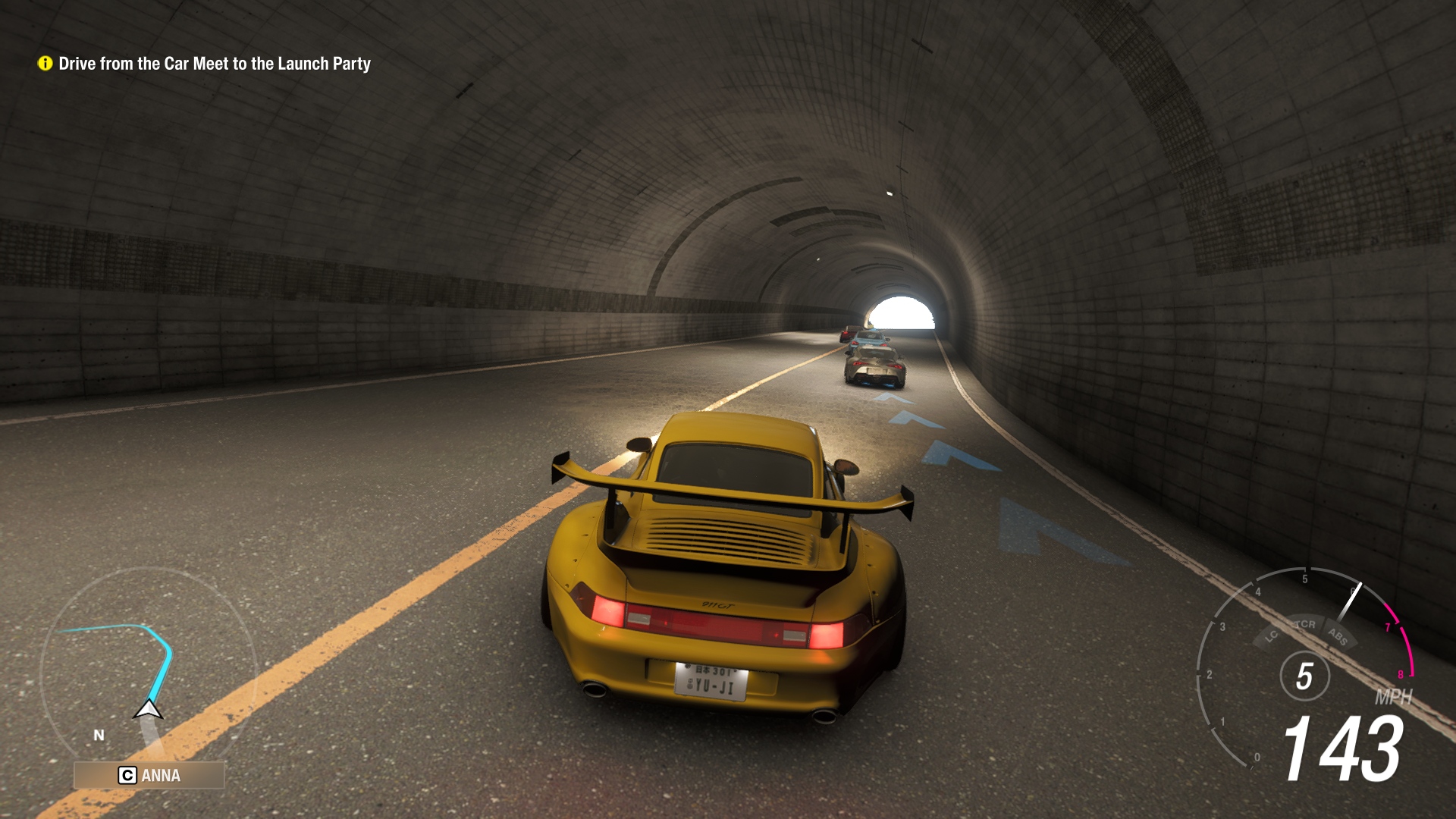
Load times on SSDs are extremely fast, which matters more than ever because Horizon 6 encourages constant movement between wildly different regions of the map. The game transitions smoothly from dense cities to mountains to coastal highways without major interruptions, and fast travel loading is brief enough that jumping around the map never becomes frustrating. Texture streaming is generally reliable even during high-speed driving, although extremely dense urban environments occasionally reveal minor pop-in during rapid transitions.
There are still some launch issues worth mentioning. Shader compilation stutter occasionally appears during early exploration, particularly when entering highly detailed urban areas for the first time. Online connectivity has also shown signs of instability during launch week, with convoy issues and occasional server interruptions affecting multiplayer sessions. None of these problems ruin the experience, but they are noticeable enough to mention in a PC-focused review.
Wheel support has improved compared to previous Horizon games, although dedicated simulation fans may still find the force feedback less sophisticated than titles built specifically around wheel users. Controllers remain the ideal way to play for most players because Horizon’s analog steering response continues feeling remarkably precise and natural. Keyboard support is functional, but the game is clearly designed around analog input.
Audio quality deserves substantial praise as well. Engine recordings are significantly richer than in older entries, with improved turbo sounds, transmission whine, exhaust crackles, and environmental echoes contributing to a stronger sense of mechanical presence. Driving through tunnels while hearing modified engines reverberate against concrete walls creates some of the most immersive moments the series has produced.
The soundtrack itself is somewhat less memorable than earlier Horizon games, although the overall soundscape compensates for that weakness. Rain hitting the roof during nighttime drives, distant traffic noise inside urban districts, and the combination of engine sound with environmental ambience often become more immersive than the licensed music. Horizon 6 also benefits from excellent spatial audio implementation on headphones, particularly during cockpit driving where surrounding traffic and environmental acoustics noticeably enhance immersion.
Final Verdict: 8.5/10
Forza Horizon 6 succeeds because it understands exactly what players wanted from both the franchise and the setting without overcomplicating either one. Playground Games resisted the temptation to reinvent Horizon for the sake of novelty and instead focused on refining nearly every major component while finally delivering the Japan setting fans had imagined for over a decade.
The result is easily the strongest Horizon game since Forza Horizon 3 and arguably the best overall entry in the series. The roads are more interesting, the world is denser, the drifting feels dramatically improved, and the atmosphere captures Japanese car culture with far more authenticity and restraint than many players probably expected. Horizon 6 still carries familiar problems involving progression balance, repetitive reward systems, weak dialogue, and occasional live-service clutter, but the core driving experience is so consistently enjoyable that those issues rarely dominate the experience for long.
Most importantly, Horizon 6 never forgets the simple pleasure of driving. Whether you are drifting through fog-covered mountain roads in an old Nissan Skyline, cruising through neon-lit city streets during heavy rain, or casually exploring quiet countryside highways while listening to the radio late at night, the game constantly finds ways to make movement feel rewarding. Very few racing games manage to sustain that feeling across dozens of hours.
On PC, with strong hardware and a good controller, Forza Horizon 6 delivers one of the best open-world racing experiences ever made. It may not radically reinvent the formula, but after spending enough time inside its version of Japan, it becomes difficult to argue that it needed to.