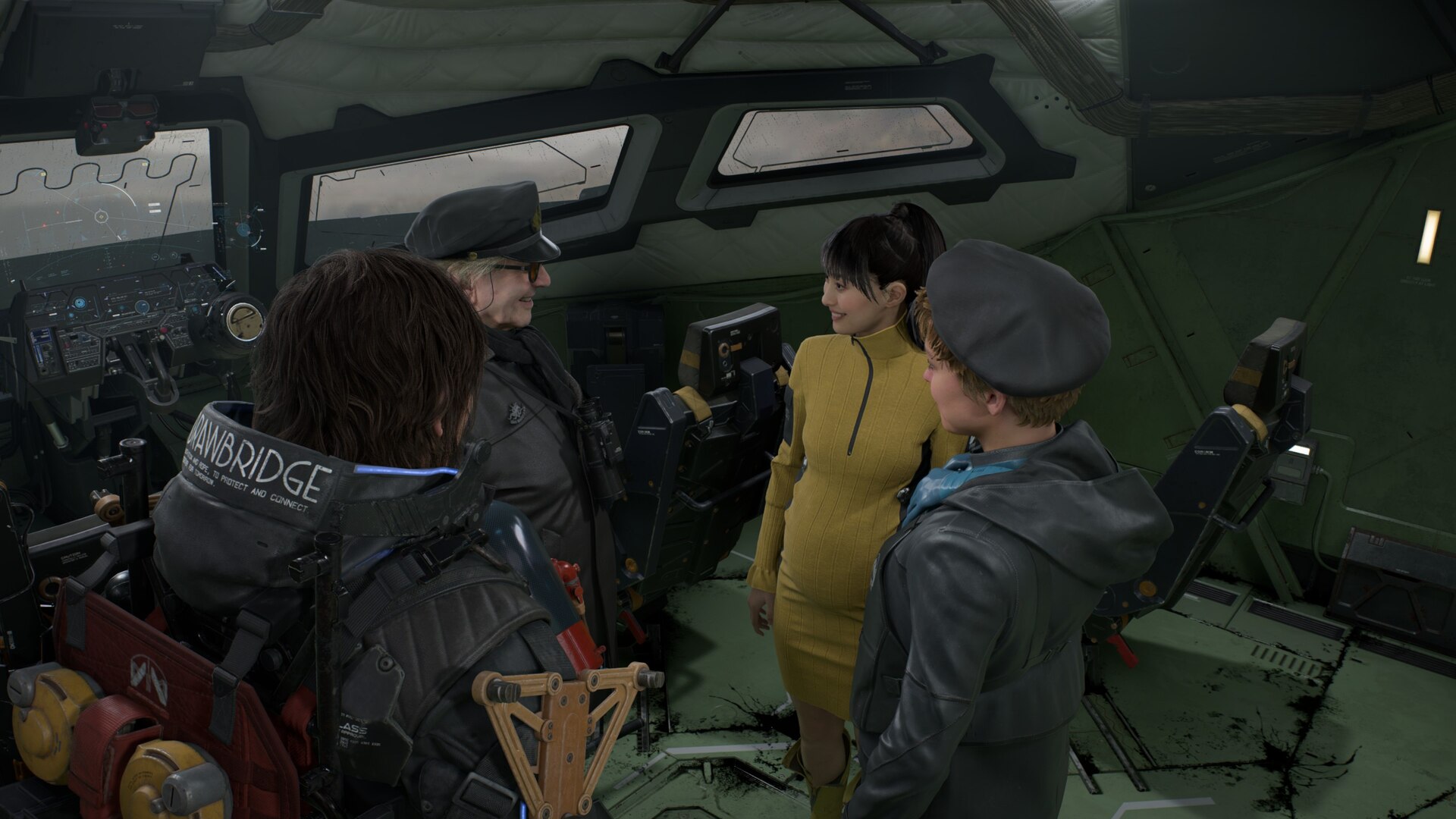
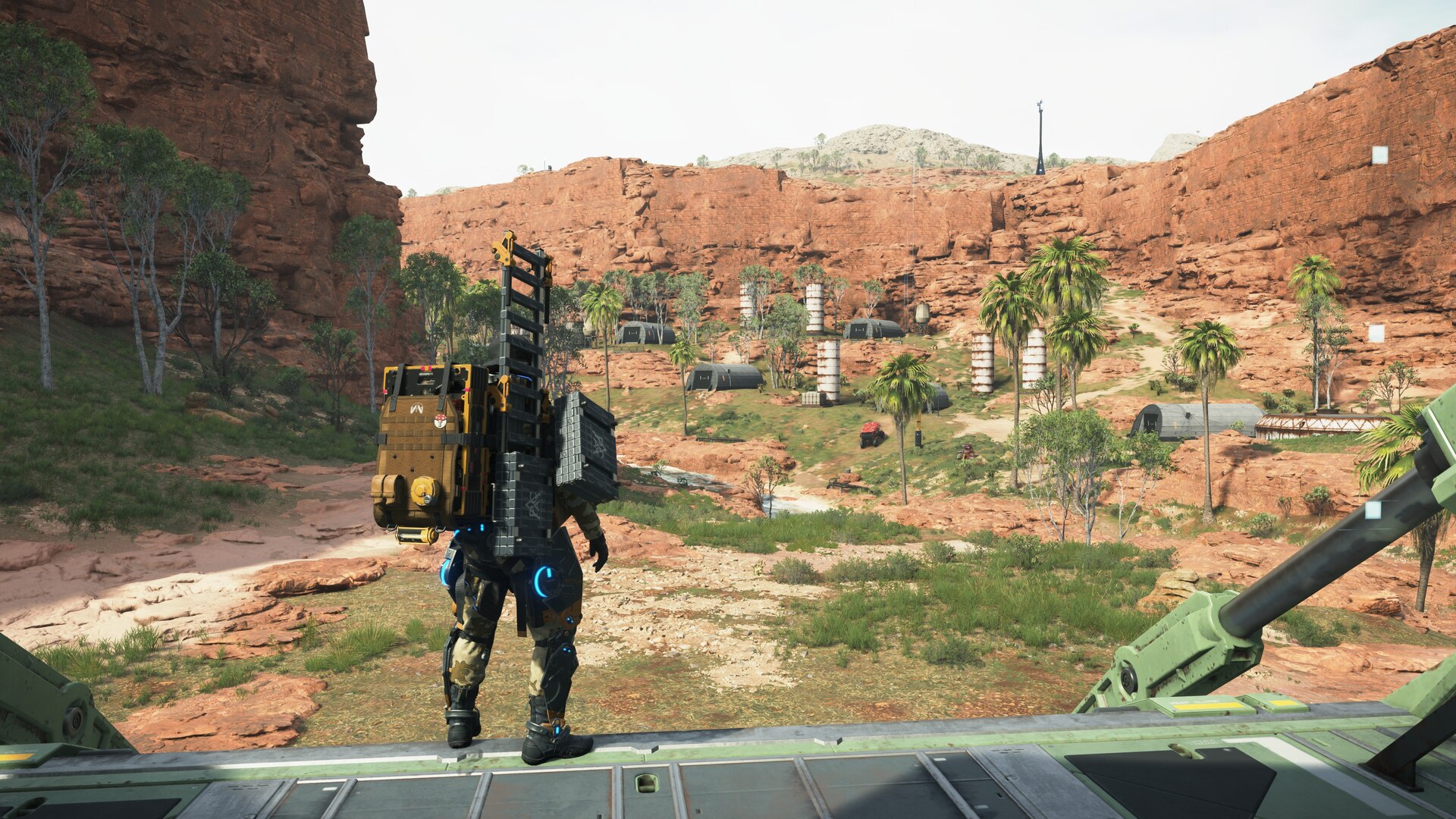
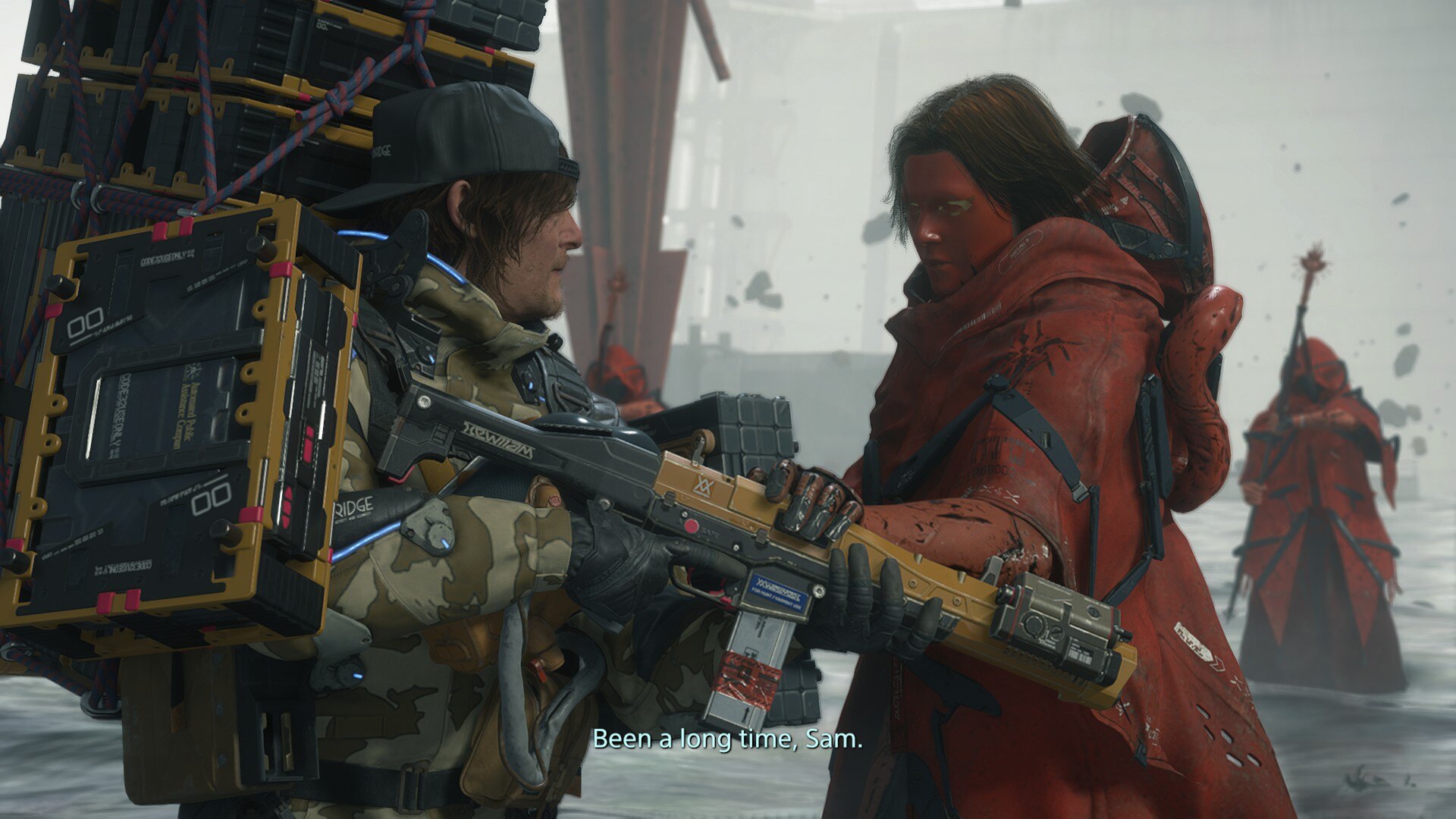
Few modern developers inspire the same mixture of curiosity, skepticism, and admiration as Hideo Kojima. His work has always leaned toward the unconventional, but with Death Stranding 2: On the Beach, he leans even further into a formula that was already divisive to begin with. The sequel arrives on PC after its PlayStation debut, bringing with it technical enhancements, expanded systems, and a second chance for players who either embraced or rejected the original experiment.
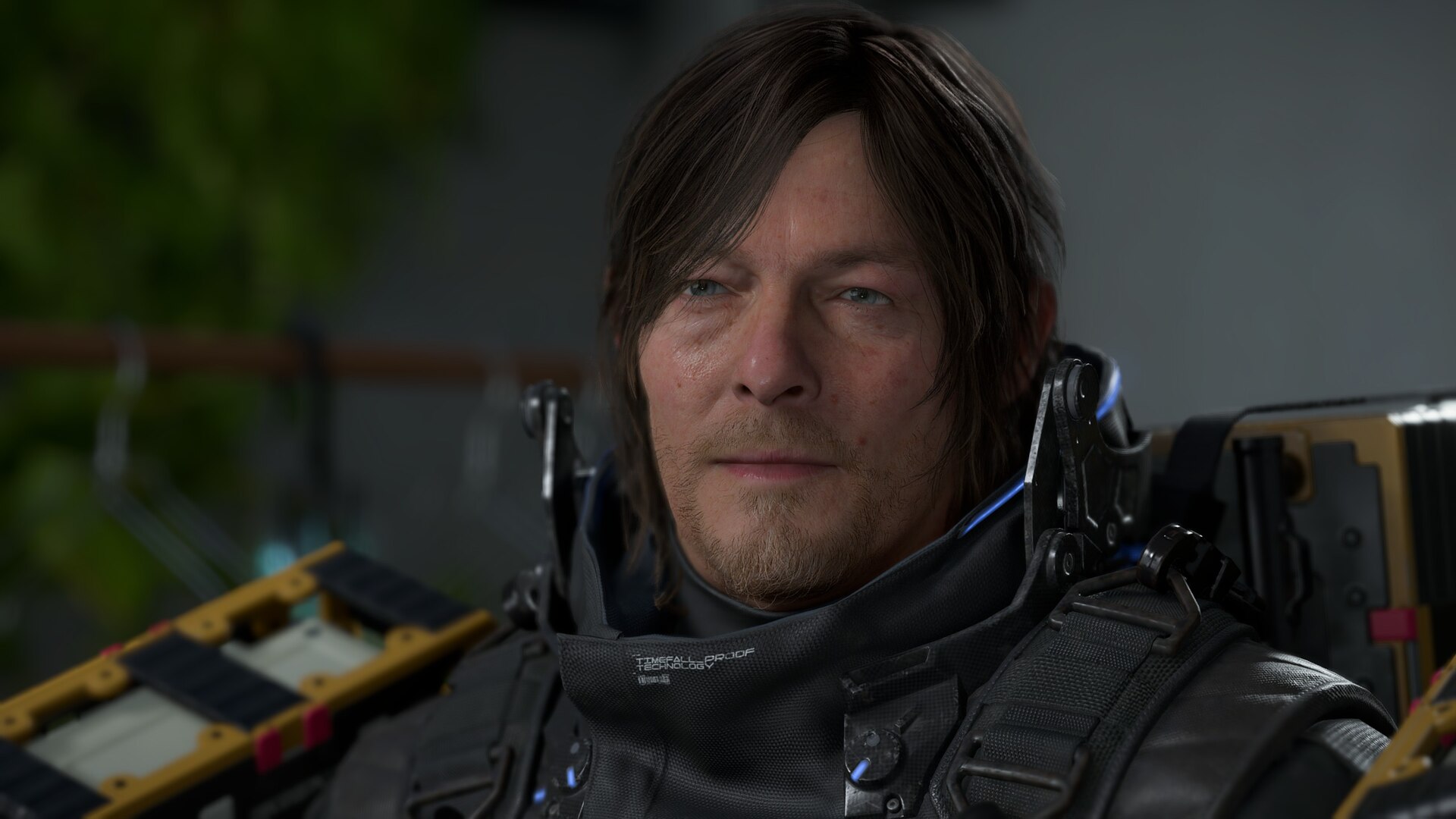
At its core, Death Stranding 2 remains a game about traversal, logistics, and quiet persistence in a hostile world. You once again step into the boots of Sam Porter Bridges (portrayed by Norman Reedus), carrying cargo across vast landscapes in a mission to reconnect fractured societies through the Chiral Network. Yet describing it in purely functional terms misses what makes it distinct. This is a game built on contrast: serenity against chaos, isolation against connection, grounded mechanics against surreal storytelling.
On PC, the experience feels more complete than ever. The added graphical flexibility and performance headroom elevate an already visually ambitious game into something genuinely striking. At the same time, this is not a reinvention. It is a confident continuation. It improves nearly every system it inherits, while remaining firmly committed to ideas that will continue to divide players.
Story and Narrative Direction
Set months after the original, Death Stranding 2 expands its scope beyond the United States, pushing Sam into new territories, including Mexico and Australia, as part of an effort to extend the Chiral Network beyond its initial borders. The narrative explores what comes after reconnection begins—how societies rebuild, what dependencies emerge, and whether reconnecting the world simply introduces new risks.
Kojima’s storytelling remains unmistakable. Long cutscenes, dense exposition, and philosophical undertones are still central to the experience. Characters speak in extended monologues, often explaining abstract concepts in emotional terms. The sequel makes a visible effort to be more approachable than its predecessor, but it never abandons its tendency toward excess.
There is, however, a stronger emotional throughline. Themes of parenthood, loss, responsibility, and legacy are given more consistent attention, and the writing occasionally achieves a grounded sincerity that contrasts effectively with the game’s more surreal elements. These quieter moments are often the most successful, giving weight to characters who might otherwise be overshadowed by the scale of the narrative.
That said, tonal inconsistency remains. Intimate, reflective scenes can sit alongside sequences that lean heavily into spectacle or abstraction, sometimes within the same narrative arc. The result is a story that feels expansive and layered, but also uneven. It is less concerned with tight structure than with thematic accumulation.
Returning characters benefit from clearer arcs and more focused development, while some new additions function more as thematic vessels than fully realized individuals. Strong performances help bridge this gap, grounding even the more abstract dialogue in something emotionally readable.
Gameplay and Mechanics
The core loop remains intact: accept deliveries, plan routes, traverse difficult terrain, and gradually build infrastructure that makes future journeys more efficient. What distinguishes Death Stranding 2 is how much broader and more flexible that loop has become.
Traversal continues to define the experience. Movement is governed by weight distribution, terrain type, weather conditions, and stamina management. Every step requires attention, particularly early on when tools are limited. This deliberate pacing remains one of the game’s most distinctive qualities, transforming traversal into an active, engaging process rather than a passive one.
The sequel improves onboarding significantly. Tools, vehicles, and systems are introduced more gradually, allowing players to build familiarity before being asked to manage multiple variables at once. This results in a smoother early experience without diminishing the complexity that emerges later.
Vehicles are more practical and customizable, extending their usefulness across a wider range of scenarios. Infrastructure options are also expanded, giving players more ways to reshape the world to suit their needs. These additions reduce friction without removing the need for planning, preserving the core identity of the game.
Combat is more capable than before, though still secondary. Players have access to a wider range of equipment and approaches, making encounters feel less restrictive. Whether opting for stealth, non-lethal tools, or direct confrontation, the systems are flexible enough to support different playstyles. While it never becomes a traditional action game, it no longer feels hesitant in these moments.

Environmental hazards add unpredictability. Dynamic events such as storms or terrain shifts can disrupt carefully planned routes, forcing players to adapt. These moments introduce tension, though they can occasionally undermine preparation in ways that feel abrupt.
Repetition remains a defining trait. The game’s structure relies on the player finding satisfaction in refinement—optimizing routes, improving efficiency, and gradually mastering systems. For some, this is deeply rewarding. For others, it may feel monotonous despite the added variety.
The Social Strand System
The asynchronous multiplayer system returns as a central pillar of the experience. Players leave behind structures, signs, and resources that appear in the worlds of others, subtly altering how traversal unfolds.
In Death Stranding 2, this system is more deeply integrated into progression. Player-built roads, bridges, and zip-lines can significantly reshape navigation, turning once-difficult journeys into streamlined routes. The sense of shared effort is tangible, even in the absence of direct interaction.
There is a greater sense of persistence in how the world evolves. Contributions feel cumulative, reinforcing the idea that progress is built collectively. This aligns closely with the game’s thematic focus on connection and cooperation.
However, the system introduces a trade-off. Increased density of player-created structures can dilute the sense of isolation that once defined the experience. Landscapes that were originally desolate can become populated with functional elements, occasionally disrupting the intended atmosphere.
The “Like” system continues to incentivize participation, rewarding players for useful contributions. While effective, it also introduces an element of optimization that can feel slightly at odds with the game’s tone, encouraging visibility as much as utility.
Even with these tensions, the system remains one of the most original aspects of the series, offering a form of indirect multiplayer that feels meaningfully different from traditional approaches.
World Design and Visuals
Death Stranding 2 stands as one of the most visually accomplished games currently available on PC. Its strength lies not only in raw graphical fidelity, but in the cohesion of its visual design.
The environments are expansive and varied, ranging from arid deserts to rugged coastlines, dense vegetation, and surreal, otherworldly spaces shaped by the game’s supernatural elements. Terrain is not simply decorative—it is functional, detailed, and reactive. Surfaces shift underfoot, water flows with convincing weight, and environmental conditions influence both movement and visibility.
Lighting is a defining feature. The dynamic time-of-day system subtly alters how landscapes are perceived, affecting contrast, color, and depth. Early light softens the environment, midday exposes every detail, and dusk introduces a cinematic quality that enhances scale and mood.
Weather systems further reinforce immersion. Rain interacts with surfaces, fog obscures distant landmarks, and storms reshape the visual and mechanical landscape simultaneously. These effects are not just aesthetic—they actively influence gameplay, creating a strong link between visuals and mechanics.
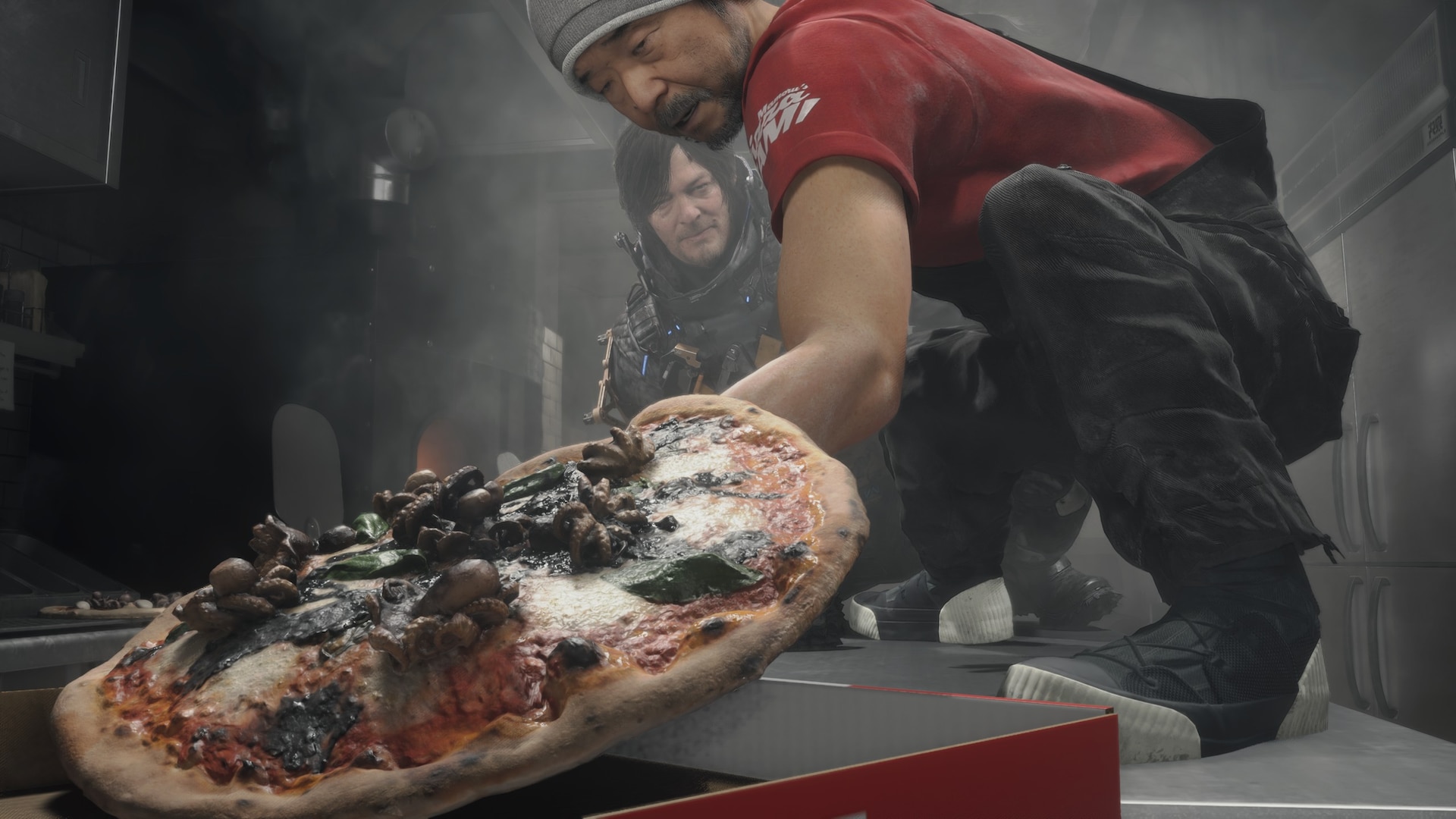
Character models are rendered with exceptional precision. Facial animations capture subtle emotional shifts, and skin, hair, and materials react naturally to lighting conditions. In close-up scenes, the level of detail approaches photorealism, enhancing the impact of narrative moments.
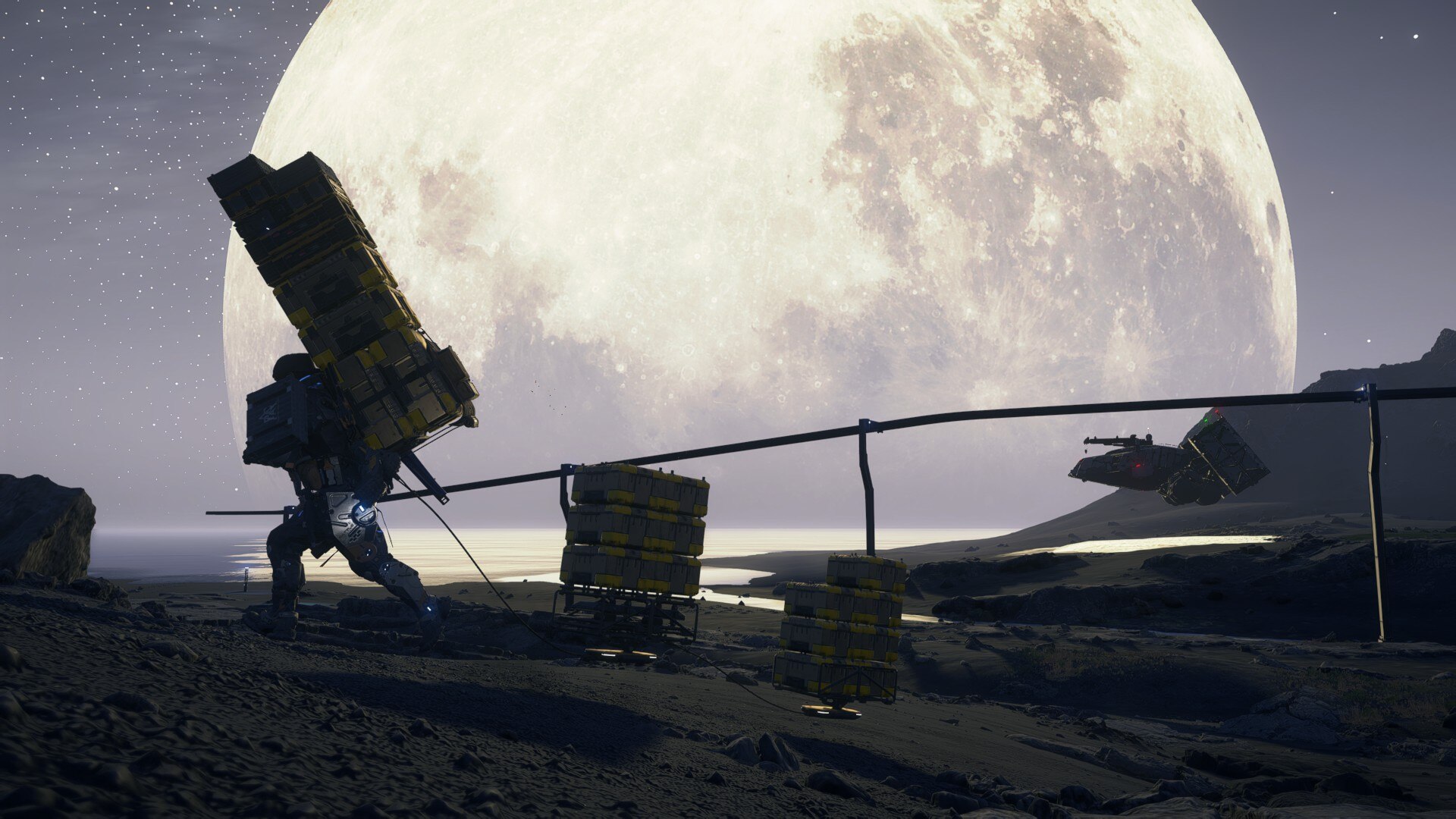
Environmental storytelling is embedded throughout the world. Small details—abandoned cargo, remnants of past infrastructure, traces of human activity—provide context without explicit explanation. This reinforces the sense of a world that has been disrupted but not erased. Supernatural sequences introduce a contrasting visual language, with altered color palettes and distorted environments that emphasize instability. These moments stand apart from the grounded realism of traversal, creating a deliberate visual tension.
On PC, these elements are enhanced through higher resolutions, extended draw distances, and smoother frame rates. Ultrawide support further amplifies the sense of scale, making long journeys feel even more expansive. Minor technical issues, such as occasional stuttering or asset pop-in, do occur but do not significantly detract from the overall presentation.
Audio and Presentation
Sound design plays a crucial role in maintaining atmosphere. Environmental audio is detailed and responsive, reinforcing the sense of isolation during traversal. Subtle shifts in sound—footsteps changing across rock, mud, or metal surfaces, the strain of cargo shifting on Sam’s back, distant thunder rolling across valleys—create a consistent sense of physical presence. The world rarely feels silent; instead, it is filled with low, natural ambience that makes even empty spaces feel alive.
Weather effects are particularly well realized in the audio mix. Rain has weight and texture, intensifying as it hits different surfaces, while wind builds gradually, cutting through open terrain and amplifying the feeling of exposure. During more extreme conditions, sound becomes a gameplay cue as much as an atmospheric tool, signaling danger or reduced visibility before it is fully apparent on screen.
Music is used selectively, which enhances its impact. When tracks emerge during key moments—often during long, uninterrupted stretches of traversal—they elevate the emotional tone without feeling intrusive. These sequences are carefully timed, allowing the player to settle into the journey before introducing music that reframes the experience. This restraint ensures that the soundtrack remains memorable rather than constant background noise.
Voice performances are consistently strong, grounding the narrative even when the material becomes abstract. The cast delivers lines with a level of sincerity that helps bridge the gap between grounded emotion and high-concept writing. Small vocal details—pauses, changes in tone, restrained delivery—add nuance to characters who might otherwise feel defined purely by exposition.
The cinematic presentation remains a defining characteristic. Camera work, composition, and transitions reflect a clear directorial vision from Hideo Kojima. Scenes are framed with a deliberate sense of pacing, often lingering just long enough to emphasize mood or character reaction. The integration between gameplay and cutscenes is smoother than before, frequently blending control and scripted moments in a way that feels cohesive.
What stands out more in this sequel is the subtle layering of audio and visuals during these transitions. Dialogue, ambient sound, and music often overlap in ways that maintain immersion rather than breaking it. Even when control is temporarily removed, the experience feels continuous. While extended cutscenes can still impact pacing, the overall presentation is more fluid, making the shifts between player agency and cinematic storytelling feel less abrupt and more intentional.
Technical Performance on PC
The PC version is a strong and well-optimized port, reflecting a level of care that is not always guaranteed with major releases. It offers extensive graphical customization, allowing players to fine-tune nearly every aspect of the visual experience. From texture resolution and shadow quality to volumetric effects and post-processing, the range of options is comprehensive enough to accommodate a wide spectrum of hardware.
Performance is generally stable across a variety of systems. Mid-range configurations can achieve consistent frame rates with adjusted settings, while high-end hardware can fully realize the game’s visual potential at high resolutions and frame rates. The inclusion of modern upscaling technologies helps maintain performance without significantly compromising image clarity, making it easier to strike a balance between fidelity and smoothness.
Load times are minimal, particularly on SSDs, contributing to a seamless experience between gameplay and cinematic sequences. This is especially important in a game that frequently transitions between player control and extended cutscenes, as it helps preserve immersion without noticeable interruptions.
Input support is flexible and well implemented. Keyboard-and-mouse controls feel responsive and customizable, while controller support remains smooth and intuitive for those who prefer a more traditional setup. The game adapts comfortably to different playstyles, which is essential given the length and pacing of the experience.
Additional difficulty options, including a more demanding mode, provide meaningful challenges for experienced players. These settings emphasize resource management, environmental awareness, and careful planning, making them feel like genuine extensions of the core mechanics rather than simple numerical adjustments.
There are still minor technical issues. Occasional stuttering can occur during transitions or in more densely populated areas, and rare instances of asset pop-in may be noticeable when moving quickly through the environment. However, these issues are infrequent and do not significantly detract from the overall experience.
What stands out most is the consistency of performance relative to the game’s visual ambition. Death Stranding 2 pushes a high level of detail across large environments, yet manages to maintain stability in most scenarios. This balance between technical ambition and practical optimization results in a PC version that feels both polished and reliable, even during extended play sessions.
Final Verdict: 9/10
Death Stranding 2: On the Beach is a confident, carefully refined sequel that builds on the foundation of its predecessor without attempting to fundamentally redefine it. It improves its systems, expands its scope, and delivers one of the most visually cohesive worlds currently available on PC. At the same time, it remains deeply committed to a design philosophy that will not resonate with everyone.
Its strengths are clear. Traversal remains uniquely engaging, transforming movement into a meaningful and deliberate act. Expanded tools and improved combat systems add flexibility without compromising the core loop. The Social Strand System continues to offer a distinctive form of asynchronous multiplayer, reinforcing the game’s central themes. Most notably, the visual presentation is exceptional, combining technical fidelity with strong artistic direction to create a world that feels both tangible and purposeful.
Its weaknesses are just as inherent. The gameplay loop is repetitive by design, relying on player investment in optimization rather than constant variation. The narrative, while ambitious and often emotionally effective, struggles with pacing and tonal consistency. The increased presence of player-created structures can, at times, undermine the sense of isolation that once defined the experience.
What ultimately defines Death Stranding 2 is its willingness to embrace these contradictions. It is slow, deliberate, occasionally frustrating, and at times overly indulgent, yet it consistently offers moments that feel distinct within the current landscape of big-budget games.
On PC, this is the best way to experience it. The technical enhancements allow its visual and mechanical ambitions to fully come through, delivering a version that feels both polished and complete.
It is not a game that seeks universal appeal, and it does not need to be. For players willing to engage with its pace and structure, it offers a unique and thoughtfully constructed experience that stands apart from the industry’s more conventional offerings.