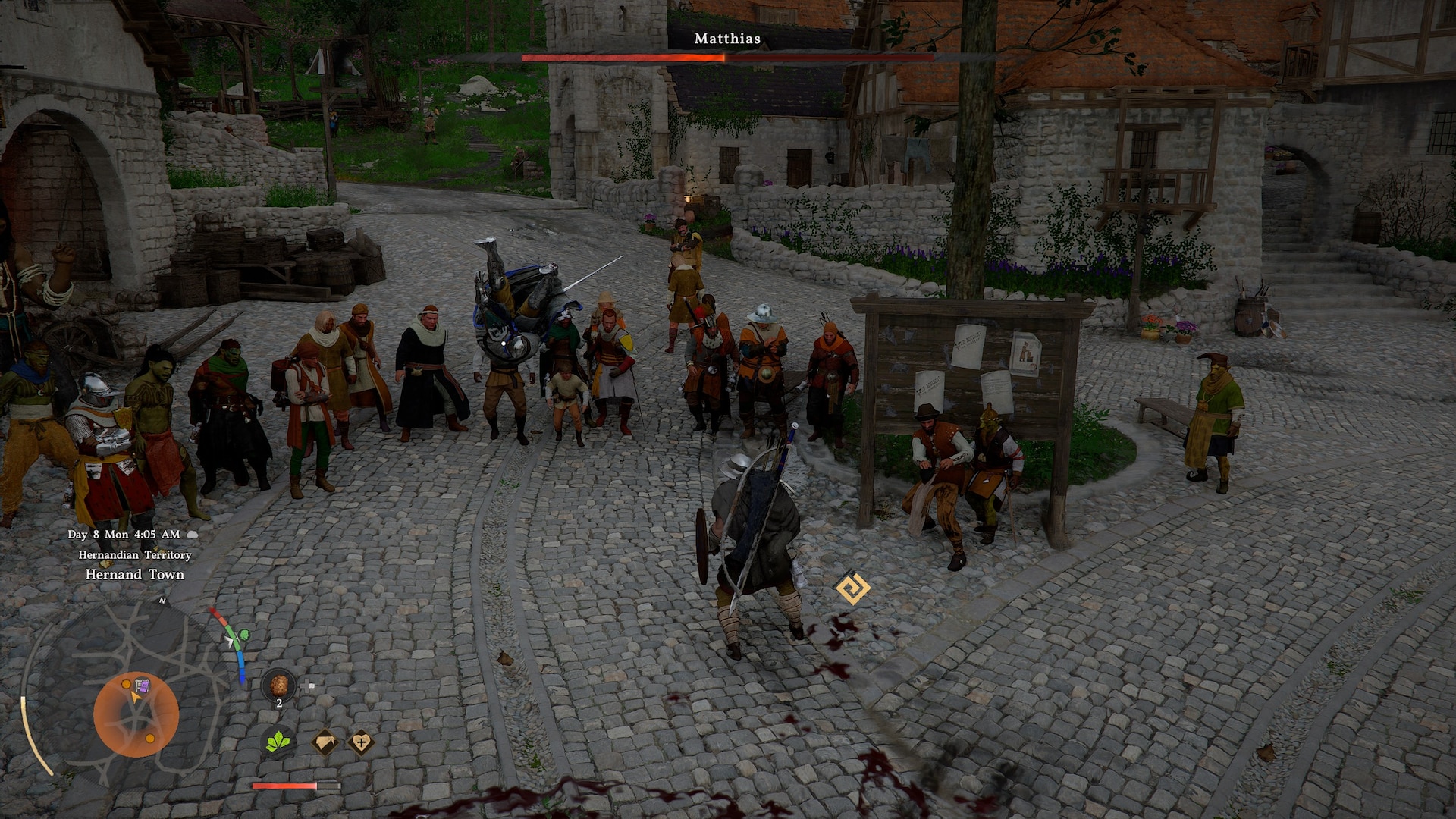
For years, Crimson Desert has existed in a strange space between promise and uncertainty, with shifting design goals and long development cycles raising as many questions as they answered, yet the final release makes one thing immediately clear: this is not a cautious game. Pearl Abyss has built something that aims to compete with the biggest open-world RPGs on the market while also layering in systemic depth that often feels closer to a simulation than a traditional action-adventure experience.
That ambition defines almost every aspect of the game, from its sprawling world to its dense combat systems and the sheer number of mechanics constantly competing for the player’s attention. At times, the result is genuinely impressive, delivering moments that feel dynamic, unpredictable, and mechanically rich in ways few games manage. At other times, however, that same ambition leads to friction, confusion, and a sense that the game is working against itself rather than with the player.
What emerges is not a clean, polished blockbuster designed for universal appeal, but rather a complex and occasionally unwieldy RPG that rewards patience while testing it just as often. It is a game full of ideas, not all of them equally successful, but rarely uninteresting.
Story and World
The narrative of Crimson Desert follows Kliff, leader of the Greymanes, as he navigates a fractured continent shaped by war, political instability, and competing factions struggling for dominance. Rather than presenting a straightforward hero’s journey, the story leans into a more grounded and often somber tone, portraying Kliff as a figure burdened by responsibility and circumstance rather than destiny.
This approach works in the game’s favor when it focuses on character-driven moments, as interactions between Kliff and his companions often carry a sense of weight that helps anchor the broader narrative. Relationships evolve gradually, shaped by shared hardship rather than dramatic plot twists, which lends the story a degree of authenticity even when the pacing becomes uneven.
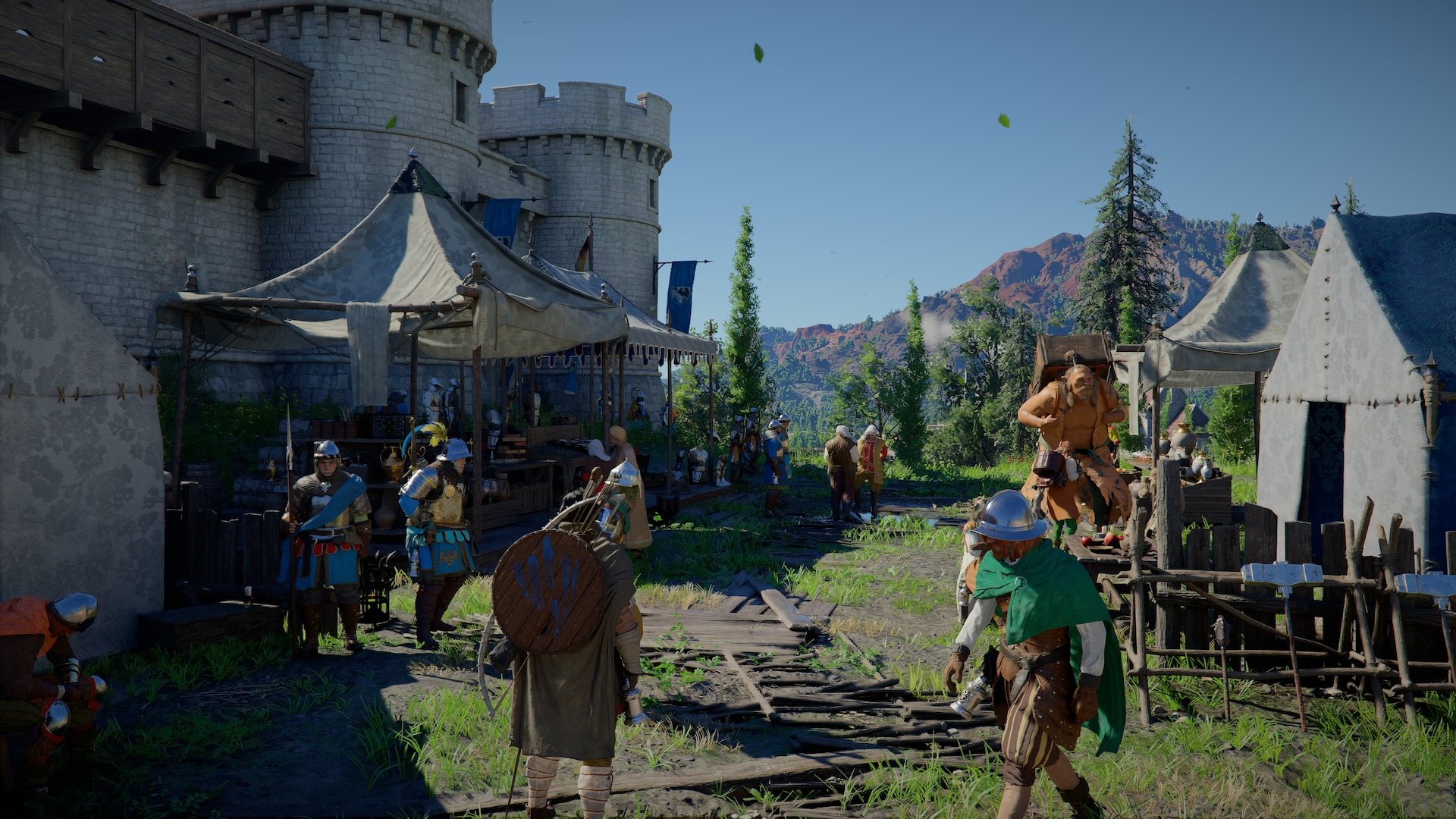
Pywel itself plays an equally important role in shaping the narrative experience, functioning less as a backdrop and more as an active participant in the story. The world feels lived-in, with NPCs reacting to events, factions influencing regional dynamics, and environmental conditions affecting how situations unfold. This creates a sense that the story is not confined to scripted sequences but is instead part of a larger, evolving ecosystem.
However, the narrative structure does not always maintain its momentum, as the open-world design frequently pulls attention away from the main storyline. Side activities, faction quests, and emergent encounters often interrupt the pacing, making it easy to lose track of the central plot. While this freedom aligns with the game’s design philosophy, it can also dilute emotional impact, particularly during moments that are clearly intended to carry significant weight.
Gameplay and Mechanics
Gameplay is where Crimson Desert makes its boldest statements, offering a dense and multifaceted system that resists simplification. Combat, in particular, is designed to be both physically grounded and mechanically demanding, requiring players to engage with timing, positioning, and resource management in a way that goes beyond typical action RPG conventions.
Encounters are rarely straightforward, as enemies exhibit varied behaviors that force adaptation rather than repetition, and the combination of melee, ranged, and environmental interactions encourages experimentation. The system shines brightest during large-scale battles, where chaos and structure coexist in a way that feels both cinematic and interactive, allowing players to influence outcomes through skill rather than relying purely on statistics.
Yet this depth comes with a cost, as the complexity of the controls and underlying systems can create a barrier to entry that is difficult to ignore. The game does not always communicate its mechanics clearly, and early hours can feel unnecessarily punishing as players struggle to internalize systems that could have been introduced more gradually. This is not a case of rewarding mastery as much as it is demanding persistence, which may appeal to some players while alienating others.
Beyond combat, the game expands into a wide array of interconnected systems, including crafting, resource gathering, camp management, and various side activities that range from practical to purely recreational. The Greymane camp serves as a central hub for progression, allowing players to manage companions, upgrade facilities, and influence the broader game world in subtle ways.
While these systems add depth and variety, they also contribute to a sense of overload, as the game rarely gives players space to focus on a single aspect without introducing additional layers. Some mechanics feel essential, while others come across as underdeveloped or disconnected, creating an experience that can feel fragmented despite its scope.
Visuals and Art Direction
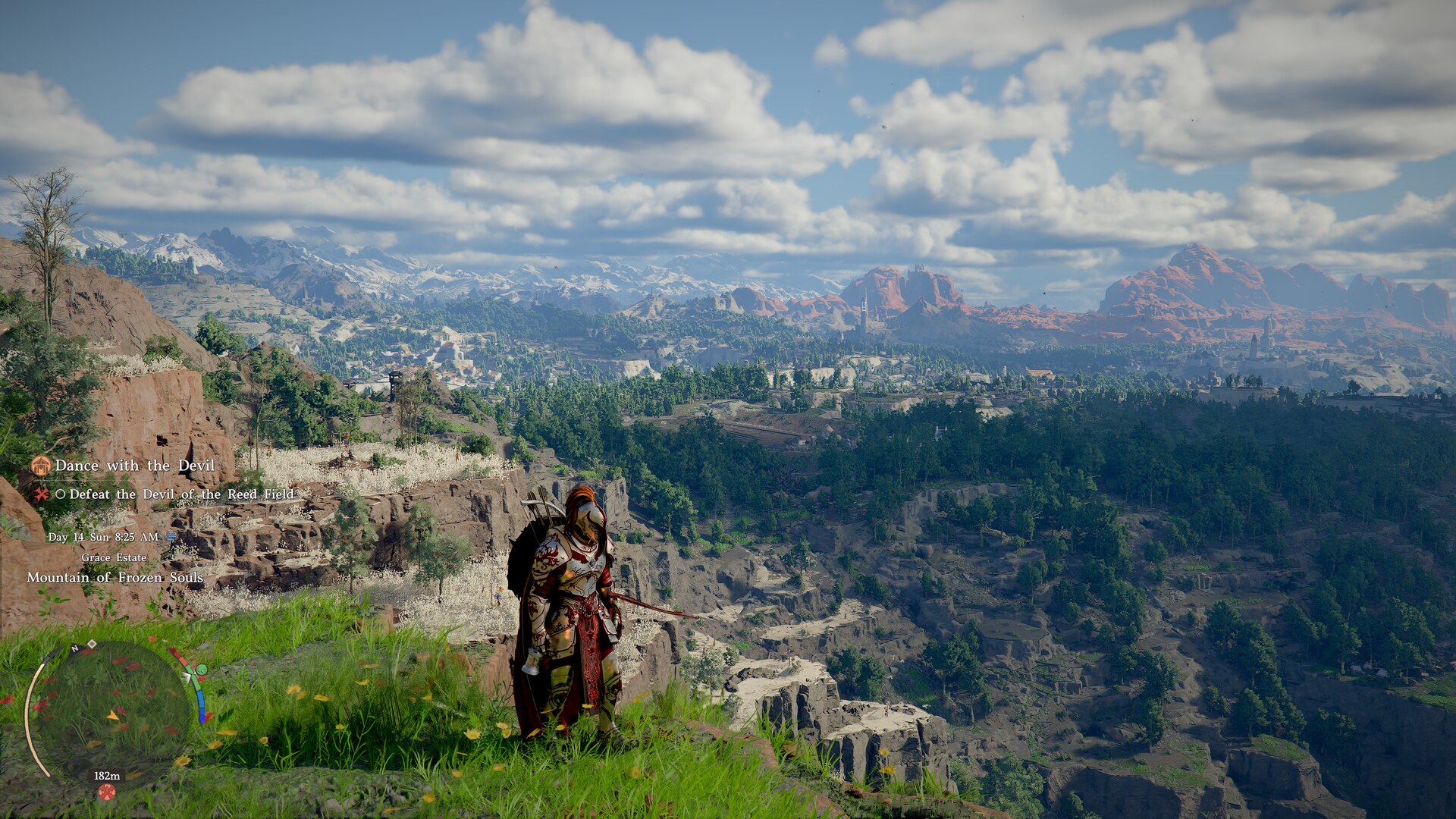
Visually, Crimson Desert is one of the most technically ambitious open-world games currently available on PC, built on Pearl Abyss’ proprietary BlackSpace Engine, which places a strong emphasis on environmental simulation, lighting accuracy, and large-scale rendering. The result is a game that can look strikingly realistic in motion, particularly when its systems are allowed to operate at full capacity.
Lighting is a major highlight, with a physically based rendering system that handles global illumination, shadows, and reflections in a way that gives scenes a natural, almost cinematic quality. Sunlight filters through dense forests with convincing diffusion, while interior spaces are lit in a manner that avoids the flatness often associated with dynamic lighting systems. When ray tracing features are enabled, reflections and ambient lighting gain an additional layer of depth, though the performance cost is significant enough that not all systems will be able to take full advantage of it.
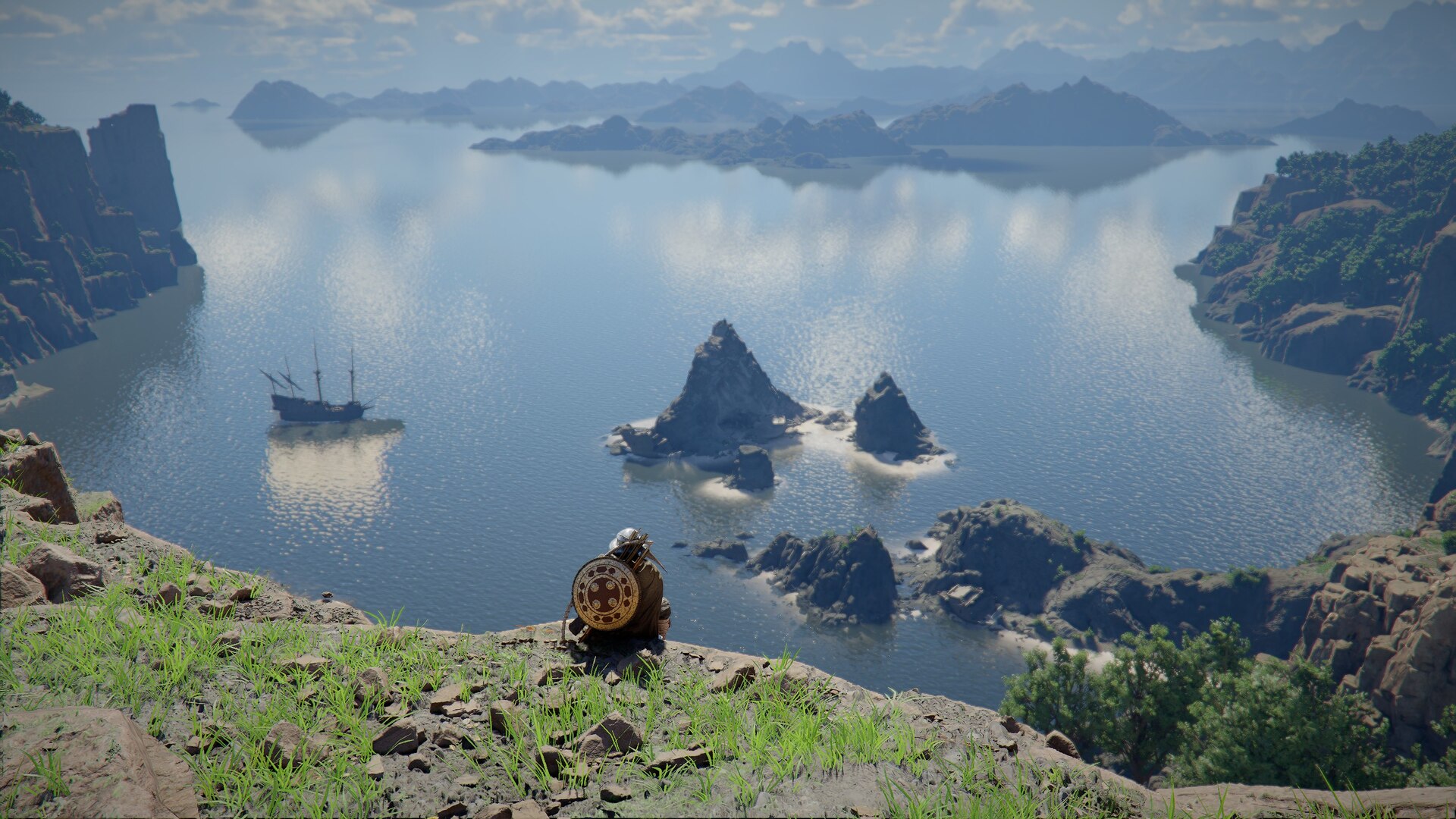
Environmental detail is consistently impressive, especially in natural landscapes where terrain geometry, vegetation density, and texture quality combine to create a sense of scale that feels grounded rather than artificial. Grass reacts to movement, water surfaces ripple dynamically, and weather effects such as rain, snow, and fog interact with the environment in ways that extend beyond simple visual overlays. Storms, in particular, stand out as showcases for the engine, with wind affecting trees and visibility in ways that directly influence gameplay.
Character models are equally detailed, with high-resolution textures and complex animation systems that allow for subtle facial expressions and fluid movement during both gameplay and cutscenes. Armor and clothing exhibit realistic physics, reacting to motion and environmental conditions in a way that enhances immersion, although occasional animation stiffness can still break the illusion during more demanding sequences.
One of the most impressive aspects of the visual design is its consistency across scale, as the game manages to maintain a high level of detail whether the player is exploring a wide open landscape or navigating densely populated areas. Draw distances are extensive, allowing players to see far into the horizon without significant pop-in, which reinforces the sense of a continuous, living world.
However, these visual achievements come with trade-offs, as the game’s demanding graphical features contribute heavily to its performance issues. High-end hardware is required to experience the game at its best, and even then, maintaining stable frame rates can be challenging in complex scenes. This creates a situation where the game’s visual potential is undeniable, but not always fully accessible in practice.
Artistically, the game strikes a balance between realism and stylization, avoiding overly exaggerated fantasy elements in favor of a grounded aesthetic that supports its tone. This decision helps unify the visual presentation, but it can also make certain environments feel less distinctive than they might have been with a more stylized approach.
Open World Design
The world of Pywel is one of the game’s most impressive achievements, offering a vast and visually diverse landscape that consistently invites exploration. From dense forests and rugged mountains to bustling settlements and war-torn regions, the variety of environments ensures that the world rarely feels repetitive, even over extended play sessions.
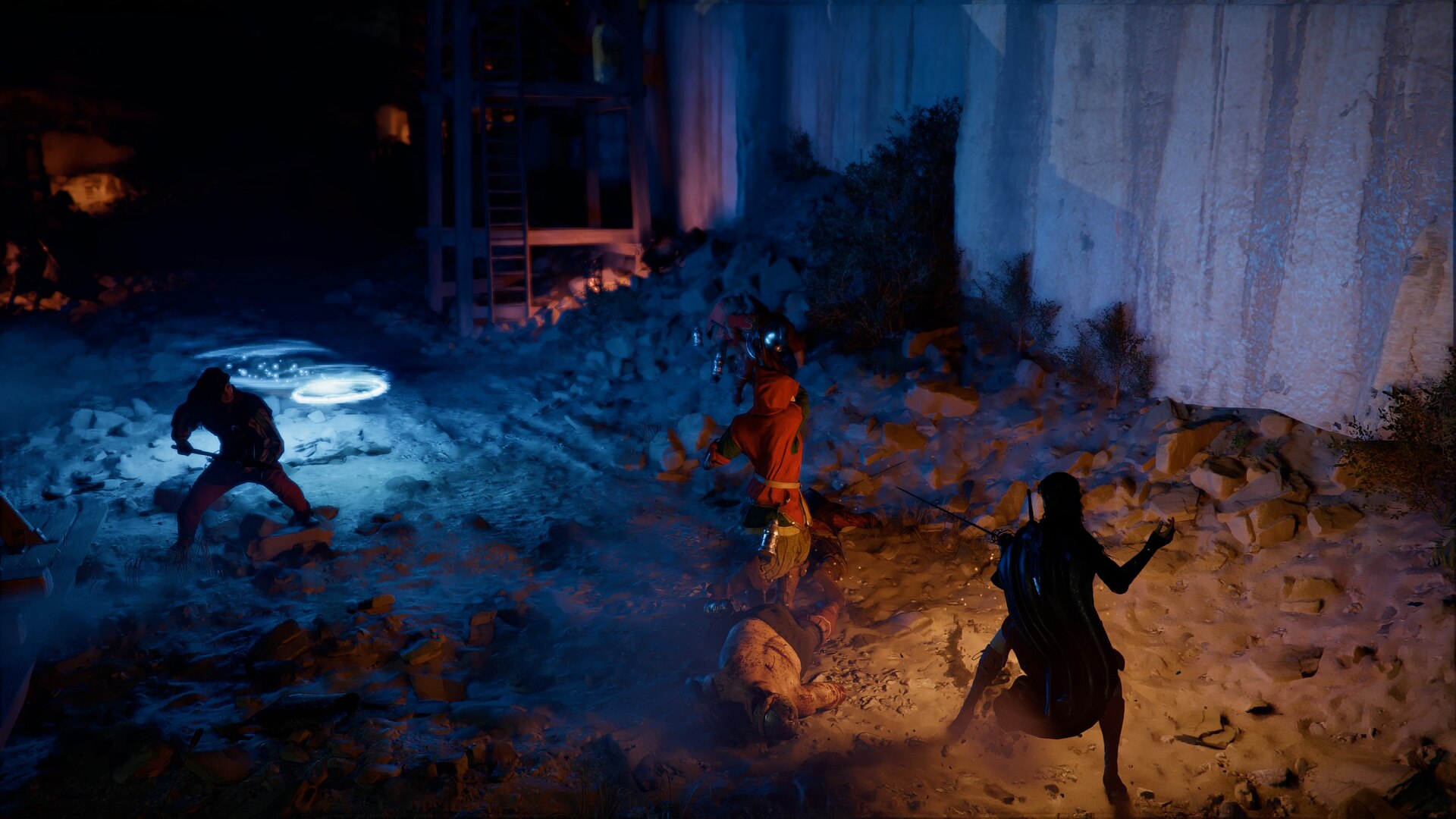
What sets the game apart is the degree to which the environment interacts with gameplay systems, as weather conditions, terrain, and time of day all influence how encounters unfold. Rain can transform battlefields into muddy terrain that affects movement, while temperature extremes impact stamina and survival, adding layers of realism that go beyond visual presentation.
Traversal is equally flexible, allowing players to approach the world in multiple ways, whether through climbing, gliding, or utilizing a range of mounts that each offer distinct advantages. This freedom reinforces the sense of a living world, where exploration feels organic rather than guided.
However, the scale of the world occasionally works against the experience, as not all regions maintain the same level of density or meaningful content. There are stretches where exploration feels less rewarding, with activities that lack the depth or variety needed to sustain engagement. This inconsistency does not undermine the overall design, but it does highlight the challenges of maintaining quality across such a large space.
Progression and Customization
Progression in Crimson Desert is built around a combination of skill acquisition, gear upgrades, and resource management, with each system feeding into the others in ways that encourage long-term investment. The use of collectible fragments to unlock abilities provides a clear sense of direction, while also tying progression to exploration and combat in a cohesive manner.
Customization is present but somewhat limited in certain areas, particularly when it comes to character creation, which does not offer the level of flexibility some players might expect from a modern RPG. Visual customization options exist, but they are relatively restrained compared to the depth found in other systems.
Gear progression, on the other hand, offers more meaningful choices, as weapons and armor can be upgraded and modified to suit different playstyles. This allows players to experiment with builds and adapt to different challenges, although balancing issues can occasionally disrupt the sense of progression, particularly in encounters that feel disproportionately difficult.
The overall system is effective, but it does not always feel evenly tuned, as some upgrades provide significant benefits while others offer only marginal improvements, creating moments where progression feels less rewarding than it should.
Audio and Presentation
The audio design complements the game’s atmosphere effectively, with a soundtrack that adapts to different situations without drawing unnecessary attention to itself. Music transitions smoothly between exploration and combat, enhancing immersion without overwhelming the experience.
Sound effects are detailed and impactful, particularly in combat, where the weight of weapons and the intensity of clashes are conveyed through carefully designed audio cues. Environmental sounds further contribute to the sense of a living world, reinforcing the game’s emphasis on realism.
Voice acting is competent, delivering believable performances that support the narrative without elevating it significantly. While there are moments of strong delivery, the overall quality remains consistent rather than exceptional.
Presentation is one of the game’s stronger aspects, with cinematic sequences that blend seamlessly into gameplay, creating a cohesive experience that maintains immersion even during transitions.
Technical Performance on PC
Technically, Crimson Desert is a study in contrasts, combining striking visual ambition with a level of inconsistency that makes performance one of its most scrutinized aspects. Built on Pearl Abyss’ proprietary BlackSpace Engine, the game is designed to handle large-scale environments, dynamic weather systems, complex physics, and dense AI activity all at once, and while this results in moments of impressive technical spectacle, it also places a heavy and sometimes uneven load on PC hardware.
The game is relatively scalable across a range of systems, offering adjustable settings that allow it to run on mid-range hardware at lower resolutions and reduced visual quality, while clearly targeting high-end configurations for its intended experience. Achieving stable performance at 1080p with medium settings is generally possible on older GPUs, but pushing the game to higher settings or resolutions quickly reveals its demanding nature. For 1440p and above, maintaining consistent frame rates often requires modern GPUs in the upper mid-range or high-end category, particularly if advanced visual features are enabled.
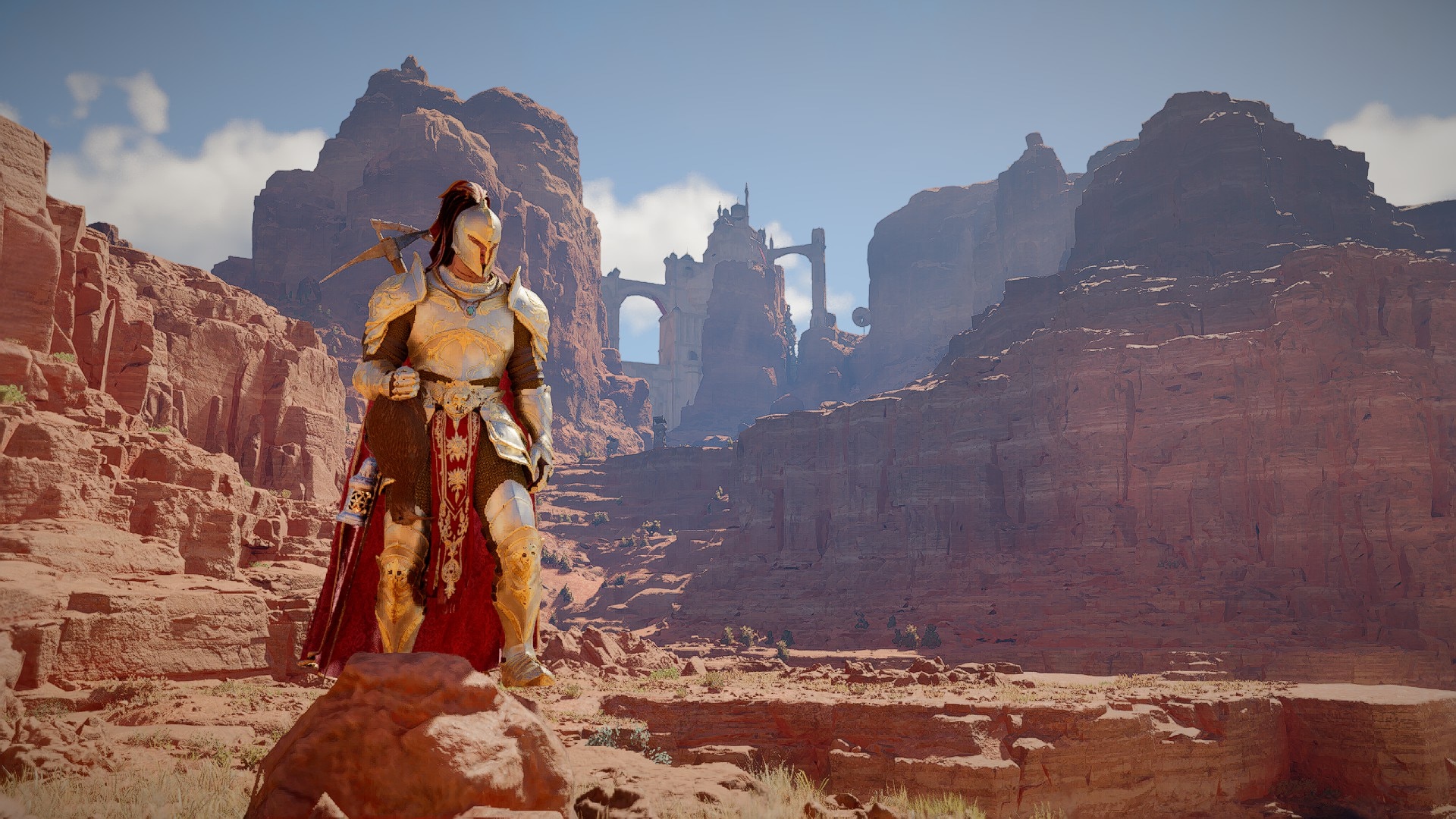
In real-world use, performance consistency proves to be a greater issue than raw frame rate. While the game can deliver smooth performance in less demanding areas, it frequently struggles with frame pacing during large-scale battles, densely populated regions, or moments where multiple systems—such as physics interactions, weather effects, and AI behaviors—are active simultaneously. These situations can introduce noticeable frame drops and occasional micro-stuttering, which disrupt the overall flow of gameplay even on otherwise capable systems.
Upscaling technologies such as DLSS and FSR are essential tools rather than optional enhancements, especially for players targeting higher resolutions. They provide meaningful improvements in performance, but they do not completely resolve underlying stability issues. Frame generation can help increase perceived frame rates, yet it does not fully eliminate inconsistencies in responsiveness during more demanding sequences, making performance feel less stable than raw numbers might suggest.
Memory and storage demands are also firmly in line with modern high-end PC releases. The game benefits from at least 16GB of RAM to maintain stability, particularly in open-world traversal where large amounts of data are streamed continuously. Installation size is substantial, exceeding 100GB, and an SSD is effectively required to ensure smooth asset streaming and minimize loading interruptions, as traditional hard drives struggle to keep up with the engine’s demands.
Compatibility is generally solid across mainstream hardware, although the game’s demanding nature exposes differences in driver optimization and system configurations more than most titles. As a result, performance can vary noticeably between similar setups, depending on factors such as CPU capability, memory speed, and background system load.
Since launch, ongoing updates have begun addressing stability concerns and improving optimization, indicating that the current state is not final and will likely evolve over time. Even so, the experience at release makes it clear that Crimson Desert prioritizes technical ambition over immediate polish, delivering moments of impressive visual and systemic complexity while still struggling to maintain consistent performance under pressure.
In its current form, the game’s technical performance reflects the broader experience as a whole: ambitious and at times genuinely impressive, but not yet fully refined, requiring both capable hardware and a degree of patience to fully appreciate what it is trying to achieve.
Final Verdict: 7.5/10
What ultimately defines Crimson Desert is not just its scale, but the sheer density of ideas packed into every layer of its design, as it attempts to merge cinematic storytelling with systemic gameplay and a reactive open world in a way that few modern RPGs even attempt. This ambition results in a game that is constantly engaging on a mechanical level, yet not always cohesive in how those mechanics come together, creating an experience that can feel as overwhelming as it is impressive.
There are moments when everything aligns, allowing the game’s systems, world design, and combat to work in harmony, producing sequences that feel dynamic, immersive, and genuinely memorable in a way that sets it apart from more conventional titles. These moments highlight what Crimson Desert is capable of achieving when its ideas are fully realized, offering a glimpse of a game that could stand among the best in the genre.
At the same time, those highs are frequently offset by inconsistency, whether in the form of uneven pacing, overly complex systems, or technical limitations that disrupt immersion at critical moments. The game often feels like it is asking the player to meet it halfway, requiring patience and a willingness to engage with its rough edges rather than smoothing them out through design refinement.
This is not a universally accessible experience, nor does it seem particularly interested in being one, as it prioritizes depth and ambition over clarity and balance. For players who are willing to invest the time and effort to understand its systems, there is a rewarding and often unique RPG buried beneath the friction, offering a level of systemic interaction and world reactivity that is genuinely rare. For others, it may feel like a game that could have benefited from greater focus, tighter design, and more extensive polish before release.
In its current state, Crimson Desert stands as both an impressive achievement and a missed opportunity, delivering enough originality and scale to make it worth experiencing while falling short of the consistency needed to elevate it into something truly exceptional.