When Bungie announced Marathon, the reaction was complicated. The name carries a lot of weight. The original Marathon trilogy from the mid-1990s helped establish Bungie as a studio capable of combining fast-paced shooter mechanics with ambitious storytelling and world-building. Long before Halo made the company famous, Marathon was already experimenting with deeper narrative elements, artificial intelligence characters, and environmental storytelling that felt unusually sophisticated for the time.
Because of that legacy, expectations surrounding the new Marathon were never going to be simple. Instead of continuing the series as a traditional story-driven shooter, Bungie has taken the franchise in an entirely different direction. The modern Marathon is a multiplayer extraction shooter — a genre built around high-stakes PvPvE gameplay where players enter dangerous zones, gather valuable loot, and attempt to escape before losing everything.
Extraction shooters have become increasingly popular in recent years, but they are also notoriously difficult to design well. The genre thrives on tension and risk, yet it can easily become frustrating or inaccessible if those systems are not carefully balanced. Many extraction games lean heavily toward complexity and realism, which can make them intimidating for new players.
Bungie’s approach with Marathon seems aimed at finding a middle ground. The studio brings decades of experience designing polished shooter mechanics, while attempting to streamline the extraction formula so it feels less punishing and easier to understand.
After spending a significant amount of time with the PC version, Marathon emerges as a fascinating blend of accessibility and tension. It is polished in many ways, occasionally rough in others, and still clearly evolving. What it does best, however, is create moments of genuine suspense — the kind of unscripted situations that make multiplayer games memorable long after the match ends.

Setting and World
Marathon takes place in the year 2893 on Tau Ceti IV, a distant colony that once represented one of humanity’s most ambitious expansion projects. The colony was built around the massive Marathon ship, which served both as a transportation vessel and a central hub for the settlement. At some point in the past, however, the entire region went silent. The colony collapsed under mysterious circumstances involving alien activity, technological failures, and internal conflicts.
By the time players arrive, Tau Ceti IV has become a dangerous and largely abandoned zone. Corporations and factions from Earth have begun sending cybernetic operatives known as Runners to recover valuable resources, data, and alien artifacts scattered across the planet.
Rather than presenting its story through traditional cutscenes or a linear campaign, Marathon relies heavily on environmental storytelling and gradual narrative reveals. Players encounter fragments of information during missions: abandoned terminals, strange technological remnants, and subtle hints about the catastrophic events that destroyed the colony.
This style of storytelling encourages curiosity. Instead of being told exactly what happened, players slowly assemble the larger picture through small discoveries. Some matches may reveal nothing new at all, while others uncover pieces of lore that deepen the mystery. At the same time, this approach can make the narrative feel distant. Players who prefer a clear, structured storyline may find Marathon’s storytelling a bit too subtle. There are moments where the setting feels rich with potential but slightly underexplored.
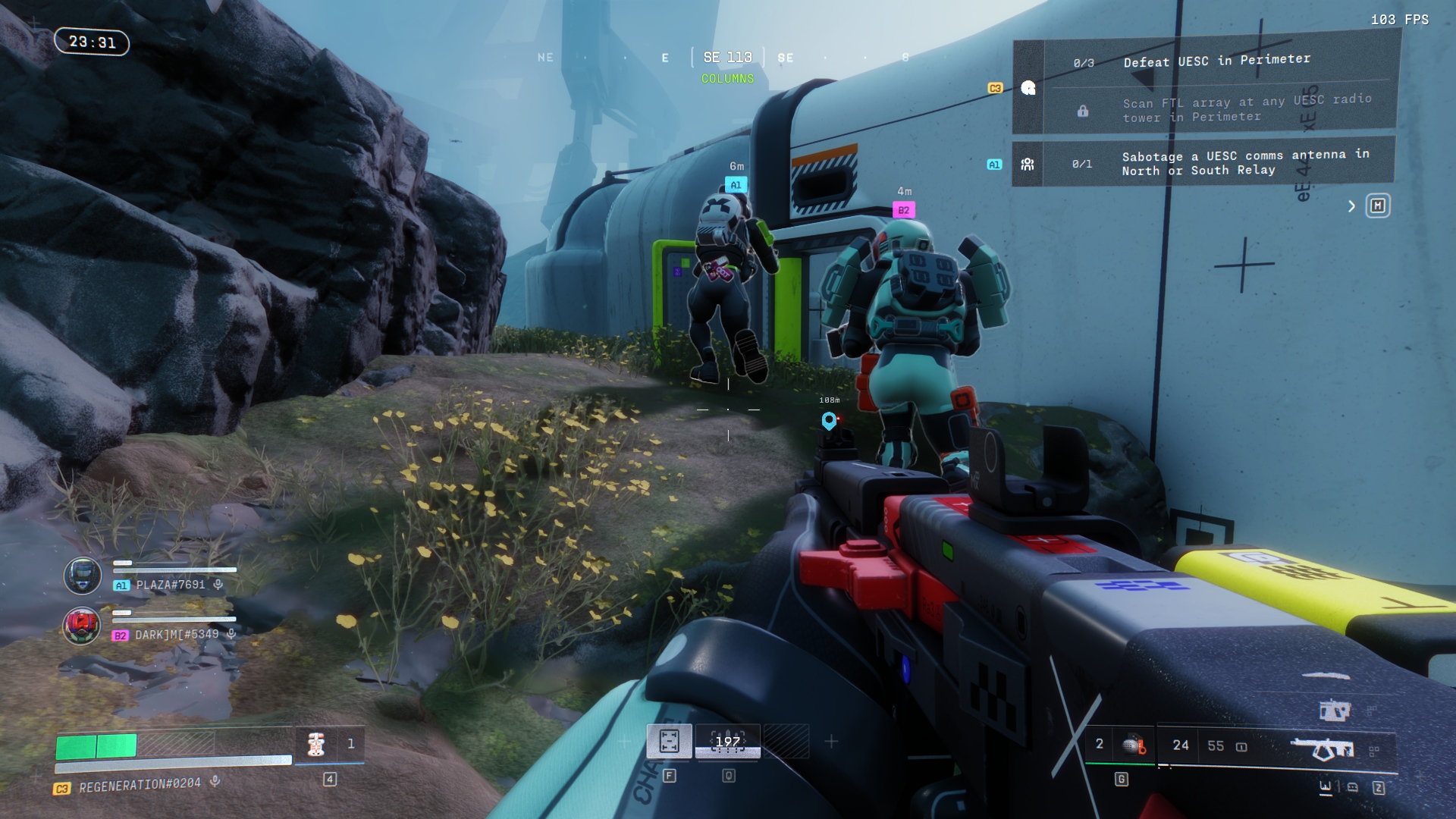
Even so, the atmosphere of Tau Ceti IV is one of the game’s strongest elements. The environments feel eerie and unpredictable. Massive research facilities sit abandoned, their corridors illuminated by flickering lights. Alien growths spread through industrial complexes. Broken machinery and strange artifacts hint at experiments that may have gone terribly wrong. The result is a world that feels unsettling and mysterious, even when the game isn’t actively telling a story.
Gameplay and Mechanics
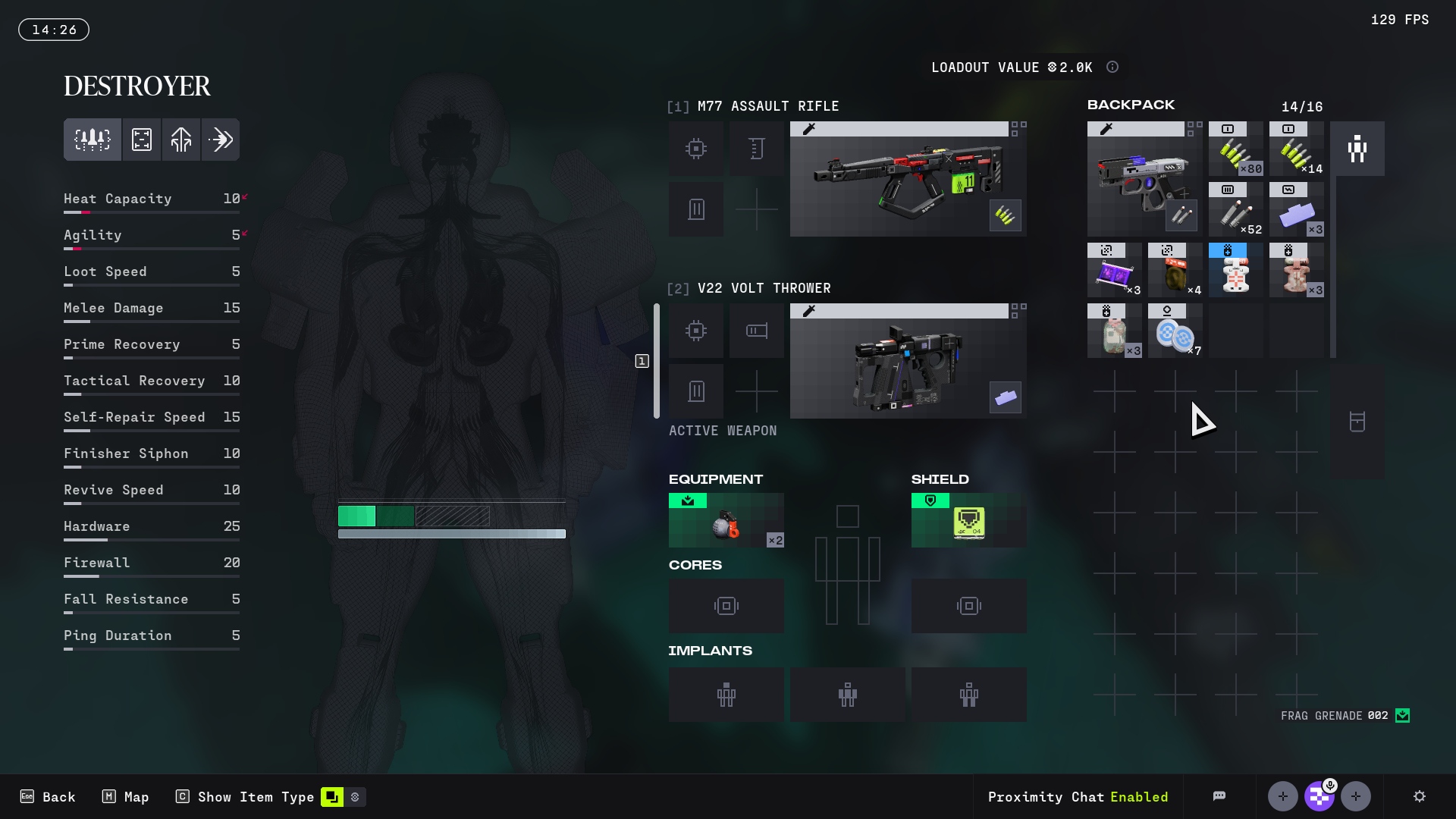
At its core, Marathon revolves around the extraction shooter loop. Players enter a match equipped with a chosen Runner shell, weapons, and gear from their personal inventory. Once deployed into the map, the objective is simple: explore the environment, collect valuable loot, complete objectives, and successfully reach an extraction point before other players eliminate you.
If you manage to escape, everything you recovered becomes part of your permanent inventory. If you die, everything you brought with you — including weapons and equipment — is lost. This simple risk-reward structure is what drives the entire experience. Every decision carries consequences. A player who chooses to stay longer in the map may find rare equipment, but also increases the risk of encountering enemy squads.
What makes Marathon interesting is how streamlined the process feels compared to many other extraction shooters. Inventory management is relatively straightforward. Preparing for a run doesn’t require navigating endless menus or micromanaging dozens of small variables. You pick your loadout, deploy, and get into the action quickly.
The pacing of matches also tends to be faster than in many competing games. Instead of slow, methodical survival gameplay, Marathon encourages more active exploration and engagement. Firefights happen frequently, and encounters with other players are common. This faster pace makes the game approachable, but it also shifts the experience slightly closer to a traditional multiplayer shooter. In some matches, the tension of survival gives way to extended firefights that resemble standard PvP combat.
Still, the basic gameplay loop remains compelling. Each match tells its own story. A run that begins as a cautious scavenging mission might suddenly turn into a desperate sprint toward the extraction point after an unexpected firefight. These unpredictable moments are where Marathon shines.
Gunplay
Bungie has always had a reputation for excellent shooter mechanics, and Marathon continues that tradition. The moment-to-moment experience of firing weapons feels refined in a way that only comes from decades of iteration. Weapons feel distinct without becoming overly complicated. Assault rifles deliver consistent mid-range damage, while precision rifles reward careful aim. Shotguns dominate close-quarters encounters, and experimental sci-fi weapons introduce unusual mechanics that keep combat interesting.

Recoil patterns are predictable but not trivial. Skilled players can learn to control their weapons effectively, while less experienced players still have a chance in chaotic fights. This balance makes gunfights feel fair and skill-based without being overly punishing. Another strength of Marathon’s combat is clarity. Visual and audio feedback make it easy to understand what is happening during a firefight. When bullets land, the impact is noticeable. When shields break or armor fails, the game communicates it clearly.
Movement also plays a significant role in combat. Players can sprint, slide, and reposition quickly, which encourages dynamic engagements rather than static firefights. Positioning and timing often matter more than raw reflexes. Close-range battles can end quickly, especially when both sides are carrying powerful weapons. At the same time, the time-to-kill is balanced carefully enough that skilled players can react and recover from mistakes.
The result is combat that feels both intense and satisfying. Even after many matches, firefights rarely feel repetitive because the combination of different weapons, player abilities, and environmental layouts keeps encounters unpredictable. Simply put, Marathon is extremely fun to shoot in. That mechanical polish is one of the biggest reasons the game remains engaging even when other aspects feel slightly underdeveloped.
Runner Shells and Player Builds
Instead of traditional character classes, Marathon introduces a system built around Runner shells. These shells represent cybernetic bodies that players inhabit during matches, each with its own unique strengths and abilities. Some Runner shells are designed for aggressive combat, offering enhanced durability or offensive tools that make them effective in direct firefights. Others focus on mobility or stealth, allowing players to move through the environment more quietly or evade enemy squads.
This system adds a layer of strategic depth to the game. Choosing the right Runner shell can significantly influence how a match unfolds. A stealth-focused build might prioritize avoiding combat and gathering resources quietly, while a combat-oriented shell may be better suited for engaging other squads. Equipment and weapons further expand these playstyles. Different combinations of gear can create builds tailored for scouting, survival, or direct combat.
One of the strengths of the system is that it remains relatively accessible. The number of variables involved in building a character is manageable, and players can experiment with different setups without needing extensive research. However, balance is still evolving. Some Runner shells clearly outperform others in specific situations, particularly in coordinated team play. Certain abilities can provide major advantages during firefights, which means that competitive players quickly gravitate toward the most effective options. This imbalance is not unusual for a newly released multiplayer game, and it will likely improve as patches and updates adjust the available builds.
Maps and Exploration
Marathon’s maps are designed to encourage exploration while maintaining constant tension. Each environment contains a network of corridors, open areas, and hidden pathways that create multiple approaches to every location. Some sections of the maps resemble abandoned industrial facilities, filled with narrow hallways and machinery that create close-quarters combat scenarios. Other areas open into larger outdoor spaces where long-range engagements become possible.
Verticality also plays an important role. Elevated platforms, rooftops, and multi-level structures allow players to gain tactical advantages or escape dangerous situations. Exploration is rewarded with hidden loot caches, rare equipment, and mission objectives scattered throughout the environment. Players who take the time to learn the layout of each map can discover efficient routes that maximize rewards while minimizing risk.

AI enemies populate many areas, adding additional hazards to the environment. These enemies may not always be the primary threat, but they can create chaos during firefights by drawing attention to player positions or forcing squads into difficult situations. One of the most interesting aspects of Marathon’s maps is how they support different playstyles. Aggressive players can hunt for other squads, while cautious players may focus on quieter sections of the map to gather resources.
The main limitation at launch is variety. While the existing maps are thoughtfully designed, the number of environments available is relatively small. Extraction shooters rely heavily on replayability, and map diversity plays a major role in maintaining long-term interest. Bungie has already indicated that additional maps will be introduced over time, which will be crucial for keeping the game fresh.
PvP and PvE Balance
Although Marathon is technically a PvPvE game, the balance between those elements leans heavily toward player-versus-player combat. AI enemies exist primarily as environmental hazards. They patrol certain areas and defend valuable loot, but experienced players often view them as obstacles rather than central challenges. The real danger comes from other squads.
Encounters between players can happen anywhere on the map. Sometimes they occur unexpectedly during exploration, while other times they erupt around extraction points where multiple teams converge. These moments create some of the most intense experiences in the game. Knowing that another squad might be carrying valuable loot — and that defeating them could instantly improve your own inventory — adds an extra layer of tension to every encounter.
At the same time, these fights can be unpredictable. A team that appears weaker may still win through clever positioning or well-timed abilities. Proximity voice chat occasionally adds another dimension to these encounters. Players can communicate directly during matches, leading to temporary alliances, tense negotiations, or outright deception. While PvE elements could be expanded in future updates, the current balance ensures that human opponents remain the primary threat.
Seasonal Progression
Marathon uses a seasonal progression system that resets most player progress every few months. When a new season begins, the in-game economy and equipment inventories are effectively wiped, giving all players a fresh start. This system is common in extraction shooters because it prevents the long-term accumulation of wealth and gear from creating permanent imbalances between new and veteran players.
For some players, however, these resets can feel discouraging. Losing hard-earned equipment may reduce the sense of long-term progression. On the positive side, seasonal resets keep the experience dynamic. Each new season introduces new challenges, narrative elements, and balance adjustments that reshape the gameplay environment. Whether players enjoy this structure will likely depend on their expectations. Those who prefer competitive balance may appreciate the clean slate, while others may wish for more persistent progression.
Visual Design and Art Direction
One area where Marathon stands out immediately is its visual identity. Instead of pursuing photorealism, the game embraces a bold, stylized sci-fi aesthetic. Bright neon colors contrast with stark industrial environments. Clean geometric shapes and futuristic architecture create a world that feels both alien and technological.
The design of the Runner shells reinforces the idea that these characters are more machine than human. Their cybernetic forms look sleek and powerful, often resembling advanced drones or robotic soldiers rather than traditional infantry. Environmental design is equally impressive. Even small areas of the map contain visual storytelling elements that hint at the colony’s collapse. Together, these artistic choices give Marathon a distinctive look that separates it from many other shooters on the market.
Sound Design and Music
Sound design plays a critical role in Marathon’s gameplay. Because the game revolves around tension and situational awareness, audio cues often provide vital information. Footsteps echo differently depending on the environment, allowing attentive players to detect nearby movement. Gunfire can be heard across large sections of the map, drawing attention to ongoing firefights.
Weapons sound powerful and distinct. Each gun has a recognizable audio profile, making it easier to identify threats even before they appear on screen. The soundtrack takes a more atmospheric approach. Electronic music and ambient tones quietly build tension during exploration, occasionally intensifying during combat encounters. The overall audio experience contributes significantly to the sense of immersion.

Technical Performance
On PC, Marathon performs impressively well. The game offers a wide range of graphical settings that allow players to tailor the experience to their hardware. Mid-range systems can achieve stable frame rates with moderate settings, while high-end PCs can push visual quality much further without sacrificing performance. The PC version also benefits from customizable controls, field-of-view adjustments, and support for high refresh rate displays.
Load times are relatively short, and matches begin quickly after deployment. Network stability is generally strong, which is essential for a competitive multiplayer game where split-second reactions can determine the outcome of a firefight. While occasional bugs or minor interface issues appear from time to time, the overall technical performance is solid.
Final Verdict: 8/10
Marathon represents a bold reinvention of a classic franchise. Instead of revisiting its past directly, Bungie has used the Marathon name as a foundation for something entirely different. As an extraction shooter, the game succeeds in several key areas. The gunplay is excellent, the visual design is striking, and the core gameplay loop consistently creates tense and memorable moments.
At the same time, Marathon still feels like a game at the beginning of its journey. The current selection of maps is somewhat limited, PvE elements could be expanded, and the seasonal reset system may not appeal to every player. Despite these shortcomings, the foundation is extremely strong. Bungie has created a shooter that feels polished, distinctive, and capable of producing the kind of unpredictable multiplayer stories that keep players coming back.
If future updates continue expanding the world of Tau Ceti IV while refining the game’s systems, Marathon could easily grow into one of the most interesting multiplayer shooters of this generation. For now, it stands as a promising and engaging entry in the extraction genre — one that is already capable of delivering thrilling, high-stakes gameplay.