Terra Invicta is an unusually ambitious grand strategy game that seeks to model humanity’s response to first contact not as a heroic space opera, but as a slow, fragmented, and politically fraught process. Developed by Pavonis Interactive, a studio best known for its work on the Long War mod for XCOM, the game bears the hallmarks of its creators’ design philosophy: systemic depth, long-term planning, and a willingness to challenge players rather than accommodate them.
Instead of granting direct control over armies or nations, Terra Invicta places the player at the head of a clandestine global faction operating in the shadows. Governments remain nominally sovereign, but their policies, priorities, and allegiances are shaped through influence, manipulation, and pressure. This indirect approach immediately distinguishes the game from more conventional strategy titles and establishes its central theme: power is rarely exercised openly, and history is often shaped by unseen actors working over decades rather than decisive moments of conquest.

The tone is grounded and serious, drawing more from contemporary political thrillers and hard science fiction than from pulp sci-fi fantasy. The alien presence looms ominously in the background for much of the early game, creating a persistent sense of dread and uncertainty rather than immediate spectacle. This restraint defines Terra Invicta as a game concerned with plausibility and consequence, even when dealing with extraordinary circumstances.
Gameplay Structure
At its foundation, Terra Invicta is built around two major strategic layers that operate in constant dialogue with one another. The first takes place on Earth, where the player uses agents to infiltrate governments, shape public opinion, manage economies, and undermine rival factions. Nations are not static entities but evolving systems influenced by inequality, cohesion, unrest, and economic performance. Maintaining control requires ongoing investment and careful balancing, as overreach or neglect can quickly lead to instability or loss of influence.
This Earth-based layer functions less like traditional empire-building and more like a grand political simulation. Military power matters, but it is rarely the primary lever of control. Instead, success depends on understanding how national priorities interact with faction goals and how global events ripple across borders. Diplomatic maneuvering, intelligence operations, and long-term economic development are often more decisive than brute force.
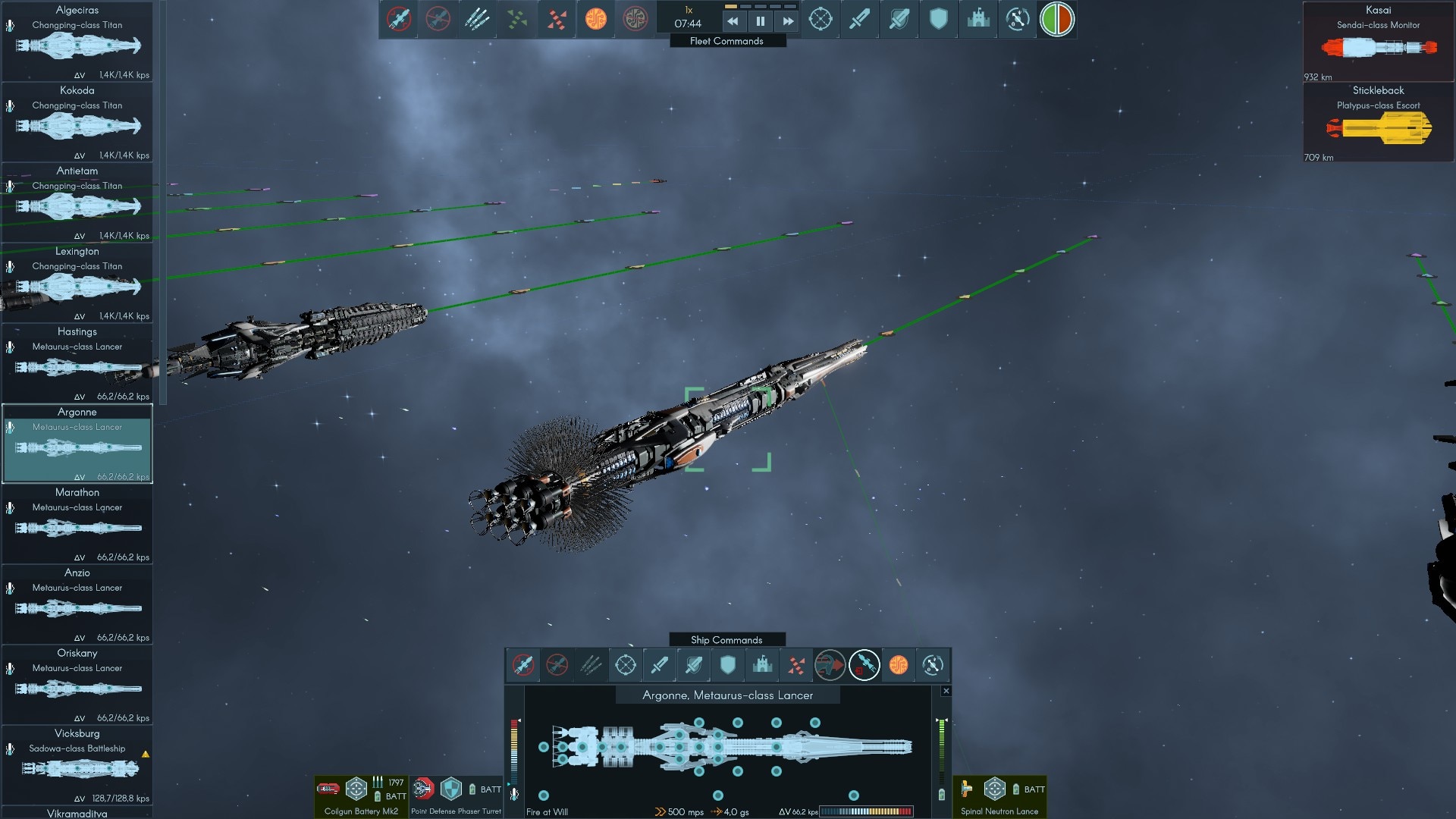
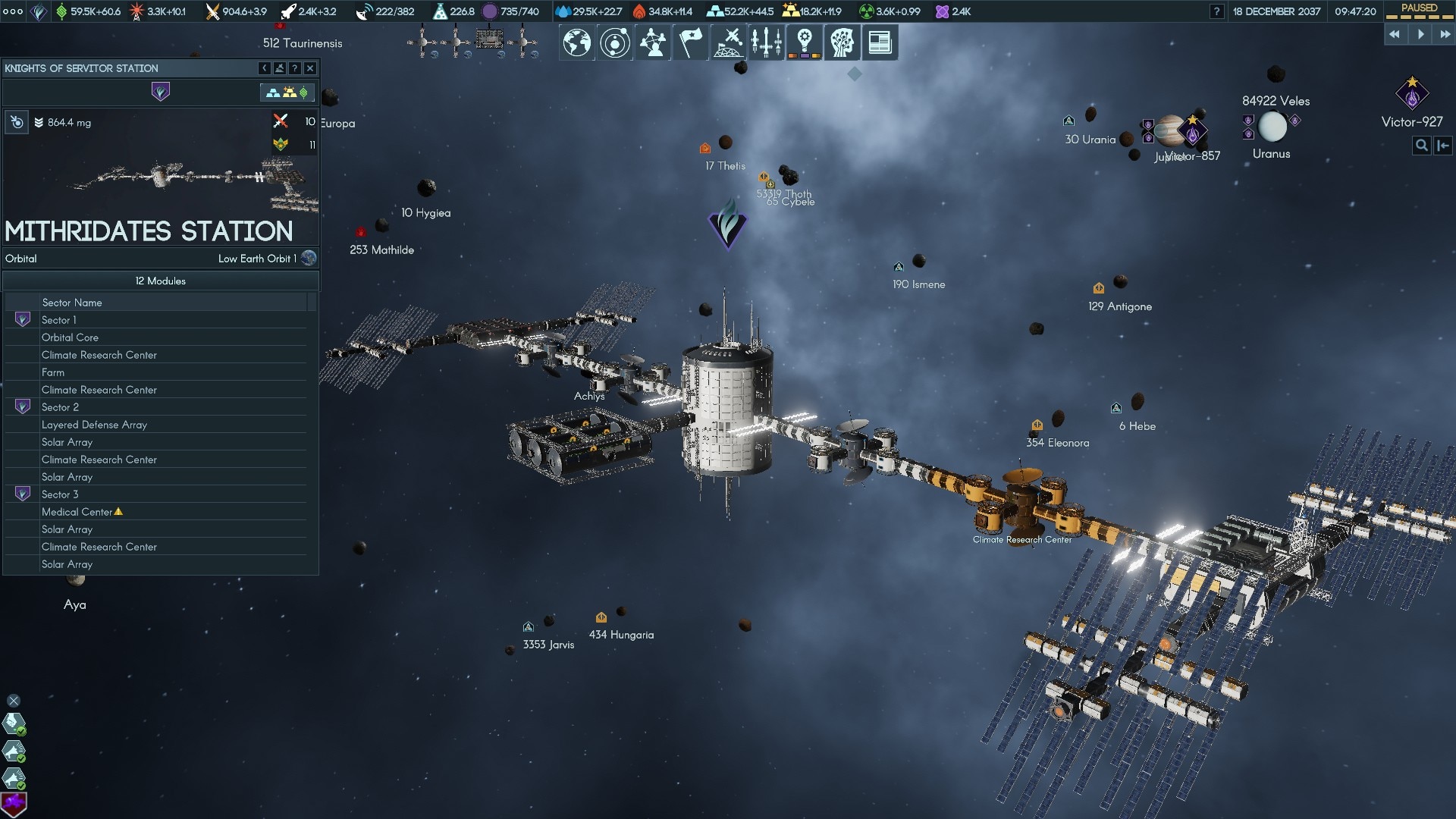
The second layer expands outward into the solar system, introducing an equally detailed model of space exploration and industrialization. Players construct orbital habitats, research stations, mining complexes, and shipyards, gradually building a spacefaring infrastructure capable of supporting fleets and defending against alien incursions. This side of the game emphasizes realism, with propulsion technologies, fuel efficiency, and travel times playing a critical role in strategic decision-making.
What elevates Terra Invicta is the extent to which these layers are interdependent. Political dominance on Earth enables space expansion through funding and research, while access to extraterrestrial resources reshapes terrestrial power dynamics. A setback in orbit can reverberate through Earth’s economies, just as political collapse at home can cripple space operations. This feedback loop gives the game a sense of coherence and weight rarely found in titles of comparable scope.

Factions and Narrative Design
The seven playable factions in Terra Invicta represent competing ideological responses to the alien threat, each grounded in a distinct worldview. Some see resistance as a moral imperative, others view cooperation or appeasement as pragmatic, while more radical groups pursue domination or escape from Earth altogether. These factions are not mere cosmetic differences; they fundamentally alter strategic priorities, diplomatic relationships, and long-term objectives.
Narrative delivery is understated and largely emergent. Rather than scripted storylines or cinematic set pieces, the game allows history to unfold organically through player actions, faction conflicts, and global events. The result is a narrative that feels personal and reactive, shaped by hard choices and unintended consequences rather than predetermined arcs.
This approach places significant trust in the player, asking them to interpret events and assign meaning to outcomes. While this may feel sparse to players accustomed to heavily scripted experiences, it aligns perfectly with the game’s simulation-driven design and enhances replayability. Each campaign becomes a unique chronicle of humanity’s fractured response to an existential crisis.
Systems Depth, Accessibility, and Pacing
The defining characteristic of Terra Invicta is the sheer depth of its interconnected systems. Virtually every aspect of the game—from national economies and research priorities to spacecraft design and orbital logistics—is governed by layered mechanics that interact in complex ways. This creates a strategic environment in which planning ahead is essential and short-term gains often carry long-term costs.
For players who enjoy mastering intricate systems, this depth is profoundly satisfying. Over time, patterns emerge, strategies coalesce, and decisions begin to feel informed rather than reactive. The sense of intellectual engagement is one of the game’s greatest strengths, offering rewards that few strategy titles can match.
At the same time, this complexity creates a formidable barrier to entry. Tutorials and in-game explanations provide a foundation, but they struggle to convey how systems interlock at scale. New players may spend dozens of hours simply learning how to interpret the game’s feedback and anticipate consequences. The user interface, while comprehensive, often presents information in dense clusters that can be difficult to parse, especially during high-pressure situations.
Pacing further reinforces the game’s demanding nature. Early phases are intentionally slow, focusing on groundwork rather than dramatic conflict. This measured tempo reinforces the theme of gradual escalation but risks alienating players who expect early momentum. As the campaign progresses, the pace accelerates, and the burden of micromanagement increases substantially. Managing sprawling space infrastructure alongside global political operations can become mentally taxing, though it also reinforces the sense that the player is overseeing a civilization-spanning enterprise.
Presentation and Technical Performance
Visually, Terra Invicta adopts a restrained, utilitarian aesthetic. Maps, menus, and overlays prioritize functionality and data density over stylistic flourish. While this approach supports the game’s complex systems, it does little to soften the learning curve or create immediate visual appeal. Space environments and orbital installations occasionally offer moments of visual interest, but spectacle is clearly not the focus.
Audio design is similarly subdued. The soundtrack and sound effects serve to reinforce atmosphere rather than command attention, maintaining a tone of seriousness and tension throughout long play sessions. Voice work and narrative elements are minimal, placing emphasis squarely on player-driven outcomes.
Technically, the game performs reliably across most of its runtime, though the computational demands of late-game simulations are noticeable. Turn resolution and save times can increase significantly as the scope of the player’s empire expands. These slowdowns are understandable given the scale of simulation involved, but they nonetheless contribute to the game’s overall sense of weight and deliberation.
Final Verdict: 8/10
Terra Invicta is a demanding, intellectually rigorous grand strategy game that stands apart through its commitment to realism, systemic depth, and long-term consequence. It offers a uniquely grounded vision of humanity’s first contact with an alien civilization, one shaped not by heroic unity but by political fragmentation, ideological conflict, and gradual adaptation.
The game’s steep learning curve, dense interface, and deliberate pacing ensure that it will never appeal to a broad casual audience. However, these same qualities define its identity and give it lasting value for players willing to invest the time required to understand its systems. For dedicated strategy enthusiasts, Terra Invicta delivers a rare sense of authorship over history, where victories feel earned through foresight and restraint rather than momentary brilliance.
In an era where many strategy games favor accessibility and speed, Terra Invicta chooses complexity and patience instead. The result is one of the most ambitious and serious strategy experiences available on PC—challenging, occasionally exhausting, but ultimately unmatched in scope and intent.