For years, Game Freak has been defined by one series. That history makes Beast of Reincarnation more interesting than the average new action RPG, because its biggest achievement is not that it reinvents the genre. It is that it proves the studio behind Pokémon can build something with a completely different identity.
Instead of colorful creatures and turn-based battles, Beast of Reincarnation presents a bleak future Japan where humanity has been pushed to the edge of extinction. It is a game built around sword combat, exploration, and the relationship between Emma, a warrior carrying a mysterious burden, and Koo, her loyal canine companion. Its influences are easy to recognize, particularly in the way it approaches timing-based combat and enemy encounters, but the game’s strongest ideas come from the areas where it stops imitating and starts developing its own personality.
The foundation is surprisingly strong. Combat is deliberate and satisfying, the partnership between Emma and Koo is more meaningful than most companion systems, and the world has a clear artistic identity. The game understands that a good action RPG is not only about flashy attacks; it is about creating situations where the player learns, adapts, and improves.
However, Beast of Reincarnation also exposes the difficulties of entering a genre filled with experienced competitors. Its combat system is often excellent, but the enemies testing that system are not always varied enough. Its world is visually impressive, but exploration rewards do not always match the effort required to find them. Its story creates an intriguing setting, but it sometimes values mystery at the expense of clarity.
The result is an ambitious action RPG that succeeds more often than it fails. It is not the masterpiece that its best moments suggest it could become, but it is one of Game Freak’s most interesting projects because it shows a willingness to take risks rather than rely on familiar formulas.
Story and World
Beast of Reincarnation takes place in a distant future where Japan has been transformed by the Blight, a mysterious force that has scarred both humanity and the natural world. Civilization has collapsed, leaving behind abandoned settlements, forgotten technology, and landscapes where nature has reclaimed what people once built. Isolated communities cling to survival amid the ruins, while corrupted creatures roam a world struggling to recover from a catastrophe that still shapes everyday life.
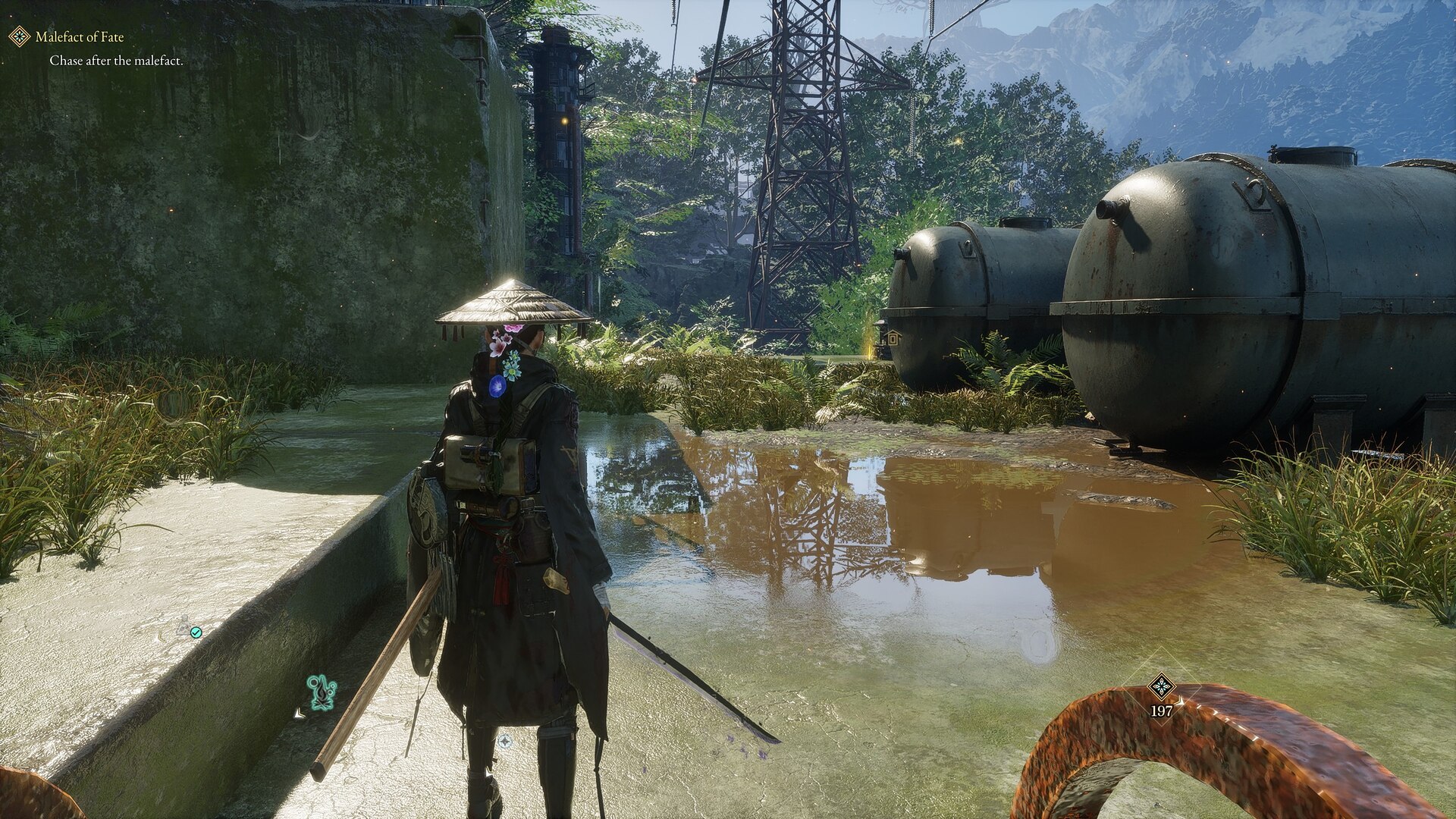
The setting immediately establishes one of the game’s greatest strengths: it feels like a world with a history. The ruins are not simply decorative backgrounds placed between combat encounters. They suggest a civilization that existed long before Emma’s journey began. Overgrown roads, destroyed structures, and remnants of human activity create a sense of discovery that encourages players to look beyond the main path.
Emma’s journey is tied to the Beast of Reincarnation, a mysterious entity connected to the events that shaped the world. The narrative deliberately avoids explaining everything immediately, instead allowing players to piece together information through conversations, exploration, and environmental details.
That approach works when the game focuses on atmosphere. The uncertainty surrounding the world makes exploration more interesting because every location feels like it might reveal another part of the larger story. The problem is that the same restraint occasionally makes the narrative feel underdeveloped. Some questions remain unanswered for too long, and certain parts of the lore are more intriguing in concept than in execution.
Emma herself is a quiet protagonist. She is not written as a character who constantly explains her feelings or delivers dramatic speeches. Instead, her personality comes through her actions and her relationship with Koo. This fits the isolated nature of the setting, although it also means players looking for a more expressive main character may find her distant.
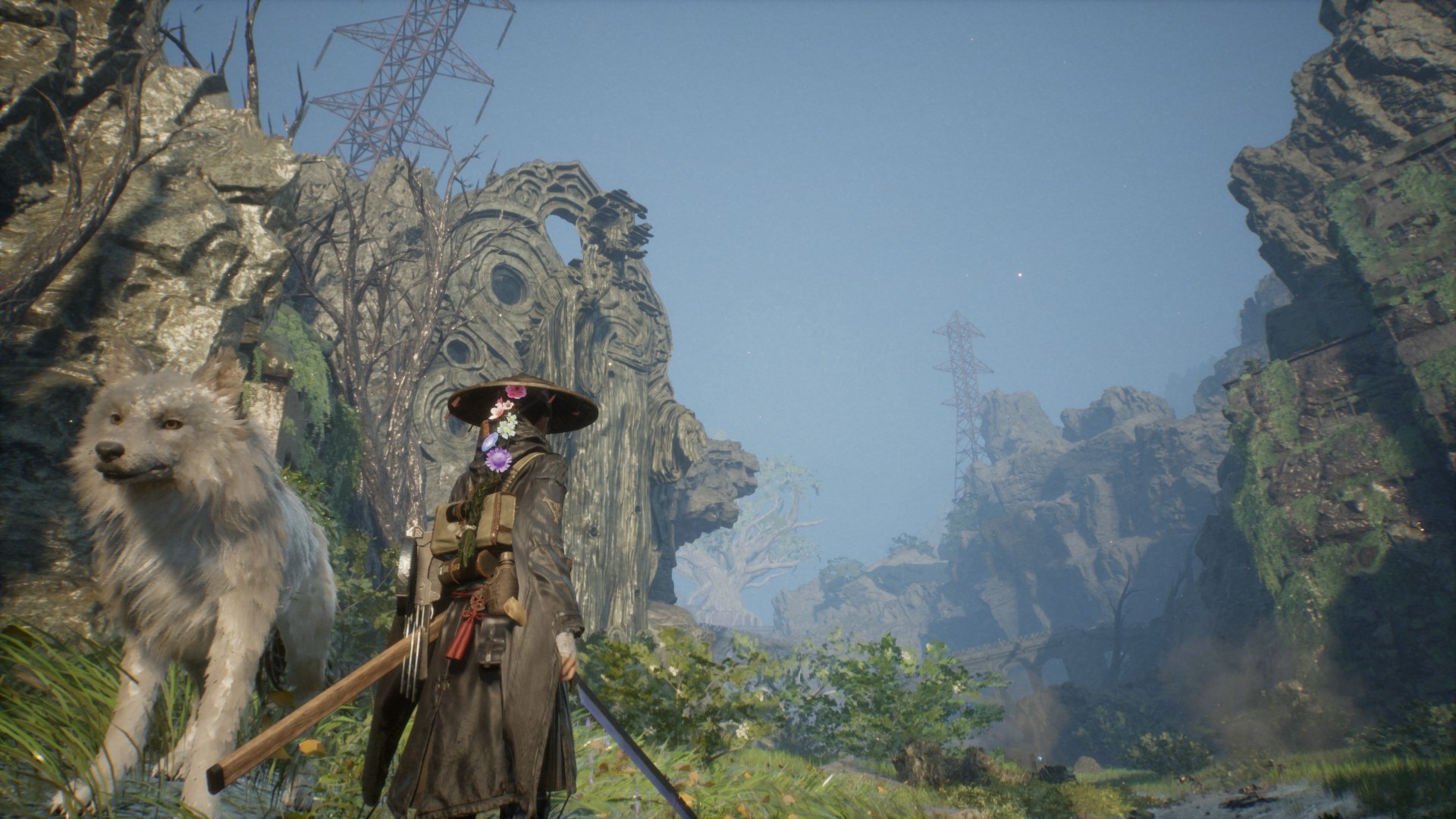
Koo is where the story becomes much more effective. The relationship between Emma and her companion is the emotional center of the game, and it succeeds because it avoids treating the dog as a simple gameplay feature. Their connection develops naturally through their journey together, with small moments carrying more weight than lengthy conversations.
This relationship also benefits from the fact that Koo is important outside of the story. The game does not separate emotional storytelling from gameplay. The same partnership that gives Emma support during the narrative also shapes how players approach combat and exploration.
The supporting characters are less consistent. Some provide valuable insight into the world and its history, while others feel more like brief encounters designed to move the player toward the next objective. The strongest writing remains focused on Emma and Koo rather than the wider cast.
The story ultimately works because of its atmosphere and central relationship rather than its complexity. It creates a memorable setting and gives players a reason to care about the journey, even when some narrative elements feel less developed than they should.
Gameplay and Mechanics
The strongest reason to play Beast of Reincarnation is its combat. The game understands that action RPG combat is not simply about giving players a large collection of abilities. It is about creating a system where every attack, defense, and movement choice has purpose.
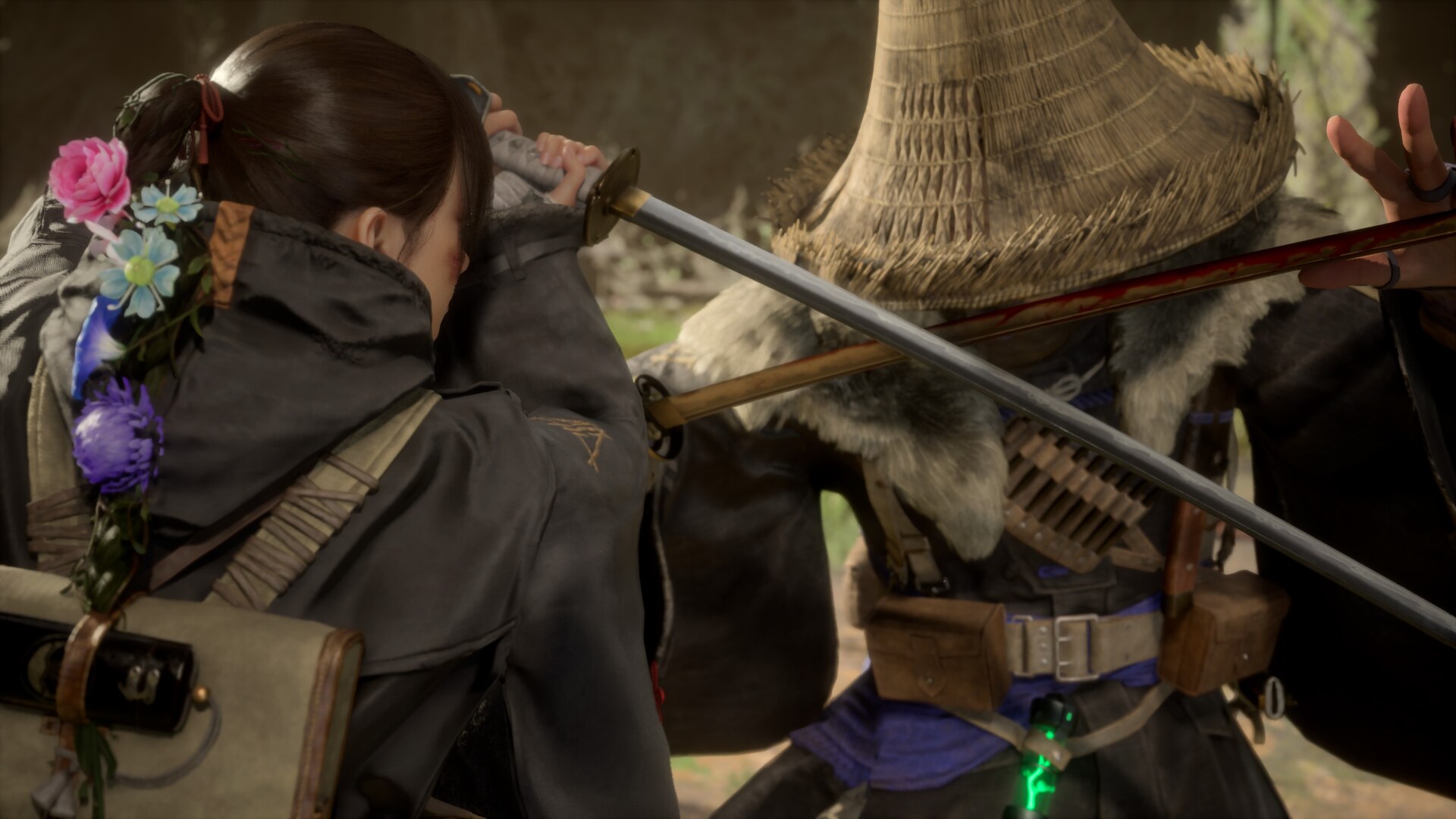
Emma’s katana-based combat revolves around timing and awareness. Enemies are designed around readable patterns, encouraging players to study their behavior instead of attacking without consideration. The result is a combat system where improvement comes from understanding opponents rather than simply becoming stronger.
The parry mechanic is the foundation of this design. Successfully defending at the right moment creates opportunities for counterattacks, making battles feel like a process of finding openings rather than exchanging damage. The system naturally invites comparisons to Sekiro: Shadows Die Twice, but Beast of Reincarnation is less focused on overwhelming difficulty and more interested in making precision feel rewarding.
This balance is one of the game’s biggest successes. The combat demands attention, but it rarely feels like it exists only to punish the player. Mistakes are usually opportunities to learn enemy patterns rather than reasons for frustration.
Emma’s abilities add another layer of flexibility. As the adventure progresses, players unlock new combat options that allow different approaches to encounters. The progression system is not as deep as some dedicated RPGs, but it supports the action instead of distracting from it.
The most distinctive mechanic is Koo’s involvement. Many games introduce companions that exist mainly for story purposes, occasionally helping during specific moments before becoming irrelevant. Beast of Reincarnation avoids that mistake. Koo is integrated directly into combat and exploration.
Players can use Koo to create openings, distract enemies, and support Emma during battles. This changes the rhythm of combat because players are managing more than just their own attacks. The best encounters involve coordinating both characters, making victories feel like the result of teamwork rather than individual skill alone.
Importantly, Koo never removes responsibility from the player. He provides assistance, but Emma remains the character who determines the outcome of most encounters. This balance allows the companion system to enhance the combat rather than replace it.
When everything works together, Beast of Reincarnation delivers some of the most satisfying fights Game Freak has created. The combination of precise timing, character abilities, and Koo’s support gives the game a combat identity of its own.
The problem is that the game does not always provide enough variety to fully exploit that excellent foundation.
Enemy Design and Boss Battles
A great combat system needs enemies capable of challenging it, and this is where Beast of Reincarnation becomes less consistent. The mechanics are strong enough to support a memorable action RPG, but the variety of situations built around those mechanics does not always reach the same standard.
The early sections of the game are the strongest in this regard. New enemy types introduce different problems for the player to solve. Some opponents force careful timing, others pressure Emma with aggressive attacks, and larger creatures demand better positioning. These encounters demonstrate that the developers understand how to make combat more than a simple exchange of attacks.
The issue is that this evolution slows down. As the adventure continues, familiar enemies begin appearing frequently, and the game does not always introduce enough new threats to keep combat feeling fresh. This is not because the enemies are poorly designed. Many remain enjoyable to fight because the core combat mechanics are so responsive. The problem is that the game repeatedly relies on the same ideas instead of pushing the player into new situations.
This becomes especially noticeable because the combat itself creates high expectations. Once players understand how satisfying a perfectly timed parry or carefully planned counterattack can feel, they naturally want enemies that force them to use those skills in new ways. More enemy variety and more complex encounter design could have elevated the experience significantly.
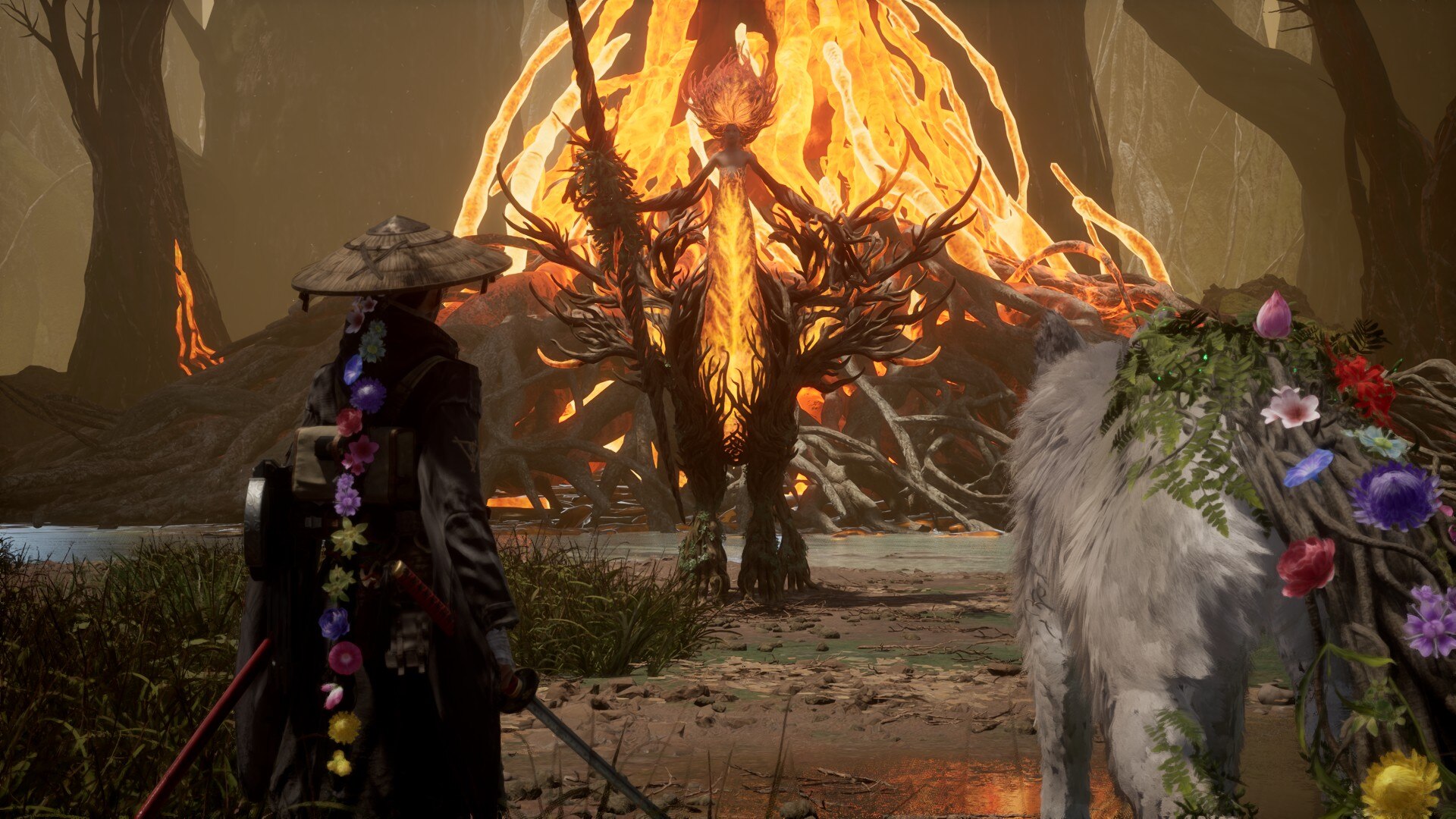
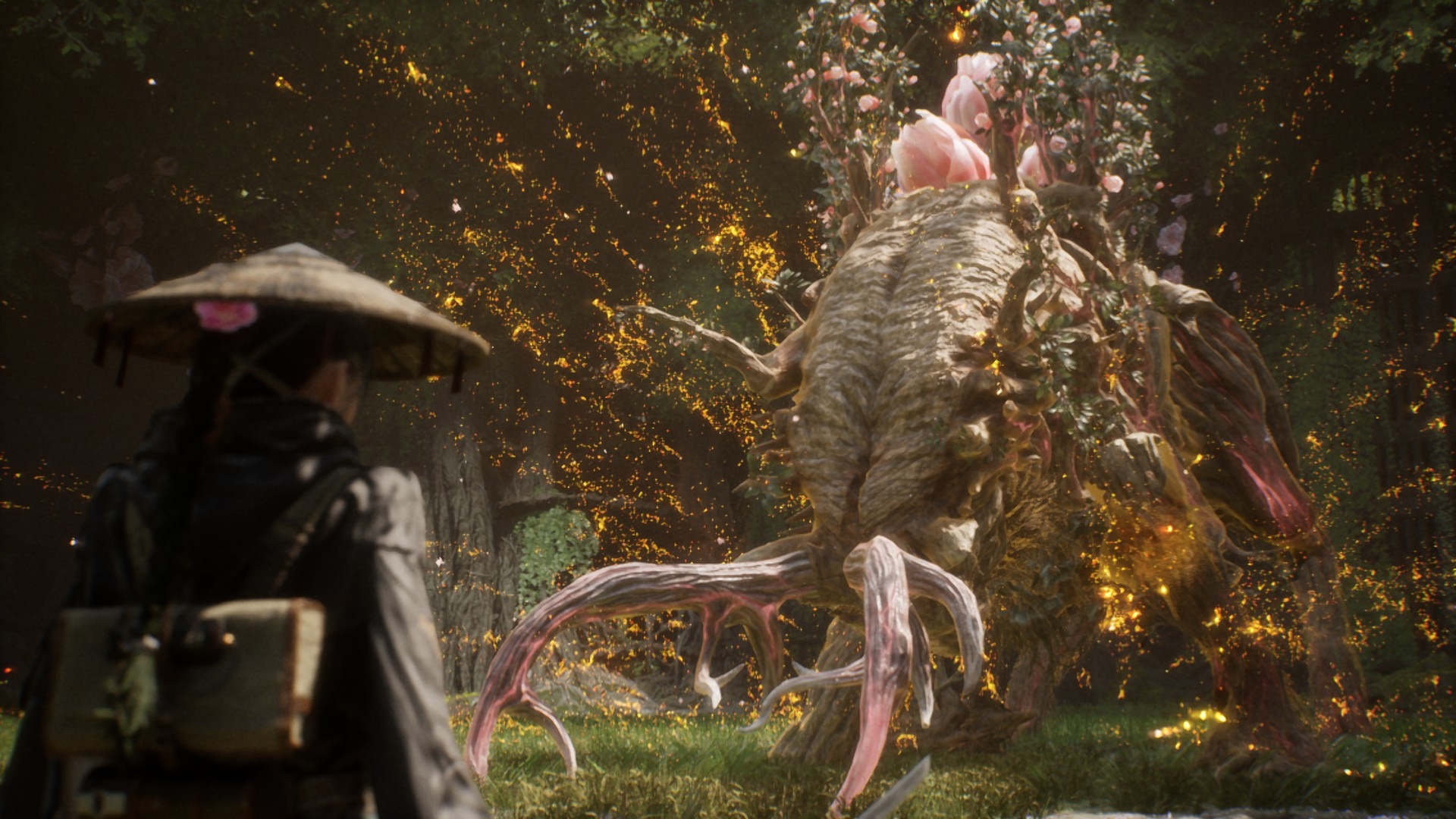
Boss battles are generally where Beast of Reincarnation is at its best. These encounters provide the space for the combat system to fully express itself, making greater use of Emma’s abilities and Koo’s support mechanics than most standard encounters. Rather than simply increasing enemy health, stronger opponents require players to adapt their strategy, recognize new attack patterns, and carefully manage their timing. The best fights reward observation and patience, turning each victory into a satisfying demonstration of skill rather than a simple test of endurance.
The best fights feel like conversations between the player and the enemy. Attacks communicate clear intentions, defensive opportunities are understandable, and victory comes from learning rather than luck. These encounters are the moments where the game feels closest to reaching the potential of its design.
However, even some boss encounters suffer from a similar issue as regular enemies: repetition. The game understands how to create a strong battle, but it does not always build enough variety across the entire campaign. The strongest fights leave a lasting impression, while weaker encounters feel like missed opportunities.
Exploration and Progression
The world of Beast of Reincarnation is one of its most successful elements. While the combat draws attention immediately, the environments are what give the adventure its identity. The game presents a future where civilization has not simply disappeared but has been absorbed into the natural world.
The result is a setting that feels different from many other post-apocalyptic games. Instead of focusing only on destruction and decay, the game creates a contrast between loss and renewal. Ancient structures stand alongside forests and rivers, suggesting that nature has continued even after humanity’s decline.
Exploration is designed with restraint. The game does not overwhelm players with endless icons, side activities, or unnecessary objectives. Instead, it encourages curiosity. Players who investigate their surroundings can discover hidden areas, upgrades, and additional details about the world.
This approach works because the environments themselves are often interesting enough to explore. Reaching a forgotten location or discovering a hidden path can be rewarding simply because of what it reveals.
However, the mechanical rewards are inconsistent. Some discoveries provide useful upgrades or meaningful additions, while others offer less valuable rewards that do not always justify the effort required to find them. The game occasionally creates the feeling that exploration is valuable because of the journey, not necessarily because of what waits at the destination.
The level design also sits between traditional linear action games and open-world structures. It provides enough freedom to encourage exploration while maintaining a clear sense of progression. This avoids the emptiness that affects many larger open-world experiences, but it also means players expecting a deeply open-ended adventure may find the structure more limited.
Progression follows a similar philosophy. Emma becomes stronger through new abilities and upgrades, but the systems remain focused rather than overwhelming. This works well with the combat because the game prioritizes improving player skill over constantly replacing equipment.
The downside is that players searching for a complex RPG build system may find the options limited. There is customization, but it exists to support the combat rather than completely transform how Emma plays.
This focused design is ultimately a strength and a weakness. It keeps the game from becoming unnecessarily complicated, but it also limits the long-term variety of different playstyles.
Graphics and Presentation
Beast of Reincarnation is a visually interesting game because it understands the importance of art direction. It does not always compete with the biggest action RPGs in terms of technical detail, but it creates a world that feels distinctive.
The strongest environments are built around contrast. Traditional Japanese architecture exists alongside futuristic technology, while forests and natural landscapes grow over the remains of human civilization. These locations feel carefully considered rather than simply designed as combat arenas.
The environmental storytelling is particularly effective. The game frequently communicates history through what players see rather than what they are told. A ruined structure or abandoned area can suggest an entire story without requiring additional explanation.
Character designs are also successful, especially when it comes to Emma and the creatures affected by the Blight. The game creates enemies that feel connected to the world rather than random fantasy obstacles.
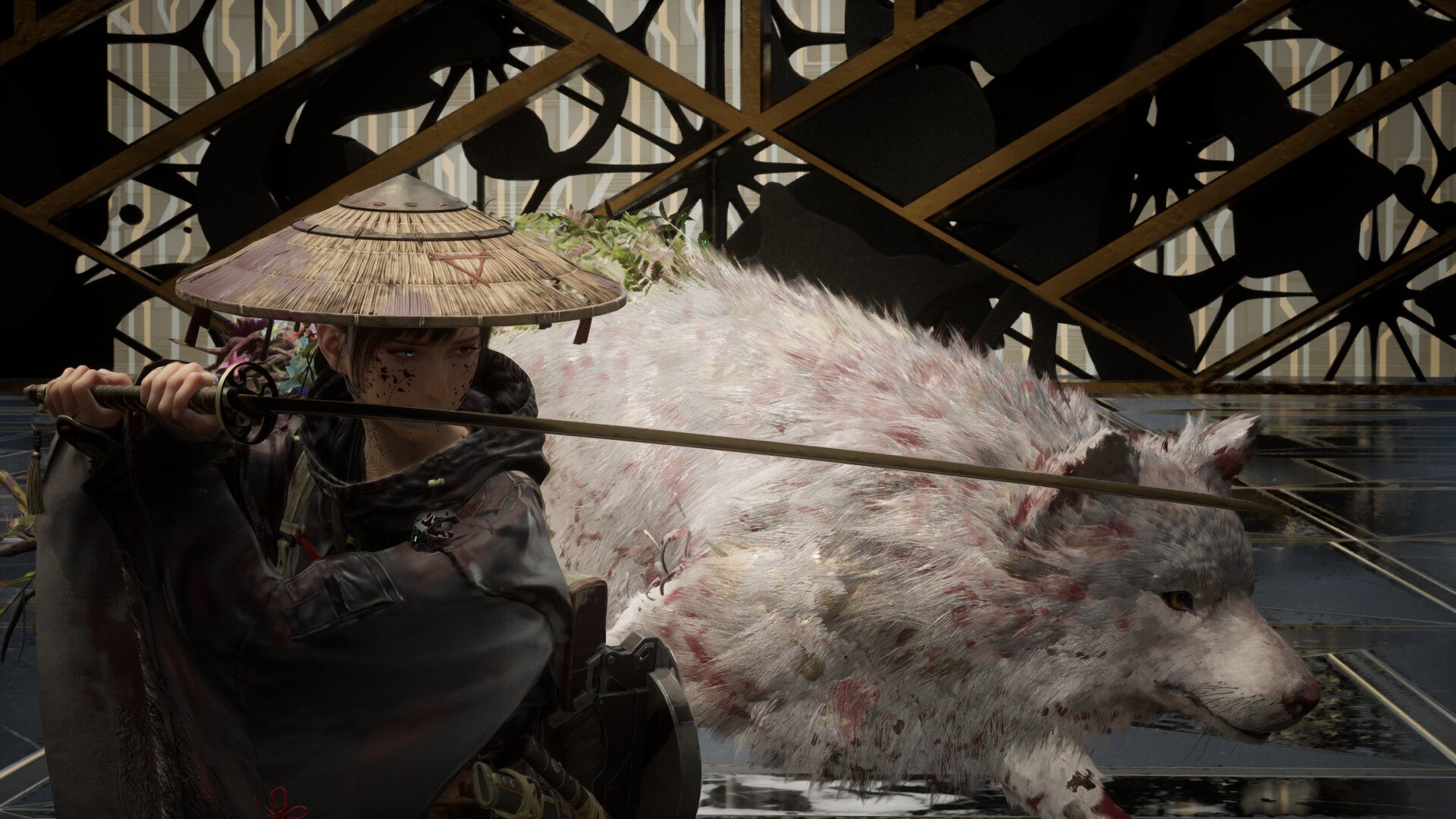
Combat animation is another highlight. Sword attacks have weight, movement is responsive, and defensive actions provide clear feedback. In a game where timing is essential, animation quality is not just a visual benefit; it directly improves gameplay.
Koo receives similar attention. His animations help establish personality and make the relationship with Emma more believable. The companion feels alive because of small details rather than relying only on scripted story moments.
The limitations appear mostly in areas outside the main presentation. Facial animations and some character interactions lack the refinement of larger-budget productions. Certain technical elements reveal the game’s smaller scale, especially when compared with the titles that clearly influenced it.
However, these limitations rarely damage the overall experience. The game succeeds because its artistic choices are stronger than its technical limitations. It creates memorable locations and a consistent atmosphere, which ultimately matters more than simply chasing graphical realism.
Audio Design
The audio design follows the same approach as the visual presentation: atmosphere comes before excess. The game frequently allows environmental sounds to carry the experience, creating a sense of isolation as players move through abandoned landscapes.
The quieter moments are often the most effective. The sound of wind, wildlife, and forgotten environments reinforces the feeling that Emma is traveling through a world that has moved on without humanity.
Music is used carefully rather than constantly. When the soundtrack becomes more prominent, it supports important moments without overpowering them. Battle themes provide energy, while emotional scenes benefit from more restrained compositions.
Voice performances are generally effective. Emma’s delivery matches her reserved personality, and the supporting cast mostly fits the game’s quieter tone. The performances are not always exceptional, but they rarely distract from the experience.
Koo’s audio design is especially important because the character cannot communicate through traditional dialogue. His sounds and reactions become part of the storytelling, and the game successfully gives him personality without needing words.
The soundtrack does not always reach the same level as the game’s visual design, but it serves its purpose. It supports the atmosphere rather than competing with it.
Technical Performance on PC
The PC version of Beast of Reincarnation is functional but not as polished as it should be. The game provides a respectable selection of graphics options to adjust performance and image quality, allowing players to tailor the experience to their hardware. Support for modern display settings is welcome, but inconsistent optimization means achieving consistently smooth performance may require some tweaking depending on the system.
The combat feels best with a controller, which is unsurprising given the importance of timing and precise movement. Keyboard and mouse support is available, but the overall design clearly favors a traditional gamepad experience.
Performance quality varies depending on hardware. Some players will experience a smooth game, while others may encounter frame-rate inconsistencies, stuttering, or technical issues that interrupt the experience.
These problems are particularly unfortunate because responsiveness is central to the game’s appeal. A minor performance issue during exploration is manageable, but a disruption during a carefully timed defensive action can directly affect gameplay.
The PC version is therefore acceptable rather than exceptional. It provides a playable experience, but stronger optimization would have allowed the game’s combat and visual design to shine without distraction.
Final Verdict: 7/10
Beast of Reincarnation is not the flawless genre breakthrough that its best ideas suggest it could become, but it is still one of Game Freak’s most interesting projects. More importantly, it is proof that the studio is capable of building something beyond the expectations attached to its most famous franchise.
Its greatest achievement is that its best ideas are not borrowed. The parry-focused combat may invite comparisons to other action RPGs, but the relationship between Emma and Koo gives the game its own identity. The companion system is not a feature added on top of the experience; it is part of what makes the game work.
The world is equally successful. Its environments create a strong sense of place, and its presentation demonstrates how much impact careful art direction can have. Even when the technology shows limitations, the game maintains a consistent visual personality.
The weaknesses are also clear. Enemy variety does not match the quality of the combat, exploration rewards are uneven, and technical issues prevent the PC version from reaching a higher level of polish. The story creates an interesting world but sometimes hides too much behind ambiguity.
Those flaws matter, but they do not erase the strengths. Beast of Reincarnation succeeds because it understands the fundamentals of a good action RPG. It rewards learning, makes combat feel meaningful, and creates a relationship between its characters that genuinely carries the adventure.
This is not Game Freak’s answer to the genre’s greatest games, but it is something perhaps more important: evidence that the studio can create new experiences worth paying attention to. With more refinement and a stronger focus on variety, this could become the foundation of something much bigger.