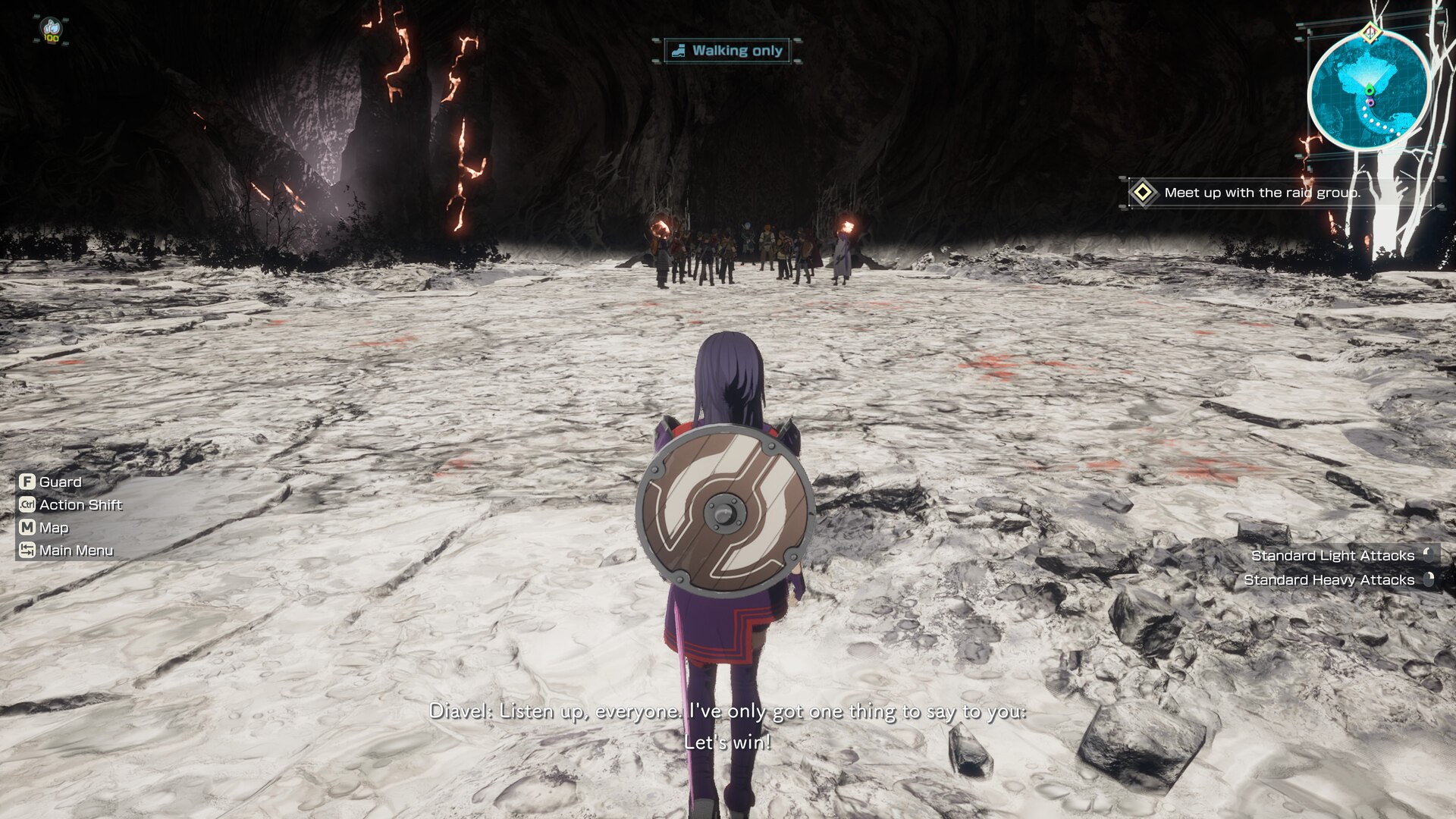
For more than a decade, Sword Art Online games have struggled with a recurring problem. While they have often been enjoyable for existing fans, most relied heavily on retelling familiar events or expanding the anime’s established cast with stories that rarely stood on their own. Echoes of Aincrad attempts to break away from that formula. Rather than placing Kirito at the center once again, it asks a far more interesting question: what was life like for one of the thousands of ordinary players trapped inside Aincrad?
It is an idea with genuine potential. The original Aincrad arc has always been one of the strongest parts of Sword Art Online because it emphasizes survival, uncertainty, and the gradual formation of communities within a deadly virtual world. By creating an original protagonist and allowing players to experience those opening weeks from a different perspective, Echoes of Aincrad finds narrative space that previous adaptations largely ignored. The result is a game that often captures the atmosphere of the source material better than its predecessors, even if it ultimately struggles to sustain that promise across its entire campaign. Critics broadly praised this fresh perspective while also pointing to repetitive progression, uneven pacing, and restrictive exploration that prevent the game from fully realizing its ambitions.
That duality defines almost every aspect of the experience. There is a solid action RPG underneath, supported by satisfying combat, meaningful character customization, and an enjoyable progression loop. Unfortunately, those strengths constantly collide with repetitive mission design, conservative world design, and several outdated mechanics that appear to exist solely to imitate MMORPG conventions rather than improve the single-player experience. Echoes of Aincrad is neither the breakthrough Sword Art Online game many fans have waited for nor another complete disappointment. Instead, it feels like the strongest foundation the series has produced in years, built on systems that deserve a much more ambitious world.

Story and Setting
Echoes of Aincrad begins where every fan expects: the launch of Sword Art Online and the horrifying realization that logout is impossible. Rather than witnessing these events through Kirito, players create their own avatar and become one of the many ordinary players forced to survive inside Akihiko Kayaba’s death game. It is a simple narrative change, but one that immediately gives the story a different emotional perspective.
The game wisely avoids trying to replace the original protagonists. Kirito, Asuna and other recognizable characters remain important figures within the world, but they exist alongside your own journey instead of overshadowing it. This allows the narrative to focus on smaller stories about survival, cooperation, and ordinary players adapting to impossible circumstances. Those quieter moments often prove more engaging than the larger plot developments because they reinforce what made Aincrad compelling in the first place: not simply defeating bosses, but learning how people build lives inside a prison they cannot escape.
The supporting cast also benefits from this approach. Rather than existing purely as references for longtime fans, many companions develop naturally through repeated interactions during quests and exploration. Relationships grow at a measured pace, and while anime-inspired dialogue occasionally slips into familiar territory, the characters generally feel grounded within the setting.
Unfortunately, pacing becomes a recurring issue. Story progression is repeatedly interrupted by mandatory side activities, extended travel, and progression requirements that slow the narrative to a crawl. Individual scenes remain entertaining, but maintaining momentum becomes increasingly difficult as the campaign continues. Several late-game developments also feel surprisingly abrupt, leaving certain narrative threads feeling more like preparation for future content than satisfying conclusions to the adventure itself. This criticism appears consistently across reviews, with many praising the premise while expressing disappointment in its execution.
Despite these shortcomings, the story remains one of the game’s stronger elements. The decision to step away from constant Kirito-centric storytelling gives Echoes of Aincrad an identity of its own, and even when pacing falters, it succeeds in making Aincrad feel dangerous and inhabited by people beyond the series’ established heroes.
Gameplay and Mechanics
Echoes of Aincrad is structured around a loop familiar to anyone who has played modern action RPGs. Players accept quests, explore sections of Aincrad, defeat enemies, gather crafting materials, improve equipment, strengthen relationships with companions, and prepare for increasingly difficult encounters. None of these individual systems are especially innovative, yet they generally work well together.
Progression constantly rewards investment. New abilities unlock regularly, equipment upgrades noticeably affect combat performance, and character builds gradually become more specialized as additional systems open throughout the campaign. Rather than overwhelming players with dozens of mechanics immediately, the game introduces its systems gradually enough that experimentation feels encouraged instead of intimidating.
This measured progression helps maintain engagement during the opening hours. Every new weapon skill or passive ability creates tangible improvements, while crafting and equipment enhancement provide steady long-term goals. There is enough flexibility to support different playstyles without becoming unnecessarily complex.
The problem is repetition. Quest objectives rarely evolve beyond familiar action RPG routines. Defeat a group of monsters, collect several materials, escort a character, investigate an area, or eliminate another elite enemy. Individually these tasks remain enjoyable because the combat is consistently entertaining, but the lack of variety gradually becomes impossible to ignore.
This repetition is compounded by structural decisions inspired by MMORPGs. Certain conveniences expected in modern single-player RPGs are intentionally limited. Equipment management, weapon swapping, resting, and various forms of progression often require returning to designated locations rather than allowing players to manage everything freely in the field. The intention is understandable, reinforcing the feeling of existing within a persistent online world, but the result frequently prioritizes authenticity over player convenience. Instead of increasing immersion, these restrictions often create unnecessary interruptions during extended play sessions. Multiple reviewers highlighted these legacy MMO mechanics as one of the game’s more frustrating design decisions.
There is also an interesting tension between freedom and structure. Echoes of Aincrad initially presents itself as a broad interpretation of the floating castle, encouraging players to imagine large-scale exploration across its iconic floors. In practice, progression is far more controlled than that presentation suggests. Exploration remains closely tied to quest progression, meaning players cannot simply wander wherever curiosity leads. The world is divided into carefully managed sections that gradually open through story advancement, limiting the sense of discovery that such a setting naturally promises. This has become one of the game’s most commonly discussed criticisms since launch. Even so, the gameplay loop remains consistently engaging because combat rarely stops being enjoyable. Every excursion offers opportunities to improve equipment, experiment with different weapon types, or tackle stronger enemies that demand greater mechanical precision. That core strength carries much of the experience, even when surrounding systems begin repeating themselves.
Exploration and World Design
The greatest disappointment in Echoes of Aincrad is not that its version of Aincrad lacks scale, but that it rarely allows players to appreciate the scale it does possess. The floating castle remains one of the most recognizable settings in anime and gaming, with every floor offering opportunities for distinctive architecture, ecosystems, settlements and monsters. Visually, the game succeeds in presenting locations that feel faithful to the source material, from peaceful towns where players gather before expeditions to dangerous wilderness areas patrolled by increasingly aggressive enemies. The art team deserves credit for creating environments that consistently resemble the world fans imagined while watching the original series.
Unfortunately, the design philosophy behind those environments is considerably more conservative than their appearance suggests. Rather than encouraging free exploration across interconnected regions, Echoes of Aincrad divides its world into structured zones that are gradually unlocked through story progression. While this approach keeps objectives focused and ensures players encounter enemies at appropriate levels, it also prevents the castle from feeling like a living place waiting to be discovered. Exploration becomes less about curiosity and more about completing checklists within carefully managed spaces.
This issue is reinforced by the game’s quest design. Most optional content sends players back through areas they have already visited, often asking them to defeat familiar enemy groups or collect materials that appear in predictable locations. The environments themselves remain attractive throughout the campaign, but repeated visits expose how limited many of these spaces actually are. Shortcuts, hidden routes and environmental surprises are relatively uncommon, leaving exploration feeling functional rather than genuinely rewarding.
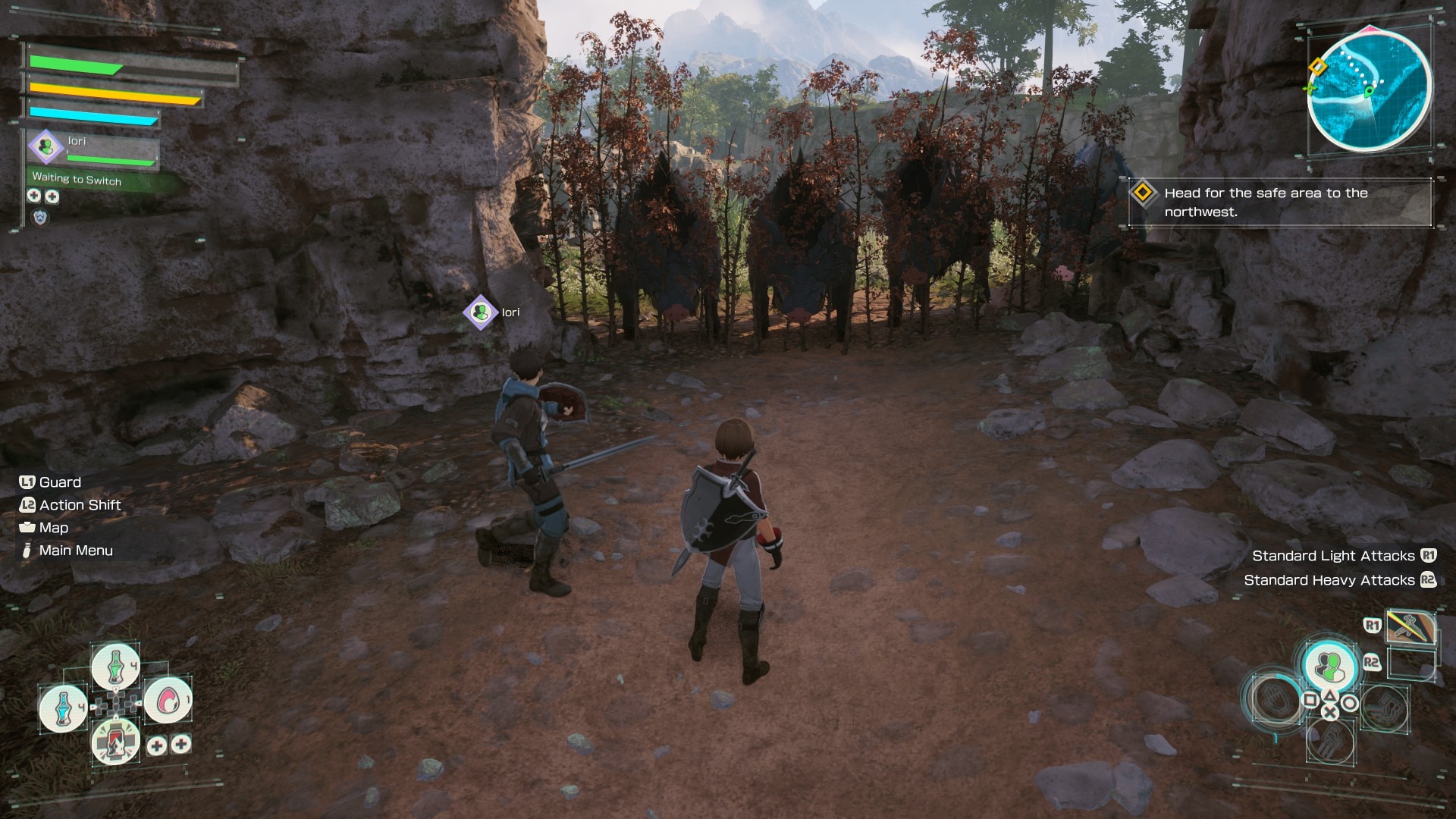
There are moments when the game demonstrates what it could have been. Some settlements feel convincingly inhabited, with NPCs following routines and conversations that reinforce the illusion of thousands of players adapting to life inside Aincrad. A handful of larger dungeon areas also introduce more satisfying navigation, requiring players to pay attention to enemy placement, environmental hazards and branching paths instead of simply moving from one objective marker to another. These sections break up the routine and hint at a more adventurous interpretation of the setting, even if they remain the exception rather than the rule.
The world is therefore successful on an artistic level but less convincing as an RPG playground. It captures the appearance of Aincrad without fully embracing the freedom that such an iconic setting naturally invites.
Combat and Encounters
Combat is where Echoes of Aincrad consistently earns its strongest praise, and with good reason. It finds a comfortable middle ground between accessibility and mechanical depth, creating encounters that remain enjoyable throughout the lengthy campaign.
The foundation is built around real-time action, combining standard attacks, evasive movement, defensive options and weapon skills inspired by Sword Art Online’s signature combat system. Timing matters. Enemy attack patterns become increasingly demanding as the game progresses, encouraging players to learn dodge windows, capitalize on openings and manage cooldowns efficiently instead of relying on repetitive button mashing.
Each weapon category offers a noticeably different rhythm. Faster weapons prioritize mobility and sustained pressure, while heavier options trade speed for stronger stagger potential and higher burst damage. Because skills are tied closely to weapon choices, changing equipment also changes how encounters unfold. This gives experimentation genuine value rather than making every weapon feel like a statistical upgrade.
Party members further expand combat without overwhelming it. AI companions contribute meaningful damage, healing and support abilities, while coordinated attacks reward players who pay attention to team positioning instead of focusing solely on their own actions. The system is not especially groundbreaking compared to the genre’s best action RPGs, but it remains satisfying thanks to its responsiveness and clear visual feedback.
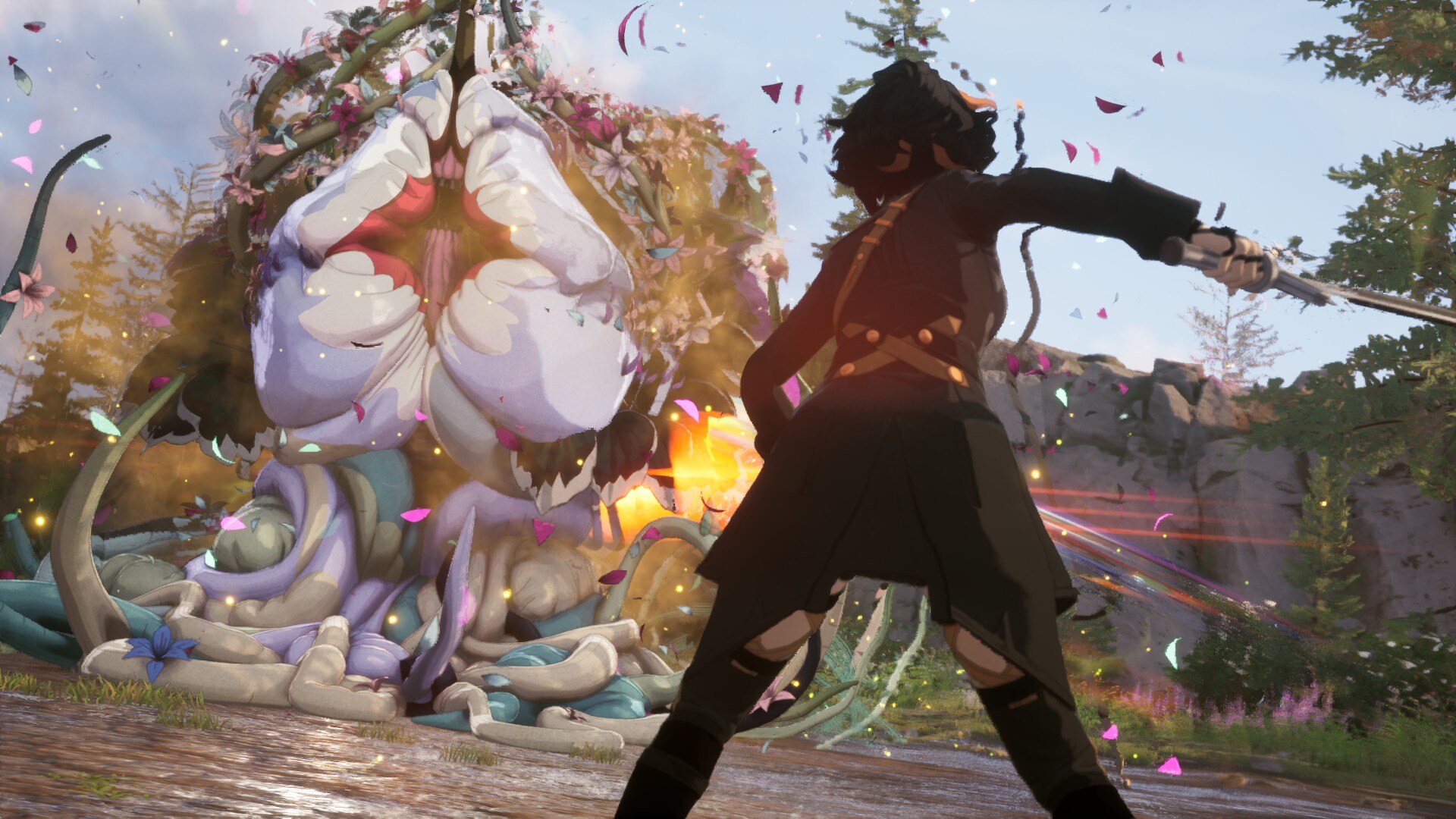
Boss battles are particularly successful. Larger encounters often require adapting to multiple combat phases, recognizing increasingly elaborate attack patterns and making effective use of the tools unlocked through character progression. These fights capture the tension associated with clearing Aincrad’s floors far better than many routine encounters, creating memorable highlights that justify the time invested in preparing for them.
Combat is not entirely free from repetition. Because regular enemies frequently reappear across multiple quests and regions, players inevitably learn optimal strategies that can make routine battles feel increasingly automatic. The issue lies less with the mechanics themselves than with how often the game asks players to repeat similar objectives against familiar opponents. Even so, the quality of the combat system helps offset that repetition more effectively than one might expect. It remains engaging because it consistently feels responsive, readable and rewarding.
Progression and Customization
Character progression is another area where Echoes of Aincrad demonstrates thoughtful design. Rather than relying exclusively on increasing numerical statistics, progression steadily unlocks new tactical possibilities that encourage players to refine their preferred approach to combat.
Equipment upgrades play an important role, but they rarely invalidate earlier decisions immediately. Crafting materials gathered through exploration and combat can be invested in improving existing gear, allowing players to remain attached to favored equipment while gradually preparing for more demanding encounters. This creates a satisfying sense of long-term investment instead of encouraging constant replacement.
Skill progression is equally flexible. New abilities are introduced at a measured pace, allowing players to understand how each addition complements their existing build before introducing another layer of complexity. Different passive bonuses, weapon proficiencies and combat skills combine to create enough variety that two players can approach encounters differently without either build feeling inherently incorrect.
The game also includes relationship systems that provide both narrative development and gameplay benefits. Spending time with companions unlocks additional dialogue, character moments and practical bonuses during combat. While these interactions occasionally lean into familiar anime conventions, they generally avoid becoming intrusive and help strengthen the feeling of travelling alongside a group rather than controlling a lone hero.
Customization therefore succeeds not because it reinvents RPG progression, but because it consistently rewards time invested without becoming unnecessarily complicated. The systems are approachable, interconnected and satisfying enough to support dozens of hours of gradual character development.
Visuals and Audio
Echoes of Aincrad adopts an art direction that prioritizes consistency over technical spectacle. Rather than competing with photorealistic RPGs, it embraces an anime-inspired aesthetic that remains faithful to Sword Art Online’s visual identity while benefiting from modern rendering techniques.
Character models are expressive, animation quality during major story scenes is generally strong, and combat effects successfully communicate the speed and impact associated with the series’ distinctive sword skills. Environmental lighting also deserves recognition, particularly during sunrise and sunset, where the floating landscapes frequently create attractive vistas without relying on excessive visual effects.
The game’s technical presentation is less impressive when viewed up close. Texture quality varies considerably between environments, facial animation during smaller dialogue scenes can appear stiff, and NPC variety becomes noticeably limited over the course of the campaign. None of these shortcomings significantly damage the overall presentation, but they do reinforce the impression that the project was produced within a more restrained budget than many contemporary RPGs.
The soundtrack is consistently effective, balancing orchestral compositions with quieter atmospheric pieces that complement exploration without becoming repetitive. Battle themes provide enough energy to elevate major encounters, while calmer tracks help towns feel welcoming despite the ever-present danger surrounding them.
Voice acting is similarly dependable. Both the Japanese and English performances capture the personalities of returning characters well, while the original cast receives convincing performances that help establish their place within the story. Although some dialogue occasionally feels longer than necessary, the quality of the performances prevents many conversations from becoming tedious.
Technical Performance on PC
The PC version delivers a generally solid experience, although it is not without technical shortcomings. Performance varies depending on hardware, but players with modern mid-range systems should have little difficulty maintaining smooth frame rates during ordinary exploration and combat. The game offers a range of graphical options that allow players to adjust the experience according to their setup.
Some environments and larger encounters can occasionally expose minor performance dips, while loading transitions and certain visual effects may prevent the presentation from feeling as polished as the strongest PC releases. These issues rarely interfere with the overall experience, but they do highlight that Echoes of Aincrad could have benefited from additional refinement before launch.
The most common technical complaints involve inconsistent optimization rather than catastrophic failures. Certain areas produce noticeable frame-time fluctuations, loading transitions occasionally interrupt the game’s pacing, and some players have reported stuttering during larger combat encounters despite otherwise stable performance. While post-launch updates have addressed several issues, the optimization still lacks the polish expected from the strongest PC releases this year.
Graphical settings offer reasonable flexibility, allowing players to adjust image quality according to their hardware without sacrificing the game’s visual identity. Ultrawide monitor support, controller compatibility and customizable controls further contribute to a comfortable PC experience, although additional optimization work would certainly benefit future updates.
Fortunately, technical issues rarely become severe enough to undermine the game’s strongest qualities. They remain irritations rather than deal-breaking flaws.
Final Verdict: 6/10
Echoes of Aincrad is ultimately a game of unrealized potential, but that should not be mistaken for failure. Its strongest ideas are genuinely compelling. Viewing Aincrad through the eyes of an ordinary survivor gives the familiar setting a refreshing perspective, while its responsive combat system and satisfying progression mechanics provide a foundation capable of supporting a lengthy action RPG. These elements consistently remind players why the original Sword Art Online premise remains so appealing.
At the same time, the game repeatedly limits itself through cautious design decisions. Exploration rarely delivers the sense of freedom that Aincrad deserves, quest variety becomes increasingly repetitive as the campaign progresses, and pacing suffers whenever mandatory progression slows the story’s momentum. Technical issues on PC, while generally manageable, further reinforce the feeling that the game falls just short of its full potential.
Even so, it represents one of the strongest Sword Art Online games released to date because it finally understands that the appeal of Aincrad extends beyond simply retelling Kirito’s journey. By focusing on survival, progression and life within the floating castle, Echoes of Aincrad creates an experience that feels more personal and, at its best, more immersive than many of its predecessors.
It is not the definitive Sword Art Online adaptation, nor is it likely to convince players who have never connected with the series. However, for fans looking for a competent action RPG with enjoyable combat, meaningful character progression and a welcome shift in narrative perspective, it offers enough strengths to outweigh its frustrations. The foundation is strong, even if the world built upon it never becomes as expansive or adventurous as its premise promises.