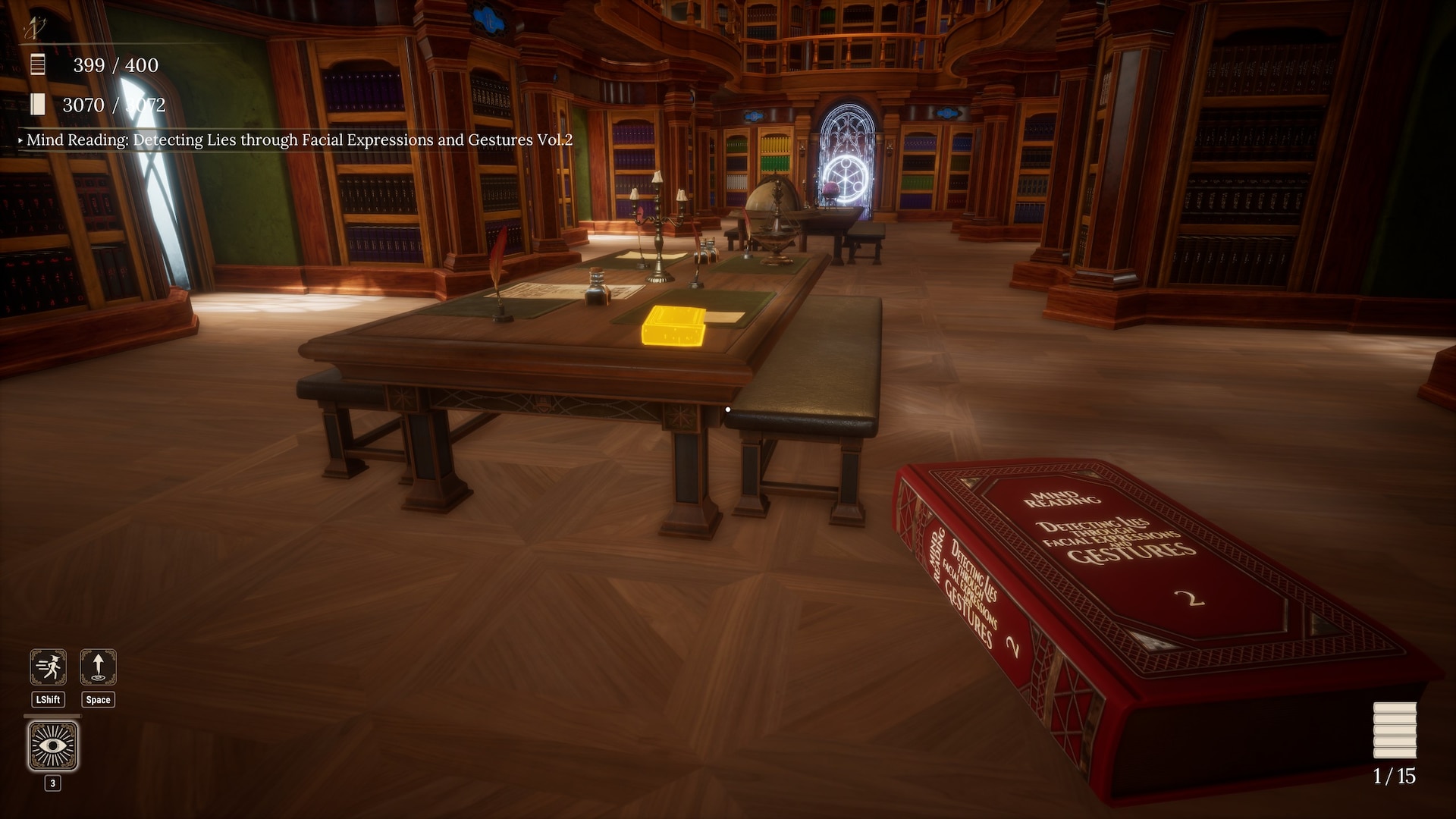
Simulation games have repeatedly demonstrated that engaging gameplay can emerge from activities that might seem mundane outside of a virtual environment. Farming, cleaning, restoration, transportation, and countless forms of management have all become successful foundations for games because developers have found ways to transform routine tasks into satisfying gameplay loops. Librarian: Tidy Up the Arcane Library! follows a similar philosophy, although its premise is arguably even more specialized than most titles in the genre.
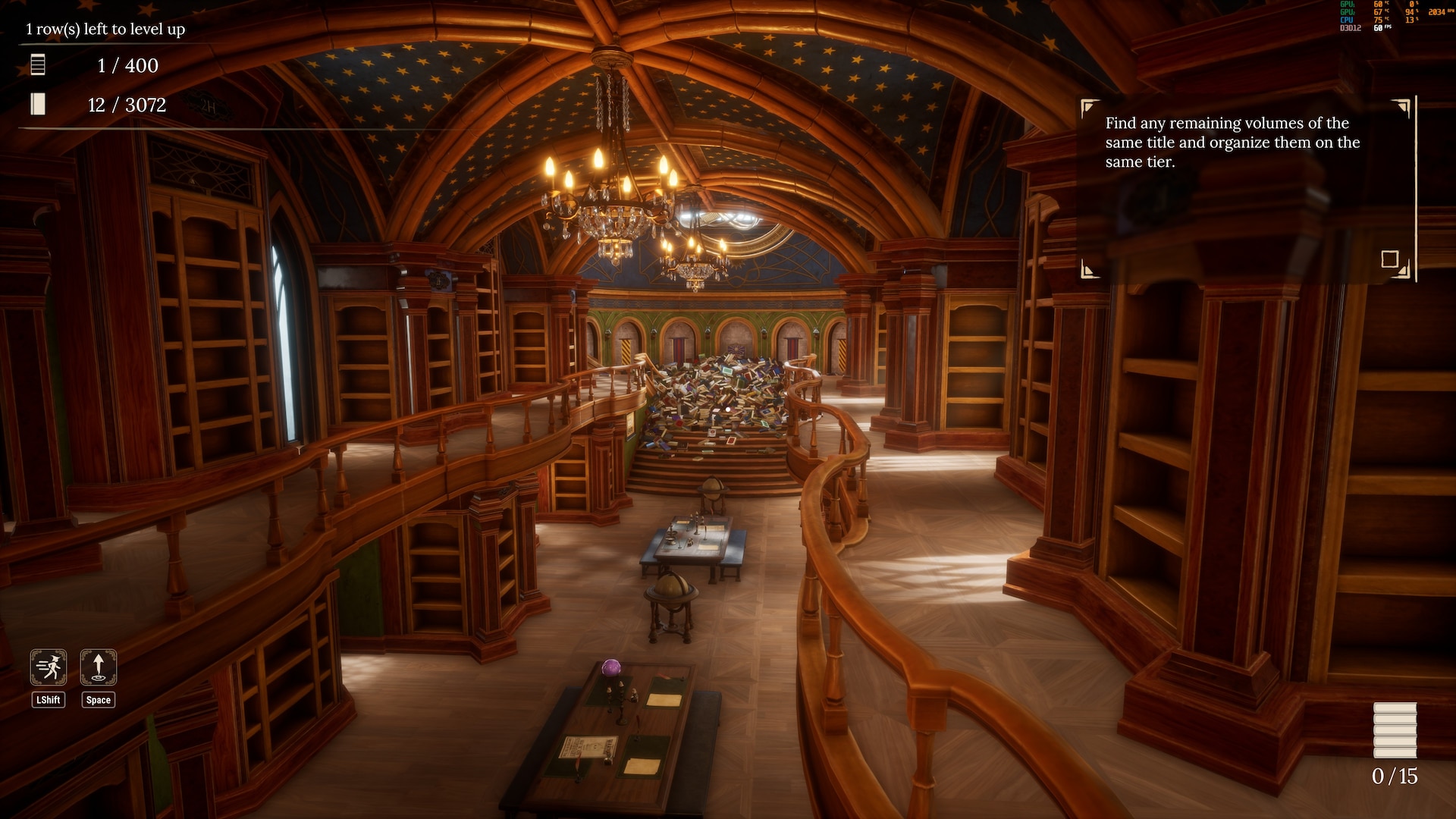
Developed by ArtRising, the game places players inside a magical library that has fallen into complete disarray after a fairy scatters thousands of books throughout the building. The objective is straightforward: every book must be returned to its correct location before the task is considered complete. There are 3,072 books to organize, a large library to navigate, and a collection of magical abilities that gradually become available as progress is made.
While that concept may initially sound too limited to support an entire game, Librarian succeeds because it understands the appeal of organization and because it consistently provides players with meaningful evidence that their efforts are producing results. Although the game occasionally struggles with pacing and some aspects of its progression system are more effective than others, it ultimately delivers a satisfying and surprisingly absorbing experience for players who enjoy organization-focused simulation games.

Gameplay and Mechanics
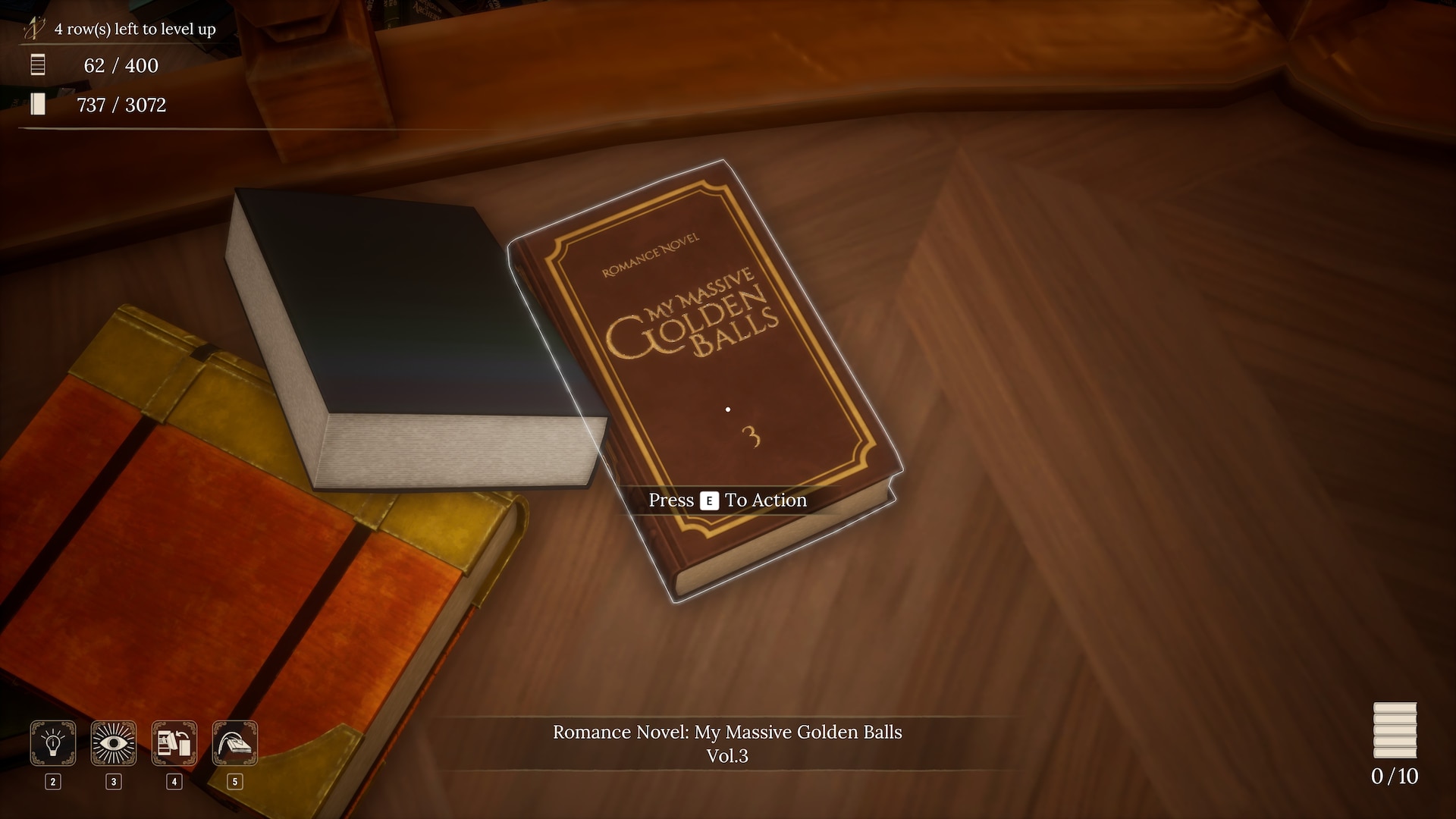
The majority of Librarian revolves around identifying where books belong and placing them on the appropriate shelves. At first glance, this appears to be an extremely simple mechanic, but the game extracts more depth from the concept than expected. Books are divided into numerous categories and series, many of which can be identified through recurring visual motifs, symbols, subject matter, and cover designs.
Players must gradually learn how the library is organized, familiarize themselves with different sections, and determine how individual books fit into the overall classification system. During the opening stages, the sheer scale of the task can feel intimidating because the library is filled with scattered books and the player possesses very little knowledge about the building’s layout.
The learning process is one of the game’s strongest qualities. Early sessions involve frequent trips between shelves, careful observation of book covers, and occasional uncertainty regarding where specific volumes belong. As players spend more time inside the library, however, familiarity begins to replace confusion. Categories become easier to recognize, shelf locations become easier to remember, and the organizational logic governing the library becomes increasingly intuitive. This gradual transition from uncertainty to competence creates a satisfying sense of progression that exists independently of any formal upgrade system. By the midpoint of the experience, players often find themselves instinctively recognizing where certain books belong because they have developed a strong understanding of the library’s structure.
An important factor in the game’s success is its commitment to its central mechanic. Many simulation games introduce secondary systems that compete for the player’s attention, but Librarian remains focused on organization throughout its entire runtime. There are no crafting systems, survival mechanics, or economic layers designed to complicate the experience. Every major feature supports the act of sorting books, which gives the game a level of clarity that many larger simulation titles lack. At the same time, this focus means that players who do not enjoy the basic process of categorizing and shelving books are unlikely to find alternative activities that substantially change the experience. The game places a considerable amount of confidence in its core gameplay loop, and whether that confidence feels justified will depend largely on the player’s appreciation for organization-based gameplay.
Progression and Structure
A game built around sorting more than three thousand books requires a progression system capable of maintaining interest over an extended period, and Librarian addresses this challenge through a collection of magical abilities that become available as shelves are completed. These abilities are designed to improve efficiency rather than replace the core gameplay loop. Some help locate books more quickly, others assist with categorization, and several reduce the amount of manual work required during later stages of the experience. The result is a progression curve that generally succeeds in making players feel more capable without completely abandoning the organizational mechanics that define the game.
The strongest aspect of this progression system is the way it complements the player’s growing familiarity with the library. Mechanical upgrades and personal knowledge develop simultaneously, creating a sense that both the player and their character are becoming more proficient over time. Tasks that initially require extensive searching eventually become routine because the player has learned the environment while also unlocking tools that streamline the process. This combination helps prevent the experience from becoming repetitive during the middle portion of the game, which is arguably where Librarian is at its strongest.
Not every aspect of the progression system is perfectly balanced, however. Some of the more powerful magical abilities significantly reduce the challenge associated with organization, particularly during later stages of the experience. While these upgrades help prevent the final stretch from becoming excessively time-consuming, they also reduce some of the satisfaction that comes from manually identifying and sorting books. Early portions of the game derive much of their appeal from observation, pattern recognition, and environmental familiarity, whereas later sections occasionally feel more focused on efficiency and automation. This does not undermine the experience as a whole, but it does create a noticeable shift in emphasis that some players may find less engaging than the careful organizational gameplay that defines the opening hours.
Library Design and Atmosphere
The library itself is the most important element of the game’s presentation because it functions as both the primary setting and the primary gameplay space. Had the developers chosen a conventional modern library, the organizational mechanics would still function, but the fantasy setting contributes significantly to the game’s identity. Shelves contain books devoted to magical subjects, mythical creatures, fictional travel destinations, romance, history, and countless other topics that feel appropriate within the context of a magical academy. The result is an environment that remains visually interesting throughout the lengthy process of organizing its contents.
The layout of the library deserves particular praise because it successfully balances scale with accessibility. The building feels large enough to create a meaningful organizational challenge, yet it rarely becomes frustrating to navigate. During the opening hours, many sections appear overwhelming because players lack familiarity with their surroundings. Over time, however, repeated visits naturally encourage memorization of important locations, creating a strong sense of spatial familiarity. This gradual understanding of the environment becomes an important source of satisfaction because players can clearly recognize how much more efficiently they move through the library compared to when they first arrived.
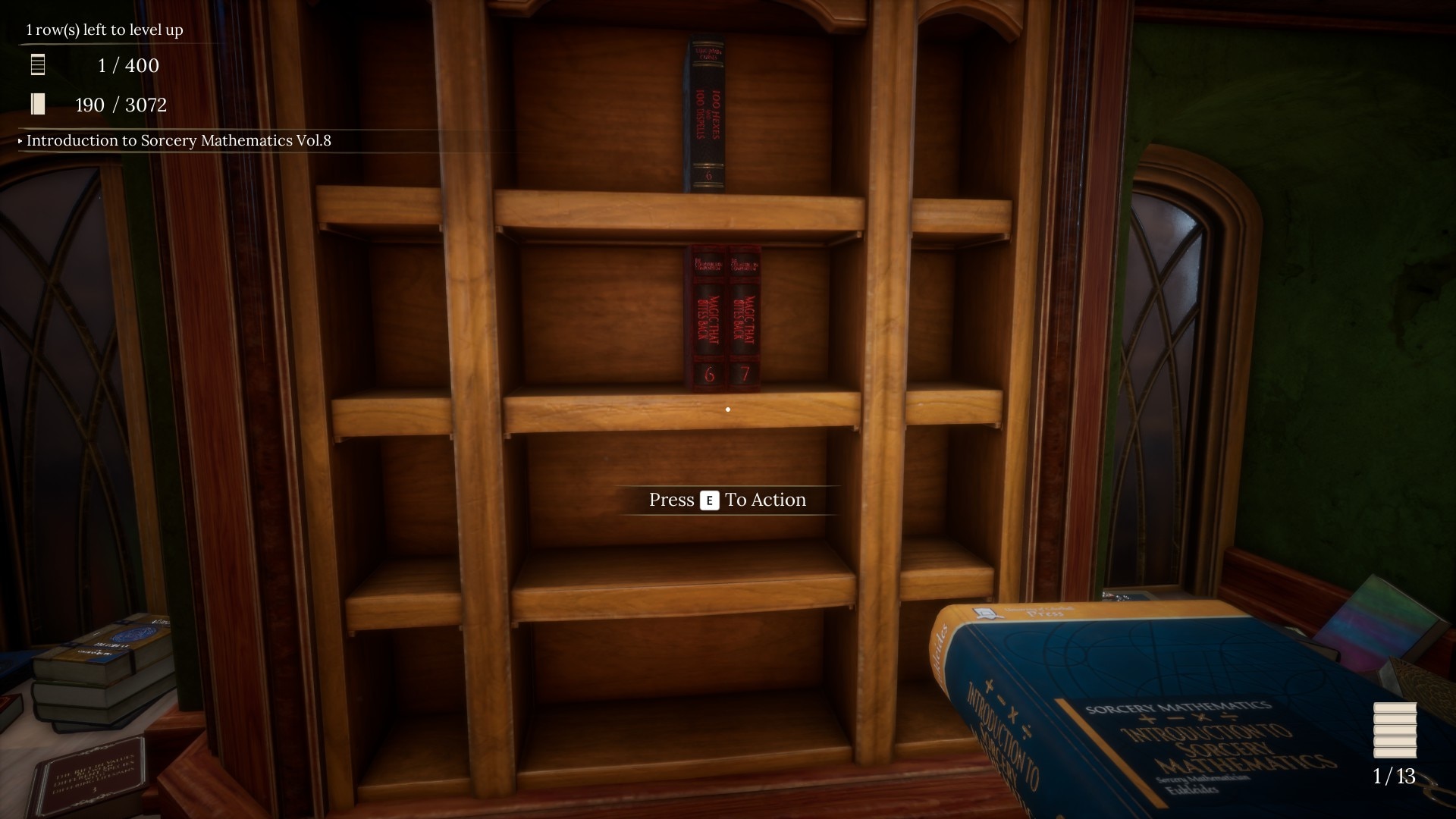
Another notable strength is the amount of attention given to the books themselves. Rather than treating them as interchangeable objects, the game provides a wide variety of covers, symbols, and visual themes that help establish the personality of different categories. These details are not merely decorative. They also support gameplay by making it easier for players to recognize patterns and identify where books belong. The organizational process therefore feels connected to the visual design rather than existing independently of it, which helps reinforce the overall cohesiveness of the experience.
One area where the game is somewhat less ambitious involves storytelling. The setting contains hints of a larger fantasy world, and the premise provides a clear explanation for why the library has become disorganized, but the game rarely explores these ideas in significant depth. Players looking for extensive lore, character development, or narrative progression may find the experience somewhat limited in this regard. The focus remains firmly on organization, and while that decision is understandable, the world itself feels capable of supporting a more substantial narrative framework.
Visuals and Audio
Librarian is not a technically demanding showcase designed to push modern hardware, but its visual presentation serves the needs of the game effectively. The art direction prioritizes clarity and readability, which is particularly important given the central role books play in the gameplay. Covers remain distinguishable, shelf layouts are easy to interpret, and important visual information is communicated without unnecessary clutter. This practical approach proves more valuable than high-end graphical effects would have been because the game’s success depends heavily on the player’s ability to quickly process visual information.
The fantasy aesthetic is appealing without becoming overly elaborate. Decorative elements contribute to the atmosphere of a magical academy while avoiding the visual noise that might interfere with organization. This balance allows the environment to remain attractive throughout lengthy play sessions without distracting from the task at hand. Although the visuals are unlikely to impress players seeking cutting-edge graphical technology, they are well suited to the game’s goals and maintain a consistent artistic identity from beginning to end.
The audio design follows a similar philosophy. Music and ambient sounds help establish a calm atmosphere that complements the methodical nature of the gameplay. The soundtrack is not particularly memorable when considered independently, but it performs its intended function effectively by supporting concentration without constantly demanding attention. This is especially important in a game where players may spend hours performing variations of the same activity. The audio contributes to the overall mood without becoming repetitive or intrusive, which helps sustain the relaxing tone that defines much of the experience.
Technical Performance on PC
From a technical standpoint, Librarian: Tidy Up the Arcane Library! sits in a fairly typical position for a mid-scale indie simulation game. It is generally stable, runs smoothly on a wide range of hardware, and does not demand particularly high system specifications in order to maintain a consistent frame rate, even when the library becomes densely populated with books scattered across multiple floors. The game’s relatively restrained visual fidelity works in its favor here, as the focus on readable objects and simplified environmental geometry helps maintain performance even during more chaotic early sections where large numbers of interactable items are present simultaneously. In most standard play sessions, performance issues are not a constant concern, and the experience remains functionally stable from beginning to end.
That said, the game is not entirely free of technical inconsistencies. Some players have reported occasional stuttering during transitions between heavily populated areas of the library, particularly when the game is loading or updating large clusters of objects after significant organizational changes. These issues do not appear to be universal, but they are noticeable enough to be acknowledged, especially in longer sessions where the accumulation of cleared and reorganized spaces places additional strain on the simulation. There are also isolated reports of crashes or minor bugs involving object placement, although these do not seem to occur frequently enough to disrupt the overall structure of the game for most users.
Accessibility is an area where Librarian demonstrates functional adequacy rather than exceptional depth. The core gameplay loop is inherently readable, and the lack of time pressure or failure states makes the game naturally approachable for a wide range of players, including those who may not have extensive experience with simulation or puzzle-oriented games. The act of sorting books relies primarily on visual recognition and spatial memory, which reduces the need for complex input combinations or fast reaction times. This contributes to a generally relaxed experience that can be adjusted to the player’s preferred pace without mechanical penalty.
However, the accessibility options themselves are relatively limited when compared to more feature-complete modern releases. While basic control settings are present and the interface is functional, there is room for improvement in areas such as extended input remapping, more granular sensitivity adjustments, and additional comfort settings for players who may be sensitive to camera movement or extended first-person navigation. Given the amount of time players are expected to spend inside a single environment performing repetitive spatial tasks, even small discomfort factors can become more noticeable over long sessions. As a result, while the game is broadly accessible in terms of design philosophy, it does not yet fully match that accessibility with an equally robust suite of customization tools.
Overall, the technical and accessibility experience is competent and serviceable, supporting the core gameplay without drawing attention away from it, but it also reflects the limitations typical of a smaller-scale indie production that prioritizes mechanical focus over extensive system customization.

Longevity and Replayability
The amount of time players spend with Librarian depends largely on how they approach the organizational process and how extensively they utilize magical abilities. A straightforward completion of the library can provide many hours of gameplay, while challenge runs that restrict certain abilities can extend the experience considerably. The game’s central objective is substantial enough that most players will feel they have received a meaningful amount of content by the time the final book has been shelved.
Replayability is somewhat more complicated. The first playthrough benefits significantly from discovery and gradual familiarization with the library’s layout. Subsequent runs naturally lose some of that novelty because players already understand how categories are organized and where specific sections are located. While challenge modes, achievements, and self-imposed restrictions can create additional reasons to return, the experience is strongest when the player is still learning the library’s structure and developing organizational strategies.
That said, the game’s emphasis on efficiency creates opportunities for a different type of replay value. Players who enjoy optimization may find satisfaction in improving completion times, refining routes through the library, and identifying more effective ways to utilize magical abilities. Whether this is sufficient motivation for multiple playthroughs will vary from player to player, but the game does provide opportunities for continued engagement beyond a single completion.
Final Verdict: 8/10
Librarian: Tidy Up the Arcane Library! succeeds because it fully commits to a concept that many developers would likely consider too narrow to support an entire game. Rather than attempting to disguise its premise beneath unrelated mechanics or excessive complexity, it focuses on making organization satisfying and then builds a progression system capable of sustaining that satisfaction across a lengthy playthrough. The result is a simulation game that understands its audience remarkably well and consistently reinforces the activities that audience is most likely to enjoy.
The game’s strongest qualities include its satisfying sense of progression, thoughtfully designed library, effective environmental feedback, and ability to transform familiarity into a meaningful form of player advancement. Although some of the later magical abilities reduce challenge more than necessary and the narrative elements remain relatively limited, these shortcomings do little to diminish the effectiveness of the core gameplay loop. Players who enjoy organization-focused experiences will find a game that understands exactly why sorting, categorizing, and gradually bringing order to chaos can be rewarding.
While Librarian is unlikely to appeal to everyone, it accomplishes its goals with a level of confidence and focus that many larger simulation games struggle to achieve. For players interested in cozy organizational gameplay, it represents one of the more distinctive and satisfying entries in the genre.