Cinderia enters a genre that has seen an overwhelming number of releases over the past few years, many of which follow a predictable structure while only making minor adjustments to established formulas. In that context, standing out requires more than just solid execution, as it demands a clear identity and a willingness to take risks with core systems. Cinderia makes an immediate effort to distinguish itself not by abandoning the familiar roguelite loop, but by expanding it in ways that prioritize player-driven experimentation and mechanical flexibility.
Developed by MyACG Studio and released in Early Access, the game presents itself as a dark fantasy action roguelite with a strong focus on build variety and moment-to-moment decision-making. While its inspirations are easy to recognize, it avoids feeling derivative by layering multiple interconnected systems that constantly push the player to adapt rather than settle into a single dominant strategy. This design philosophy gives the game a sense of unpredictability that carries it through its early hours and keeps it engaging even when certain aspects begin to show their limitations.
After spending extended time with the PC version, it becomes increasingly apparent that Cinderia is a game built on ambitious ideas, many of which already function well enough to support a compelling experience. At the same time, it is equally clear that the game has not yet reached a point where all of those ideas come together in a fully cohesive way, resulting in an experience that often feels exciting and fresh, but occasionally uneven and underdeveloped.
Gameplay and Mechanics
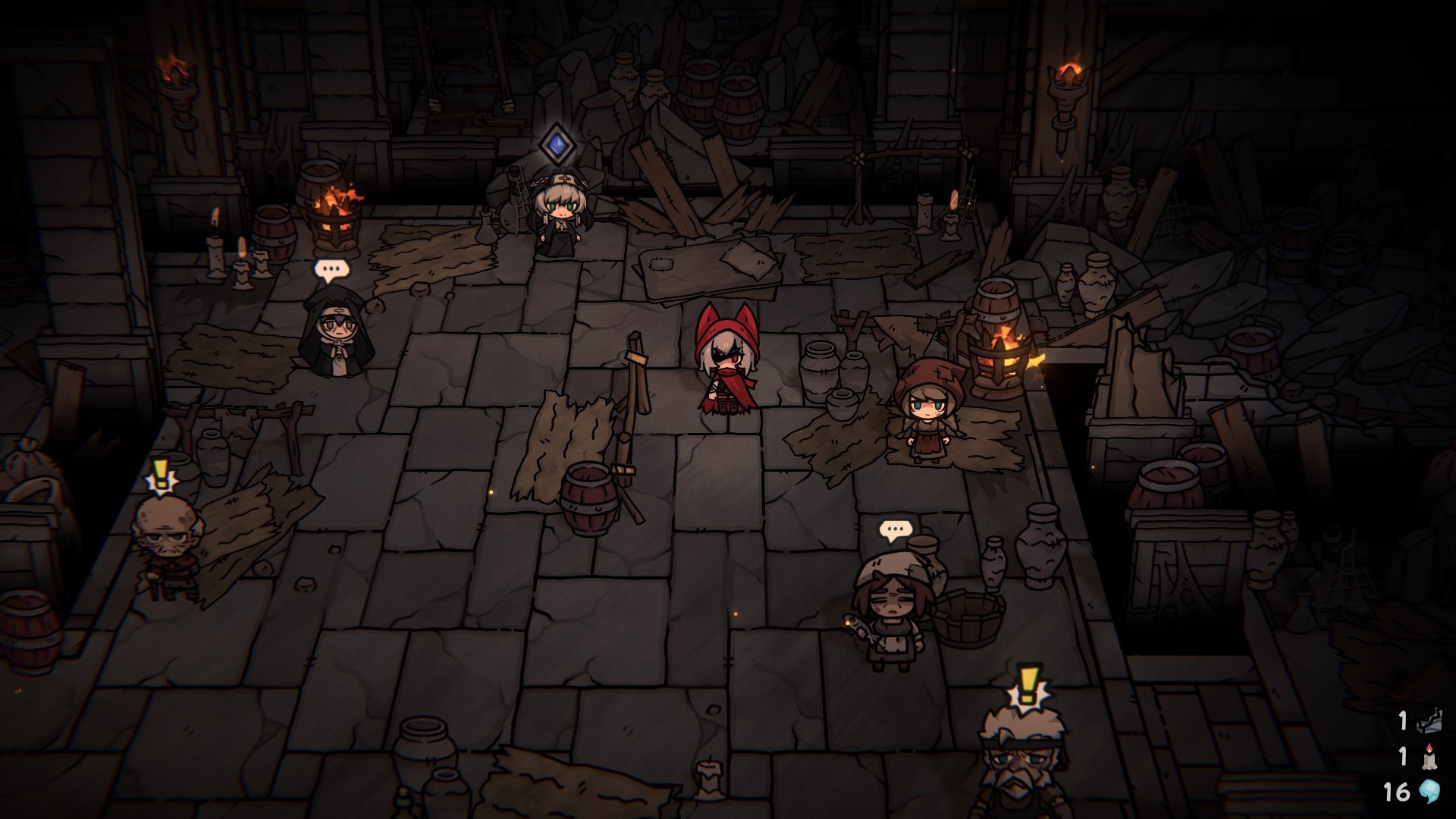
At its foundation, Cinderia follows a structure that will be immediately familiar to anyone who has spent time with modern roguelites, as players enter a run, progress through a sequence of combat encounters, collect upgrades, and eventually face a boss encounter that serves as a major test of their build. Upon failure, which is inevitable in a game designed around repetition and gradual mastery, players return to a central hub where resources earned during the run can be used to unlock permanent upgrades that improve future attempts.

What elevates Cinderia beyond this familiar loop is the sheer density of its systems and the degree to which they interact with one another. Instead of limiting players to a small pool of clearly defined abilities, the game introduces a large and varied selection of skills, modifiers, and equipment pieces that can be combined in ways that often feel unpredictable. This abundance of options encourages experimentation, as players are rarely able to rely on a single strategy across multiple runs.
Central to this design is the Ember Fusion system, which allows players to alter and enhance their abilities in ways that extend far beyond simple numerical improvements. Skills can gain additional effects, change behavior entirely, or interact with other abilities in ways that create unexpected synergies. This system is particularly effective at generating moments of discovery, as players frequently encounter combinations that transform an otherwise average build into something far more powerful and engaging.
Complementing this is the Erosion mechanic, which introduces a layer of risk management that influences nearly every decision made during a run. As players acquire stronger abilities and upgrades, they accumulate corruption that eventually triggers penalties if it crosses certain thresholds. This creates a constant tension between immediate power and long-term survivability, forcing players to weigh the benefits of stronger upgrades against the potential drawbacks that may emerge later in the run.
The interplay between these systems is where Cinderia is at its most compelling, as it creates a dynamic environment in which no two runs feel entirely the same. Players are not simply optimizing a fixed set of tools, but rather navigating a shifting landscape of possibilities that require constant adjustment and reevaluation. However, this same complexity also introduces balance challenges, as some combinations are noticeably more effective than others, while certain runs can feel limited by the quality of upgrades presented.
Combat Design and Flow
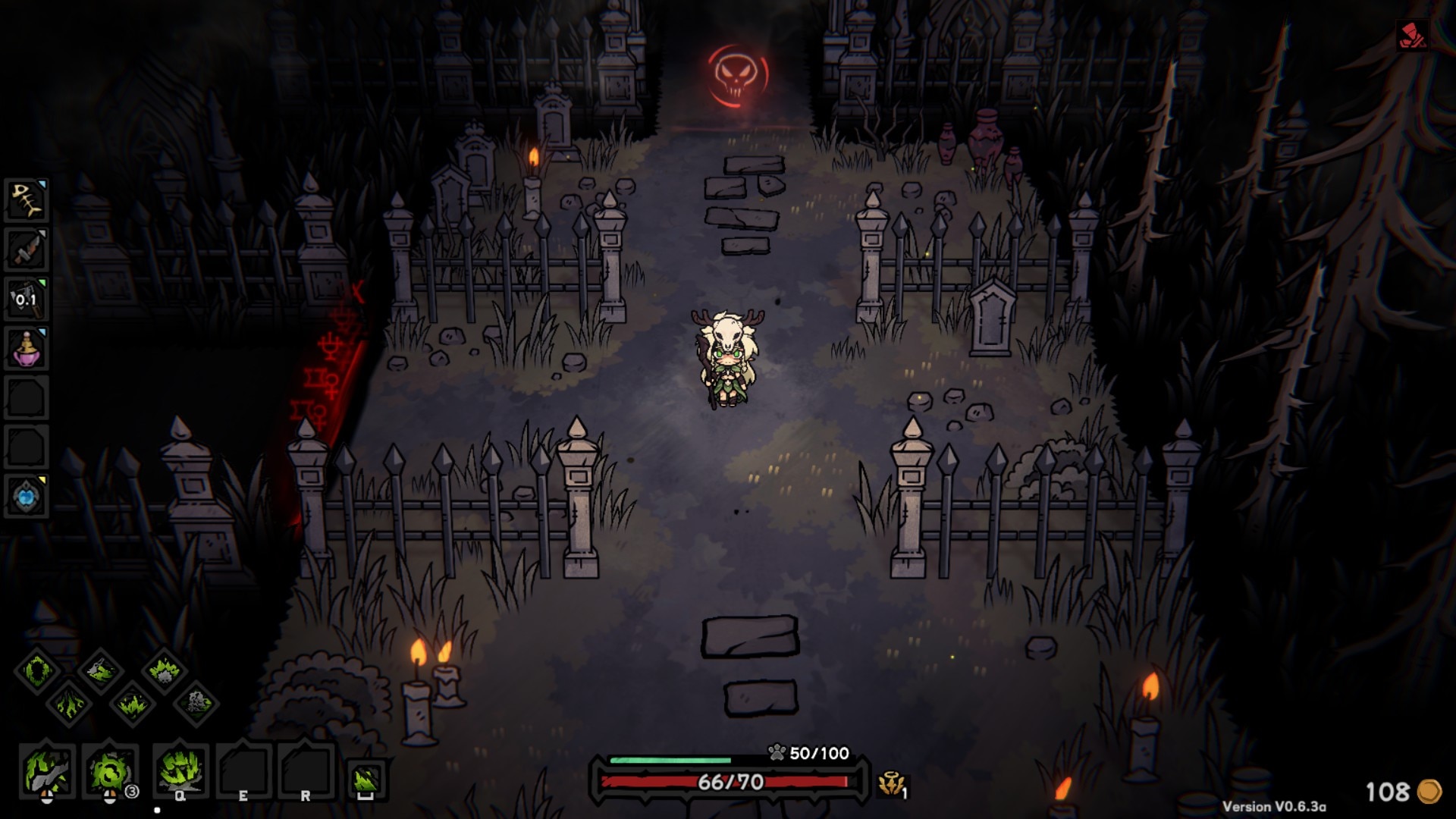
Combat in Cinderia is designed to be both responsive and adaptable, with an emphasis on maintaining fluid movement while allowing players to engage enemies in a variety of ways depending on their chosen build. The controls are tight and reliable, ensuring that actions such as dodging, attacking, and repositioning feel consistent even during more chaotic encounters.
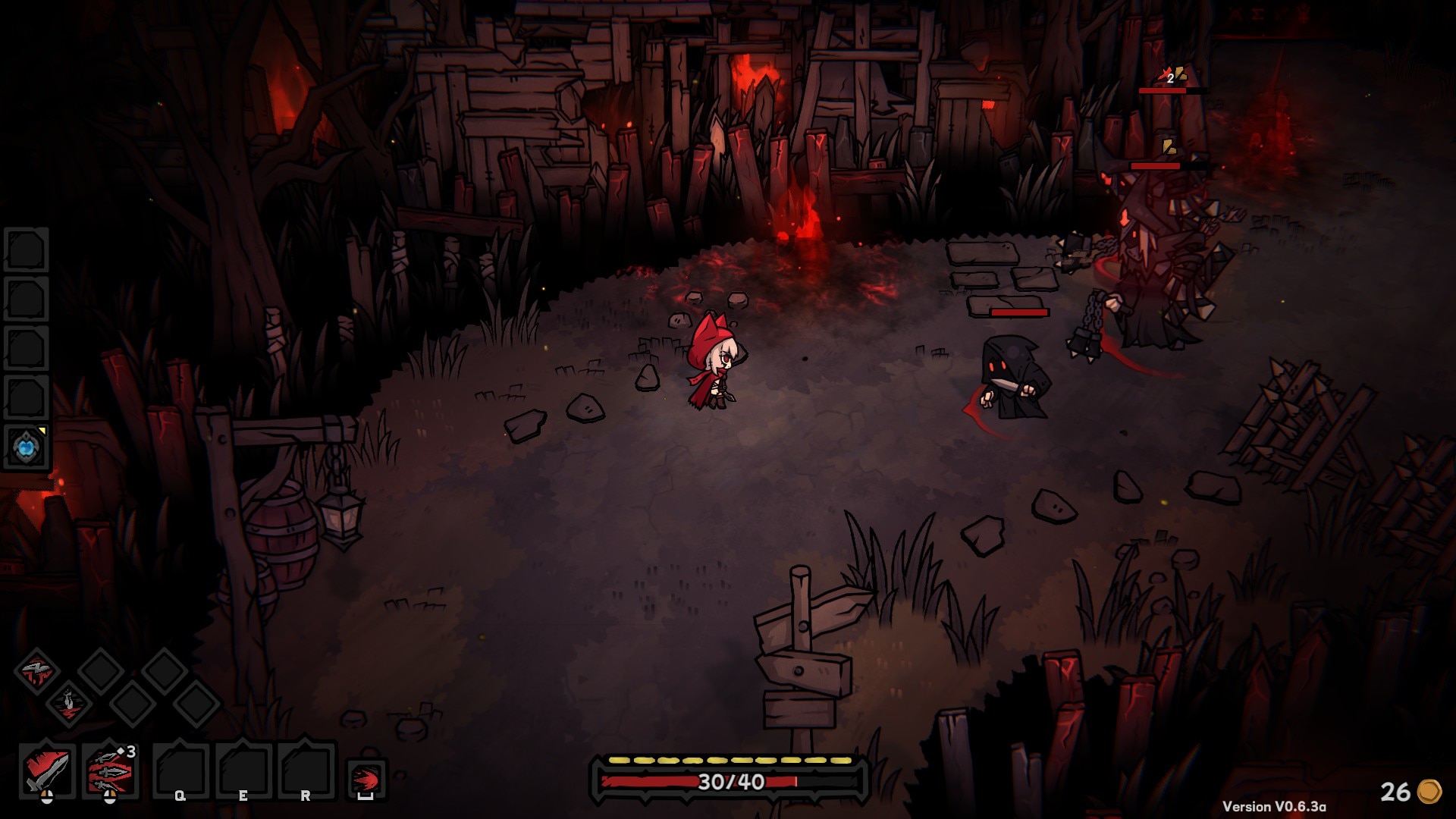
One of the defining characteristics of the combat system is its balance between speed and readability, as it avoids becoming overwhelmingly fast while still requiring quick reactions and thoughtful positioning. Enemy attacks are generally telegraphed in a way that allows players to anticipate and respond appropriately, but the challenge comes from managing multiple threats at once rather than simply reacting to a single opponent.
The variety of builds available significantly impacts how combat unfolds, as different combinations of abilities can shift the player’s approach from aggressive melee engagements to more cautious, ranged-focused strategies. This variability helps prevent combat from becoming repetitive, as each run introduces new dynamics that require players to adjust their tactics.
Boss encounters represent some of the strongest moments in the game, as they combine mechanical complexity with clear visual design to create fights that feel both challenging and fair. Each boss introduces unique patterns and phases that require players to adapt their strategy rather than relying on a single approach, which adds a layer of depth that extends beyond standard encounters.
Despite these strengths, combat is not without its issues, particularly when it comes to visual clarity during more intense moments. As players accumulate abilities and effects, the screen can become crowded with visual elements that make it difficult to track enemy movements and incoming attacks. This issue is compounded by occasional inconsistencies in hit detection, which can lead to situations where damage feels unavoidable or poorly communicated.
While these problems do not fundamentally undermine the combat system, they do highlight areas where additional refinement would significantly improve the overall experience.
Progression and Replayability
Progression in Cinderia is structured around both short-term and long-term systems, ensuring that players feel a sense of advancement even when individual runs end in failure. The meta-progression system, which allows players to unlock permanent upgrades, provides a steady sense of improvement that helps maintain engagement over extended play sessions.
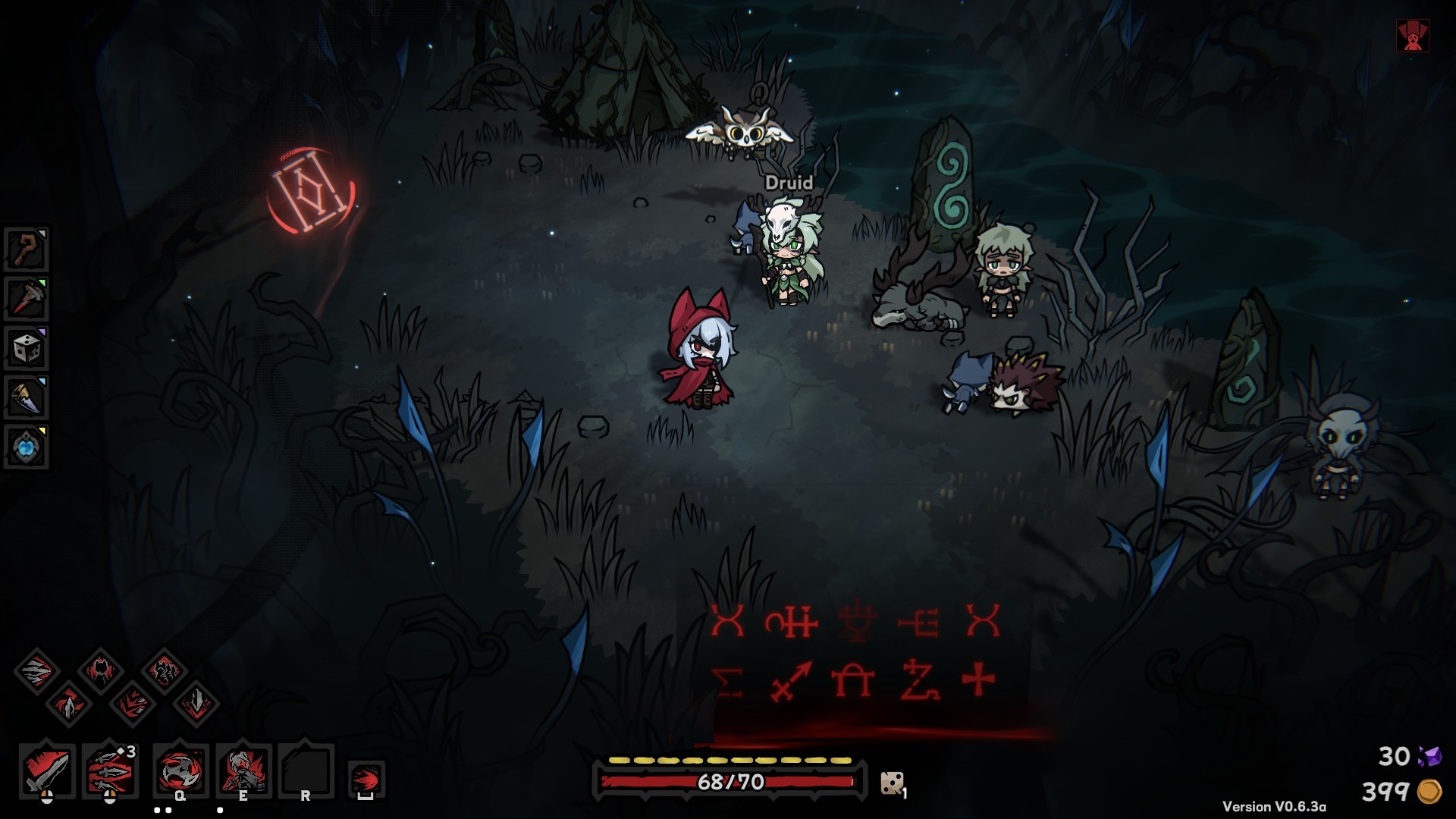
Character variety plays a significant role in enhancing replayability, as each playable character introduces a distinct set of abilities and mechanics that alter the flow of gameplay. This encourages players to experiment with different approaches, as switching characters often requires a complete reevaluation of strategy. In the early stages of the game, the combination of build variety and character diversity creates a strong sense of discovery, as players are constantly encountering new abilities and interactions.
However, as time goes on, the limitations of the current content become more apparent, with repeated enemy types and environments reducing the overall sense of novelty.
Randomness is a core component of the roguelite experience, but in Cinderia, it can sometimes feel more restrictive than empowering. While the unpredictability of upgrades adds excitement to each run, it can also result in situations where players are unable to assemble a viable build due to a lack of suitable options. This imbalance between player agency and randomness is an area that would benefit from further refinement.
Despite these issues, the underlying systems are strong enough to support long-term engagement, particularly if future updates expand the available content and address existing balance concerns.
Story and Worldbuilding
Cinderia adopts a restrained approach to storytelling, focusing on atmosphere and environmental design rather than direct narrative exposition. The game’s world is presented as a desolate landscape shaped by a catastrophic event, with fragments of lore scattered throughout the experience.
This approach allows players to engage with the story at their own pace, as narrative elements are delivered through dialogue, item descriptions, and environmental details rather than lengthy cutscenes. The result is a world that feels cohesive and immersive, even if the overarching narrative remains somewhat implicit.
While this method of storytelling is effective in establishing tone, it also means that the narrative lacks a clear sense of progression in its current state. There are hints of deeper themes and conflicts, but they are not fully developed, leaving the story feeling incomplete.
As the game continues to evolve, there is potential for the narrative to become a more integral part of the experience, particularly if additional content expands on the existing framework.
Visual Design and Art Direction
The visual design of Cinderia is one of its most distinctive features, as the hand-drawn art style gives the game a unique identity that sets it apart from many other entries in the genre. Characters and environments are rendered with a high level of detail, creating a cohesive aesthetic that reinforces the game’s dark fantasy setting.
Color is used effectively to highlight important elements, with vibrant ability effects contrasting against darker backgrounds to create a visually striking experience. Animation quality is consistently high, contributing to the overall sense of polish in moment-to-moment gameplay.
However, the emphasis on visual complexity can sometimes work against the game, particularly during intense combat scenarios where multiple effects overlap. This can make it difficult to interpret what is happening on screen, reducing the clarity of important gameplay information.
Balancing visual spectacle with readability is an ongoing challenge, and while Cinderia often succeeds in creating impressive visuals, there are moments where a more restrained approach would improve the player experience.
Sound Design and Music
The audio design in Cinderia effectively supports the game’s atmosphere, with sound effects that provide clear feedback during combat and environmental audio that enhances the overall tone. Attacks feel impactful, and the combination of audio cues helps reinforce the responsiveness of the gameplay.
The soundtrack adopts a subdued approach, focusing on ambient compositions that complement the game’s visual design without drawing too much attention to themselves. While this helps maintain immersion, it also means that the music rarely stands out as a defining element of the experience.
A more varied or dynamic soundtrack could add an additional layer of identity to the game, particularly during key moments such as boss encounters. As it stands, the audio design fulfills its role effectively but does not significantly elevate the overall experience.
Technical Performance on PC
From a technical perspective, Cinderia delivers a generally stable experience on PC, although there are areas where further optimization is needed. Performance is consistent during most gameplay scenarios, with smooth frame rates and responsive controls contributing to a solid foundation. However, more demanding situations can reveal performance limitations, particularly when multiple visual effects are active simultaneously.
Frame rate drops and occasional stuttering can disrupt the flow of gameplay, especially during critical moments. Stability issues, including crashes, are present but not overly frequent. Nevertheless, their impact is amplified by the structure of the game, as losing progress during a run can be particularly frustrating.
In addition to these larger issues, there are smaller technical inconsistencies that detract from the overall polish, including minor bugs and UI quirks. While none of these problems are severe on their own, they collectively highlight the game’s Early Access status.
Early Access State
Cinderia’s Early Access status is evident in both its strengths and its shortcomings, as the game already demonstrates a clear vision while still lacking the content and refinement needed to fully realize that vision. The core systems are well-designed and provide a strong foundation, but they require further development to reach their full potential.
Content limitations are the most noticeable issue, as the current version of the game does not offer enough variety to sustain long-term engagement without repetition. Expanding the range of enemies, environments, and events will be essential in addressing this concern.
Balance is another area that will likely evolve over time, as the complexity of the game’s systems makes it difficult to ensure that all options feel equally viable. Continued updates and adjustments will be necessary to refine the overall experience.
Despite these challenges, the game’s direction is promising, and there is a clear sense that the developers are building toward a more complete and polished product.
Final Verdict: 7.5/10
Cinderia is a game that succeeds in establishing a strong identity through its emphasis on build diversity and player-driven experimentation, offering a roguelite experience that feels both familiar and refreshingly dynamic. Its combat system is engaging, its progression mechanics are rewarding, and its visual design leaves a lasting impression.
At the same time, it is a game that has not yet fully realized its potential, as content limitations, balance issues, and technical roughness prevent it from achieving the level of consistency needed for a truly standout experience. These shortcomings are understandable given its Early Access status, but they are still significant enough to impact the overall experience.
For players willing to engage with a game that is still evolving, Cinderia offers a compelling foundation and moments of genuine brilliance. For those seeking a more complete and polished experience, it may be worth waiting to see how the game develops over time.