When Resident Evil Requiem arrived on PC in early 2026, it did so under the weight of nearly thirty years of legacy. Few video game franchises can claim the same cultural resonance, the same mix of reverence and controversy, that Resident Evil carries. From the fixed-camera corridors of the original titles to the kinetic over-the-shoulder action that defined Resident Evil 4, and through the psychological horror experiments of Resident Evil 7 and Village, the series has continually evolved. Requiem is not merely a continuation; it is a reckoning, a deliberate exploration of what the franchise can be when it simultaneously honors its roots and embraces modern design.
On modern PC hardware, the game is visually striking. Lighting, shadows, and environmental detail combine to create a world that feels palpably real. Every corridor, hallway, and abandoned building carries weight; the world is both threatening and immersive. Sound design complements this with an intricate layering of environmental audio cues that make silence as potent as explosions. The balance between tension and action defines the game’s rhythm, making it a demanding but rewarding experience for players willing to immerse themselves fully. Requiem asks more of its audience than many modern horror titles: it asks you to think, to feel, and to endure.
Story and Characters
The narrative heart of Resident Evil Requiem revolves around two protagonists whose stories are distinct yet intertwined, shaping not only the pacing but the emotional impact of the game.
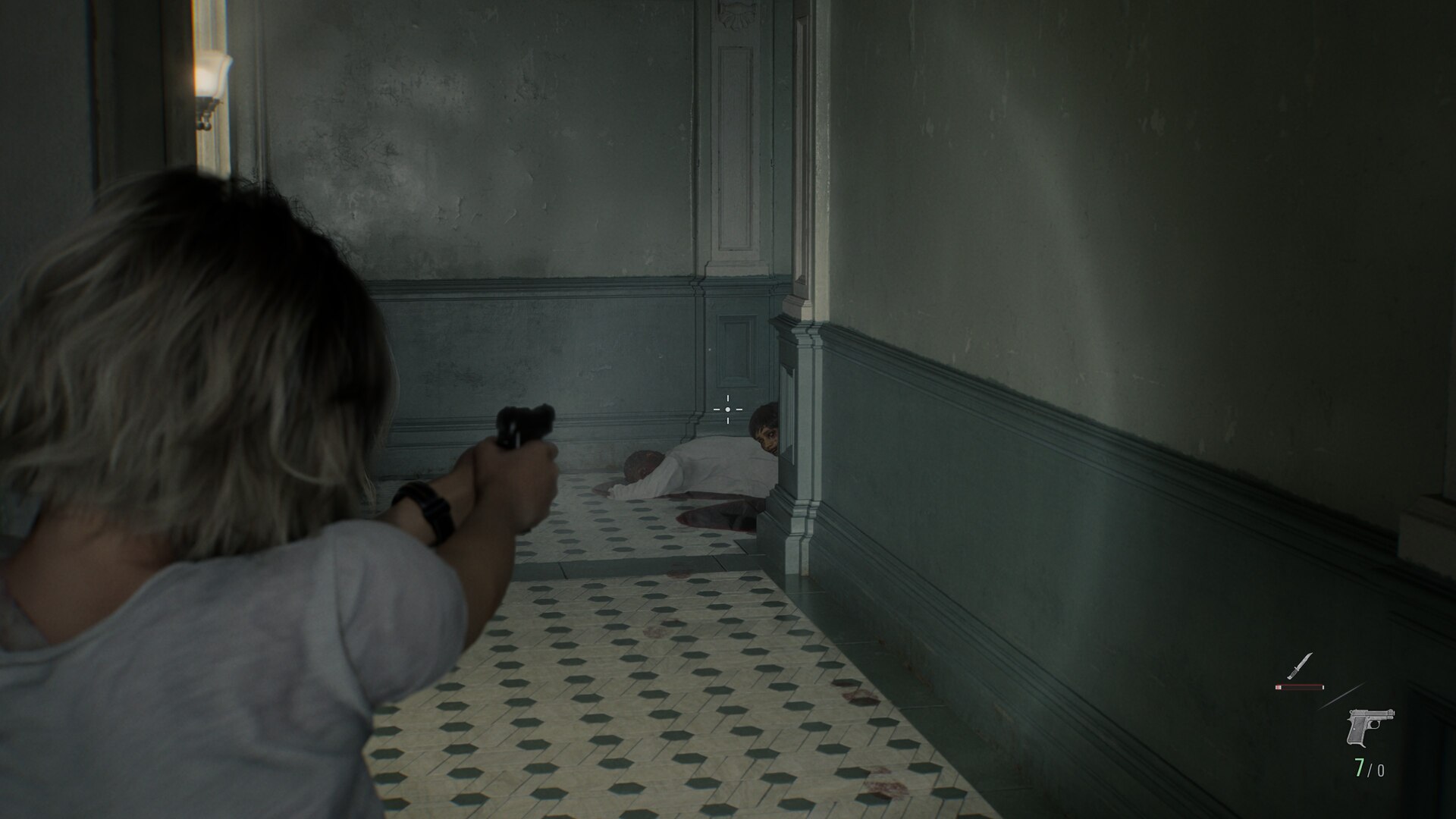
Grace Ashcroft is the newcomer whose presence is defined by vulnerability. She is an FBI analyst with a personal history steeped in trauma — her mother’s unresolved murder is a shadow that follows her into every investigation. Grace is cautious, hesitant, and human in a way that is uncommon among franchise leads. She flinches at unexpected noises, hesitates before opening doors, and navigates her world with a careful, calculated fear. Unlike Leon or previous protagonists, she is not a trained warrior; she survives by thinking, by observing, and by making difficult decisions under pressure. Her story is personal, intimate, and at times quietly harrowing.
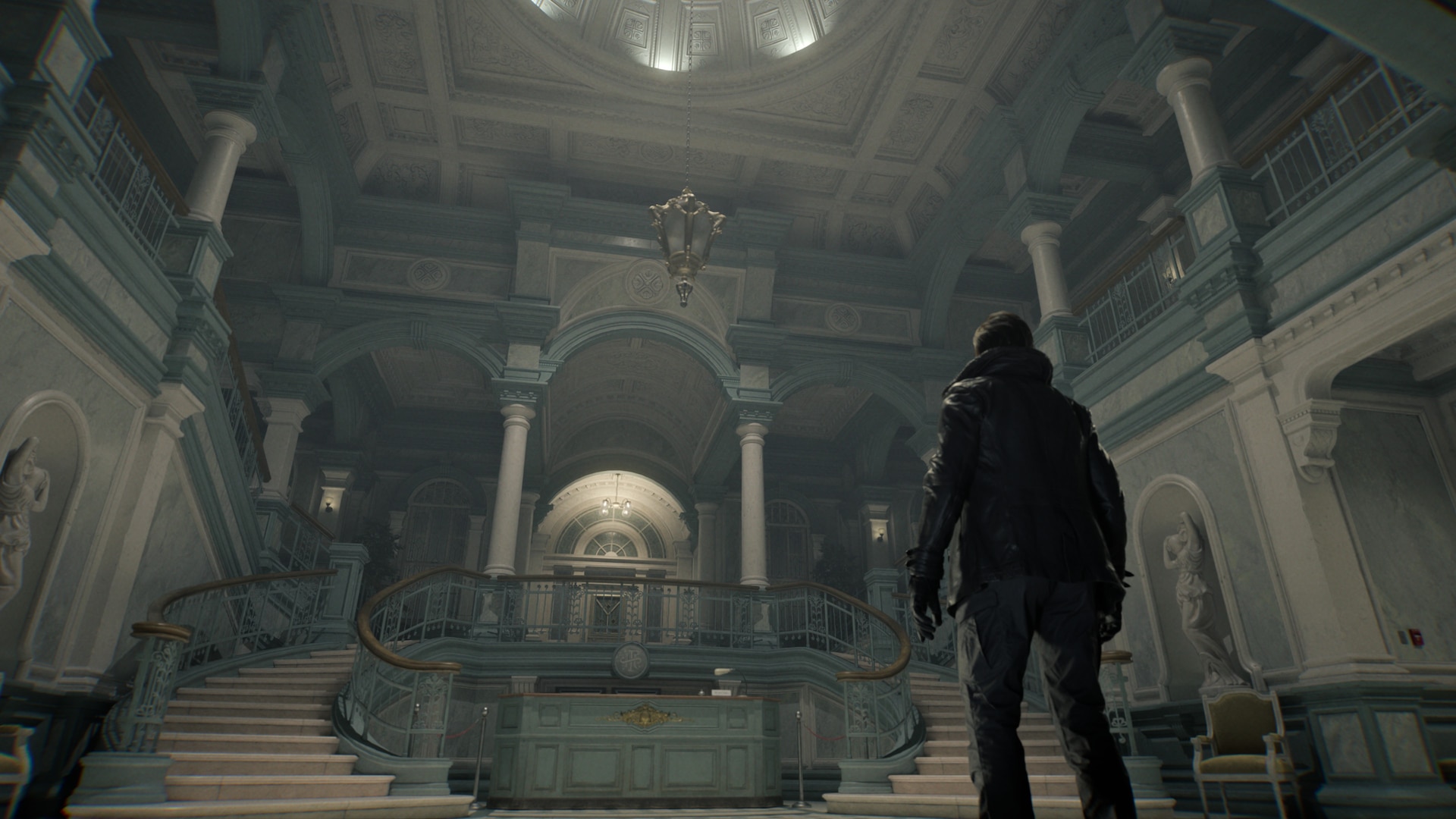
Leon S. Kennedy, a familiar presence in the franchise, represents the opposite side of this emotional coin. Older, wearier, and marked by decades of experience, Leon navigates the world with a combination of skill, strategy, and a reluctant heroism. His segments are expansive, filled with action-driven sequences, environmental hazards, and high-stakes combat. Yet beneath his competence is a human fragility: Leon is not invincible, and the game emphasizes the cumulative toll of the horrors he has faced.
The duality between Grace and Leon is not simply stylistic; it is thematic. Grace’s story confronts fear internally, exploring trauma, memory, and personal vulnerability. Leon’s story confronts danger externally, emphasizing courage, adaptability, and the moral burden of survival. Moments where their paths converge, whether narratively or emotionally, are among the game’s most powerful, creating resonance that transcends simple horror or action tropes.
Narrative Structure and Themes
Resident Evil Requiem’s structure is ambitious, intentionally oscillating between introspective survival horror and kinetic action sequences. Grace’s chapters root the player in claustrophobia, suspense, and uncertainty. She navigates spaces that are not only physically confined but psychologically weighted: abandoned medical facilities, decrepit hotels, and shadowed urban environments carry the remnants of past tragedies. The game allows moments of quiet reflection, where fear is not generated by immediate threats but by the anticipation of what could happen next. Grace’s journey is as much about uncovering her own past as it is about surviving the present, with every corridor and room steeped in tension.
Leon’s chapters accelerate the tempo, transitioning to open environments where action dominates. Raccoon City, ruined and expansive, becomes both a playground and a gauntlet. Threats are immediate, numerous, and relentless. Here, horror is tempered by agency: players can confront danger with confidence, yet the stakes remain high. Explosions, destructible environments, and ambush sequences create a sense of cinematic spectacle that contrasts sharply with the intimate dread of Grace’s narrative.
This dual structure does not always flow seamlessly. Transitions between introspective horror and action-driven sequences can feel abrupt, and some players may experience jarring tonal shifts. Yet these contrasts serve a larger thematic purpose: fear is not monolithic. It can be quiet or loud, internal or external, subtle or overwhelming. By alternating between these experiences, Requiem explores a spectrum of horror and resilience, challenging the player to adapt their emotional and strategic approach with each new segment.
Gameplay and Mechanics
The gameplay of Requiem reflects the narrative duality, offering distinct experiences for each protagonist while maintaining cohesive underlying systems.
Grace’s gameplay is measured and strategic. Ammunition is scarce, forcing careful prioritization. Combat is dangerous, often a last resort rather than a default option. Stealth, observation, and environmental manipulation are essential, and puzzles require careful attention rather than reflexive action. Inventory management is intentionally restrictive, forcing players to make meaningful choices about what to carry and when to use it. Every encounter carries weight, heightening tension and reinforcing the feeling that Grace is fragile in a dangerous world.
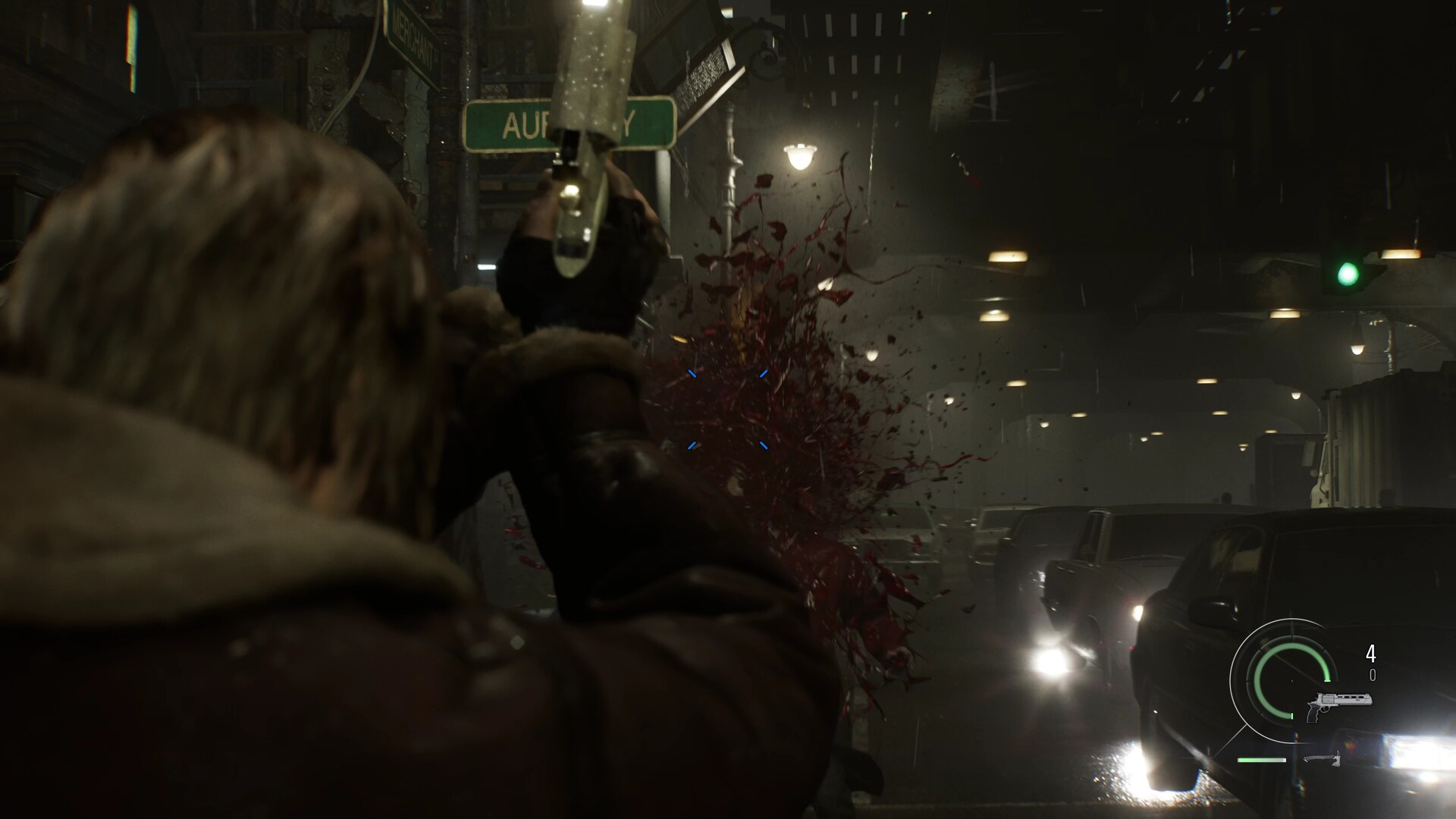
Leon’s gameplay, in contrast, emphasizes mobility, aggression, and mastery of combat systems. Weapons are responsive, powerful, and versatile. A refined parry system and additional tools such as the combat axe introduce tactical depth, rewarding players who engage proactively. Encounters with hordes of enemies challenge both aim and strategy, creating high-stakes combat that feels both thrilling and satisfying. Where Grace’s chapters are about restraint, Leon’s are about confident engagement, and the interplay between these approaches enriches the overall player experience.
Transitions between these gameplay modes are not always seamless. Some players may find the switch from calculated, tense exploration to rapid, combat-heavy sequences disruptive. However, this contrast is intentional, reinforcing character identity and thematic tone: one fears, one confronts, and both navigate the same world differently. This design choice allows Requiem to explore multiple dimensions of gameplay without forcing either protagonist into a homogenized style.
World Design, Atmosphere, and Enemies
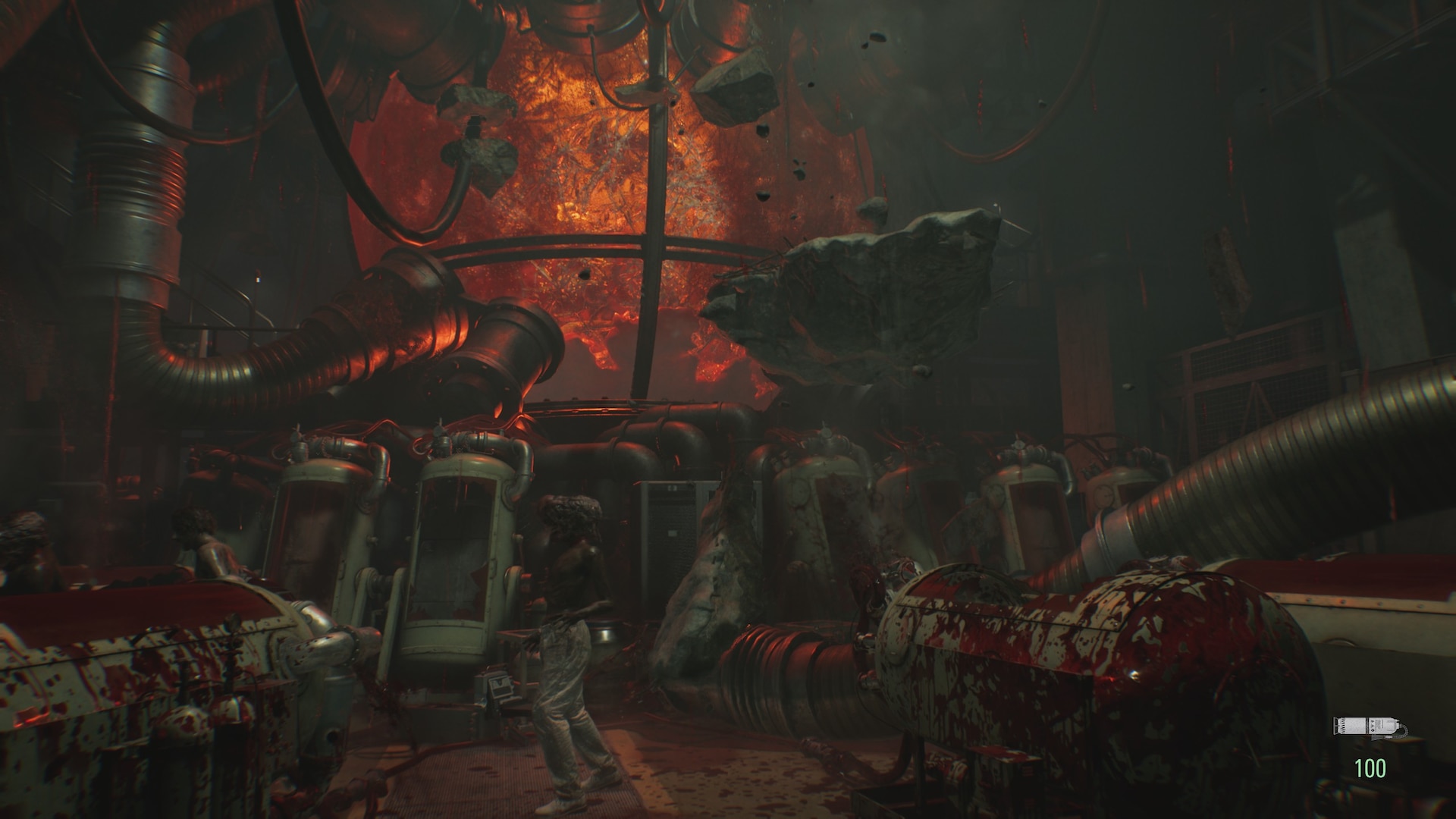
The environments in Requiem are among its most compelling features. Grace’s chapters inhabit claustrophobic, decayed, and psychologically evocative spaces. Medical facilities, abandoned hotels, and shadowed corridors feel not only physically constraining but emotionally charged, each location steeped in history and narrative subtext. Lighting is a character in itself, casting long shadows, flickering unpredictably, and amplifying the tension of every exploration sequence. Environmental storytelling is subtle but effective: scattered notes, overturned furniture, and decayed personal belongings hint at past lives and tragedies, creating a world that feels lived-in yet threatening.
Leon’s arenas contrast sharply with Grace’s intimate spaces. Raccoon City and other open environments are expansive, destructible, and designed for spectacle. Streets, plazas, and ruined buildings serve as arenas for combat, ambushes, and environmental hazards. These spaces emphasize player agency, allowing improvisation and dynamic responses to threats. The scale of the environments reinforces the intensity of action sequences, creating a cinematic quality that contrasts effectively with the tension of Grace’s chapters.
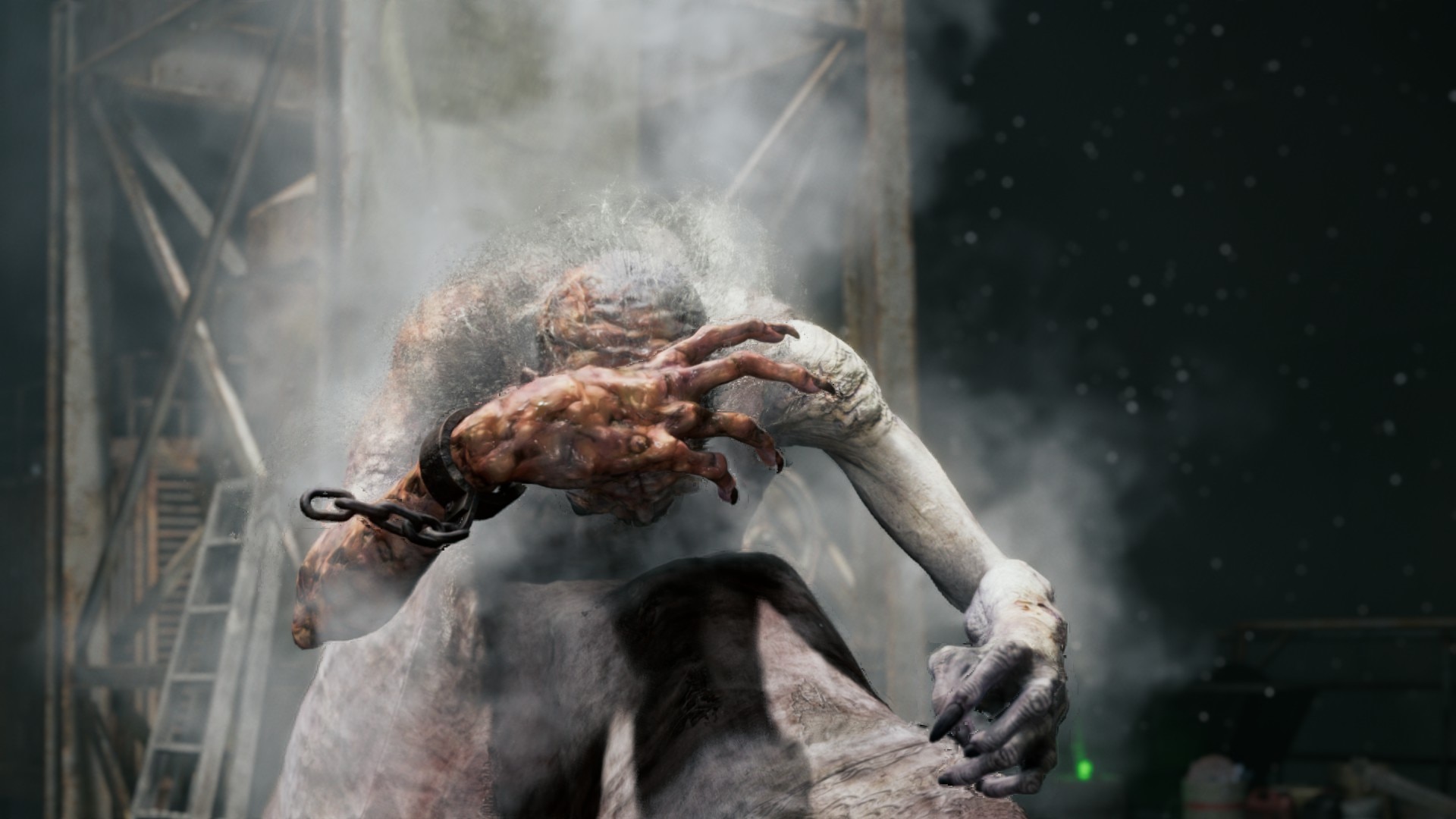
Enemy design reinforces this duality. Grace faces foes whose unpredictability generates psychological tension. Their movement patterns are erratic, their behavior sometimes intelligent, creating moments of fear that feel organic rather than scripted. Leon, by contrast, confronts large numbers of aggressive adversaries, demanding precision, situational awareness, and tactical decision-making. Across both protagonists, the game maintains variety and challenge, ensuring that encounters remain engaging, suspenseful, and thematically appropriate.
Sound Design and Score
The game’s audio design is exemplary. Grace’s chapters use silence as a weapon, with ambient cues amplifying tension and anticipation. The faint echo of distant footsteps, the creak of unstable flooring, and the rustle of unseen movement all contribute to a pervasive sense of unease. Leon’s sequences, by contrast, use sound to reinforce kinetic energy. Gunfire, explosions, and environmental hazards combine into a dynamic auditory experience that drives momentum and reinforces urgency.
The musical score complements these approaches, shifting between suspenseful, minimalistic motifs and sweeping, action-driven compositions. Music rarely dominates the scene; instead, it underscores emotion, heightening engagement without distracting from environmental cues or narrative focus.
Voice performances are similarly strong. Grace’s vulnerability is conveyed through nuanced reactions, whispered fears, and subtle expressions of resolve. Leon’s experience and weariness are reflected in dialogue delivery, balancing confidence with the emotional toll of decades confronting horror. Together, these elements create an audio landscape that is immersive, emotionally resonant, and complementary to gameplay.
Technical Performance on PC
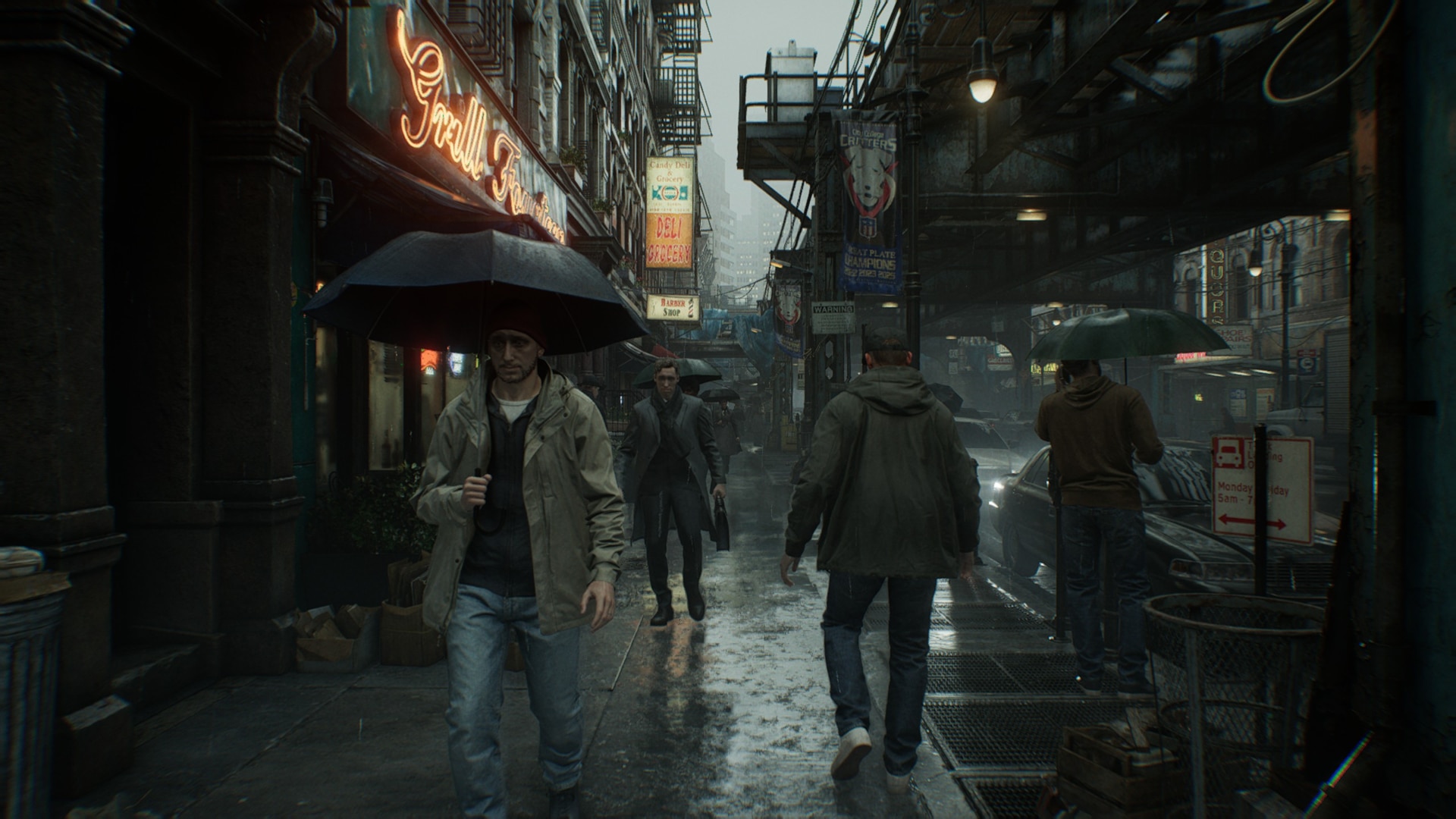
On PC, Requiem is a showcase of Capcom’s RE Engine, achieving high levels of graphical fidelity, lighting realism, and environmental detail. Shadows behave naturally, reflections are responsive, and textures exhibit depth that enhances immersion. Character models display subtle micro-gestures, from nuanced expressions to movement cues that communicate emotion and intent.
Performance scales across hardware configurations, with options for path tracing, next-generation lighting, and environmental effects allowing players to tailor the experience. On high-end rigs, the game achieves near-photorealistic presentation, while mid-range systems maintain stable frame rates and visual clarity. Beyond technical achievement, these features serve gameplay and storytelling, enhancing tension, atmosphere, and player engagement.
Even small details — the flicker of a broken light, the sheen of water on a floor, the sway of debris in wind — contribute to the believability of the world. On PC, where these subtleties are most evident, Requiem achieves a sense of immersion that few modern horror games manage.
Emotional Tone and Player Engagement
Resident Evil Requiem succeeds in crafting an emotionally resonant experience. Grace’s fear is tangible and engaging, transforming gameplay into empathetic immersion. Players feel the stakes of every decision, every encounter, and every moment of hesitation. Leon’s chapters provide contrast, emphasizing endurance, skill, and courage under pressure. The interplay between the two perspectives creates a layered experience in which horror is both external and internal, dynamic and reflective.
This dual approach encourages sustained engagement. Players are not only surviving threats but grappling with their emotional impact. Fear, tension, exhilaration, and relief are interwoven throughout, creating a complex and satisfying rhythm that sustains interest across the game’s runtime.
Strengths and Limitations
No game of Requiem’s ambition is without flaws. Some players note that the dual-protagonist structure can disrupt pacing. The transition between Grace’s measured horror and Leon’s kinetic action is occasionally abrupt, and tonal shifts may jar expectations. Narrative density can also pose challenges. Certain plot developments rely on prior franchise knowledge, which can make the story less accessible to newcomers. A few story beats may feel underdeveloped or convenient, particularly in later chapters.
Despite these challenges, the game’s willingness to embrace complexity is one of its defining strengths. Requiem does not simplify horror for accessibility. It asks players to navigate tension, agency, and emotional resonance simultaneously, creating a richer and more engaging experience than many modern horror titles achieve.
Final Verdict: 9/10
Resident Evil Requiem is a bold and multifaceted entry in a storied franchise. On PC, it demonstrates technical mastery, narrative ambition, and emotional depth. Grace Ashcroft and Leon S. Kennedy embody distinct philosophies of survival: one inward and fragile, the other outward and resilient. Their stories intersect, contrast, and illuminate one another, creating a layered exploration of fear, trauma, and courage.
The environments are meticulously crafted, the audio design immersive, and the gameplay mechanics thoughtfully aligned with character identity. While tonal shifts and pacing inconsistencies may challenge some players, these very contrasts define the game’s ambition. Requiem reminds us that fear is not singular; it is a spectrum, one that encompasses both quiet dread and explosive confrontation. It does not merely ask players to survive; it asks them to feel, to adapt, and to endure. In doing so, it reinforces why Resident Evil remains a standard-bearer for horror and storytelling in interactive entertainment.