
Reanimal is the latest project from Tarsier Studios, published by THQ Nordic, and it arrives with clear creative intent. The studio has established a recognizable identity built around atmospheric horror, cinematic platforming, and environmental storytelling, and this new release continues along that trajectory while introducing several structural changes. Designed for both solo and cooperative play, the game centers on two siblings navigating a twisted version of their home in search of missing friends, confronting grotesque creatures and fragments of a traumatic past.
From the opening moments, it becomes apparent that Reanimal prioritizes mood and emotional tension over mechanical complexity. The experience is compact, focused, and visually striking, emphasizing immersion rather than player agency in the traditional systemic sense. This approach will resonate strongly with players who appreciate tightly directed experiences, though those seeking deep gameplay system or extensive exploration may find the scope limited.
On PC, the game presents itself as a technically modern production with strong audiovisual design and deliberate pacing. While not without flaws, it succeeds in delivering a cohesive horror experience that feels purposeful from beginning to end.
Gameplay and Mechanics
Reanimal operates primarily as a cinematic puzzle-platformer with stealth elements and occasional survival-horror sequences. Players control a brother and sister whose cooperation forms the foundation of progression. Movement mechanics include climbing, jumping, balancing, interacting with objects, and hiding from threats. The controls are responsive and intuitive, though intentionally weighted to reinforce vulnerability rather than agility.
The cooperative dimension is integrated deeply into the design. Many obstacles require coordinated interaction, such as lifting objects together, boosting one character to higher platforms, or synchronizing movements to bypass hazards. In single-player mode, the second character is controlled by AI, which generally performs competently and rarely disrupts progress. However, the emotional tone shifts noticeably when playing with another human participant, as shared tension and communication naturally enhance immersion.
Puzzle design favors clarity over complexity. Challenges typically involve environmental observation followed by straightforward execution. Instead of abstract logic problems, puzzles emerge organically from the environment, such as rerouting pathways, manipulating mechanical devices, or timing movements around enemy patrols. This accessibility keeps pacing consistent and prevents frustration from interrupting narrative flow, though it also means experienced puzzle players may find the mechanics somewhat shallow.
Stealth sequences represent some of the most effective gameplay moments. Encounters with hostile creatures often require careful positioning, patience, and timing. Rather than overwhelming players with difficulty, the game creates tension through audiovisual cues and spatial uncertainty. The sense of being hunted is achieved through sound design, limited visibility, and enemy scale rather than complex stealth system.
Combat exists but is intentionally limited. Characters occasionally use improvised tools or environmental hazards to defend themselves, but these moments are rare and somewhat clumsy compared to the rest of the gameplay. The design choice clearly emphasizes helplessness over empowerment, aligning with the overall horror tone. While this supports atmosphere, it can also make certain encounters feel mechanically under-developed.
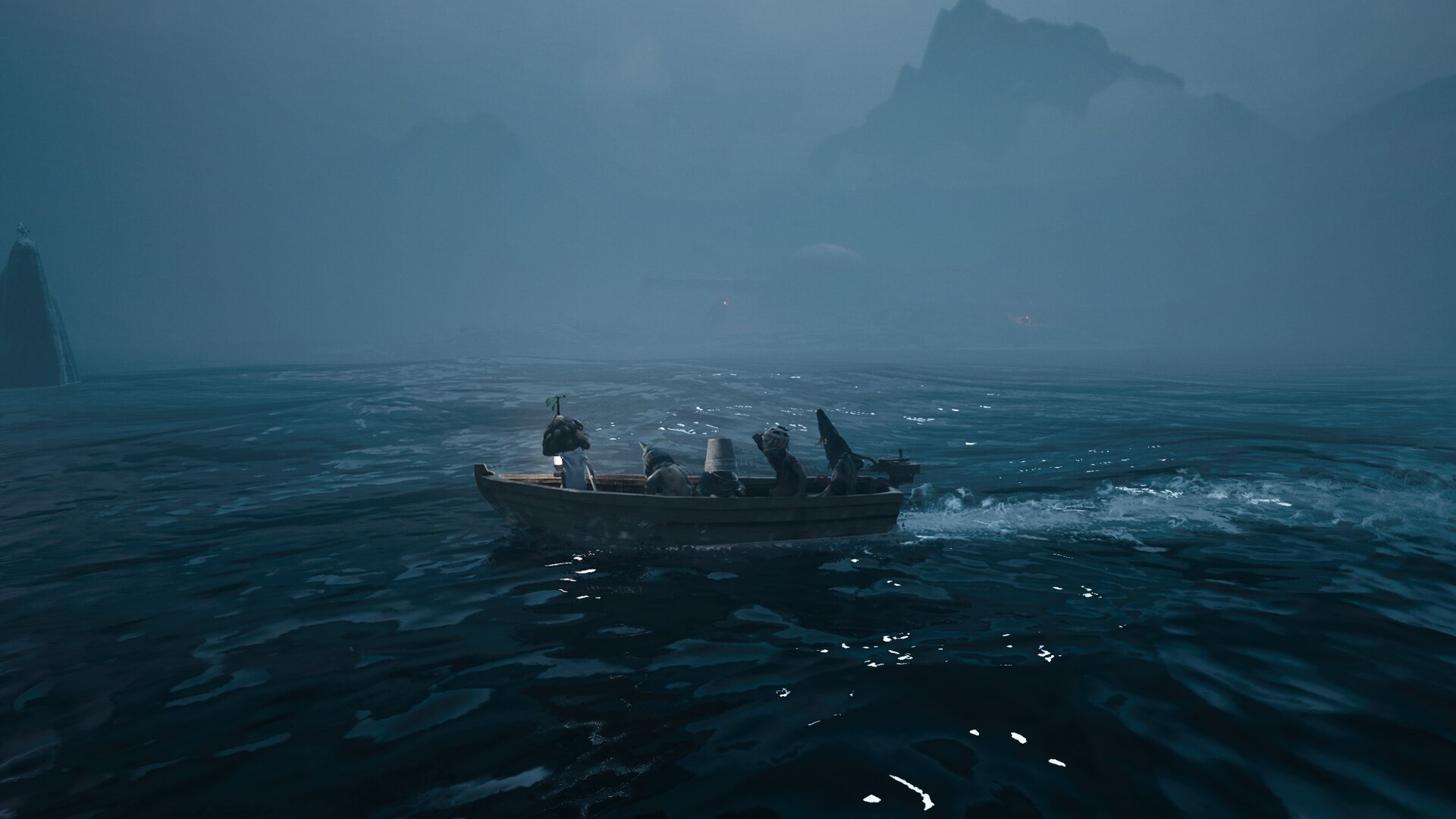
One of the most meaningful additions to the gameplay structure is the introduction of a boat used for traversal between locations. This feature creates a semi-nonlinear progression system that allows players to revisit areas and explore optional environments beyond the main path. Although exploration remains constrained compared to open-world titles, the boat provides breathing room between chapters and adds a welcome sense of agency.
Overall, gameplay mechanics serve the narrative and atmosphere effectively, even if they lack depth. The systems are tools for delivering tension rather than ends in themselves.
Level Design and World Structure
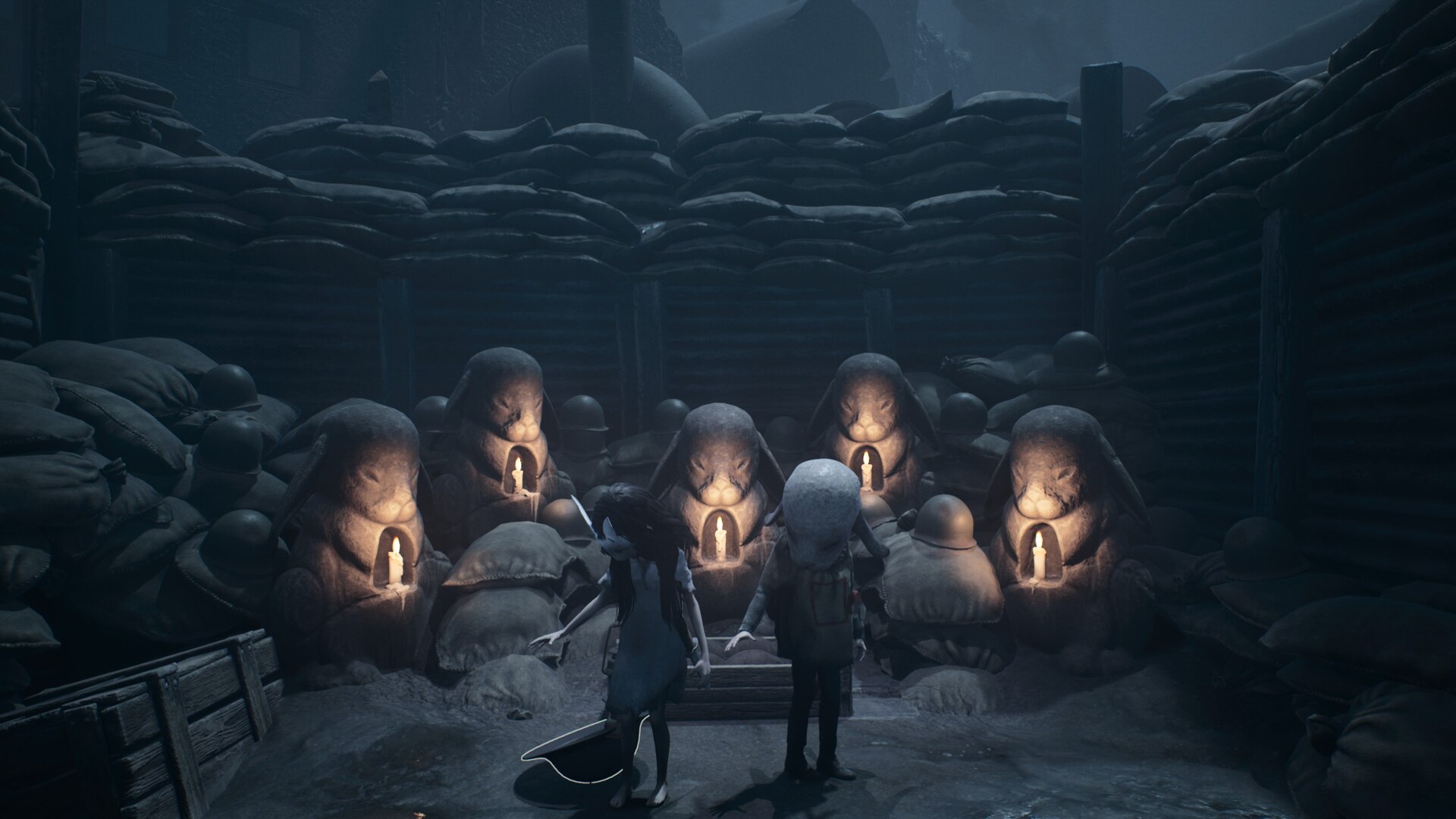
The world of Reanimal is fragmented and surreal, blending grounded environments with nightmarish distortions. Locations include abandoned settlements, industrial ruins, flooded landscapes, and grotesque organic spaces that feel almost alive. Rather than presenting a coherent geographical world, the game unfolds as a sequence of emotionally charged environments connected through thematic logic.
Level design emphasizes visual storytelling. Environmental details often imply past events without explicitly explaining them. Broken machinery, decaying architecture, and unsettling creature remains contribute to a sense of history and loss. Players are encouraged to interpret meaning rather than receive direct exposition.
Spatial progression is carefully choreographed to maintain tension. Narrow corridors, vertical climbs, and sudden shifts in scale create a sense of unpredictability. Large environments are frequently juxtaposed with claustrophobic spaces, preventing visual monotony. The game also uses perspective changes effectively, shifting camera angles to highlight environmental scale or conceal threats until the last moment.
Chase sequences serve as structural highlights. These segments combine scripted events with player control, producing cinematic bursts of intensity. While they are not mechanically complex, they are paced well and visually memorable.
The boat traversal system contributes to pacing by breaking up linear progression. Sailing between islands introduces moments of quiet reflection that contrast with the intensity of the main levels. Optional areas discovered through exploration often contain additional narrative hints or visual set pieces, rewarding curiosity without overwhelming players with side content.
Narrative and Storytelling
Reanimal adopts an intentionally ambiguous narrative approach that prioritizes mood and interpretation over direct exposition. Dialogue is minimal, and traditional storytelling devices such as cutscene explanations or explicit lore delivery are largely absent. Instead, the game communicates meaning through imagery, environmental context, and character interaction. The central premise is straightforward on the surface: two siblings searching for missing friends while attempting to escape a corrupted homeland. Beyond that framework, however, the narrative becomes increasingly abstract, inviting players to construct their own understanding of events rather than providing definitive answers.
Themes of trauma, memory, and childhood vulnerability permeate the experience from beginning to end. The world itself appears shaped by psychological forces as much as physical ones, with creatures and environments reflecting emotional states rather than literal occurrences. Certain locations evoke memories of domestic spaces or familiar childhood environments, only to distort them into something threatening or decayed. This interplay between familiarity and corruption reinforces the sense that the world may represent internal experiences as much as external reality. The ambiguity creates intrigue and encourages interpretation, but it also risks emotional distance, as players seeking clear narrative resolution may find the story fragmented or elusive.
The sibling relationship forms the emotional core of the game and provides its strongest sense of grounding. Their interactions are expressed through gestures, proximity, and cooperative mechanics rather than spoken dialogue. Small details, such as one character hesitating before entering a dangerous area or instinctively reaching for the other after a frightening encounter, communicate trust and dependence without words. These subtle moments create authenticity and warmth within an otherwise bleak setting, allowing players to form an emotional connection even when the broader narrative remains unclear. The cooperative gameplay itself reinforces this bond, turning mechanical interaction into storytelling.
Antagonistic forces are presented more as manifestations than traditional villains. Monsters rarely have explicit identities or motivations, functioning instead as symbolic obstacles tied to the environment or thematic ideas. Their designs often suggest distorted animals or warped human figures, implying transformation or corruption rather than independent agency. This approach strengthens thematic cohesion but reduces narrative clarity, as players are given few concrete explanations for the origin or purpose of these threats. The sense of confronting embodiments of fear or trauma becomes more important than understanding them logically.

Environmental storytelling extends beyond visuals into pacing and progression. The order in which locations are encountered often mirrors emotional escalation, moving from relatively grounded environments toward increasingly surreal or oppressive spaces. Objects placed throughout levels sometimes hint at past events, relationships, or societal collapse, but rarely confirm them outright. Players may notice recurring visual motifs or symbolic imagery that suggest deeper meaning, though interpretation remains open-ended.
The story’s conclusion continues this philosophy. Rather than delivering a fully explained resolution, it emphasizes emotional closure between the siblings while leaving broader questions unanswered. For some players, this openness enhances the experience, allowing reflection and discussion after completion. For others, the lack of narrative clarity may feel unsatisfying, particularly if they prefer concrete storytelling arcs with defined causes and consequences.
Ultimately, Reanimal’s narrative succeeds less as a traditional plot and more as an emotional and atmospheric journey. Its strength lies in the relationship between its protagonists and the consistent tone of unease that surrounds them. Players willing to engage with symbolism and ambiguity are likely to find the storytelling memorable, while those seeking clear explanations may perceive it as incomplete.
Art Direction and Visual Presentation
Visually, Reanimal is one of the strongest entries in its genre. The art direction blends realism with grotesque exaggeration, creating environments that feel both believable and deeply unsettling. Lighting plays a crucial role, with dynamic shadows and volumetric effects contributing to atmosphere. Darkness is used not simply to obscure but to shape emotional tone.
Creature design is particularly notable. Many enemies appear as corrupted animals or distorted humanoid forms, merging familiar anatomy with unnatural proportions. This approach taps into primal discomfort by presenting recognizable shapes in unfamiliar ways. The visual language consistently reinforces themes of decay and transformation.
Environmental variety prevents visual fatigue. Each location introduces new textures, color palettes, and architectural motifs, maintaining visual interest throughout the relatively short campaign. Large-scale structures are used effectively to emphasize character vulnerability, often dwarfing the protagonists against overwhelming surroundings.
Camera direction deserves special attention. Instead of maintaining a fixed perspective, the camera shifts dynamically to frame scenes cinematically. This enhances storytelling and allows dramatic compositions, though it occasionally obscures navigation or depth perception. Most of the time, however, the benefits outweigh the drawbacks.
Character animation is subtle but expressive. Movements convey weight and effort, reinforcing the sense that the protagonists are physically vulnerable children rather than heroic figures. Facial detail is limited, but body language communicates emotion effectively.
Sound Design and Music
Sound design plays a central role in the game’s atmosphere. Ambient audio often carries more emotional weight than music, with environmental noises such as distant machinery, creaking structures, and creature sounds building tension gradually. Silence is used deliberately, creating anticipation before major events.
The musical score is restrained and situational. Instead of continuous background music, compositions appear during key emotional or dramatic moments, amplifying impact. The orchestration leans toward low tones and dissonant textures, supporting the horror tone without overwhelming other audio elements.
Creature audio design is particularly effective. Many enemies are introduced through sound cues before becoming visible, allowing players to anticipate danger. Spatial audio enhances immersion, especially when using headphones, making it easier to sense movement and proximity.
Voice acting is minimal, limited mostly to breathing, exertion, and emotional reactions. This choice aligns with the narrative style and prevents dialogue from disrupting immersion.
Cooperative Play
Cooperative functionality is one of the defining features of Reanimal. The game supports both local split-screen and online play, allowing two players to share the experience seamlessly. The shared camera system keeps both characters within the same frame, preserving cinematic tension rather than dividing attention between separate viewpoints.
Playing cooperatively changes the emotional dynamic significantly. Communication between players naturally increases engagement, and moments of danger become shared experiences rather than solitary challenges. Successes feel collaborative, while failures often lead to spontaneous reactions that strengthen immersion.
At the same time, the game remains fully playable alone. The AI companion performs reliably, and the pacing remains intact. Some players may even prefer solo play, as isolation can intensify the horror atmosphere.
The flexibility to choose either approach adds value without compromising design integrity.
Horror and Emotional Impact
The horror in Reanimal relies more on sustained unease than sudden shocks. While occasional startling moments exist, the primary tension comes from atmosphere, scale, and implication. The game rarely provides a sense of safety, maintaining emotional pressure throughout.
Imagery can be disturbing, particularly in sequences involving creature transformations or environmental decay. The tone is consistently bleak, though small moments of tenderness between the siblings provide contrast and emotional grounding.
Helplessness is a deliberate design choice. Players rarely feel powerful, and survival often depends on avoidance rather than confrontation. This vulnerability enhances immersion and differentiates the experience from action-oriented horror titles.
Emotional impact varies depending on player interpretation of the narrative. Those who connect with the symbolic themes may find the experience deeply affecting, while others may perceive it primarily as an atmospheric journey.
Technical Performance on PC
On PC, Reanimal performs well overall, benefiting from modern engine technology. Visual settings are scalable, allowing a range of hardware configurations to achieve stable performance. High settings showcase detailed lighting, environmental effects, and textures that significantly enhance immersion. Loading times are minimal, thanks to efficient streaming system. Transitions between areas feel seamless, maintaining narrative flow.
Frame rates remain stable under most conditions, though occasional dips can occur during complex scenes with heavy effects.
Minor technical issues are present. Camera clipping occasionally interferes with visibility, and rare animation glitches can appear during transitions. Navigation ambiguity sometimes results from cinematic framing rather than mechanical problems, though it can still cause brief frustration.
Control responsiveness is solid with both keyboard and mouse and controller input, though analog movement with a controller generally feels more natural for the game’s design.
Overall, the PC version is technically competent and delivers a polished experience with only minor imperfections.
Length and Replay Value
The campaign length is relatively short, typically lasting around four to five hours depending on exploration and player familiarity with puzzle mechanics. While some may consider this limited, the pacing ensures the experience rarely feels padded.
Replay value depends largely on player interest in revisiting atmosphere and discovering optional content. Cooperative play offers a different emotional experience compared to solo play, which may encourage a second run. Optional exploration areas accessed via the boat provide additional environmental storytelling but do not drastically alter the narrative.
The game does not feature extensive branching paths or multiple endings, so replay motivation comes primarily from appreciation rather than discovery.
Final Verdict: 8/10
Reanimal is a focused, atmospheric horror experience that prioritizes emotional tone, visual storytelling, and cinematic pacing over mechanical complexity. Its strengths lie in art direction, sound design, and the relationship between its two protagonists, all of which combine to create a memorable journey despite its short duration.
The gameplay system is intentionally simple, sometimes to the point of feeling under-developed, particularly in combat scenarios. Narrative ambiguity may intrigue some players while leaving others unsatisfied. Technical performance on PC is strong overall, with only minor issues.
Ultimately, Reanimal succeeds by committing fully to its artistic vision. It delivers an unsettling, emotionally grounded experience that lingers in memory even after completion. Players seeking deep mechanics or long playtime may find it limited, but those who value atmosphere, presentation, and cohesive tone will likely consider it a worthwhile experience.


