Menace is a turn-based tactical strategy game set in a fragmented science-fiction frontier, developed by Overhype Studios and published by Hooded Horse. As the studio’s first major project since Battle Brothers, Menace represents both continuity and expansion: a familiar emphasis on consequence, attrition, and player responsibility, applied to a very different thematic and mechanical context.
Where Battle Brothers used low-fantasy aesthetics and small-scale skirmishes to communicate vulnerability and scarcity, Menace adopts a militarized science-fiction setting defined by logistics, isolation, and operational strain. The tone is pragmatic rather than heroic. The player is not positioned as a savior or chosen figure, but as a commander making difficult decisions with limited information and fewer safety nets.
The game situates the player in the Wayback system, a remote region cut off from centralized authority and shaped by competing factions and ongoing instability. Narrative delivery is minimal and largely systemic. Rather than presenting a traditional story arc, Menace allows its world to emerge through mission outcomes, faction pressures, and the cumulative effects of loss and compromise.
As an Early Access release, Menace is still evolving. Some systems feel underdeveloped, and others are in clear need of refinement. However, the game already demonstrates a strong and consistent identity, grounded in deliberate pacing and mechanical depth rather than spectacle or accessibility.
Gameplay and Mechanics
The structure of Menace is built around the interaction between two primary layers: a strategic campaign layer and a tactical combat layer. Progress requires not only competence in each layer, but an understanding of how decisions made in one reverberate through the other.
The strategic layer governs mission selection, force readiness, and resource allocation. The tactical layer determines whether those strategic choices are executed efficiently or undermined through casualties and inefficiency. Mistakes are rarely isolated. Tactical losses weaken strategic options, while strategic overreach can force players into tactically unfavorable engagements.
Importantly, Menace does not attempt to smooth these interactions for the sake of accessibility. The game assumes that players will make mistakes, and it rarely intervenes to mitigate the consequences. Campaigns can and do fail, sometimes gradually, through accumulated losses rather than dramatic turning points.
Mechanically, the game is straightforward in terms of control and input, but dense in implication. Actions are simple; outcomes are not. This design places the burden on decision-making rather than execution.
Strategic Layer and Campaign Structure
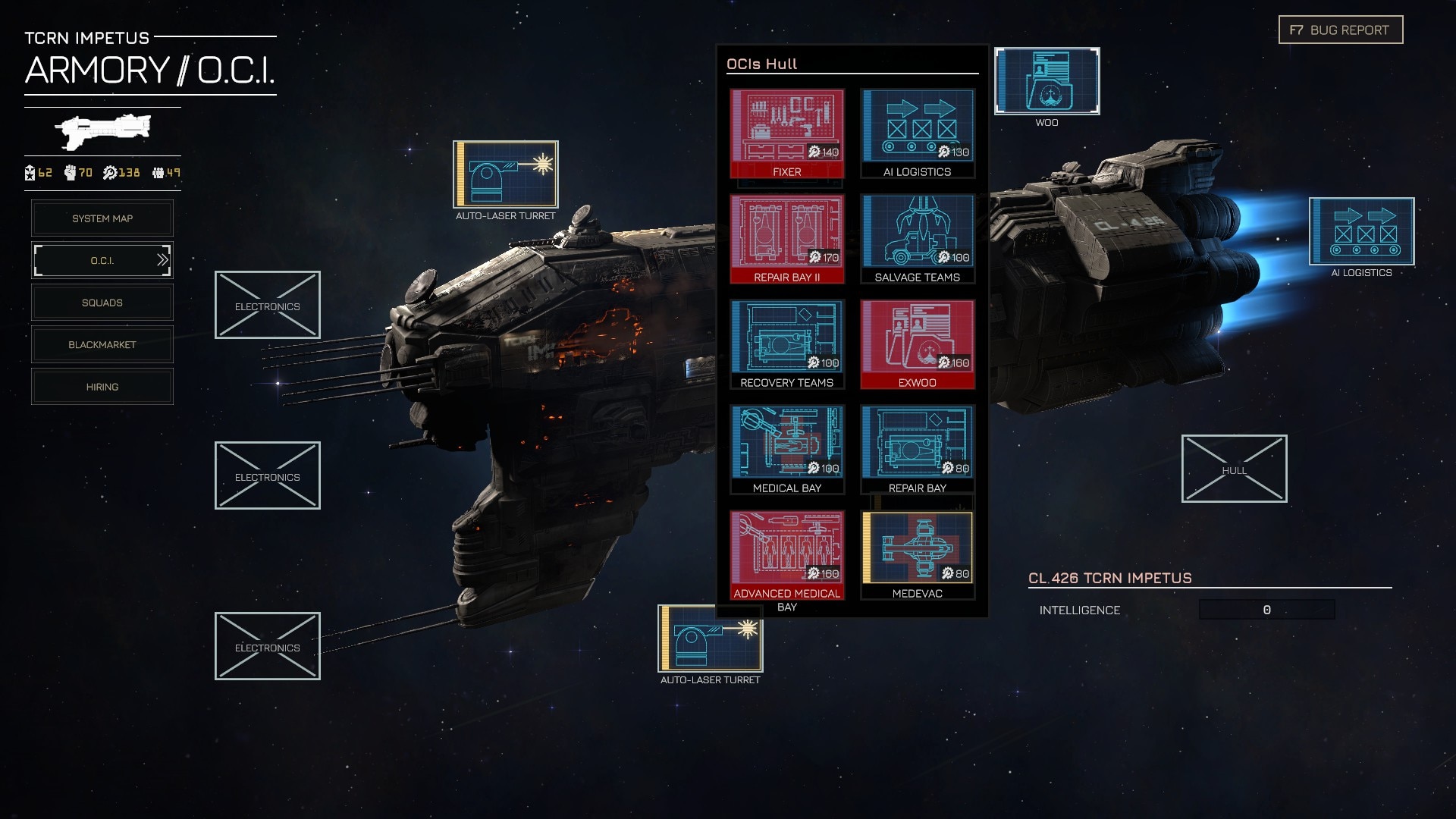
The strategic layer serves as the connective tissue of the entire experience. From a mobile headquarters, players evaluate mission offers, manage squads, and decide how aggressively—or conservatively—to operate within the Wayback system.
Missions appear dynamically and vary in objective type, scale, and difficulty. The game does not clearly mark which missions are safe or optimal. Instead, players are expected to interpret contextual cues, such as faction involvement, distance, and potential rewards, and weigh them against their current operational capacity.
Manpower is the most restrictive resource. Soldiers lost in combat are permanently removed from the campaign, and reinforcements are slow and unreliable. This creates a constant undercurrent of tension, where even successful missions can feel costly if casualties are incurred.
Equipment and logistical capacity impose additional constraints. Heavy vehicles and advanced units offer clear tactical advantages but increase operational strain. Deploying them too frequently can leave the player unable to respond to future threats, while relying solely on lighter forces may result in unsustainable attrition.
The campaign does not present a clearly defined “winning” path. Instead, it asks players to survive for as long as possible while managing decline. Success is measured less by expansion or dominance and more by endurance and adaptation.
Tactical Combat
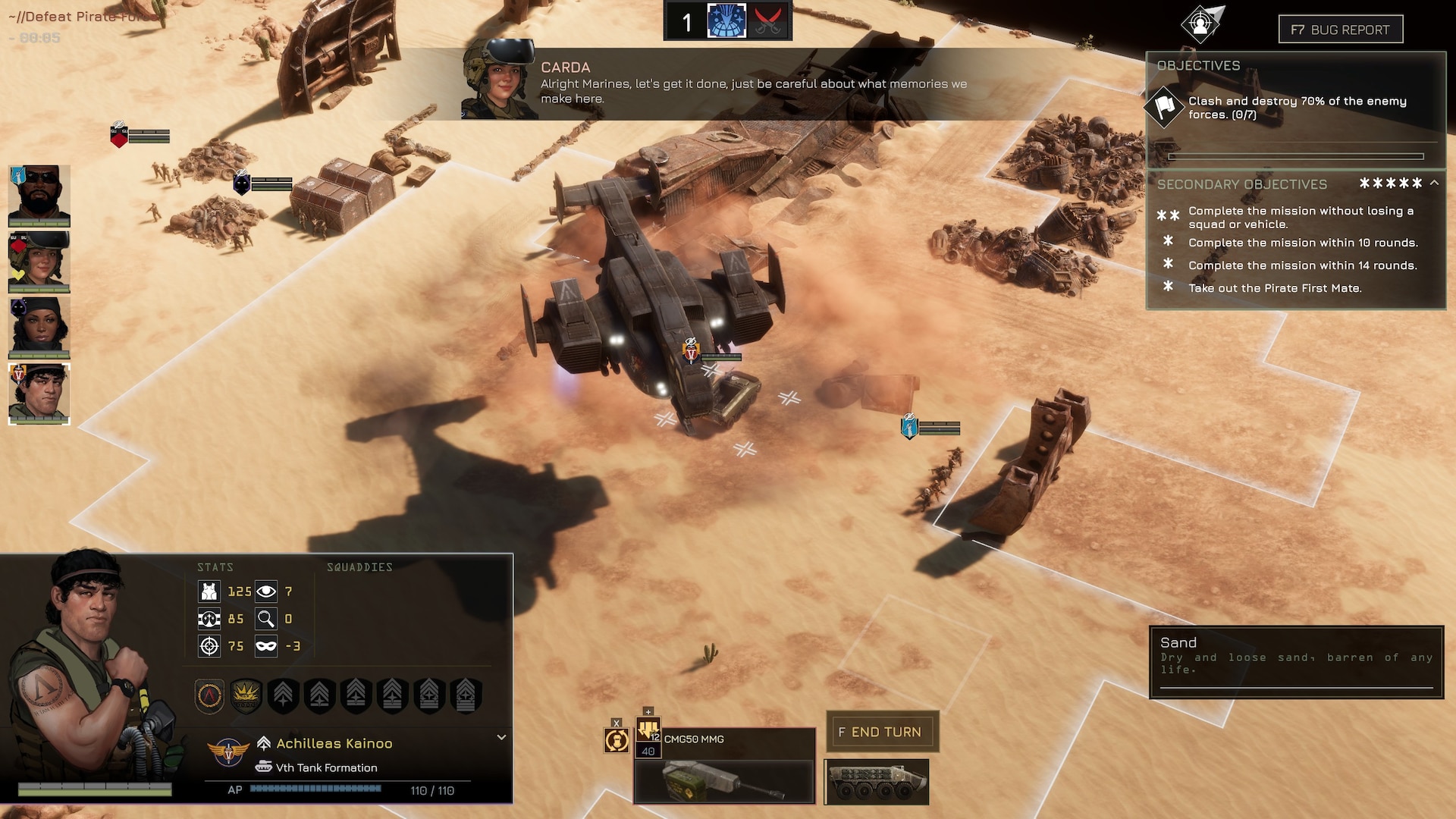
Tactical combat is the core of Menace and the area where its design philosophy is most clearly articulated. Battles are turn-based and take place on grid-based maps with varied terrain, elevation, and sightlines. Units operate using an action point system that governs movement, attacks, overwatch, suppression, and situational abilities.
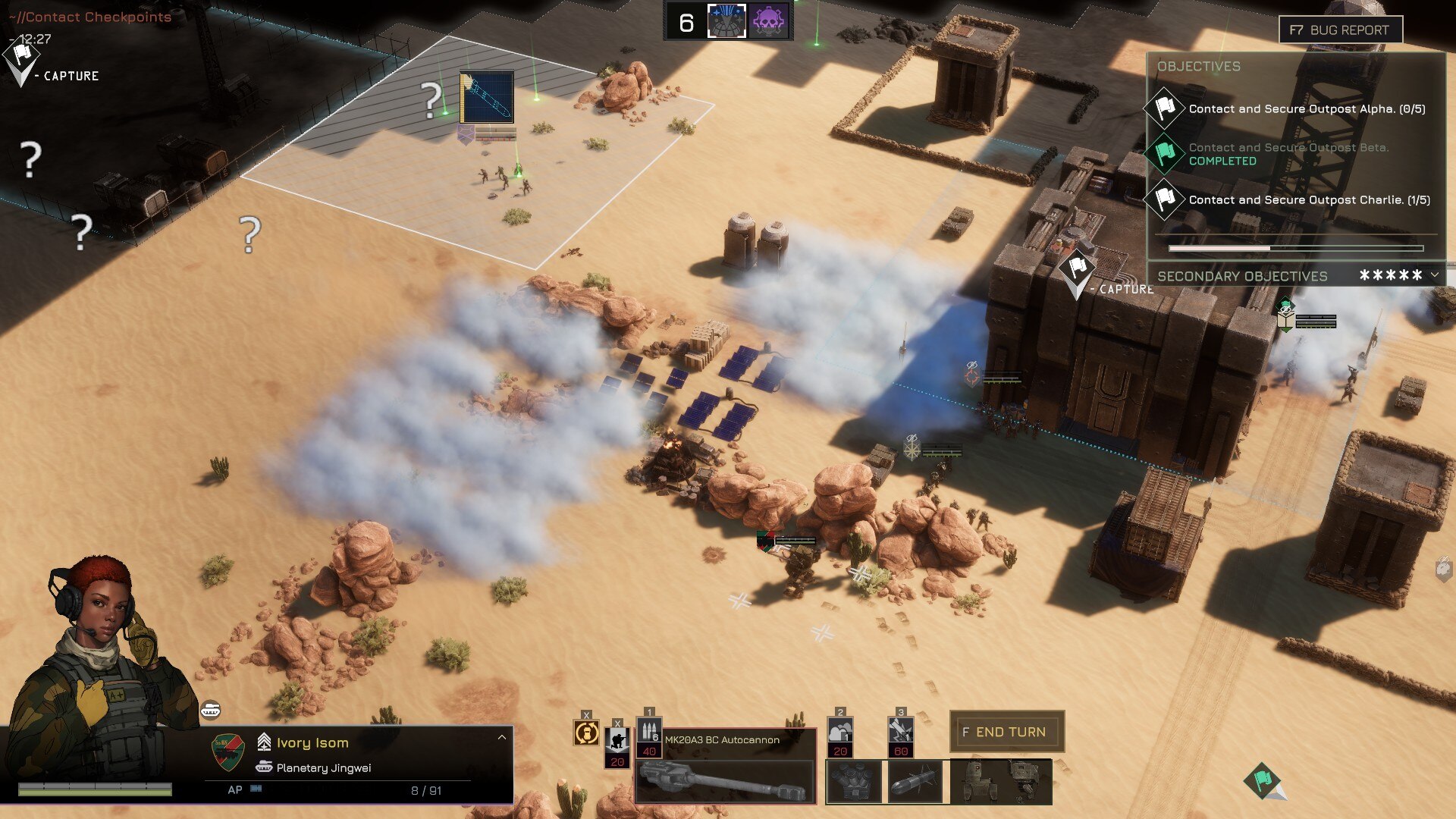
Positioning is paramount. Cover significantly reduces incoming fire, elevation improves visibility and accuracy, and flanking can quickly collapse enemy formations. Units caught in exposed positions are punished decisively, often within a single turn.
Suppression is as important as direct damage. Sustained fire can limit enemy movement and actions, creating opportunities to maneuver rather than simply trade shots. This emphasis encourages coordinated advances and layered fields of fire rather than isolated heroics.
The pace of combat is deliberately restrained. Aggressive advances without preparation are costly, while overly defensive play can stall progress and allow enemies to reposition. Most engagements are resolved through incremental gains rather than dramatic reversals.
Unlike many contemporary tactical games, Menace avoids flashy abilities or frequent power spikes. Combat outcomes are shaped by consistency, discipline, and cumulative advantage.
Units, Squad Composition, and Roles
Infantry squads form the backbone of most operations. They are versatile and comparatively inexpensive, but also fragile. Infantry engagements are lethal, and even small positioning errors can result in casualties.
Beyond infantry, Menace offers armored vehicles, mechanized walkers, artillery units, and transports. These units provide durability and firepower but are constrained by terrain, mobility, and logistical cost. Vehicles are powerful tools, but not invulnerable ones.
Combined arms tactics are strongly encouraged. Infantry can secure objectives and exploit terrain, while vehicles provide suppression and anchor positions. Overreliance on any single unit type tends to expose vulnerabilities elsewhere.
Squad composition is not static. As losses mount and resources fluctuate, players are forced to adapt, often fielding imperfect or compromised formations.
Progression and Customization
Progression focuses primarily on squad leaders. Leaders gain experience and unlock perks that influence combat performance, morale, or logistical efficiency. These perks shape how squads function and encourage specialization.
Losing an experienced leader is a significant setback. Veteran leaders provide meaningful advantages, and replacing them requires time and resources that may not be available. This system creates attachment through mechanical dependence rather than narrative exposition.
Equipment progression is restrained and incremental. Upgrades refine capabilities rather than redefine them, ensuring that tactical fundamentals remain relevant throughout the campaign.
Mission Design and Objectives
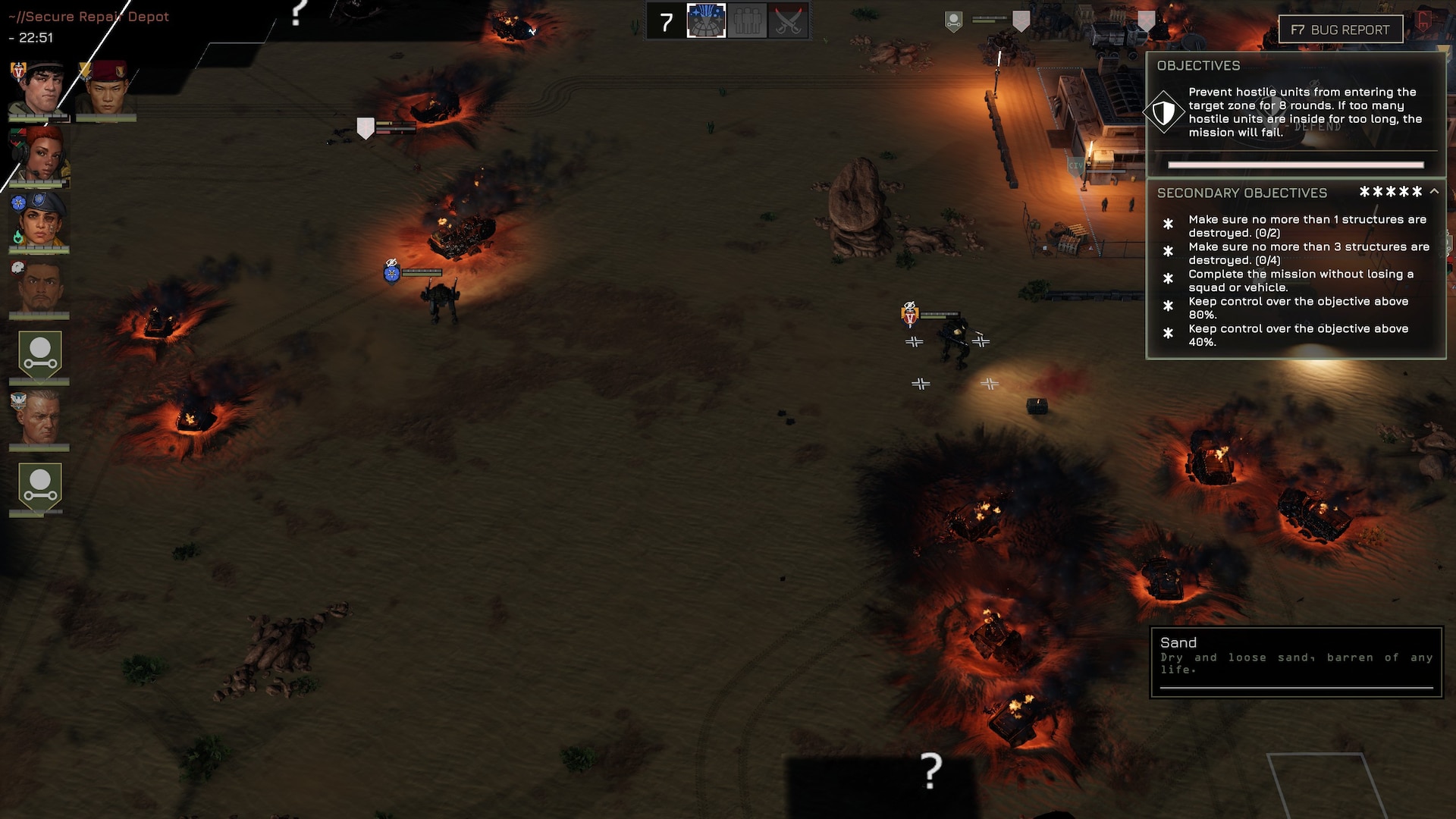
Missions are procedurally generated, combining fixed objective types with variable maps and enemy deployments. Objectives include securing areas, escorting units, defending positions, and eliminating hostiles.
Procedural generation enhances replayability but can lead to familiarity over long sessions. However, strategic context—such as depleted manpower or limited equipment—often changes how familiar missions play out.
Enemy AI is competent and consistent. Enemies make effective use of cover, suppression, and numbers, creating pressure through positioning rather than scripted behavior.
Difficulty and Learning Curve
Menace has a steep learning curve and limited onboarding. Tutorials explain basic mechanics but do not fully articulate how systems interact. Players are expected to learn through experimentation and failure.
Feedback systems are functional but not always clear. Combat modifiers, suppression effects, and enemy intent can be difficult to parse, particularly early on.
However, the difficulty is coherent. Once players internalize the game’s priorities—positioning, suppression, and resource conservation—the experience becomes more predictable and manageable.
Presentation and Technical Performance
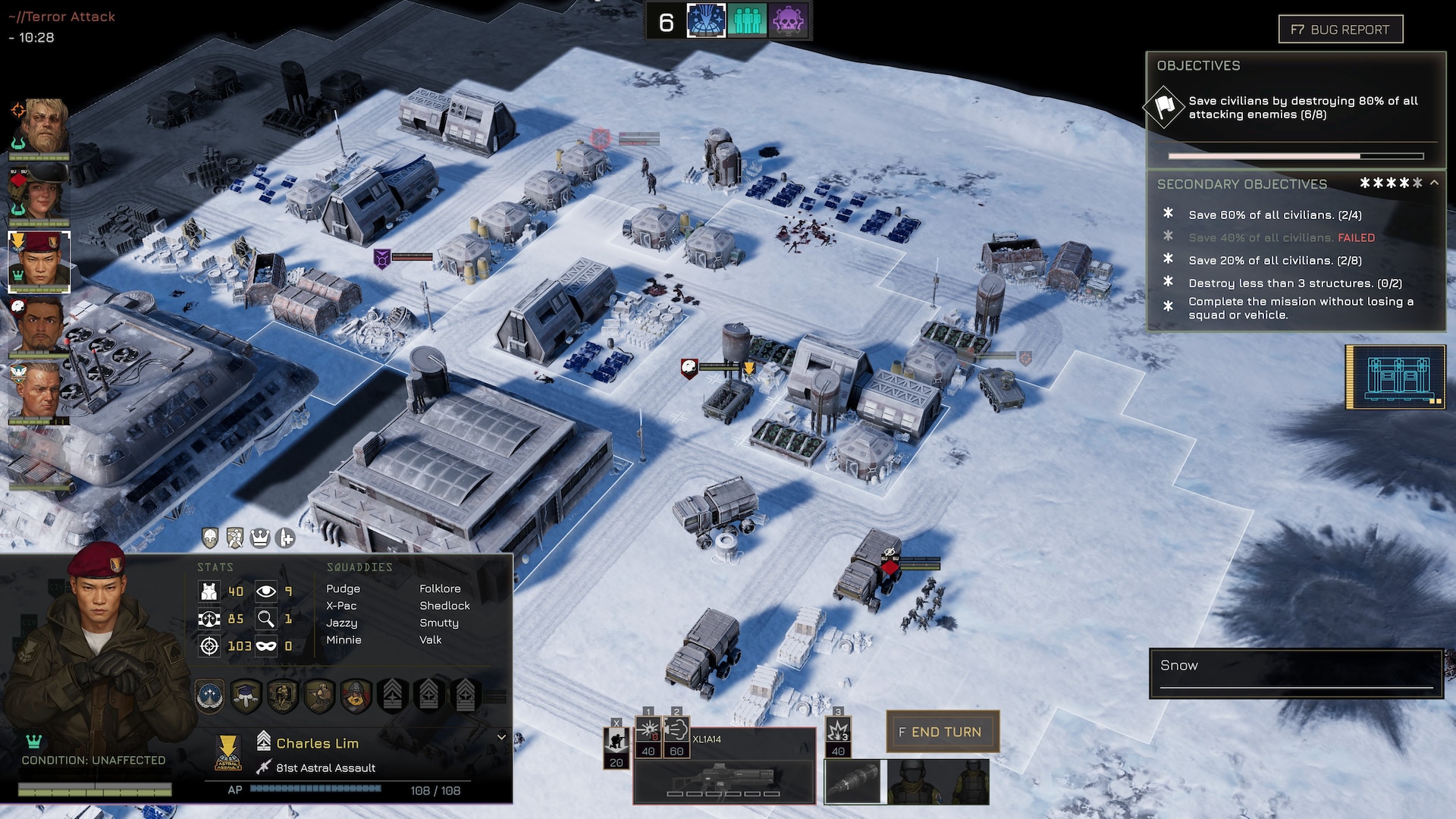
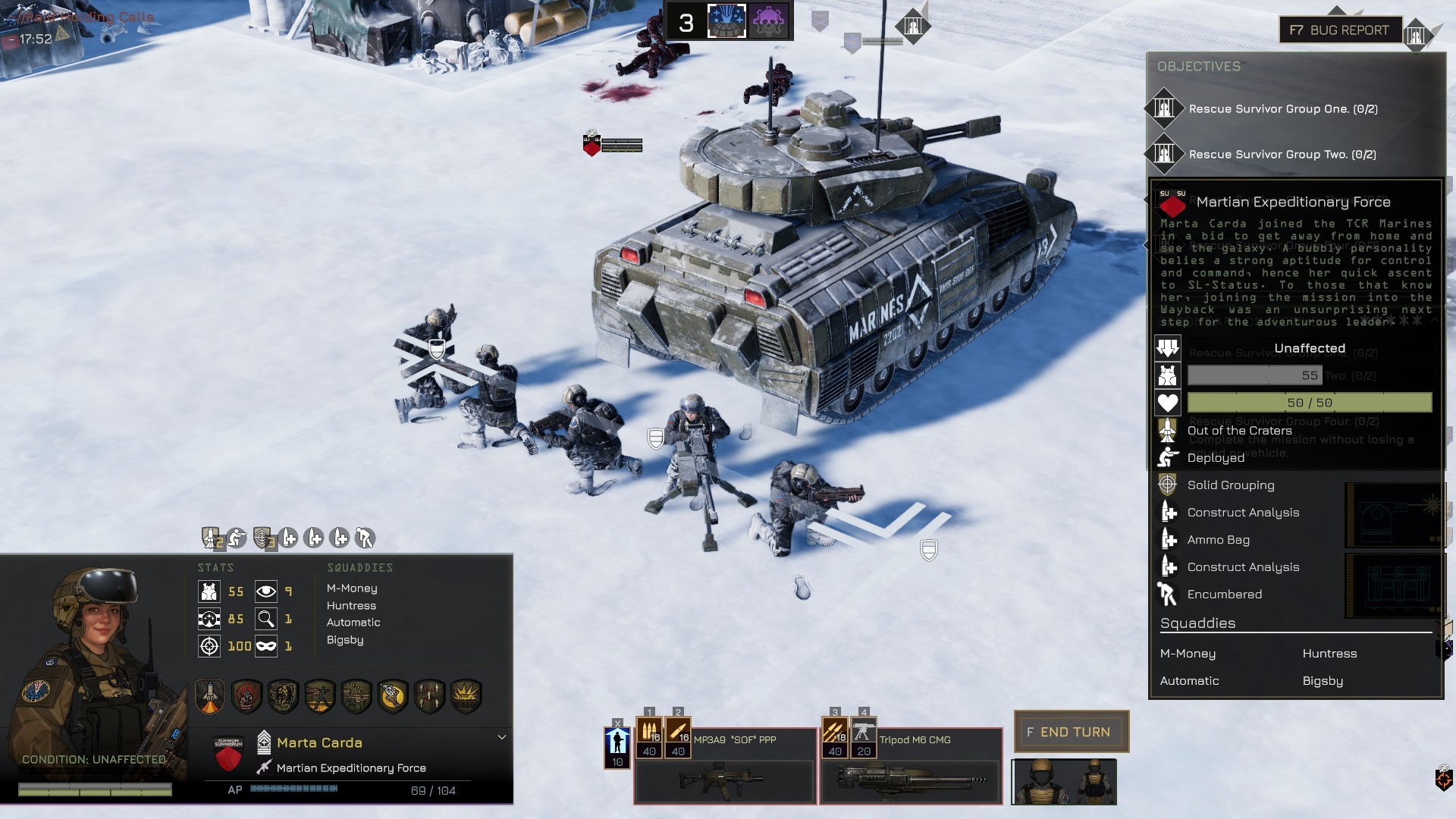
Visually, Menace adopts a restrained, utilitarian aesthetic that prioritizes readability over spectacle. Maps are designed with tactical clarity in mind. Terrain features, elevation changes, and cover elements are clearly delineated, allowing players to assess battlefield conditions at a glance. Unit models are detailed without being ornate. Infantry, vehicles, and mechanized units are visually distinct and communicate their roles effectively through silhouette and animation.
The art direction avoids exaggerated sci-fi design in favor of grounded, industrial military hardware, reinforcing the game’s pragmatic tone.
Environmental variety is currently limited. While maps differ structurally, visual themes repeat frequently, and biomes lack strong visual identity. This repetition becomes more noticeable during extended campaigns. Greater biome diversity and environmental storytelling would significantly enhance immersion.
The user interface is functional but underdeveloped. Information is available, but often buried behind additional inputs or displayed without sufficient visual hierarchy. Tactical overlays, combat logs, and planning tools exist, but they lack the clarity and immediacy expected in a game where information management is critical.
Performance is generally stable, with solid frame rates and minimal technical issues during normal play. Load times are reasonable, and the game scales well across mid-range PC configurations. Occasional minor visual glitches and UI inconsistencies are present, consistent with its Early Access state, but nothing that significantly disrupts gameplay.
Audio design is understated but effective. Weapon sounds are sharp and readable, clearly communicating impact and direction. Ambient soundscapes provide atmosphere without distraction, reinforcing the sense of operating in hostile, industrial environments.
Music is sparse and unobtrusive. Rather than driving emotion, it supports focus, fading into the background during combat and reinforcing the analytical nature of the experience.
As an Early Access title, Menace is coherent and playable, but not complete. Interface polish, onboarding, and content breadth remain areas for improvement. The game’s direction is clear and consistent. Menace is not attempting to broaden its appeal through simplification, but rather to deepen and refine its systems. Players comfortable with Early Access development will find a strong foundation.
Replayability and Longevity
Replayability is one of Menace’s strongest qualities. Procedural missions, variable progression paths, and strategic decision-making ensure that each campaign unfolds differently. Long-term longevity will depend on continued development. Additional mission types, environmental variety, and deeper faction systems would significantly expand the game’s appeal. The underlying framework is well-suited to such expansion.
Final Verdict: 8/10
Menace is a demanding, systems-driven tactical strategy game that prioritizes consequence, positioning, and long-term planning over cinematic presentation or accessibility. Its combat rewards discipline and coordination, while its strategic layer maintains constant pressure through scarcity and attrition. Although the current Early Access build shows limitations in interface clarity, onboarding, and environmental variety, the core design is confident and cohesive.
Players who value methodical tactical play and are willing to learn through failure will find a deeply engaging experience, even in its unfinished state. Based on early player feedback and critical impressions that consistently praise its depth while acknowledging its rough edges, Menace stands as one of the more promising tactical strategy titles currently available on PC.