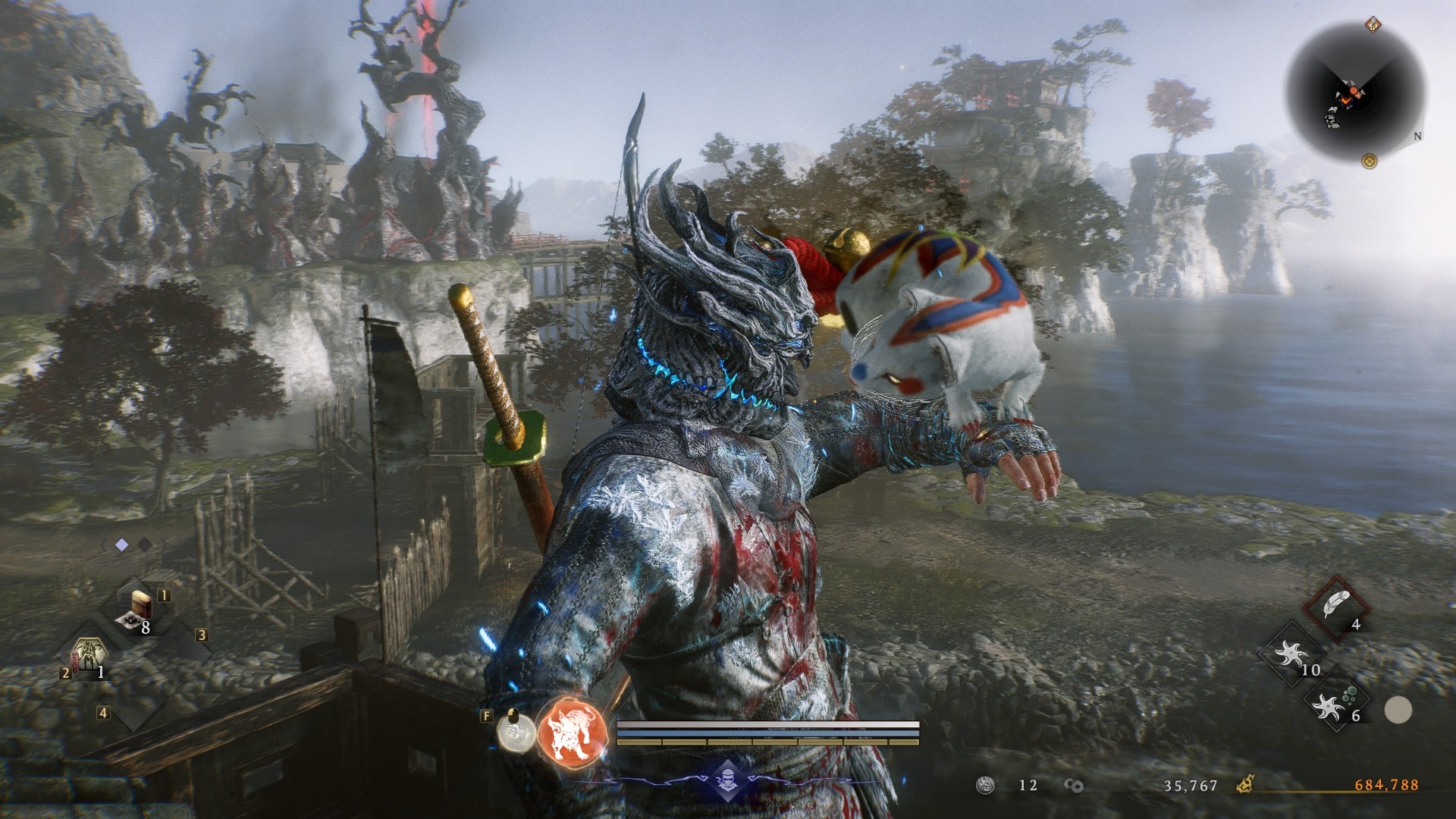
Nioh 3 arrives as both a continuation and a recalibration of Team Ninja’s long-running action RPG series. Released on PC on February 6, 2026, the game builds directly on the foundations laid by Nioh and Nioh 2 while responding to nearly a decade of feedback from players and critics alike. Rather than reinventing the series wholesale, Team Ninja has chosen to refine its core identity: fast, punishing combat systems layered with deep customization, framed within a historical-mythological interpretation of Japan.
The most notable shift in Nioh 3 is structural. Where earlier entries relied on discrete missions and clearly segmented levels, this installment adopts a broader “open field” approach that emphasizes exploration while retaining deliberate encounter design. Combined with a new dual-style combat system that allows players to switch between Samurai and Ninja archetypes, Nioh 3 positions itself as the most mechanically flexible and accessible entry in the franchise without abandoning its demanding nature.
On PC, the release has been met with strong engagement and broadly positive reception, though not without technical discussion. This review evaluates Nioh 3 as a complete package, focusing on gameplay systems, combat mechanics, world design, progression, presentation, performance, and overall design cohesion.
Gameplay and Mechanics
At its core, Nioh 3 remains a skill-driven action RPG that prioritizes player execution over numerical advantage. The moment-to-moment gameplay is structured around careful positioning, stamina control, and the ability to read and respond to enemy behavior under pressure. Familiar systems from previous entries return largely intact, but they are contextualized within a broader and more flexible framework that subtly changes how players interact with the game.
Movement feels more fluid than in earlier titles, particularly when transitioning between combat and exploration. Sprinting, climbing, and evasive maneuvers have been tuned to feel responsive without undermining the deliberate pace that defines Nioh’s combat. This balance is important, as the expanded environments demand more traversal while still funneling players into tightly controlled combat spaces.
The most significant mechanical addition is the dual combat style system. Players can freely switch between Samurai and Ninja styles during gameplay, even in the middle of encounters. The Samurai style closely mirrors traditional Nioh mechanics, emphasizing stance management, measured attacks, and sustained engagements. It rewards patience and precision, particularly in one-on-one encounters where Ki control and defensive awareness are paramount.
The Ninja style introduces a contrasting philosophy. It prioritizes speed, mobility, and opportunistic damage, allowing players to disengage and reengage quickly. This style is built around tools, movement abilities, and short windows of high damage rather than prolonged exchanges. While it can appear more forgiving on the surface, effective Ninja play still demands careful resource management and situational awareness, especially against bosses and elite enemies.
Together, these styles expand the tactical vocabulary of the series. Encounters no longer feel bound to a single optimal approach. Players can soften enemy groups using Ninja tools before committing to Samurai engagements, or pivot styles mid-fight to adapt to changing circumstances. This flexibility represents one of the most meaningful evolutions in the franchise’s mechanical design.
Enemy behavior has been adjusted to account for this increased player freedom. Many enemies are more aggressive and mobile, capable of closing distance or punishing passive play. New enemy types are designed to exploit open spaces, encouraging players to remain alert to threats beyond their immediate focus. These changes reinforce the importance of spatial awareness and prevent encounters from becoming rote.
Combat System Depth
Combat remains the defining feature of Nioh 3, and it is here that Team Ninja’s iterative approach is most evident. Weapon classes return with expanded move sets and clearer identities, ensuring that each feels distinct not only in animation but in tactical application. Faster weapons emphasize pressure and mobility, while heavier options reward deliberate timing and commitment.
The stance system continues to provide granular control over offense and defense. High, mid, and low stances each serve clear purposes, and the game encourages frequent stance switching rather than reliance on a single optimal choice. This design reinforces adaptability and prevents combat from stagnating, particularly in longer encounters.
Ki management remains central to combat flow. The Ki Pulse mechanic, long a hallmark of the series, has been refined to feel more intuitive without becoming trivial. Successful Ki Pulses are essential for maintaining momentum, and failure to manage stamina effectively still results in swift punishment. This reinforces the series’ identity as one that rewards mastery rather than persistence.
Parrying and counter systems are more accessible than in earlier entries, reflecting a deliberate effort to broaden the game’s appeal. However, accessibility does not equate to simplicity. Advanced play still demands precise timing and an understanding of enemy attack patterns. Defensive success often depends on recognizing subtle cues rather than reacting to obvious telegraphs.
The Ninja style’s tools and abilities add a new layer to combat depth. Items such as traps, projectiles, and movement skills allow players to manipulate encounters in creative ways. These options are balanced through cooldowns and resource costs, preventing overreliance while encouraging experimentation. When used effectively, they can dramatically shift the flow of combat, particularly in multi-enemy scenarios.
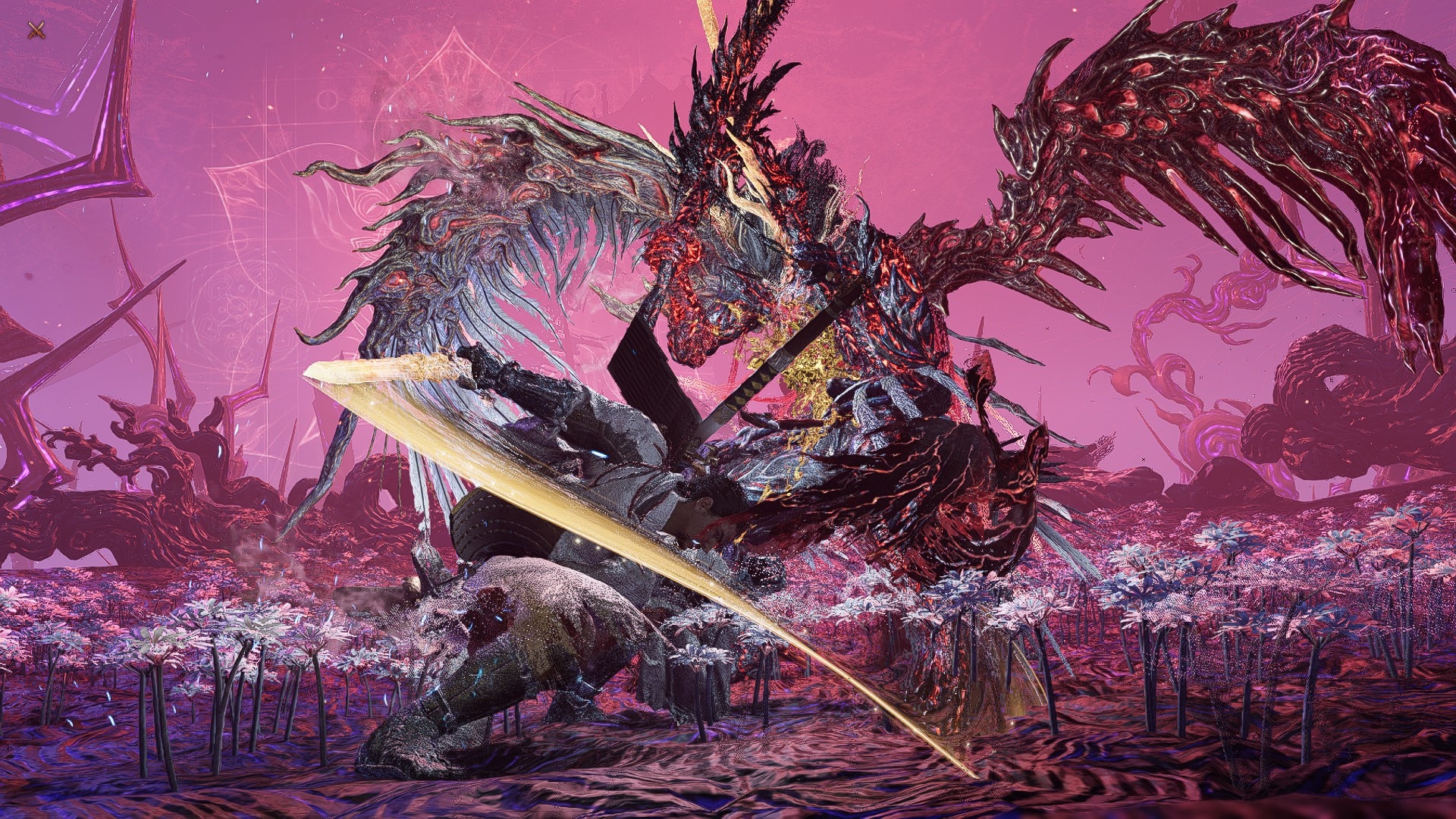
Boss design remains a focal point of the experience. Bosses are varied in scale and complexity, combining aggressive patterns with environmental considerations. While some encounters have drawn criticism for difficulty spikes or extended health pools, most bosses succeed in testing the full range of player skills without feeling arbitrary. Success typically comes from adaptation rather than attrition.
Multiplayer combat benefits from these systems as well. Cooperative play feels more fluid, with roles emerging naturally based on chosen styles and builds. Encounters scale appropriately, and coordination is rewarded without making solo play feel compromised.
World Design and Exploration
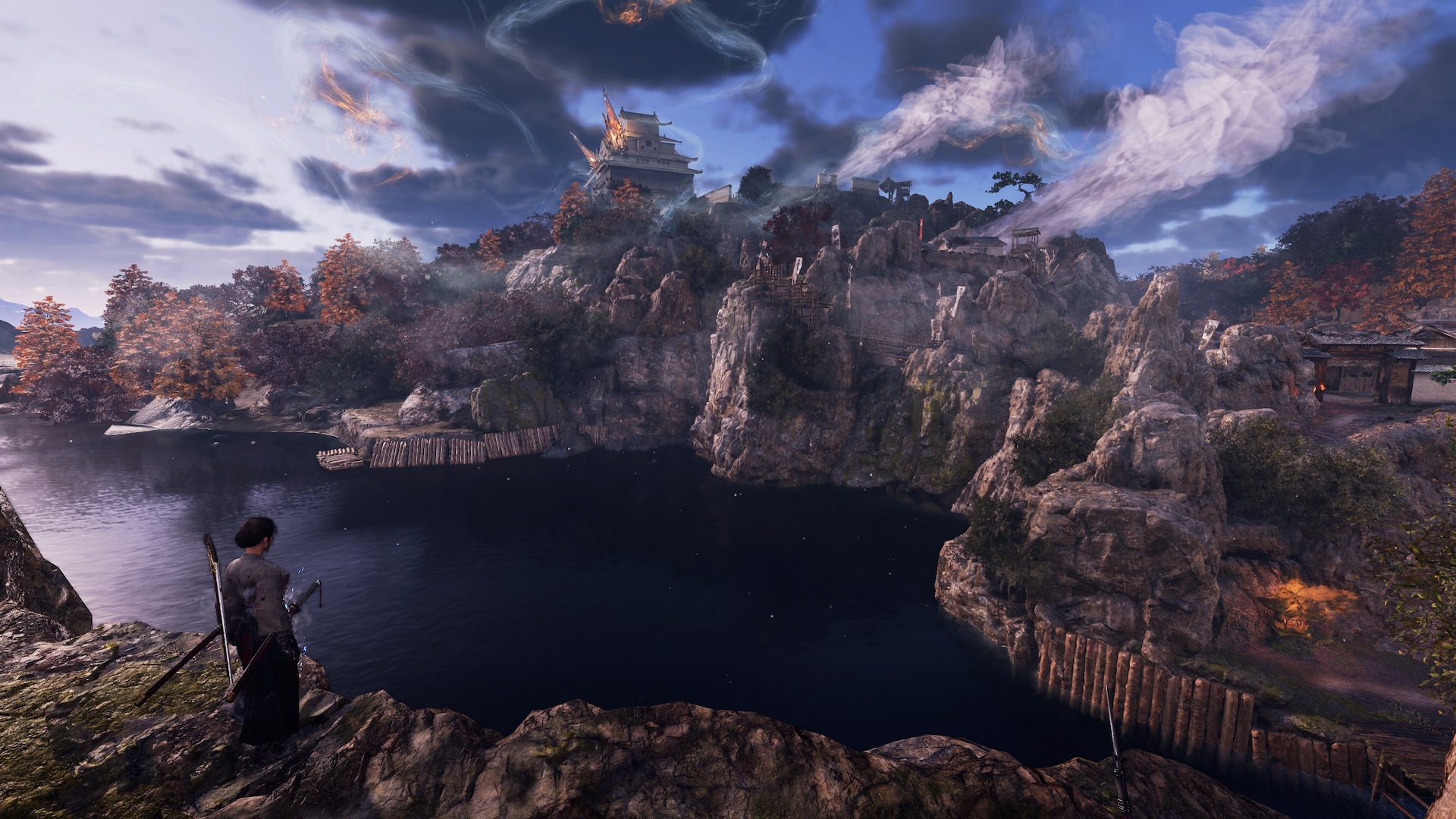
Nioh 3’s shift to an open field structure represents one of the series’ most visible changes. Rather than discrete missions accessed through a world map, players explore large interconnected regions that contain primary objectives, optional encounters, and side activities. These areas are carefully bounded, avoiding the sprawl of traditional open worlds while still offering a sense of scale and continuity.
Environmental design emphasizes verticality and layered spaces. Cliffs, ruins, forests, and settlements are arranged to encourage observation and experimentation. Shortcuts and alternate paths reward exploration, often allowing players to bypass difficult encounters or approach them from advantageous positions. Shrines and checkpoints are placed generously, mitigating frustration without removing tension.
The pacing of exploration varies by region. Some areas are densely populated with enemies and points of interest, while others serve primarily as connective spaces. This unevenness has drawn mixed reactions. At its best, the open field design supports player agency and reinforces the flexibility introduced by the dual combat system. At its weakest, traversal can feel functional rather than engaging, particularly in regions with sparse environmental interaction.
Enemy placement within these fields generally supports deliberate engagement. Groups are positioned to test situational awareness, often requiring players to prioritize targets or manage multiple threats simultaneously. However, the loss of tightly choreographed encounters from earlier entries is occasionally noticeable. Some combat spaces feel less purposeful than the handcrafted arenas of Nioh 2.
Despite these issues, the open field structure largely succeeds in refreshing the series’ formula. It encourages experimentation, accommodates different playstyles, and provides a sense of continuity that aligns well with the game’s broader progression systems.
Progression and Customization
Progression in Nioh 3 remains complex and multi-layered, reflecting the series’ longstanding emphasis on build experimentation and long-term investment. Character advancement is driven by experience-based leveling, weapon proficiency, skill trees, and equipment optimization. These systems are interdependent, rewarding players who engage with them holistically.
Loot acquisition continues to be a defining feature. Weapons and armor drop frequently, each with a range of stat modifiers, affixes, and set bonuses. This abundance supports experimentation but can also become overwhelming, particularly for newcomers. Improvements to inventory management and filtering alleviate some friction, though the underlying volume of items remains high.
Weapon skill trees have been refined to emphasize meaningful choices over incremental upgrades. Active skills introduce new tactical options, while passive bonuses reinforce playstyle specialization. Respec options provide flexibility, allowing players to adjust builds without excessive penalty.
The Guardian Spirit and Yokai systems return with adjustments that integrate them more naturally into combat. These abilities function as situational tools rather than dominant strategies, reinforcing the game’s emphasis on player execution. Their impact is significant but controlled, ensuring that combat remains grounded in core mechanics.
Crafting and upgrading systems support long-term engagement, particularly in post-game content. While these systems can appear daunting, they offer substantial depth for players willing to invest time in understanding their interactions.
Narrative and Tone
Narrative has never been central to the Nioh series, and Nioh 3 maintains this restrained approach. The story draws on historical events and mythological elements from Japan’s Sengoku period, providing a contextual framework rather than a character-driven drama. Plot developments are conveyed efficiently, ensuring that narrative progression does not impede gameplay.
Characters serve functional roles within this framework. Allies and antagonists are clearly defined, but rarely deeply explored. Their primary purpose is to anchor quests, introduce mechanics, and contextualize locations. While this approach may disappoint players seeking emotional depth, it aligns with the series’ priorities.
Lore is delivered through optional text entries, environmental cues, and side content. Players interested in the setting can uncover additional details, but the game does not require engagement with these elements to progress. This optionality respects player agency and maintains pacing.
Overall, the narrative supports the action without drawing attention to itself. It is coherent and thematically consistent, but unlikely to leave a lasting impression beyond its immediate function.

Visual and Audio Presentation
Visually, Nioh 3 delivers a presentation that is competent but uneven, with a mixture of highly detailed character models and varied environmental textures that occasionally lack polish. The game demonstrates careful attention to design consistency, but some areas feel less refined, especially when compared to contemporary AAA standards. Character models and enemy designs are detailed, particularly in their animation and visual effects during combat.
Color palettes are thoughtfully applied, and lighting is used to emphasize mood and depth, particularly in night-time and interior locations, creating a sense of atmosphere that complements the game’s combat and exploration systems. Yokai designs continue to stand out, drawing from folklore to create enemies that are both visually distinctive and mechanically expressive.
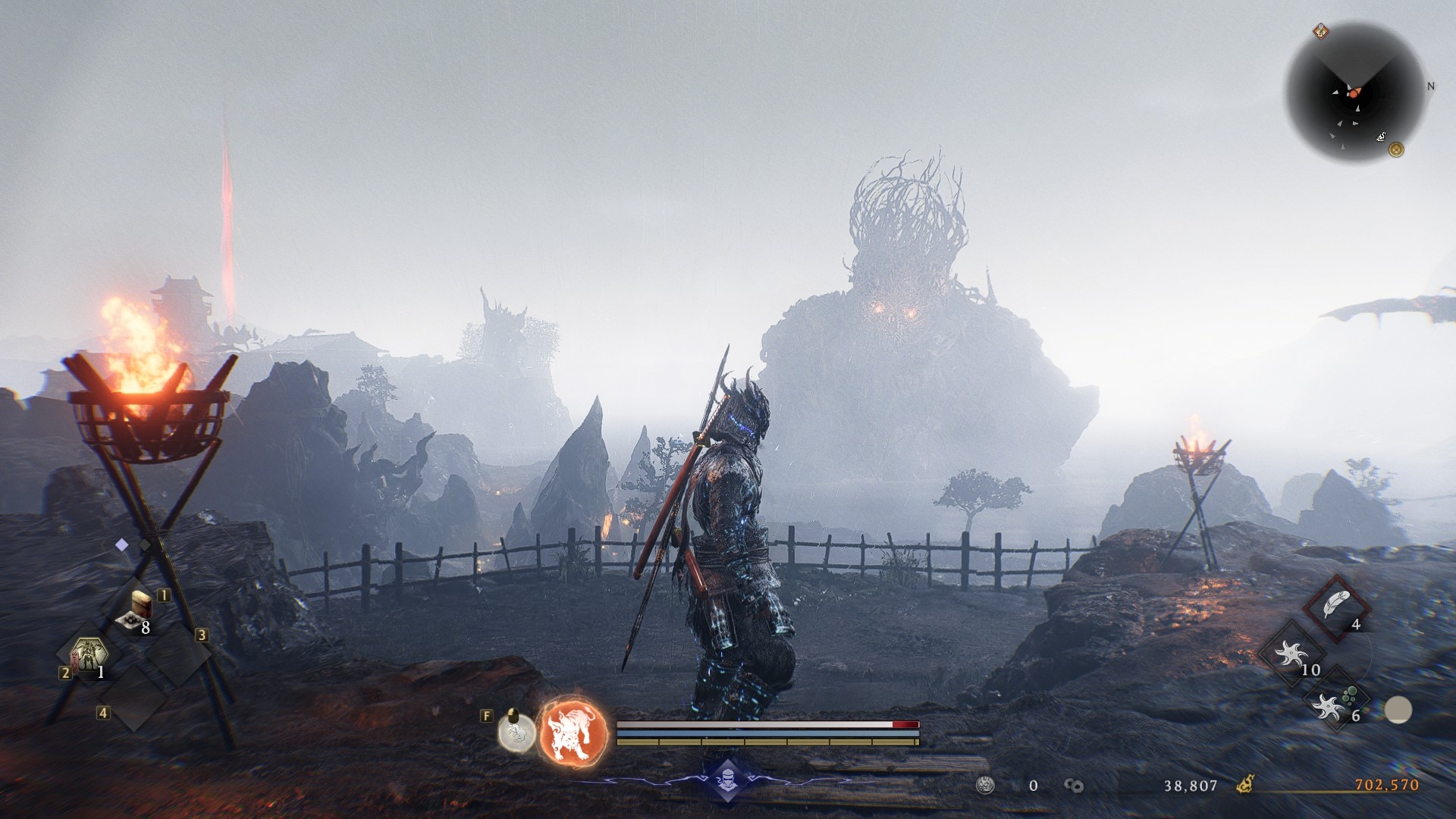
Environmental visuals vary significantly across regions. Some areas benefit from strong art direction and atmospheric lighting, creating a sense of place that supports exploration. Other regions appear less polished, with textures and geometry that feel dated relative to contemporary releases. The overall aesthetic is cohesive, but it does not consistently showcase cutting-edge technology.
Lighting and particle effects play an important role in combat readability. Attacks, abilities, and status effects are clearly communicated, helping players respond effectively under pressure. Environmental effects such as mist, fog, and dynamic shadows contribute to immersion, particularly in wooded and ruined areas, while the game’s particle effects accentuate impact and movement during combat sequences.
The camera system works reliably, offering clear visibility in most situations, though tight spaces occasionally create awkward framing. Animation quality is generally high, with smooth transitions between movement, attacks, and defensive actions. Enemy animations, particularly for large yokai, demonstrate both weight and scale, reinforcing the tactical importance of positioning and timing.
Audio design is more consistently successful. Sound effects provide immediate feedback for hits, blocks, and parries, reinforcing timing and impact. Enemy audio cues are particularly useful, signaling off-screen threats and attack patterns. Environmental audio, including wind, footsteps, and ambient wildlife, enhances immersion and makes traversal through the open field areas more engaging. The musical score supports the game’s tone without dominating it, contributing to atmosphere during exploration and intensity during combat.
Voice acting is serviceable, delivering dialogue clearly even if performances are rarely memorable. Localization is handled competently, ensuring that narrative elements are accessible across regions.
PC Performance and Technical Considerations
On PC, Nioh 3 presents a mixed technical profile. The game offers a wide range of graphical options and supports modern upscaling technologies, allowing players to tailor performance to their hardware. High-end systems are generally capable of maintaining stable frame rates at higher settings, while mid-range configurations may require compromises.
CPU usage is notably high in certain scenarios, particularly in densely populated areas or during large-scale encounters. Frame rate fluctuations have been reported, though they vary significantly by system. These issues do not render the game unplayable, but they detract from an otherwise polished experience.
Input support is robust, with full controller compatibility and functional keyboard and mouse controls. While the game is clearly designed with controllers in mind, mouse and keyboard players are not disadvantaged. Ultrawide monitor support and flexible resolution scaling are welcome inclusions that enhance the PC experience.
Load times are reasonable on solid-state drives, and stability is generally acceptable. Minor bugs and performance inconsistencies are present but not pervasive. As with previous PC releases from Team Ninja, post-launch updates are likely to address optimization concerns.
Final Verdict: 8.5/10
Nioh 3 stands as a confident and methodical evolution of Team Ninja’s action RPG formula. It does not attempt to redefine the genre or radically alter the series’ identity. Instead, it focuses on refining established systems, expanding player choice, and addressing longstanding feedback.
Its greatest strengths lie in its combat mechanics. The dual combat style system adds meaningful flexibility, encouraging experimentation without diluting the precision that defines the series. Weapon variety, enemy design, and progression systems combine to create an experience that rewards skill and engagement over time.
The transition to open field environments is largely successful, though not without compromise. While exploration and player agency are enhanced, some of the tightly curated encounter design that characterized earlier entries is lost. This trade-off will resonate differently depending on player preference.
Technical performance on PC is competent but uneven. The game offers sufficient options to accommodate a range of hardware, but optimization issues prevent it from achieving a truly exemplary release state. Visual presentation, while cohesive, does not consistently match contemporary standards.
Despite these shortcomings, Nioh 3 delivers a deep and demanding experience that remains true to the series’ core principles. For players who value mechanical depth, challenge, and customization, it represents one of the stronger action RPG offerings of 2026. It may not convert those uninterested in its demanding systems, but for its intended audience, it provides a substantial and rewarding journey.