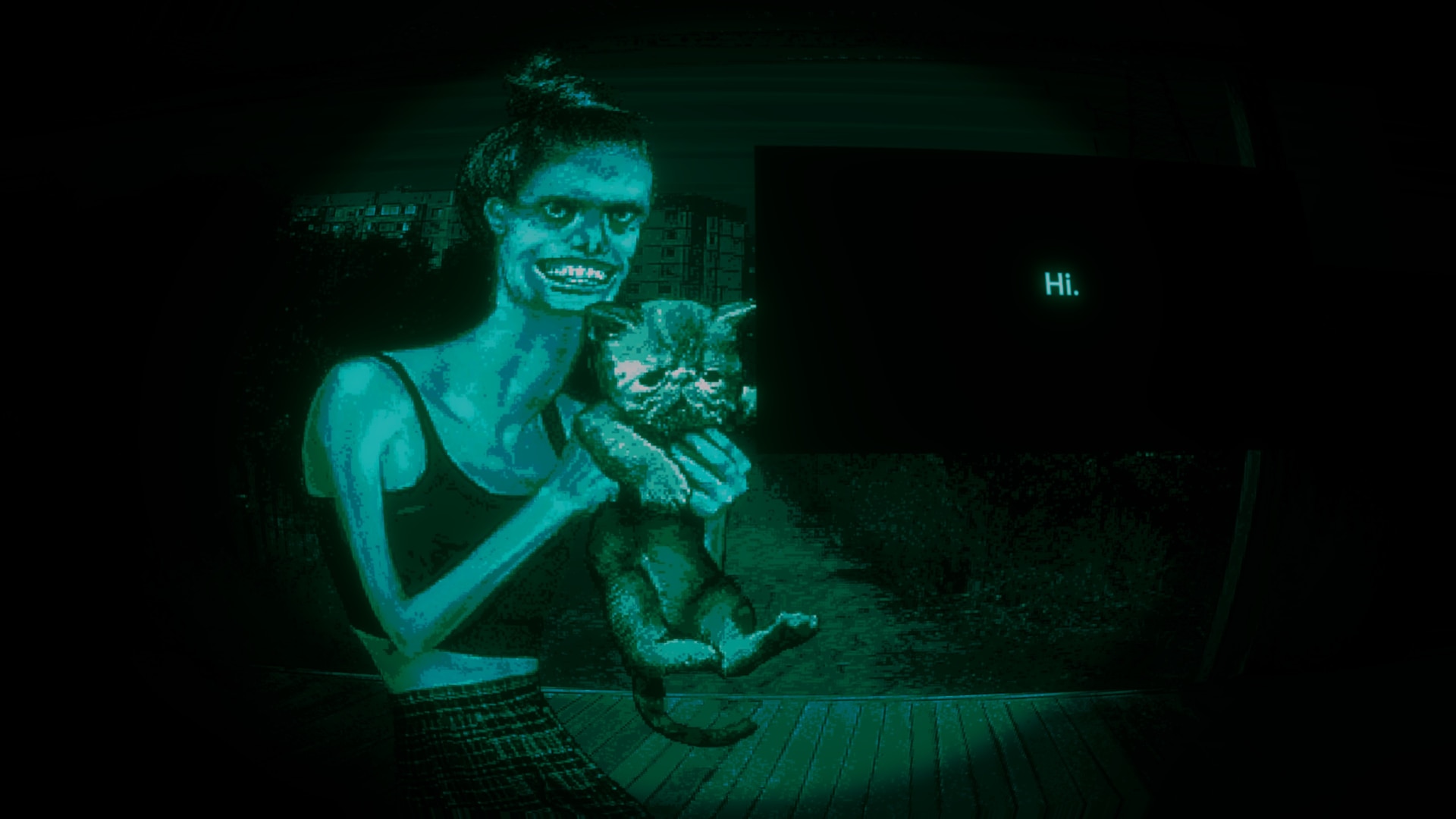
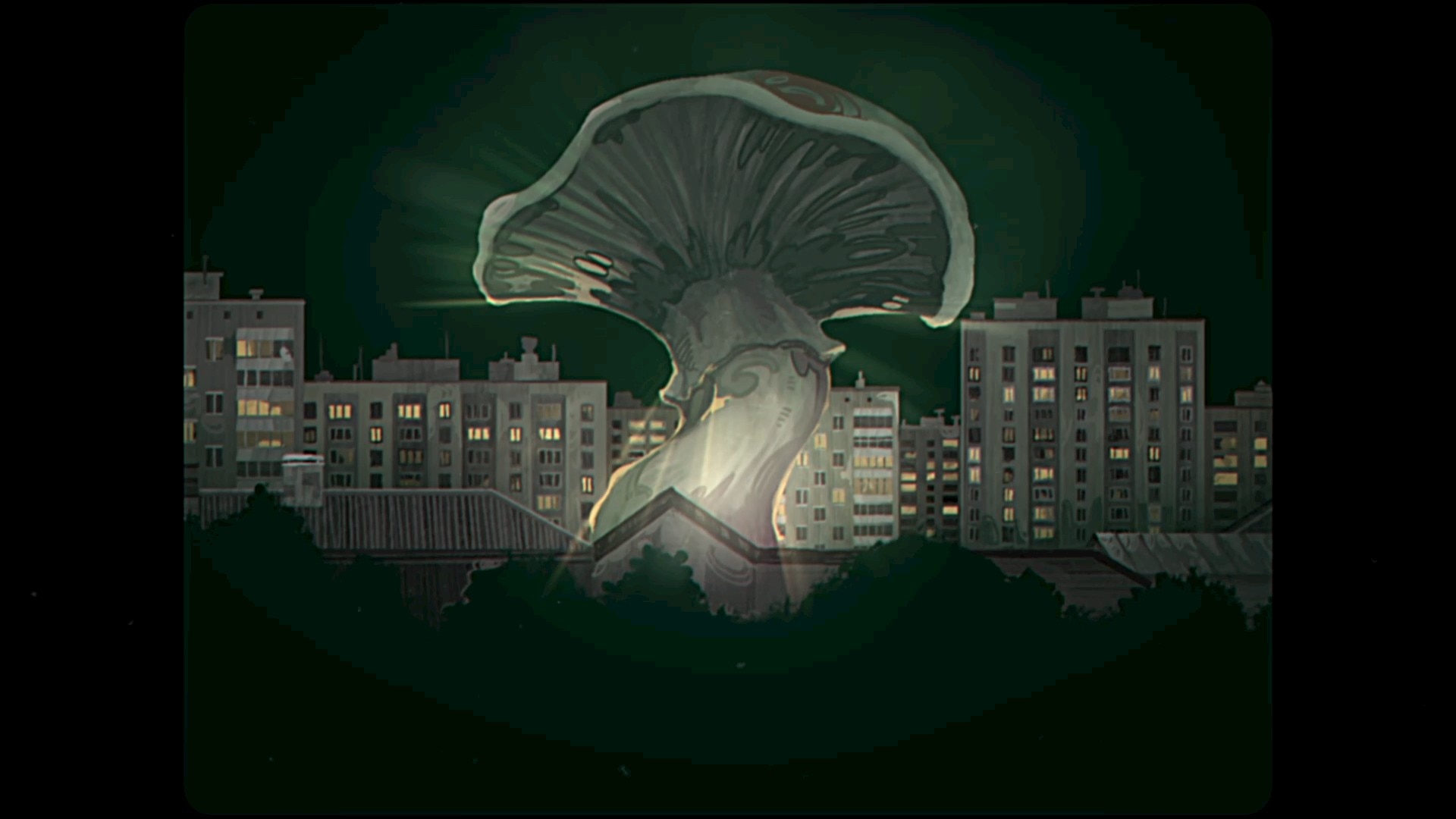
No, I’m Not a Human is a psychological horror game that deliberately rejects traditional genre expectations. There are no weapons to master, no enemies to outmaneuver, and no escalating power fantasy. Instead, the game places the player in a position of quiet authority and relentless uncertainty, asking them to survive by making judgments that can never be fully informed. Developed by indie studio Trioskaz, the game is built around the idea that fear is most potent when it emerges from doubt rather than danger.
From the outset, No, I’m Not a Human establishes itself as a slow, oppressive experience. It demands patience, attentiveness, and emotional engagement from the player. Rather than providing entertainment through spectacle, it invites introspection, positioning itself closer to an interactive psychological study than a conventional horror game. This approach will immediately resonate with players who appreciate atmospheric, idea-driven design, while potentially alienating those seeking more traditional gameplay systems.
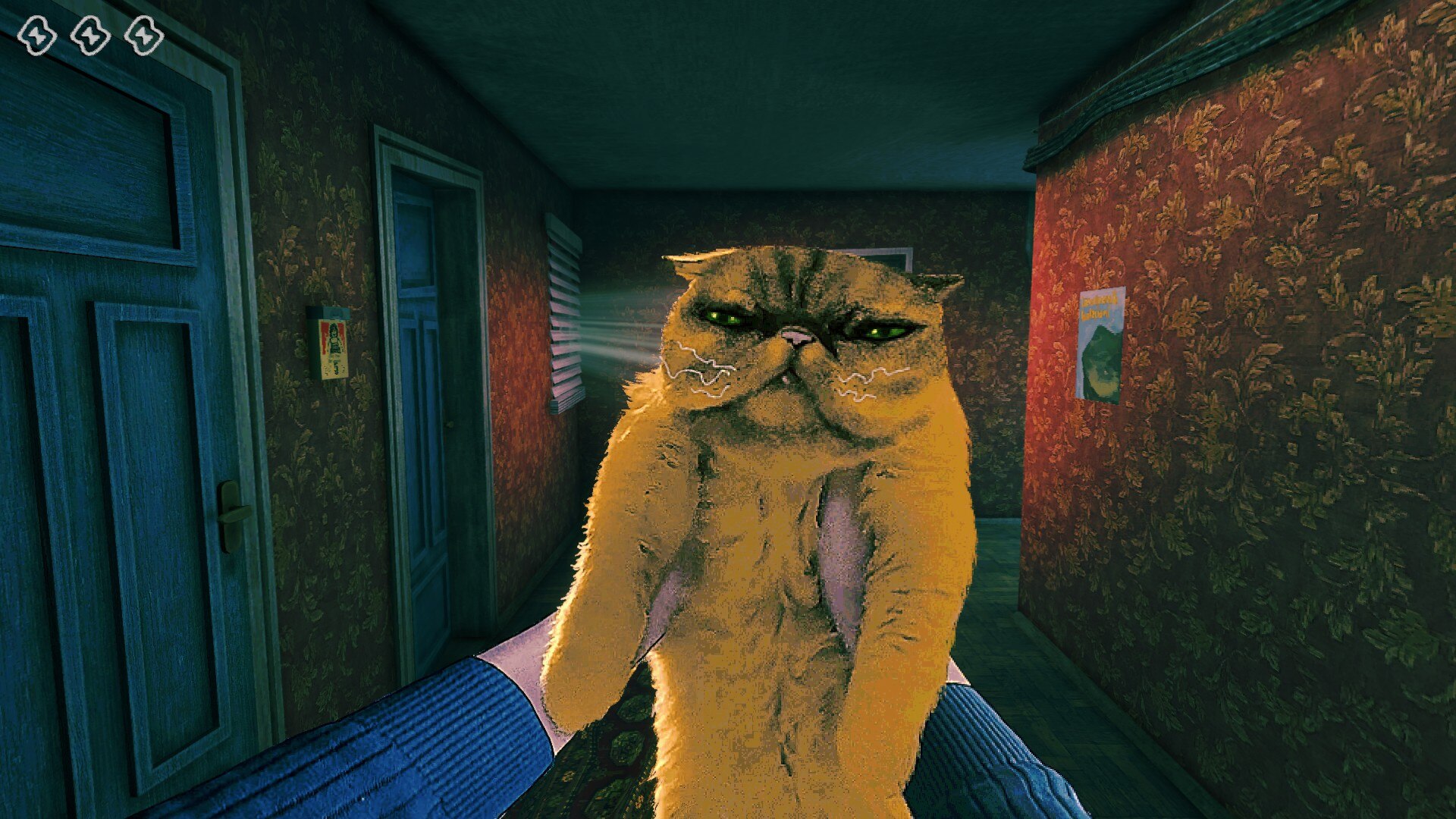
Narrative and Themes
The game’s narrative is set in a world on the brink of extinction. A mysterious catastrophe has rendered daylight lethal, forcing humanity into hiding. Civilization has collapsed into isolated pockets of survival, and social trust has eroded under the constant threat of impostors—beings capable of convincingly mimicking human behavior. The player inhabits a single location, serving as a gatekeeper whose decisions determine who is allowed to live another night.
Narrative delivery is intentionally restrained. There is no omniscient narrator or clear exposition explaining the nature of the catastrophe or the true origin of the impostors. Instead, information is scattered across brief conversations, subtle environmental storytelling, and the consequences of player choices. This fragmentation reinforces the game’s central themes, as the player’s understanding of the world remains as incomplete as their ability to judge others.
At its thematic core, No, I’m Not a Human examines fear as a moral force. It interrogates how survival pressure transforms empathy into suspicion and how easily ethical principles can be abandoned when certainty disappears. The game also touches on themes of dehumanization, asking whether denying someone refuge based on intuition is meaningfully different from condemning them without evidence. Importantly, the narrative avoids moral absolutism; it does not reward “correct” behavior so much as it documents the cost of every decision.
Gameplay and Mechanics
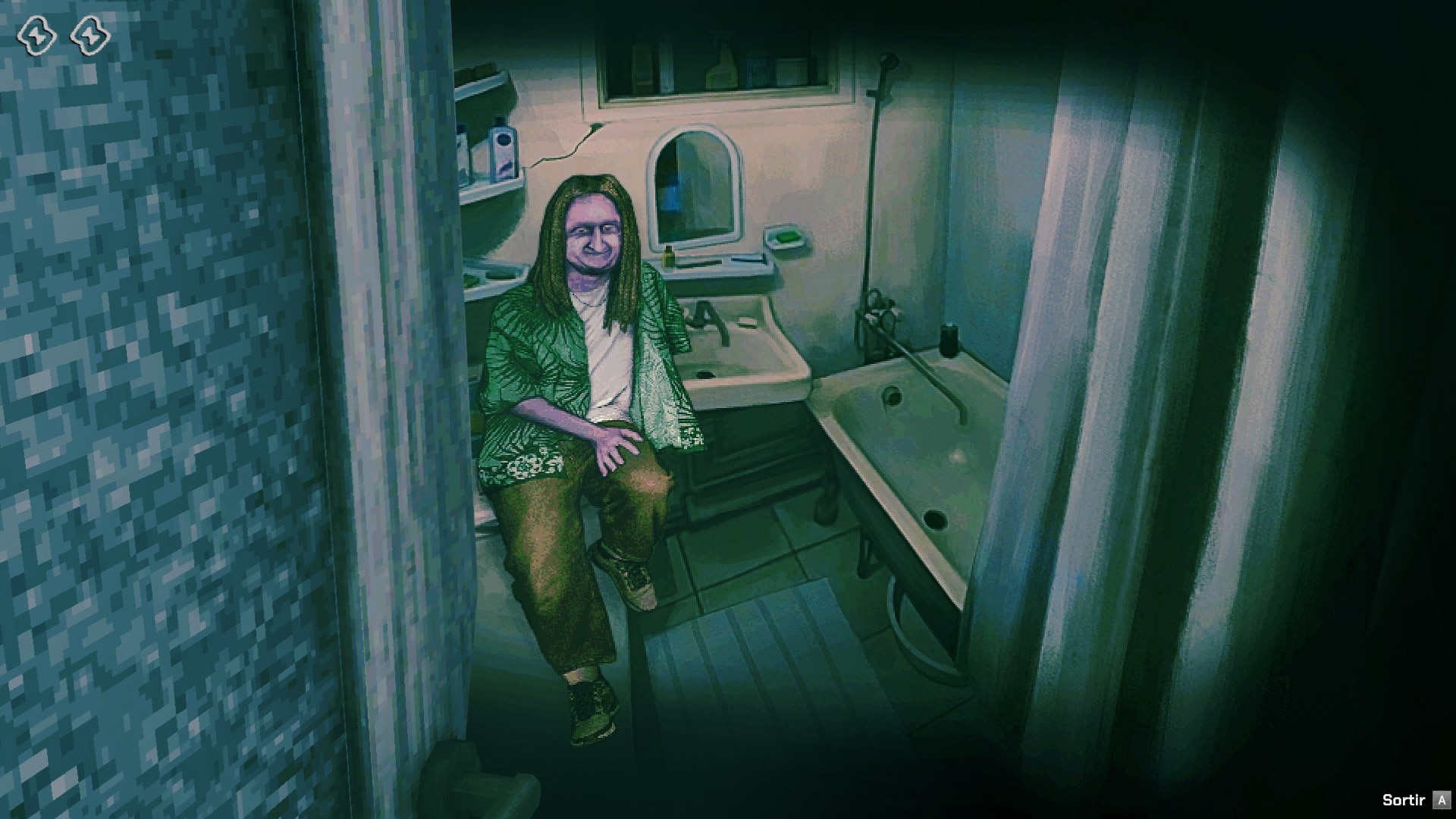
Gameplay is structured around a repetitive but purposeful cycle. During the day, the player waits in isolation, protected from the deadly outside world. At night, visitors arrive one at a time, requesting shelter. The player engages with them through limited dialogue options and observation, then makes a binary choice: accept or reject.
The mechanics are minimal by design. There are no explicit systems that reveal whether a visitor is human or not, nor are there clear mechanical tells that guarantee correct decisions. Instead, the game relies on subtle inconsistencies, tone, and behavioral cues—many of which are intentionally ambiguous. This design ensures that every choice carries psychological weight, as success or failure often feels indistinguishable from luck.
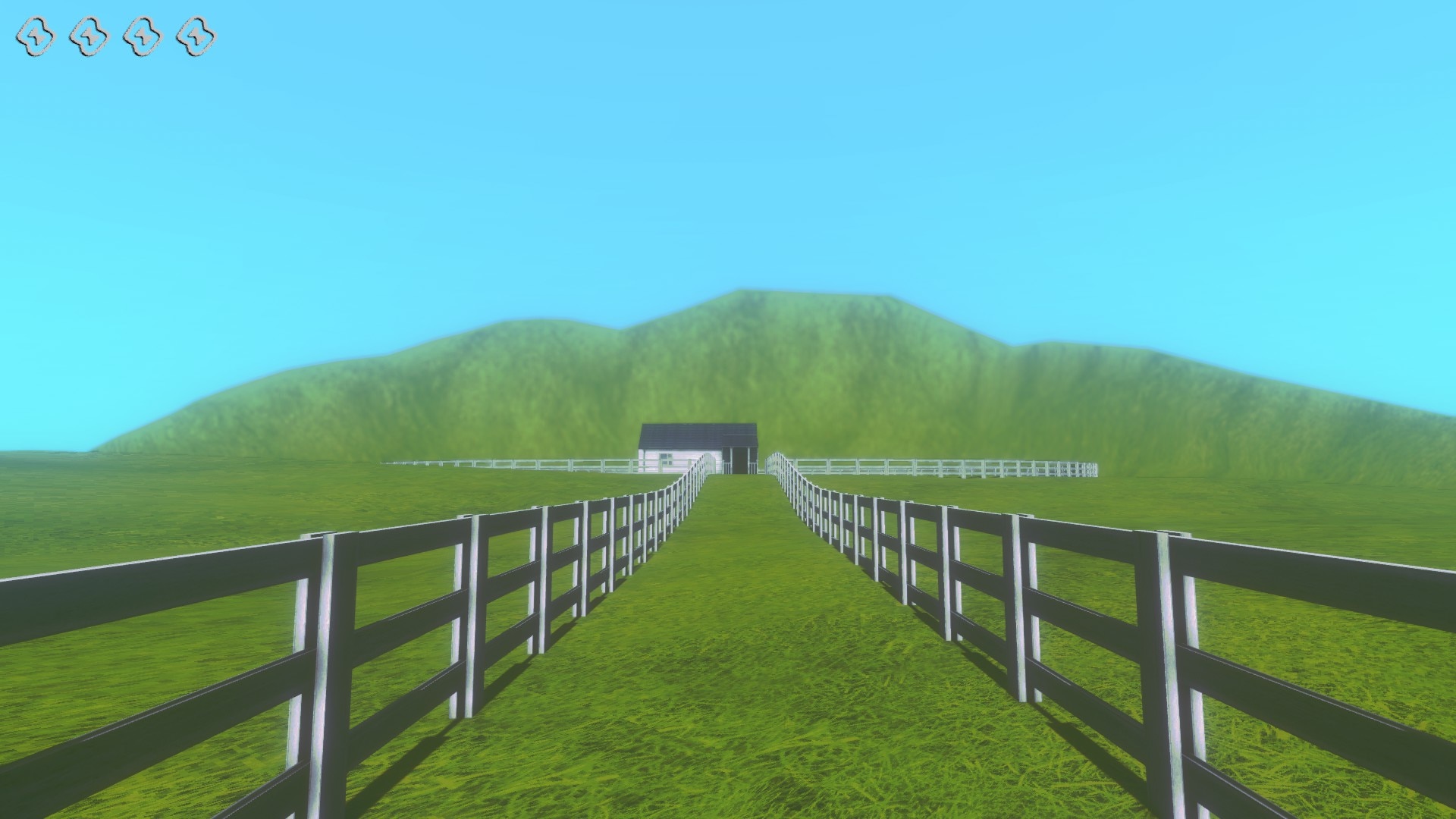
While this minimalism is thematically effective, it also places a heavy burden on the narrative to sustain engagement. Over time, the core loop reveals its limitations, as the structure changes very little across play sessions. The tension comes not from evolving mechanics but from the player’s growing awareness of how fragile their judgment truly is. For players invested in the experience as a moral exercise, this can be compelling; for others, it may feel restrictive.
Atmosphere and Presentation
Atmosphere is the defining strength of No, I’m Not a Human. Visually, the game adopts a muted, oppressive aesthetic that emphasizes isolation and unease. Environments are sparse, lighting is subdued, and character designs are subtly unnatural, reinforcing the constant suspicion that something is not quite right. The visual restraint prevents sensory overload and keeps the player focused on emotional interpretation rather than spectacle.
Sound design is equally deliberate. The game makes extensive use of silence, broken only by faint ambient noise or the sudden knock of a visitor at the door. These moments are not punctuated by dramatic musical cues; instead, the absence of sound amplifies tension, allowing the player’s anticipation to do the work. The result is an atmosphere that feels suffocating without being overtly aggressive.
Together, the audiovisual elements create a sense of sustained psychological pressure. The game rarely attempts to shock the player, choosing instead to cultivate a persistent, low-level dread that seeps into every decision. This approach aligns perfectly with the game’s themes, reinforcing the idea that fear is most powerful when it is internalized.
Replayability and Structure
Replayability in No, I’m Not a Human is largely narrative-driven. The game features multiple endings shaped by the cumulative effect of player choices, encouraging experimentation with different moral approaches. Decisions that seemed insignificant in one playthrough may take on new meaning in another, revealing alternative narrative outcomes.
However, replay value is limited by the static nature of the gameplay structure. While outcomes change, the moment-to-moment experience remains largely the same. Players motivated by curiosity about narrative variation will find value in multiple playthroughs, but those seeking mechanical novelty may find diminishing returns once the core loop is fully understood.
That said, the game’s relatively short length makes replaying less of a commitment, allowing players to revisit the experience as a reflective exercise rather than a content-heavy endeavor.
Strengths and Weaknesses
The primary strength of No, I’m Not a Human lies in its conceptual clarity. Every aspect of the game—from mechanics to presentation—serves its thematic goals with precision. The atmosphere is consistently oppressive, the moral dilemmas are emotionally resonant, and the game’s restraint prevents it from diluting its impact with unnecessary systems. It succeeds in making the player feel responsible not just for survival, but for the ethical consequences of their actions.
Conversely, the game’s narrow focus exposes its weaknesses. The limited mechanical scope can make the experience feel repetitive, particularly for players accustomed to systems that evolve over time. Some choices feel deliberately opaque to the point where outcomes can appear arbitrary, potentially undermining the player’s sense of agency. Additionally, the lack of mechanical complexity may limit the game’s appeal to a broader audience.
Final Verdict: 7.5/10
No, I’m Not a Human is a psychological horror game that understands exactly what it wants to be—and commits fully to that vision. It is not designed to thrill or empower, but to unsettle and provoke reflection. By stripping away conventional gameplay comforts, it places the player face-to-face with uncertainty and asks them to live with the consequences.
While its minimalist design and repetitive structure may limit its accessibility, the game stands as a strong example of horror as an intellectual and emotional medium. For players who value atmosphere, moral ambiguity, and narrative intent over mechanical depth, No, I’m Not a Human offers a distinctive and memorable experience—one that lingers not because of what happens, but because of what the player is forced to decide.