Few games have cast as long a shadow as Vampire: The Masquerade – Bloodlines. Released in 2004, Troika’s flawed masterpiece became a cult icon for its rich worldbuilding, intricate social dynamics, and unforgettable writing. Two decades later, Bloodlines 2 finally rises from development limbo, after multiple studio changes, years of delays, and more than a little skepticism from fans who feared the dream might never materialize.
Now helmed by The Chinese Room — known for atmospheric narrative adventures like Dear Esther and Everybody’s Gone to the Rapture — the sequel is both a reinvention and a homage. It embraces the brooding tone and morally ambiguous politics of the World of Darkness, while delivering a more cinematic, streamlined take on vampire life. It’s a game full of style, compelling characters, and haunting mood — yet it often feels restrained, hemmed in by its own ambitions.
Bloodlines 2 succeeds in reawakening the fantasy of being a vampire, but not without leaving traces of what could have been.
Story and Setting
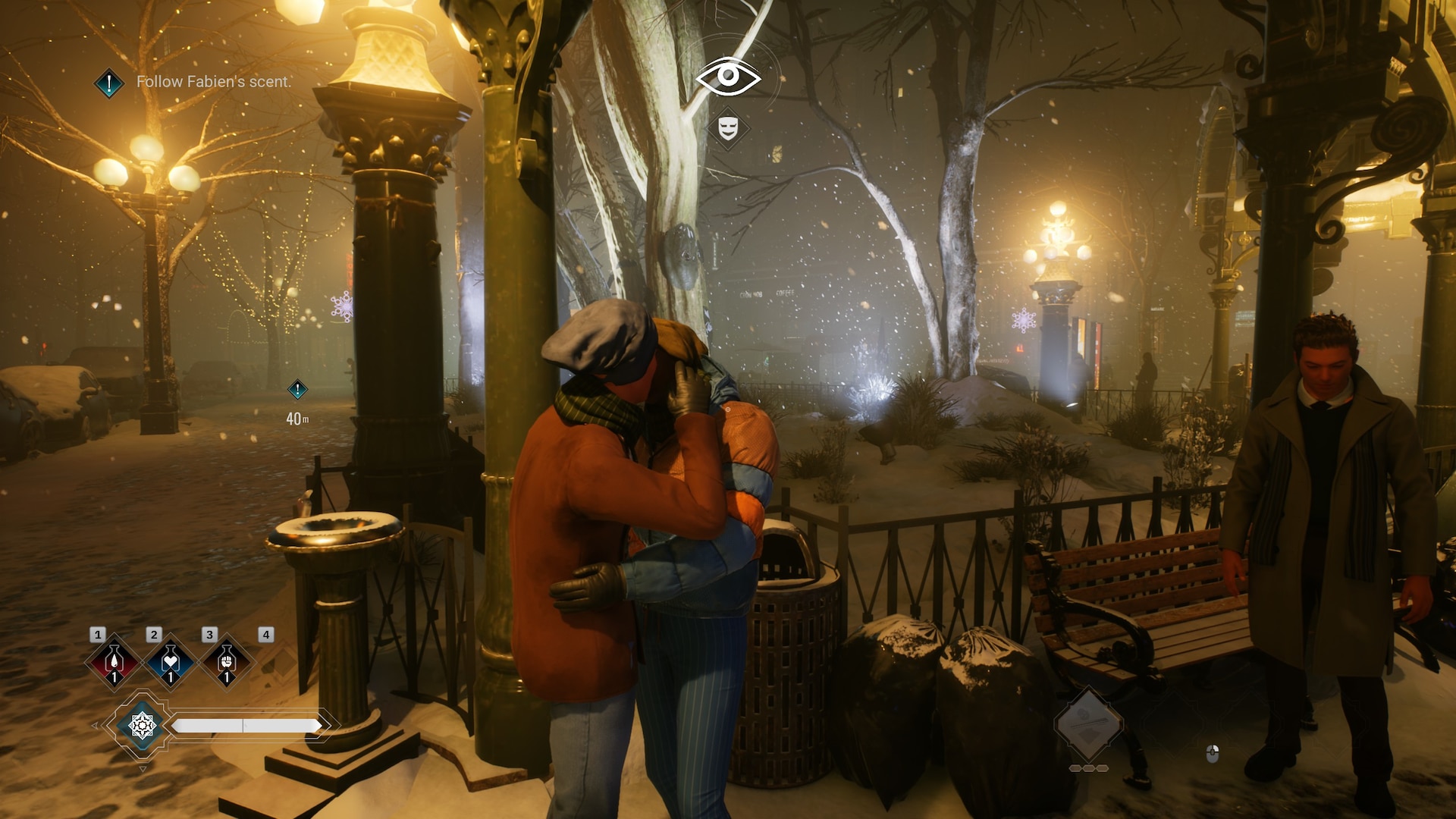
Set in a perpetually rain-soaked Seattle, Bloodlines 2 begins with your character’s sudden “Embrace” — the transformation into a vampire — and the struggle to navigate a city teeming with undead politics, ancient power struggles, and forbidden knowledge. The premise is simple, but the world it unfolds in is anything but.
Seattle’s vampiric underworld is divided among rival factions — corporate-backed Camarilla elites, rebellious Anarchs, and the enigmatic Tremere blood mages. Every conversation carries tension, every alliance feels fragile, and the line between manipulation and survival blurs constantly.

The writing is superb. Dialogue feels organic, layered, and thematically resonant. Each faction leader is distinct: the calculating elder with centuries of patience, the seductive anarch who views you as a pawn in her rebellion, the occult scholar obsessed with unlocking ancient bloodlines. The performances — both vocal and physical — bring each personality to life. The Chinese Room’s narrative sensibility shines through here: conversations often feel intimate and charged, dripping with subtext and restrained menace.
The game also handles tone deftly. Noir, horror, and tragedy coexist seamlessly, and the themes of hunger, secrecy, and identity echo through every mission. You are constantly reminded that being undead is both a curse and a privilege. The city itself becomes a reflection of that paradox — beautiful but decaying, vibrant yet hollow.
Still, while the main story is engrossing, its pacing sometimes falters. Certain middle chapters feel compressed, and key revelations occasionally arrive too suddenly. The player’s choices, while presented as significant, often circle back to similar outcomes, diluting the impact of political decisions. It’s gripping, but not always empowering.
Gameplay and Role-Playing
At its core, Bloodlines 2 is an action RPG, but one that leans more toward immersive narrative design than open-ended sandbox freedom. You choose from several clans — Brujah, Tremere, Banu Haqim, Ventrue, and others — each offering unique “Disciplines,” or supernatural powers. These range from telekinetic control and supernatural speed to hypnotic persuasion and devastating shadow attacks.
Combat, stealth, and dialogue all revolve around how you use these Disciplines. A Brujah brawler can tear through enemies with brutal melee combos, while a Tremere sorcerer manipulates blood energy to dominate encounters from a distance. Every ability feels distinct and thematically grounded.
Feeding — the act of draining blood to sustain yourself — is the game’s most evocative mechanic. It’s more than a way to refill health or power; it’s a narrative act. Feeding on civilians is dangerous and thrilling, forcing you to balance hunger against exposure. Each encounter with a victim feels personal, intimate, and morally charged — a reminder that the line between predator and person has already blurred.
However, Bloodlines 2’s RPG systems are significantly streamlined compared to its predecessor. Gone are the deep stat sheets, complex dialogue skill checks, and multi-path quest resolutions of the original. While the game includes some skill progression — improving combat efficiency, stealth, or persuasion — it never reaches the depth expected from a title carrying the Vampire: The Masquerade legacy.
Dialogue choices often change tone rather than consequence. You can choose to be charming, threatening, or sarcastic, but the story tends to converge on the same outcomes. It’s not that player agency is absent — it’s that it feels curated, designed for cinematic flow rather than true branching.
This approach works narratively but limits replayability and depth. It’s a story you experience, not a world you shape.
Combat and Level Design
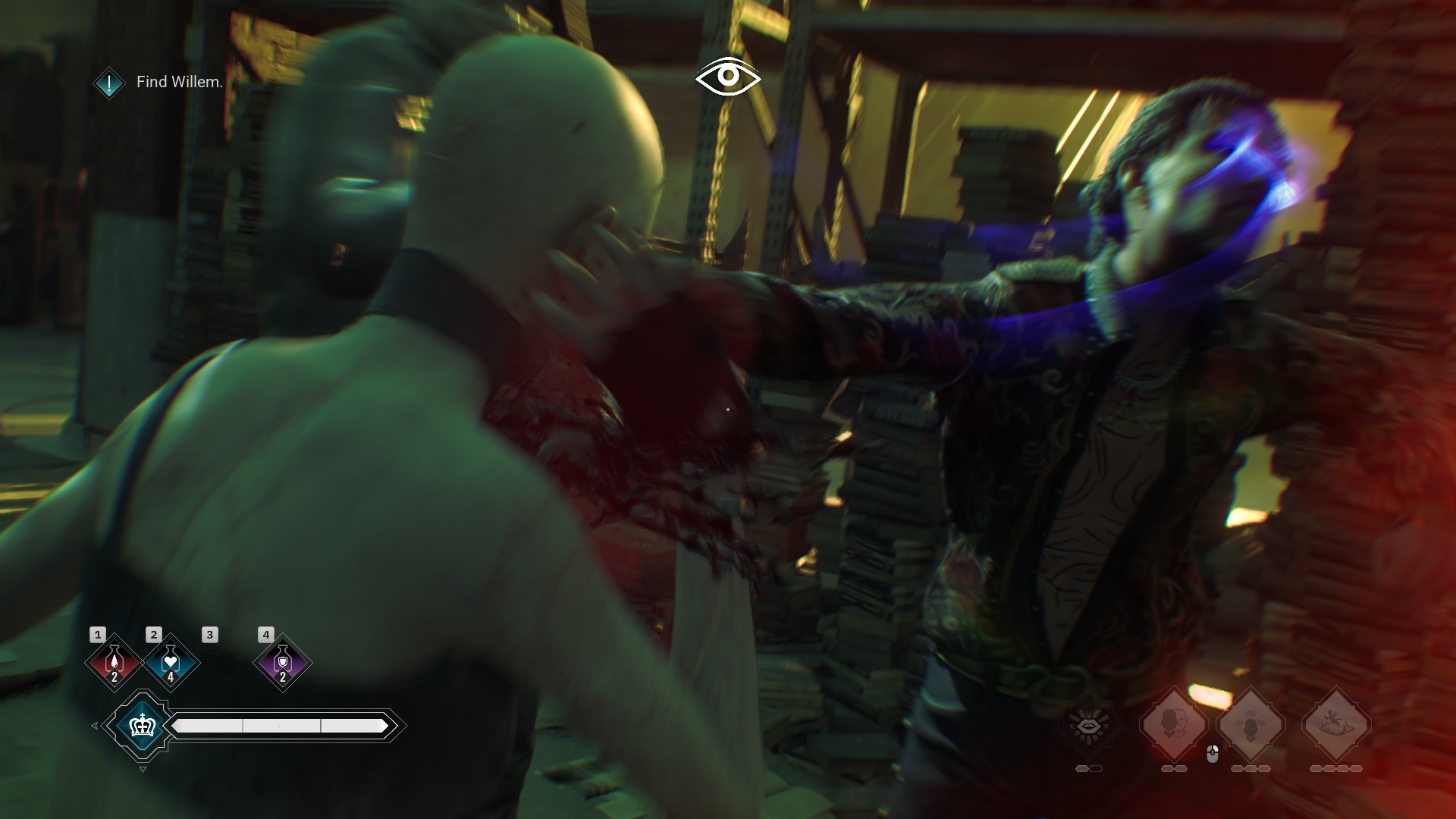
Combat in Bloodlines 2 is visceral and stylish but uneven in execution. Melee weapons feel weighty — blades cleave with real impact, and vampiric powers let you pummel enemies with supernatural force. Disciplines are the highlight, transforming fights into spectacles of speed, shadow, and blood. Telekinetically throwing foes across rooms or vanishing mid-brawl to reappear behind them never stops feeling satisfying.
Unfortunately, the underlying mechanics can’t always support the spectacle. Enemy AI ranges from aggressive and unpredictable to strangely static. Encounters occasionally feel repetitive, with enemies spawning in predictable waves. The lack of an advanced dodge or parry system makes combat more about brute power than finesse. It’s fun in short bursts, but the repetition creeps in during longer sessions.
Ranged combat is downplayed, reflecting the game’s focus on vampiric prowess rather than firearms. When guns appear, they serve more as supplemental tools than primary options — fitting the theme but limiting variety.
Level design strikes a balance between open exploration and guided progression. Seattle is divided into distinct districts — from the industrial decay of the Docks to the glittering towers of downtown and the eerie quiet of abandoned churches. Each hub feels atmospheric and distinct, though not vast. Bloodlines 2 favors density over scale: alleys hide secret feeding grounds, rooftops connect safe houses, and backrooms conceal side missions and lore.
However, exploration feels more guided than organic. Side missions exist, but many are structurally simple — fetch tasks, assassinations, or moral dilemmas that resolve quickly. A few stand out for their writing and moral ambiguity, but the world rarely feels as reactive as its fiction suggests.
Presentation and Performance
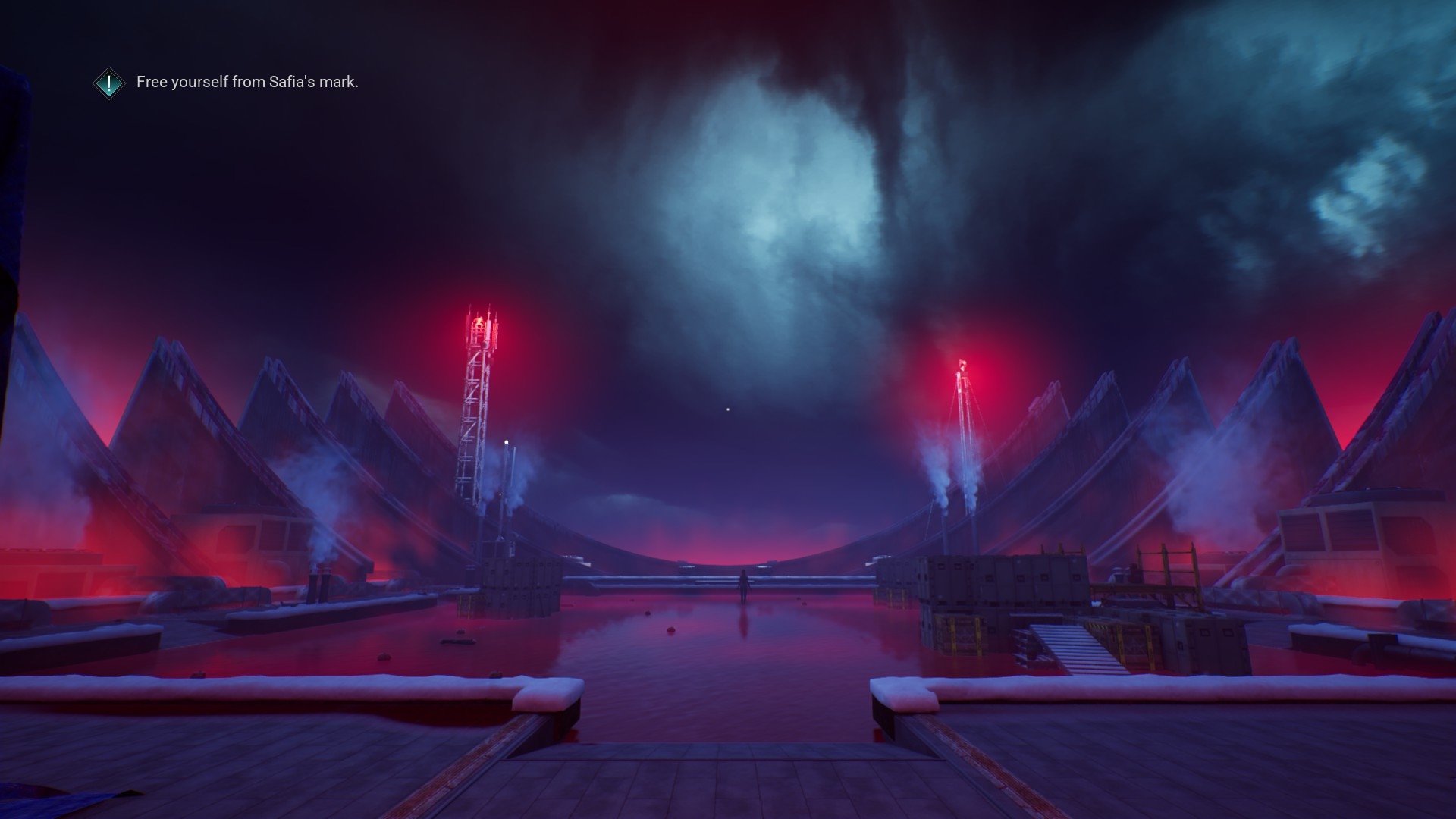
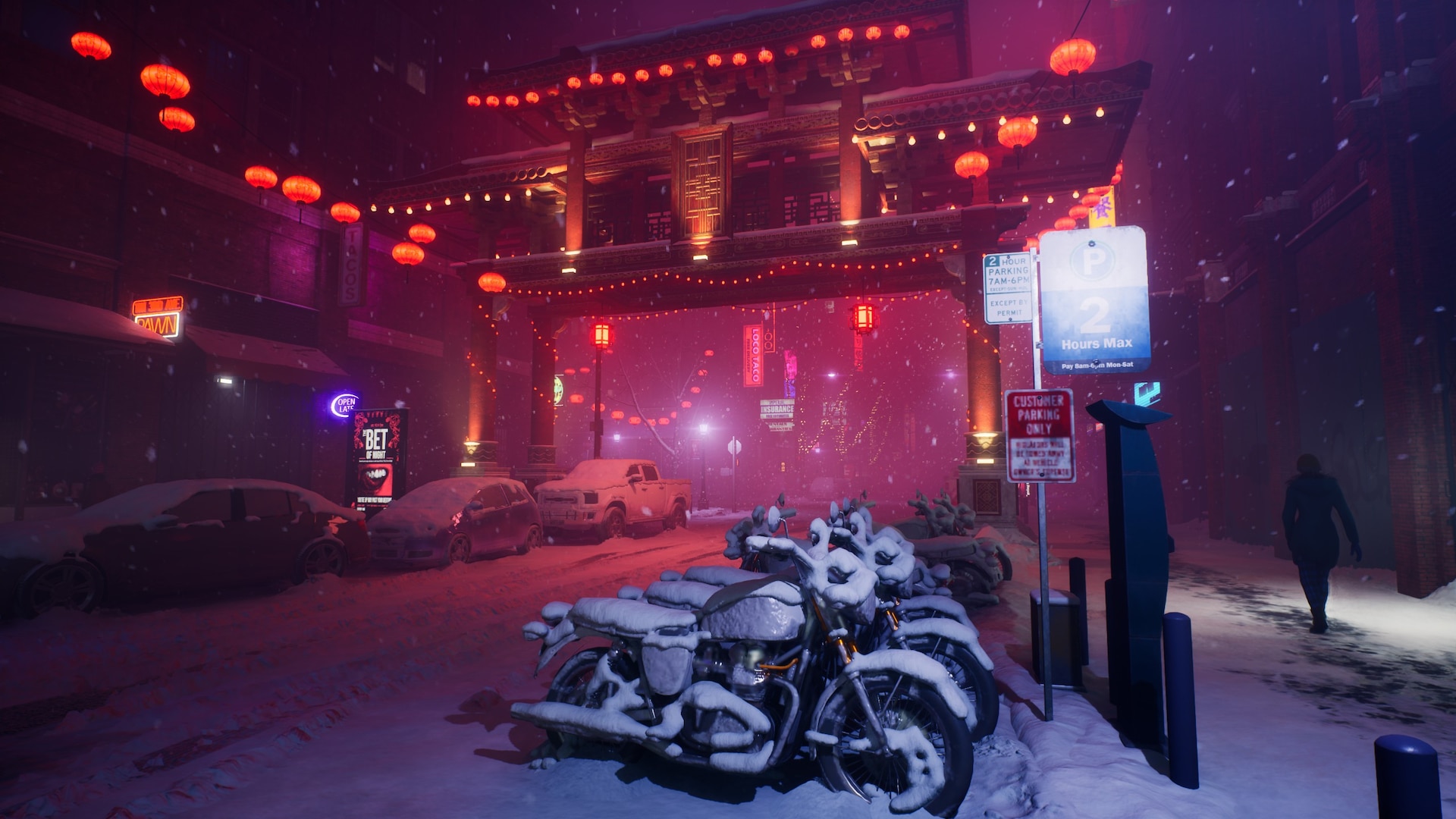
If there’s one area where Bloodlines 2 absolutely nails its identity, it’s presentation. The Chinese Room brings its cinematic sensibilities to every scene. The art direction is exceptional: Seattle is drenched in neon and fog, its perpetual rain refracting light off slick asphalt and reflective windows. The result is a visual identity that’s unmistakably gothic yet contemporary — cyberpunk elegance fused with supernatural dread.
The lighting is particularly stunning. Shadows move with eerie realism, and the game’s dynamic illumination reinforces its central tension between exposure and secrecy. Every safehouse, nightclub, and back alley feels handcrafted to tell a story through architecture and light.
The sound design is equally strong. Ambient noise — the hum of power lines, the hiss of rain, the distant thump of bass from underground clubs — immerses you completely. The score, a mix of industrial ambience and melancholy synth, perfectly underscores the narrative’s tension. Voice acting is uniformly excellent, with every major character delivering lines with theatrical gravitas and emotional restraint.
Where Bloodlines 2 falters is in performance. On high-end PCs, the game looks beautiful, but optimization issues are noticeable. Frame stutters, delayed texture loading, and occasional pathfinding bugs are present even post-patch. Nothing game-breaking, but enough to remind you that technical polish remains elusive for the series.
Animations can also be inconsistent. Main characters animate fluidly in cinematic scenes, while lesser NPCs can appear stiff or oddly disconnected. It’s not enough to break immersion, but it highlights the unevenness between major set-pieces and routine encounters.
Replayability and Longevity
Bloodlines 2 offers multiple clans, divergent allegiances, and branching dialogues — but its replay value is moderate rather than immense. Choosing a different clan significantly alters combat style and select dialogue options, but story outcomes rarely diverge dramatically.
The game features several endings based on your political alliances and moral decisions, but they tend to share structural similarities. Still, for players who value character interaction and atmosphere over systemic experimentation, a second playthrough can be rewarding, if only to explore new clan abilities or story perspectives.
Side content provides additional lore, uncovering details about Seattle’s vampiric history and the centuries-old conspiracies that fuel the main plot. Fans of the tabletop universe will find numerous Easter eggs referencing clans, elders, and myths from across the World of Darkness.
Final Verdict: 6/10
Vampire: The Masquerade – Bloodlines 2 is an evocative return to one of gaming’s most compelling worlds. It’s dripping with atmosphere, filled with complex characters, and carried by a haunting sense of identity and power. It succeeds where it matters most — in tone, worldbuilding, and emotional storytelling.
But it also stumbles in areas that once defined its predecessor’s legacy. Its RPG systems are simplified, its player agency limited, and its technical execution uneven. For those expecting a full successor to Troika’s open-ended design, this may feel like a compromise.
Yet despite its flaws, Bloodlines 2 captures the soul of the series: a stylish, introspective, and often tragic exploration of what it means to be human — even after you’ve stopped being one.