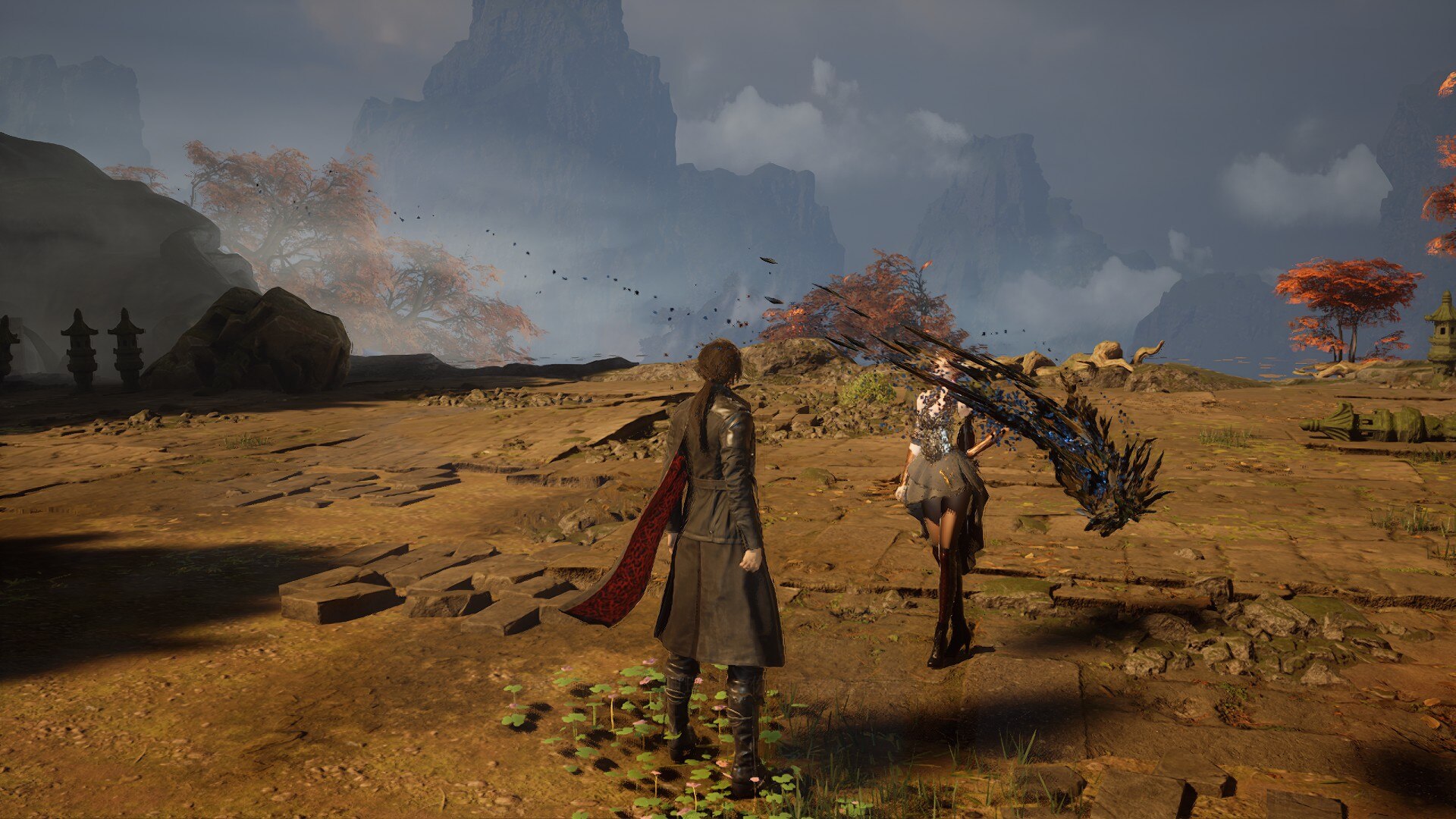
Few indie projects have carried the kind of mythos that Lost Soul Aside has. What started back in 2016 as a prototype by a solo developer, Yang Bing, caught fire with its first trailer—a stunning mash-up of high-speed combat, flashy particle effects, and anime-inspired spectacle. Sony took notice, offering support and studio resources, and almost ten years later the game has finally launched on PlayStation 5 and PC.
The question is whether the reality lives up to that dream. The short answer: partly. Lost Soul Aside is a thrilling, stylish action RPG with combat that can rival genre giants, but it arrives with storytelling missteps and a PC port that requires patience—or a monster rig—to shine.
Gameplay and Combat
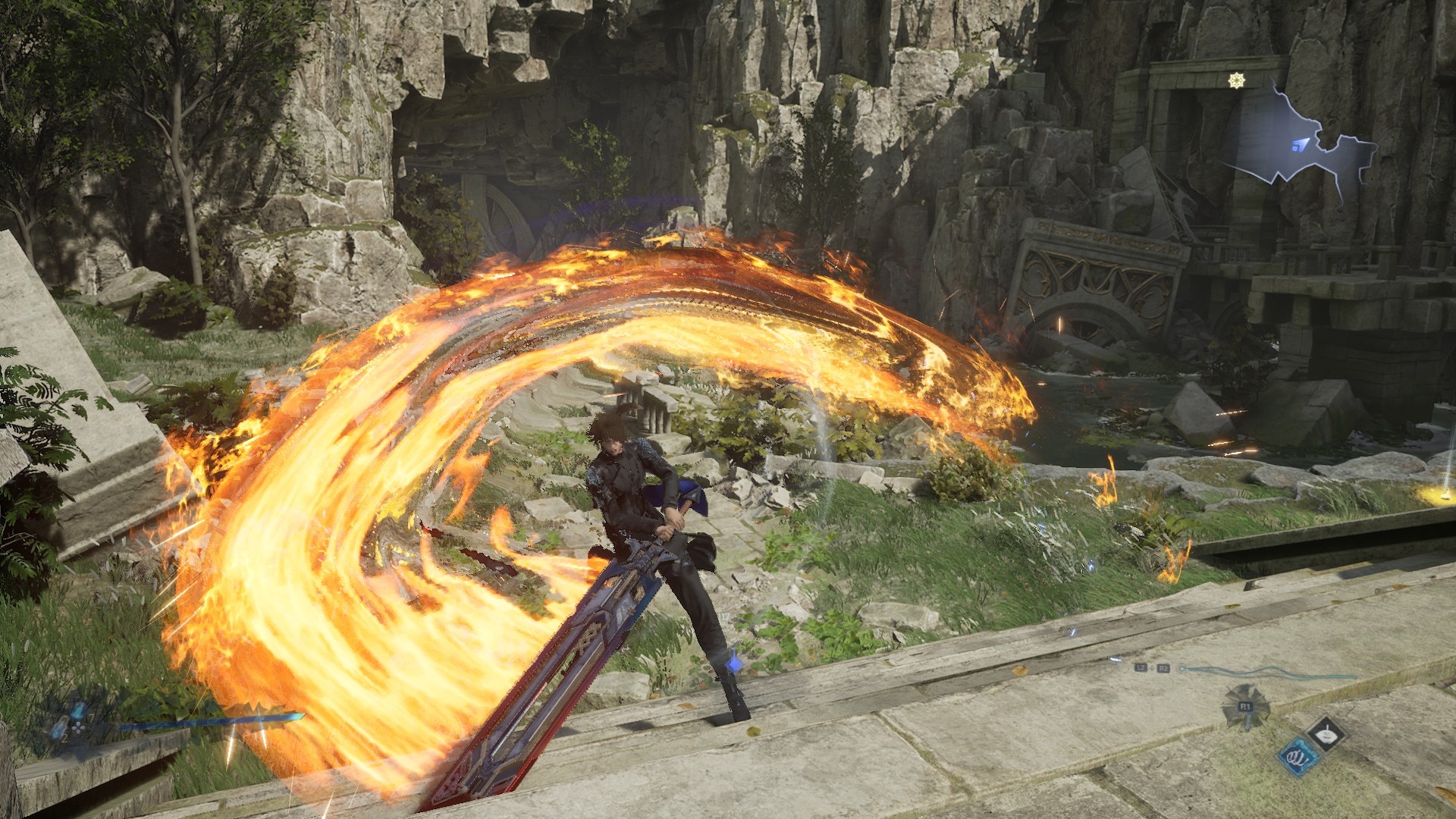
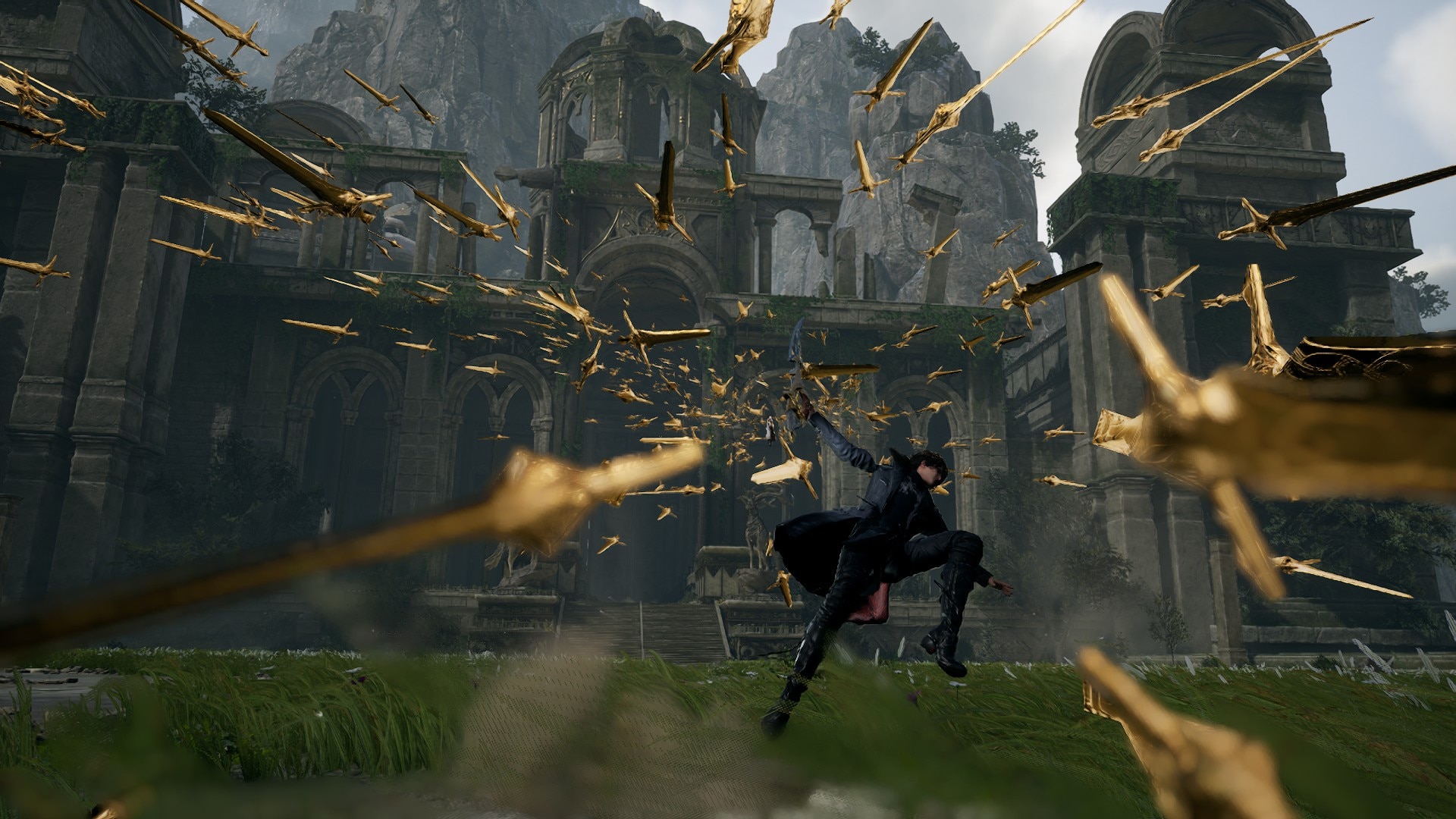
When you’re in the thick of battle, Lost Soul Aside can feel glorious. Protagonist Kaser is equipped with a range of weapons—swords, greatswords, polearms, scythes—and you can switch between them instantly mid-combo. The system encourages creativity: start with a fast sword string, cancel into a heavy scythe slam, then chain an aerial launcher with a polearm. Add Arena’s abilities on top—crystal spikes, claw slashes, energy projectiles—and suddenly the screen is a ballet of blades and neon light.
The Fusion Gauge adds another layer. Fill it up and you can unleash a brief transformation where Kaser and Arena merge, opening access to devastating finishers that shred bosses or clear arenas. It’s risky (building the gauge requires aggressive play) but rewarding.
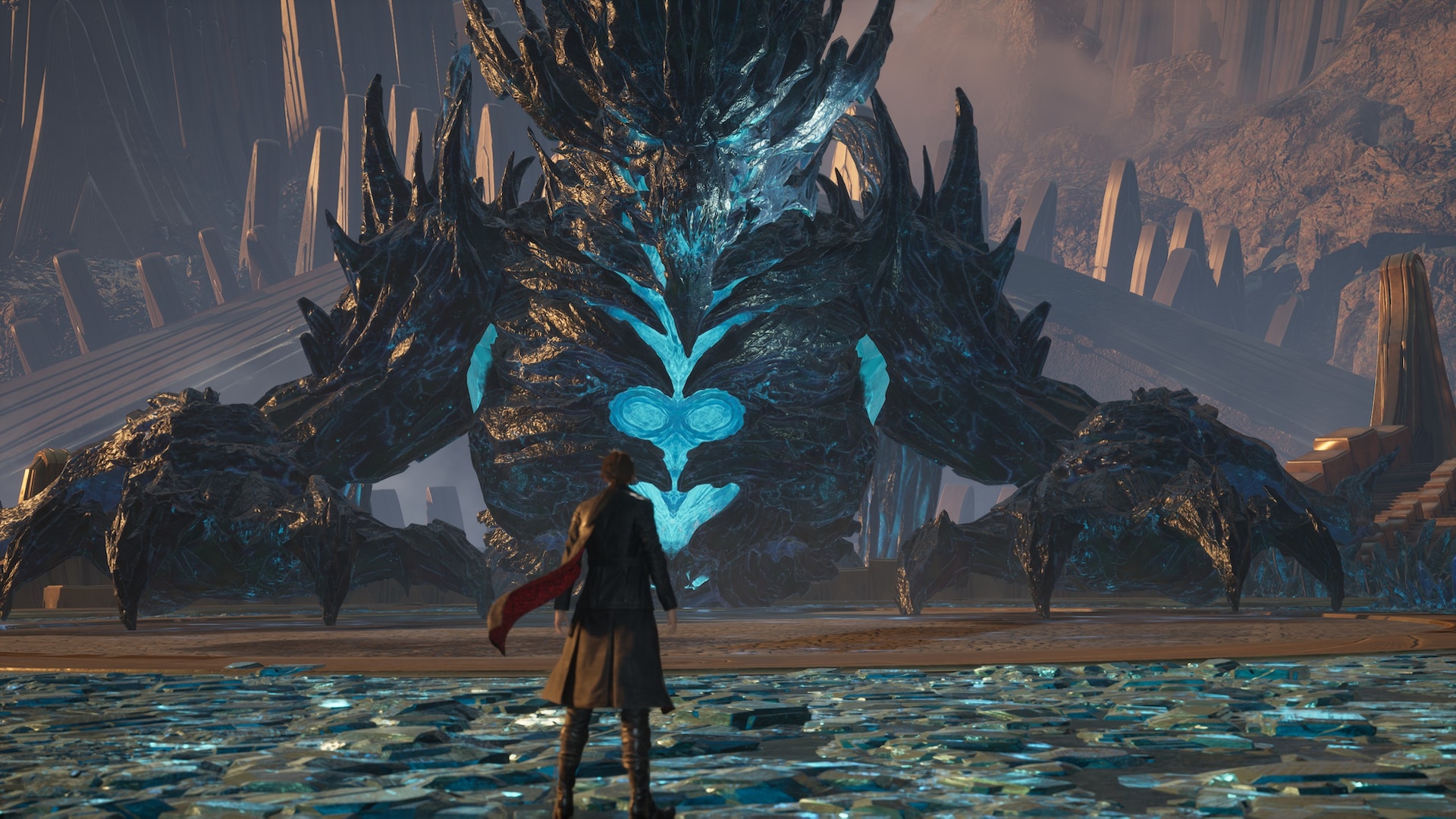
Boss design is strong. They come in varied archetypes—towering brutes, agile duelists, screen-filling monstrosities—and force you to adapt rather than spam one weapon. Dodging and parrying feel tight, though visual clarity sometimes suffers under the sheer density of particle effects. The lock-on system works fine against single foes but struggles in crowded fights, and the camera occasionally panics when you’re pressed against walls. These frustrations don’t ruin the flow, but they do remind you this isn’t Capcom-level polish.
Still, when it all clicks, combat is exhilarating. It captures that rare feeling where your inputs translate directly into cinematic spectacle, making you look cooler than you really are.
Story and Characters
Narratively, Lost Soul Aside wears its inspirations on its sleeve. It’s a tale of siblings, destiny, and sacrifice, framed by ruins of a collapsed futuristic civilization. Kaser plays the archetypal stoic protector, Arena serves as both combat partner and sarcastic foil, and the supporting cast falls into familiar anime-fantasy tropes.

The biggest sticking point is presentation. Cutscenes are lavishly animated, but the English voice acting is uneven—at times heartfelt, at other times flat or unintentionally comical. Many players will likely switch to Japanese or Chinese VO, where performances land more consistently. The script itself leans heavy on melodrama, with long-winded exposition and declarations of fate that sometimes undercut the pacing.
Does it work? That depends on what you want. If you’re here for deep character arcs or nuanced worldbuilding, you may be disappointed. If you’re fine with story as seasoning for stylish battles and over-the-top set pieces, you’ll get what you came for.
Presentation and Atmosphere
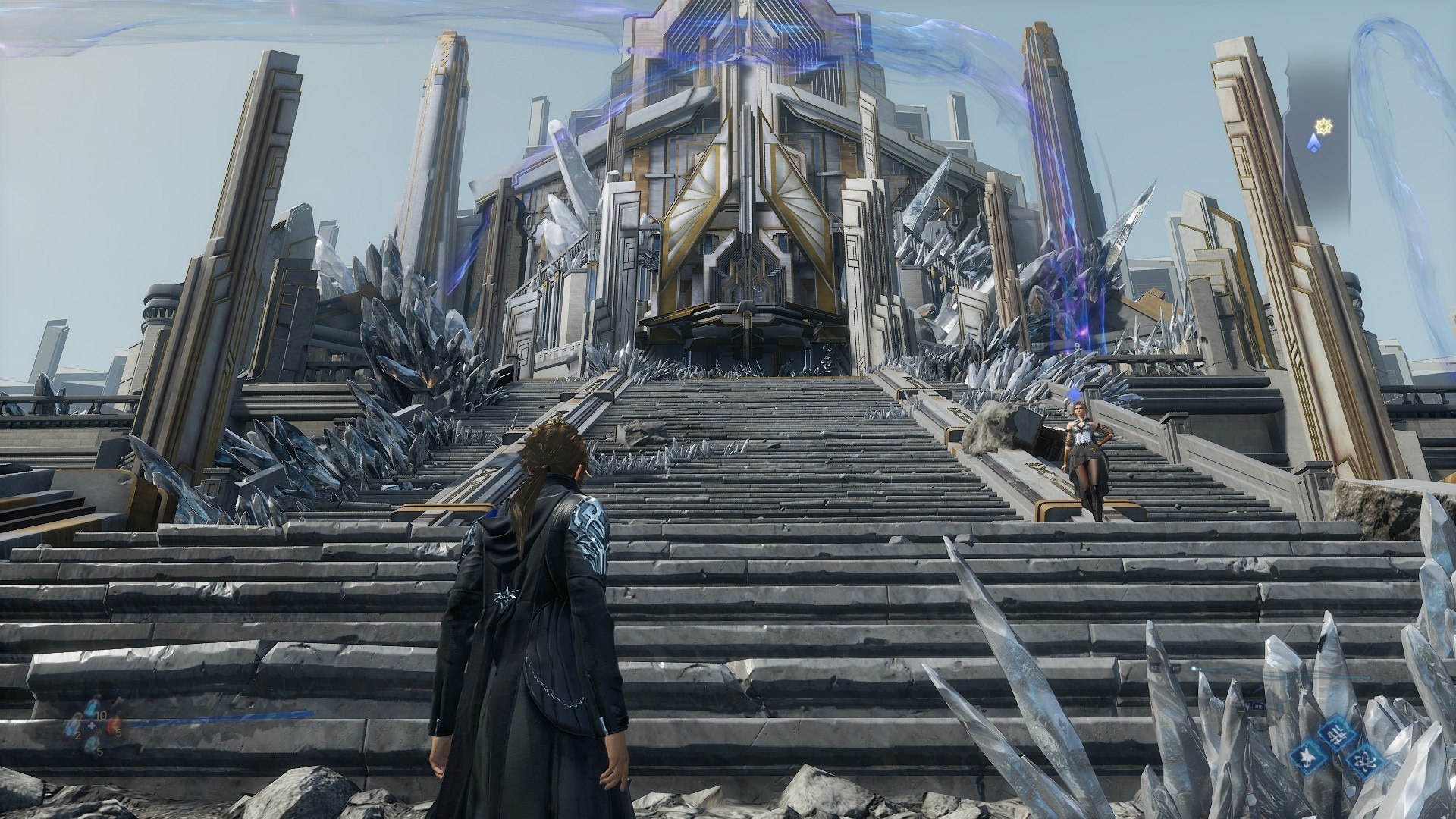
Visually, the game is striking. Levels range from shattered futuristic cities to sweeping plains and crystalline caverns. Art direction favors scale—massive bosses, towering structures, glowing skies—and while not every texture or prop holds up under close inspection, the sense of spectacle carries it.
Animations are fluid, especially in combat, and the transition from one weapon to another is almost seamless. The game wants to make you feel like you’re playing an anime battle scene, and for the most part it succeeds.
The soundtrack is another highlight. It mixes orchestral swells with electronic beats and choral vocals, swelling at just the right moments during boss encounters. Even when the story drags, the music pulls you forward.
Performance on PC
On paper, Lost Soul Aside’s PC port is generous. It offers DLSS (with Frame Generation), FSR 3, XeSS, HDR, ultrawide support, and ray tracing. You can toggle shadows, textures, view distance, and post-processing, and cap the frame rate at 30, 60, 120, or leave it uncapped. It’s feature-rich, which is refreshing.
In practice, results vary. Combat arenas generally run well, but performance can nosedive in hub areas and during cutscenes, with frame pacing issues and CPU bottlenecks cropping up even on strong systems. Ray tracing is punishing and feels poorly optimized, dragging down performance unless you’re running an RTX 4080 or equivalent. Upscalers like DLSS and FSR help, but they can introduce softness during fast movement.
The official specs are demanding: a GTX 1060 or RX 5500 XT for minimum, RTX 2060 or RX 5700 XT for recommended, and high-end 40-series or 7900-class cards for ray-traced settings. Storage requirements are hefty at 80 GB on an SSD.
This is a port that can look fantastic, but you’ll need patience to tweak settings—or serious hardware—to get the most out of it.
Length and Replayability
A first playthrough runs around 14 to 20 hours, depending on difficulty and how much optional content you tackle. The structure is linear, focused on moving from one cinematic battle to the next with little downtime. There are some optional combat trials and hidden encounters, but don’t expect an open world or side quest depth.
Replay value comes from experimenting with different weapons, mastering Arena’s abilities, and chasing higher difficulty challenges. Fans of the genre will find reasons to revisit fights just to perfect their style, but players expecting RPG progression systems or branching narratives may feel shortchanged.
Final Verdict: 6/10
Lost Soul Aside is an ambitious passion project that delivers where it matters most: combat. Its fluid weapon-swapping system, flashy combos, and demanding boss fights put it firmly in the lineage of character action classics. Presentation is strong, too, with stylish visuals and a booming soundtrack that push the spectacle factor through the roof.
Where it stumbles is in storytelling and performance. The narrative is earnest but generic, the English voice work distracts more than it helps, and the PC port—though full of options—struggles with optimization.
If you love stylish action games, this is absolutely worth playing, rough edges and all. But if you’re sensitive to technical hiccups or need story on par with Final Fantasy or Nier, temper your expectations.