After years in the shadows, the Prince of Persia franchise is back—but not in the way most expected. Instead of another sprawling action-adventure or a remake of a fan favorite, Ubisoft tapped Evil Empire, the studio behind Dead Cells’ explosive post-launch success, to reinvent the series through the lens of a roguelite.
The gamble paid off. The Rogue Prince of Persia spent a full year in Early Access, steadily layering on content and refining its mechanics. Now, with its version 1.0 release, it delivers a slick, stylish action-platformer that respects the series’ legacy while confidently striking out on its own.
Movement at the Core
The defining trait of The Rogue Prince of Persia is movement as identity. Where most roguelites build around weapons, damage numbers, or loot synergies, this game asks a different question: How stylishly can you move?

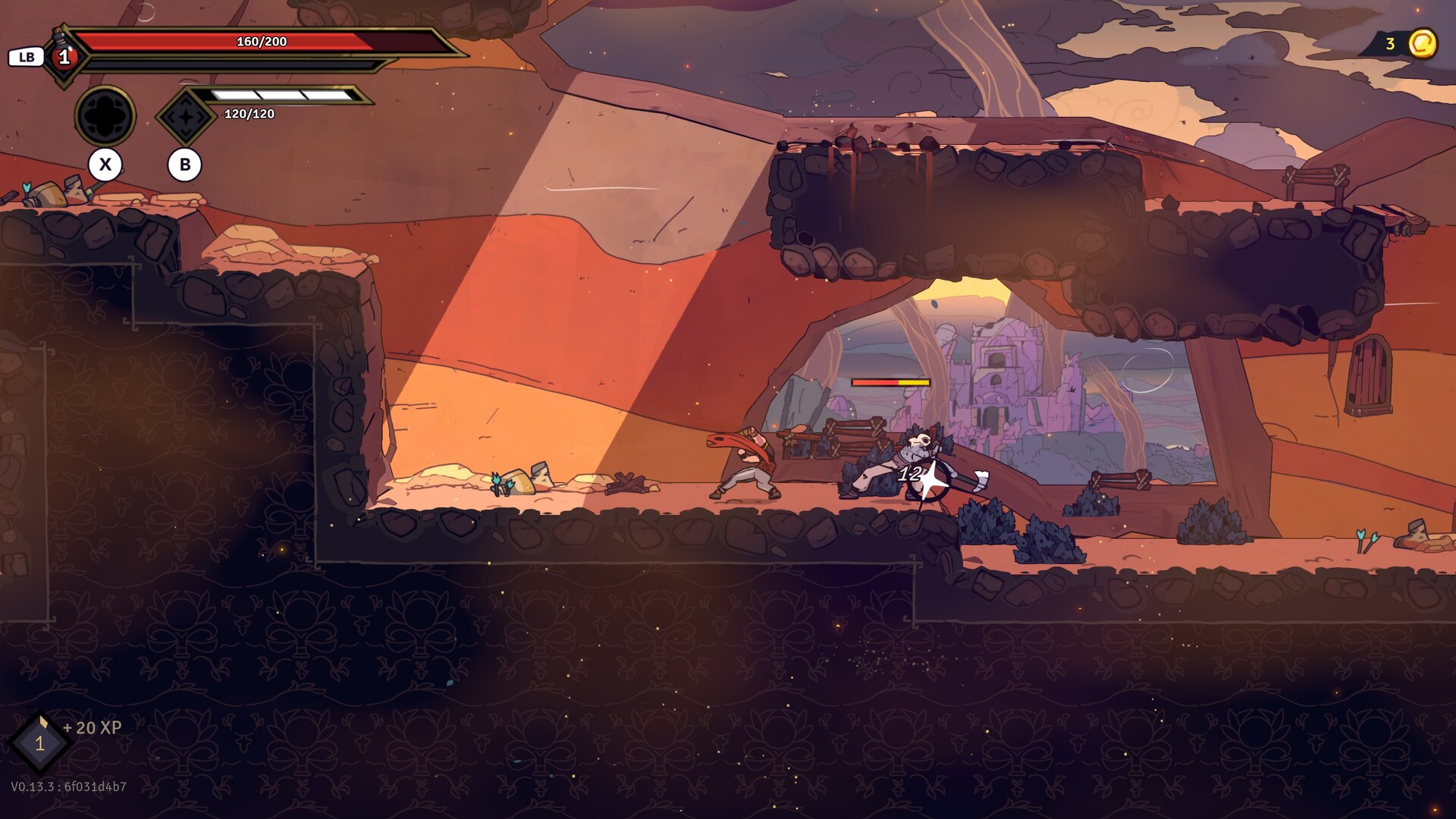
The Prince glides across walls, vaults over enemies, and uses a well-placed kick to send foes sprawling into spikes or tumbling off ledges. Tools like the rope dart add more layers, letting you reel enemies toward you or reposition in an instant. These aren’t just flourishes—they’re essential to survival.
What sets this apart is the way progression systems encourage that behavior. Medallions, slotted onto a customizable board, grant conditional bonuses that trigger through movement: ignite enemies during a wall-run, inflict bleed when vaulting, or gain armor after a kick. You’re not just rewarded for killing—you’re rewarded for moving with style.
The flow this creates is extraordinary. Runs feel like tightly choreographed action sequences, even though they’re improvised moment by moment. Every wall, ledge, and enemy placement becomes part of your toolkit.
Combat and Clarity
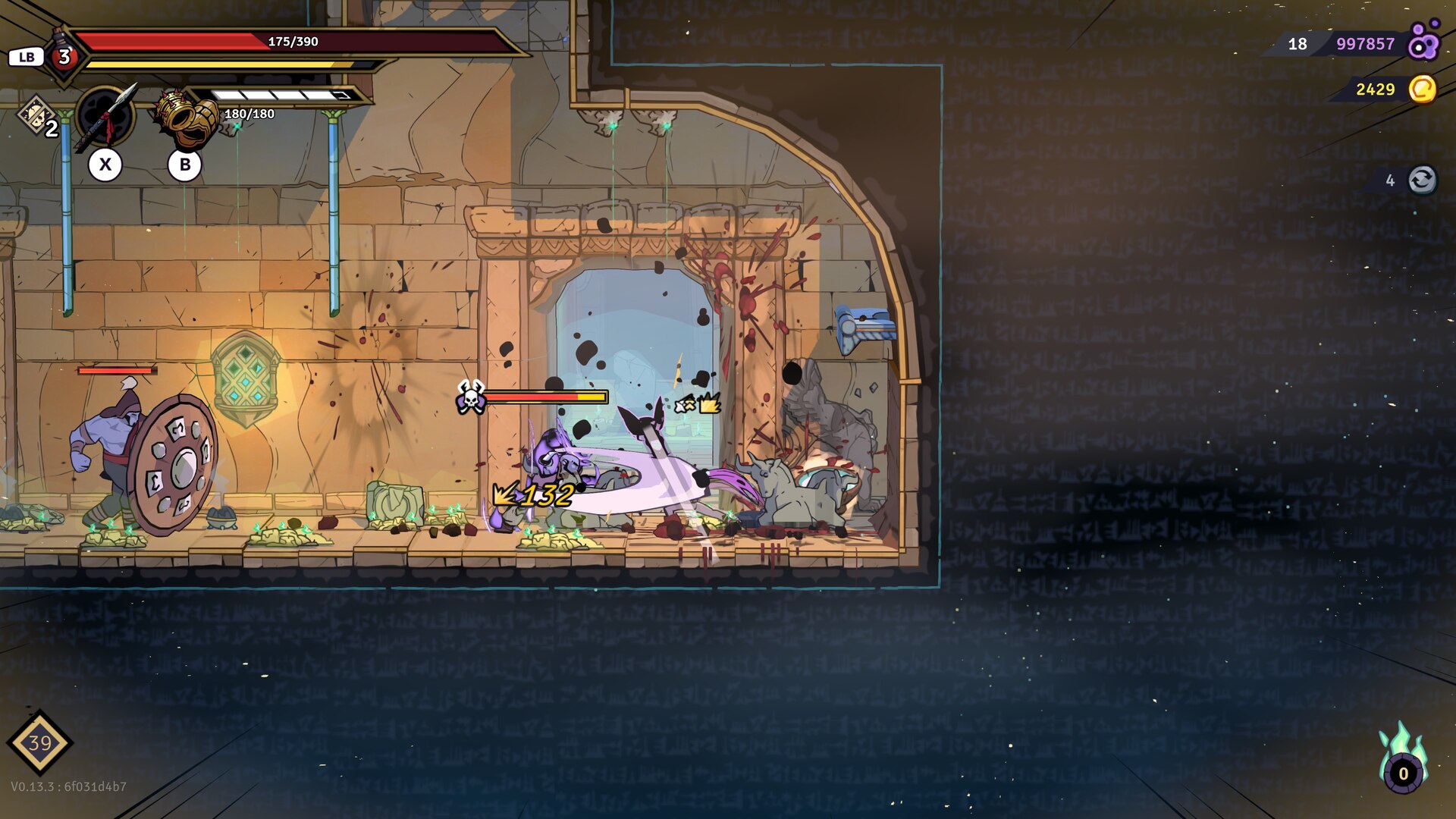
Combat in The Rogue Prince of Persia is a balance between speed and readability. Enemy telegraphs are exaggerated enough to parse quickly, but not so sluggish that encounters feel trivial. Strikes connect with just the right amount of hit-stop, giving attacks weight without disrupting momentum.
Weapons themselves—sabers, spears, axes, bows—provide different ranges and tempos. But compared to many roguelites, raw weapon choice is less important than how it interacts with your movement-focused build. A spear’s reach might pair beautifully with vault-bleed effects, while axes hit harder when you kick an enemy into a wall.
The result is combat that’s less about standing your ground and more about staying in motion. Unlike some roguelites where you can “stat check” your way through with enough damage, here you’re pushed to execute—parkour, position, and punish mistakes.
The Shape of a Run
A typical run takes about half an hour and guides you through a sequence of biomes that feel both distinct and purposeful. The rooftops of Ctesiphon are wide open and encourage wall-running precision, pushing you to master long horizontal bursts of movement. The markets are tighter, full of stalls, narrow ledges, and environmental hazards that force careful footwork and crowd control. Later on, the gardens shift the focus to vertical play, layering platforms in ways that demand constant vaulting and climbing. Finally, the catacombs slow the pace, with oppressive darkness, spiked traps, and ambush-heavy corridors where every step feels dangerous.
Each biome introduces new traversal challenges and enemy types, ensuring that no two areas play alike. Optional routes and detours are scattered throughout, tempting you with rewards at the cost of increased risk. It’s a structure that encourages experimentation—you rarely feel railroaded, and your choices about where to explore can make or break a run.
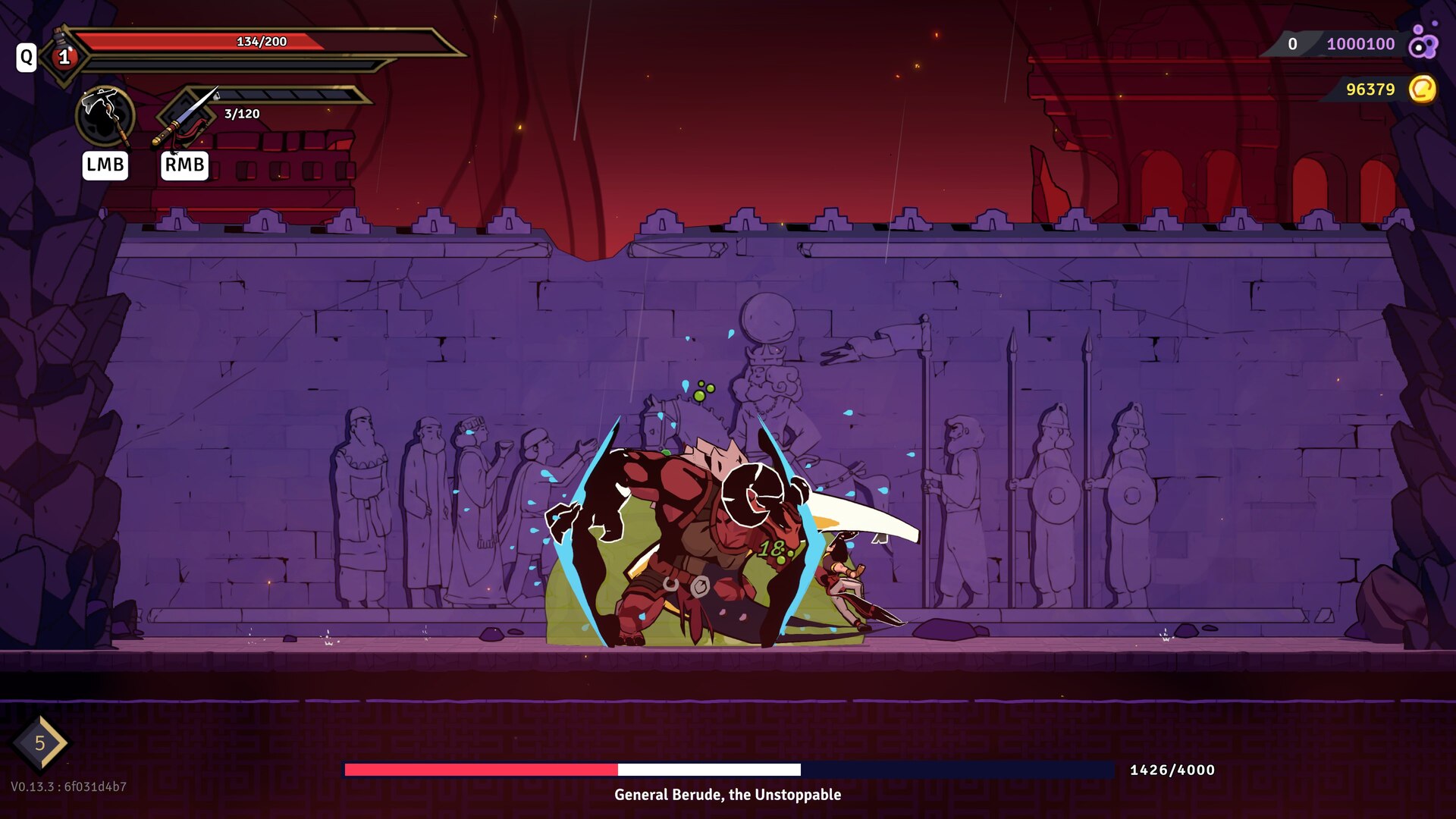
Boss encounters are where this design philosophy shines brightest. Instead of flat, predictable arenas, battles unfold in vertical spaces that force you to weave wall-runs, vaults, and kicks into your rhythm. Dodging isn’t enough; victory comes from mastery of terrain. The difficulty curve spikes noticeably here, but the fights are always fair, rewarding agility and improvisation as much as raw damage output.
Progression Between Runs
Between excursions, the Prince returns to a central hub where rescued NPCs gradually set up shop. These characters expand your long-term options, offering services that unlock new weapons, medallion types, or tools. The system is restrained compared to many roguelites, which often drown players in hundreds of minor upgrades. Here, each addition feels intentional. A new weapon class changes your fighting style dramatically, while a fresh medallion type can redefine the way you chain movement into damage.

The early hours of the game are intentionally approachable. New players will find enemies forgiving, hazards clearly telegraphed, and medallions easy to understand. Genre veterans may initially find this too forgiving, but the difficulty escalates quickly as you delve deeper into later zones. Elite enemies hit harder, traps appear more frequently, and bosses begin layering in multi-phase mechanics that test both reflexes and creativity. The progression curve ensures accessibility without sacrificing depth.
Presentation and Atmosphere
Visually, The Rogue Prince of Persia is a striking piece of work. The comic-inspired art direction uses bold outlines and vibrant colors to keep the screen readable, even during hectic fights. The final art pass before launch polished the palette and improved clarity across environments, and the results are easy to appreciate. Every swing, vault, and wall-run is animated with precision, reinforcing the Prince’s identity as an agile, graceful fighter.
The sound design matches the visual polish. The soundtrack blends traditional Middle Eastern instruments with modern percussion, creating a rhythm that propels each run forward. The mix is strong enough to stand out without becoming intrusive, and audio cues from attacks and parkour moves are crisp, immediately feeding into player feedback. The snap of a rope dart pulling an enemy, the crunch of a kick sending a guard flying into spikes—each detail enhances immersion.
Final Verdict: 8.5/10
The Rogue Prince of Persia isn’t just another roguelite; it’s a confident reinvention of a classic series. By centering the game around movement, Evil Empire has created something that feels both distinct within the genre and true to the spirit of the Prince. It rewards improvisation and creativity, asking you to treat every wall and ledge as part of your arsenal.
The game’s early hours may be too gentle for seasoned roguelite players, and its arsenal isn’t as sprawling as Dead Cells just yet, but these are minor blemishes on what is otherwise a polished, exhilarating experience. Each run feels purposeful, each victory earned not through brute force, but through mastery of parkour and rhythm.
For roguelite enthusiasts, it stands as one of the most inventive takes on the genre in recent memory. For longtime Prince of Persia fans, it’s a surprising but welcome evolution, proving the series still has new ground to cover.