Mafia: The Old Country marks a bold return to the roots of the Mafia series, shedding the sprawling open-world chaos of Mafia III in favor of a more focused, narrative-driven experience. Set against the backdrop of early 20th-century Sicily, the game transports players to a time and place defined by harsh realities, mafia loyalties, and personal sacrifice. As a prequel to the series, The Old Country follows Enzo Favara, a boy raised in the sulfur mines of Sicily, who eventually rises to prominence within the ranks of Don Torrisi’s crime family. The game blends history with personal drama, delivering a deeply immersive experience built on storytelling, atmosphere, and emotional complexity.
Narrative and Setting
At the heart of Mafia: The Old Country is its story, and it is one that feels both intimate and expansive. From the very beginning, the game immerses players in the harsh realities of life in early 1900s Sicily, contrasting Enzo’s labor in the unforgiving sulfur mines with the opulent rituals of mafia life. This narrative is meticulously crafted, offering a rare and refreshing portrayal of organized crime that focuses not on its glamorization, but on the brutal, often dehumanizing toll it takes on those involved. Enzo’s journey from a lowly laborer to a trusted member of a mafia family is a story of ambition, betrayal, and sacrifice.
The setting of San Celeste, a fictional region within Sicily, is equally captivating. The world feels rich with history and texture, from the ancient ruins and vineyards to the worn-down streets of small villages. The design of the environment feels authentic, bringing the time and place to life with a rare degree of attention to detail. This is not a tourist’s Sicily, but rather a land defined by poverty, superstition, and resistance. Every building, every village square, and every alley tells a story. It’s a world that feels lived in and deeply real, and the decision to use Sicilian-language voice acting further enhances this sense of authenticity. With the voices of the characters grounded in their cultural heritage, players are pulled deeper into the game’s narrative and historical context.
Gameplay and Mechanics
Mafia: The Old Country deviates from the more expansive open-world design of its predecessors, opting instead for a chapter-based, linear structure. This decision might disappoint those who enjoyed the freedom of Mafia III, but for those who appreciate tightly crafted narratives, it proves to be an effective choice. The game’s linearity ensures that the focus remains squarely on the story, offering a streamlined experience that is both efficient and emotionally resonant.
Combat in The Old Country is deliberate and methodical. The shooting mechanics rely heavily on cover-based tactics, with each weapon—whether it’s a pistol, shotgun, or rifle—feeling weighty and appropriately period-accurate. The lack of modern gadgets and quick-time events gives the gameplay a more grounded feel, favoring slower, more tactical engagements over fast-paced action. While this approach may not reinvent third-person shooting, it provides a satisfying rhythm that complements the game’s tone.
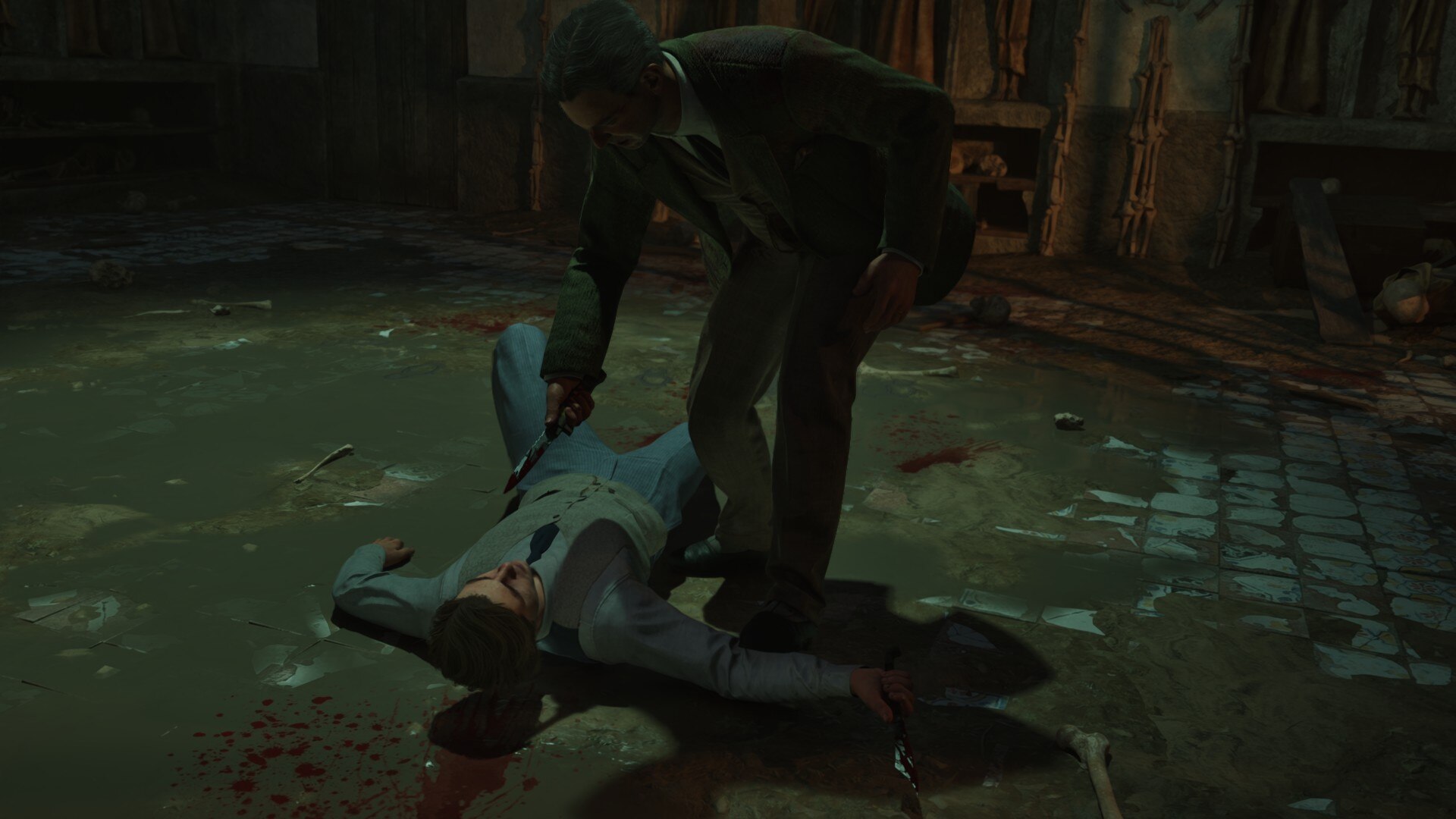
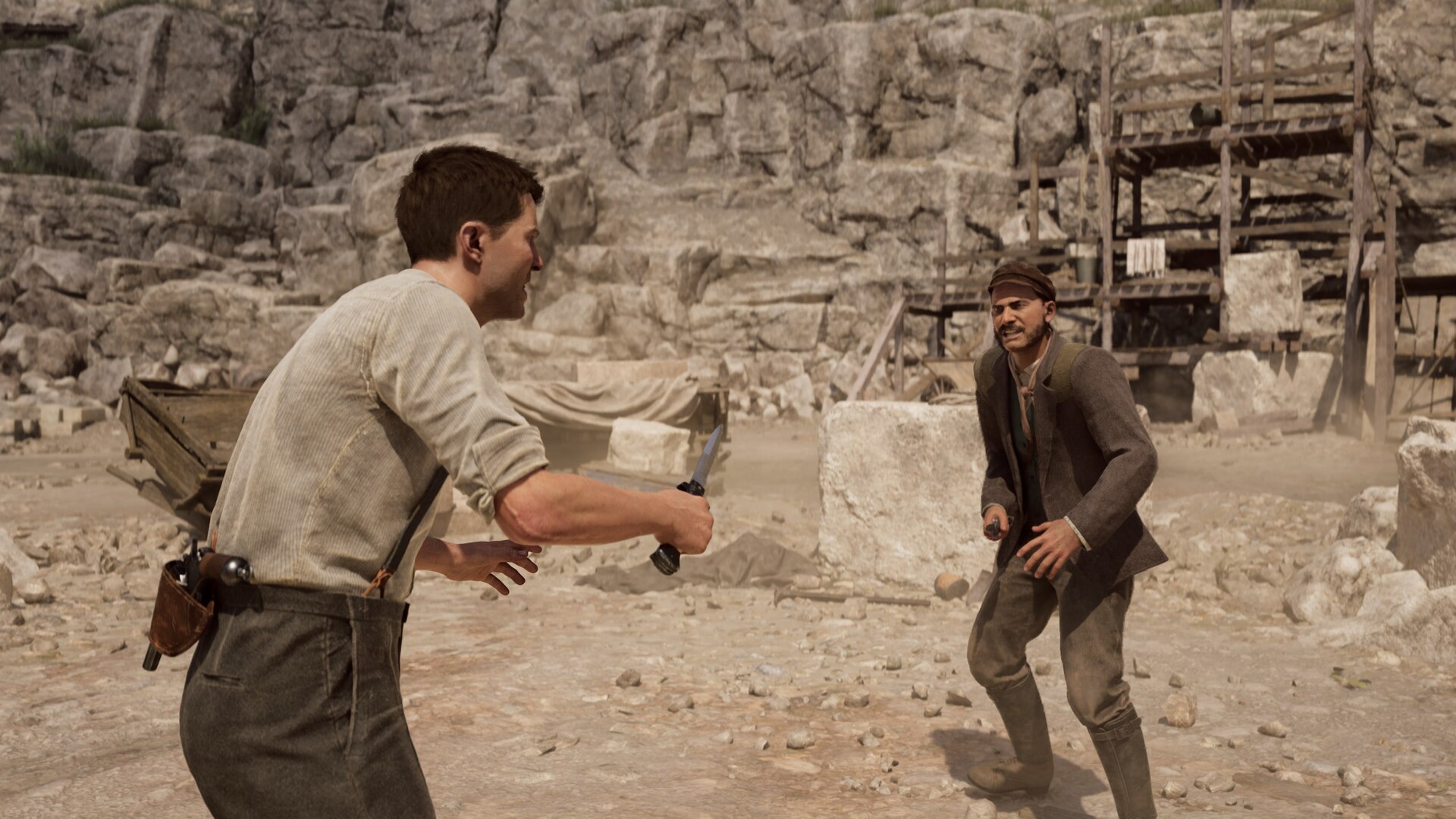
However, the game falters in some areas. Knife duels, one of the game’s signature close-quarters mechanics, often feel shallow and repetitive. These encounters rely on a simple parry-and-counter mechanic, which, though visually striking, offers little in terms of strategic depth. The lack of variety in these sequences can detract from their impact, making them feel like a chore rather than a tense encounter.
Stealth mechanics, while present, are similarly limited. Unlike more refined stealth systems, The Old Country often punishes players with immediate mission failure upon detection. This rigid approach feels archaic in comparison to modern standards, and the lack of feedback or meaningful tools for evasion can lead to frustration. The absence of well-placed checkpoints further exacerbates this issue, forcing players to replay sections that feel more tedious than challenging.
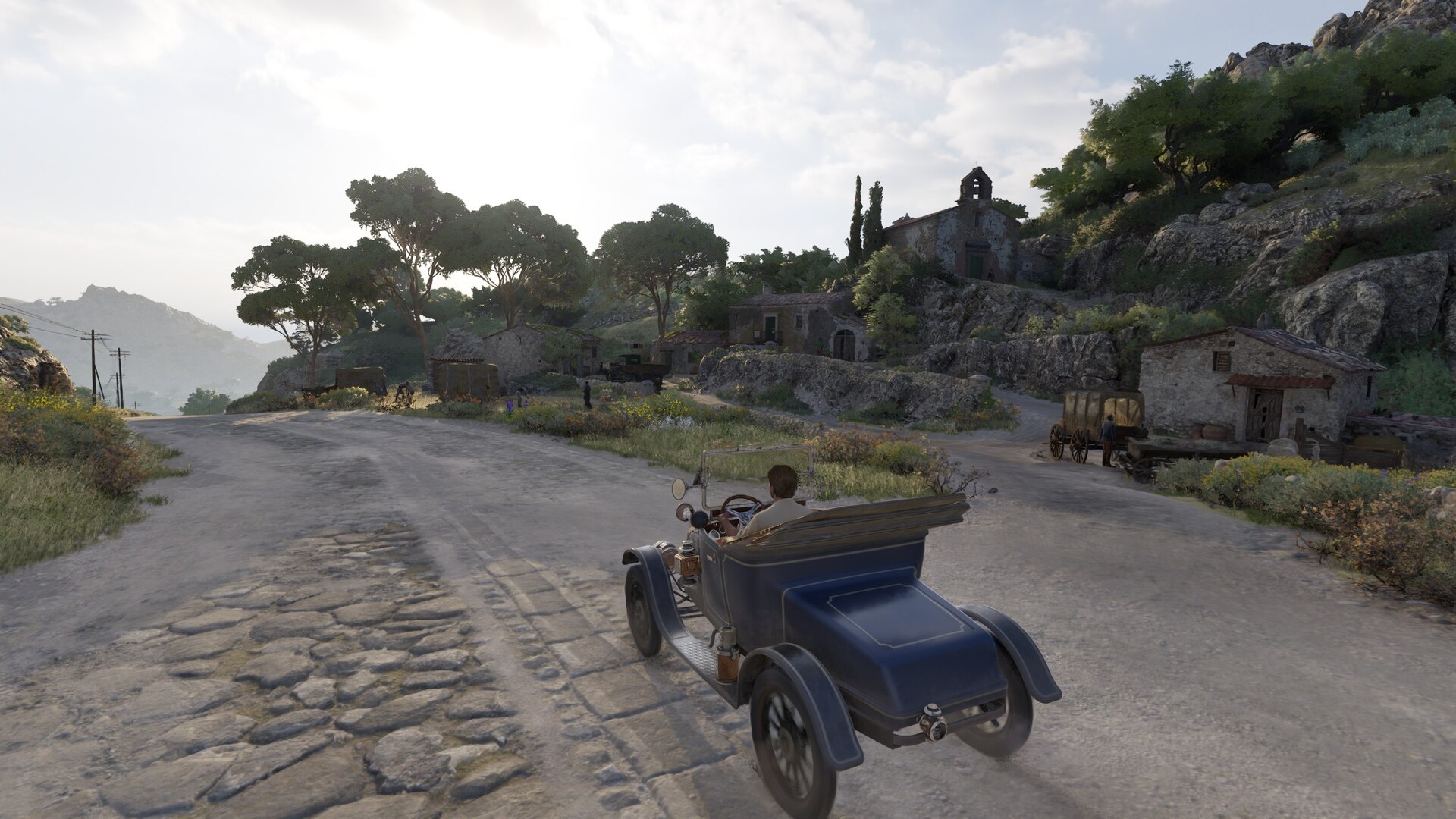
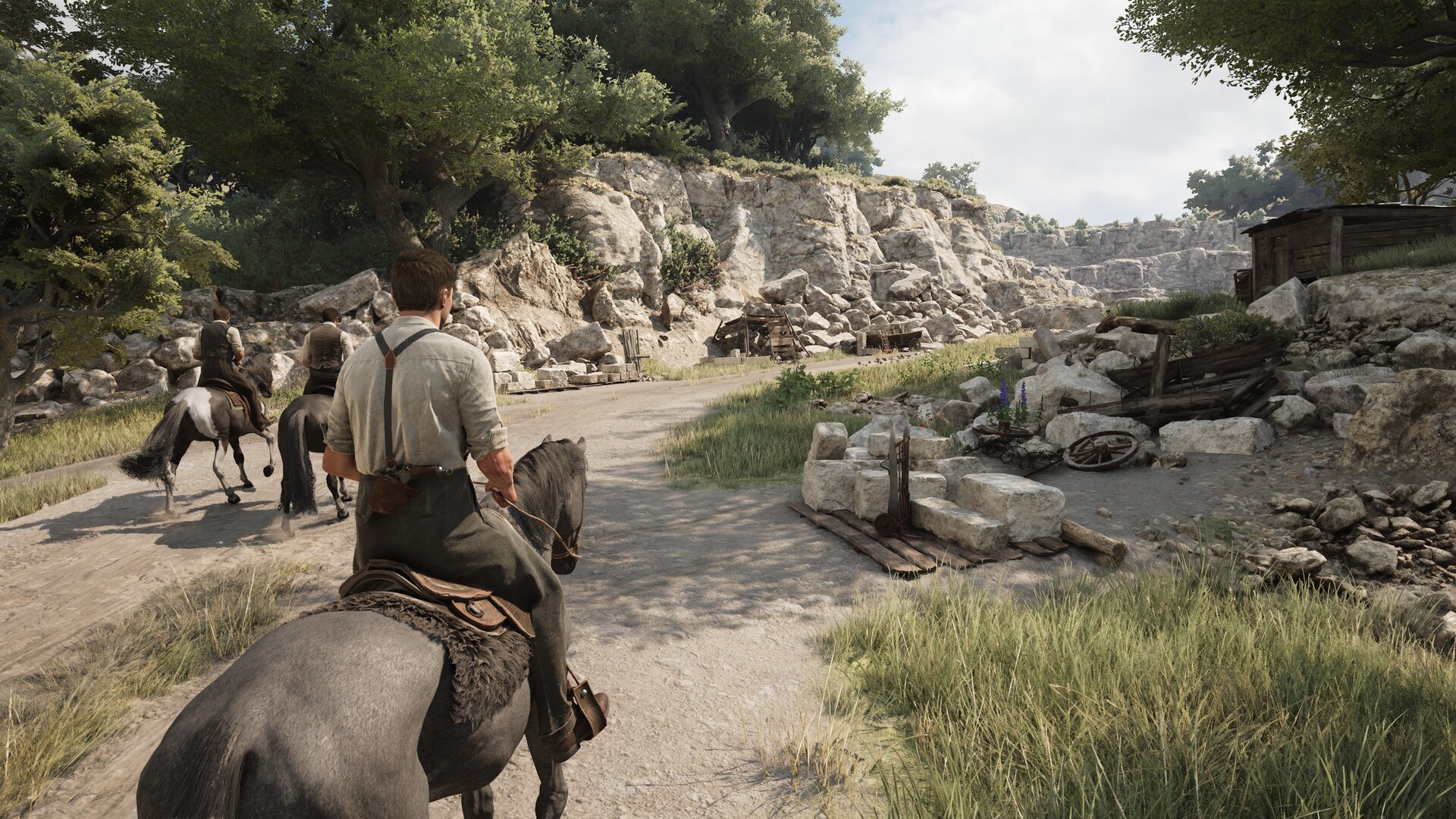
On the other hand, traversal is an area where the game shines. While San Celeste may not offer the sprawling landscapes of Mafia III, its environments are still vast and full of life. Players can choose to traverse the countryside on horseback or in vintage cars, each offering a different pace and rhythm to exploration. The lack of a mini-map adds to the immersion, encouraging players to learn the world the same way Enzo does—through trial, error, and exploration.
Visuals and Audio
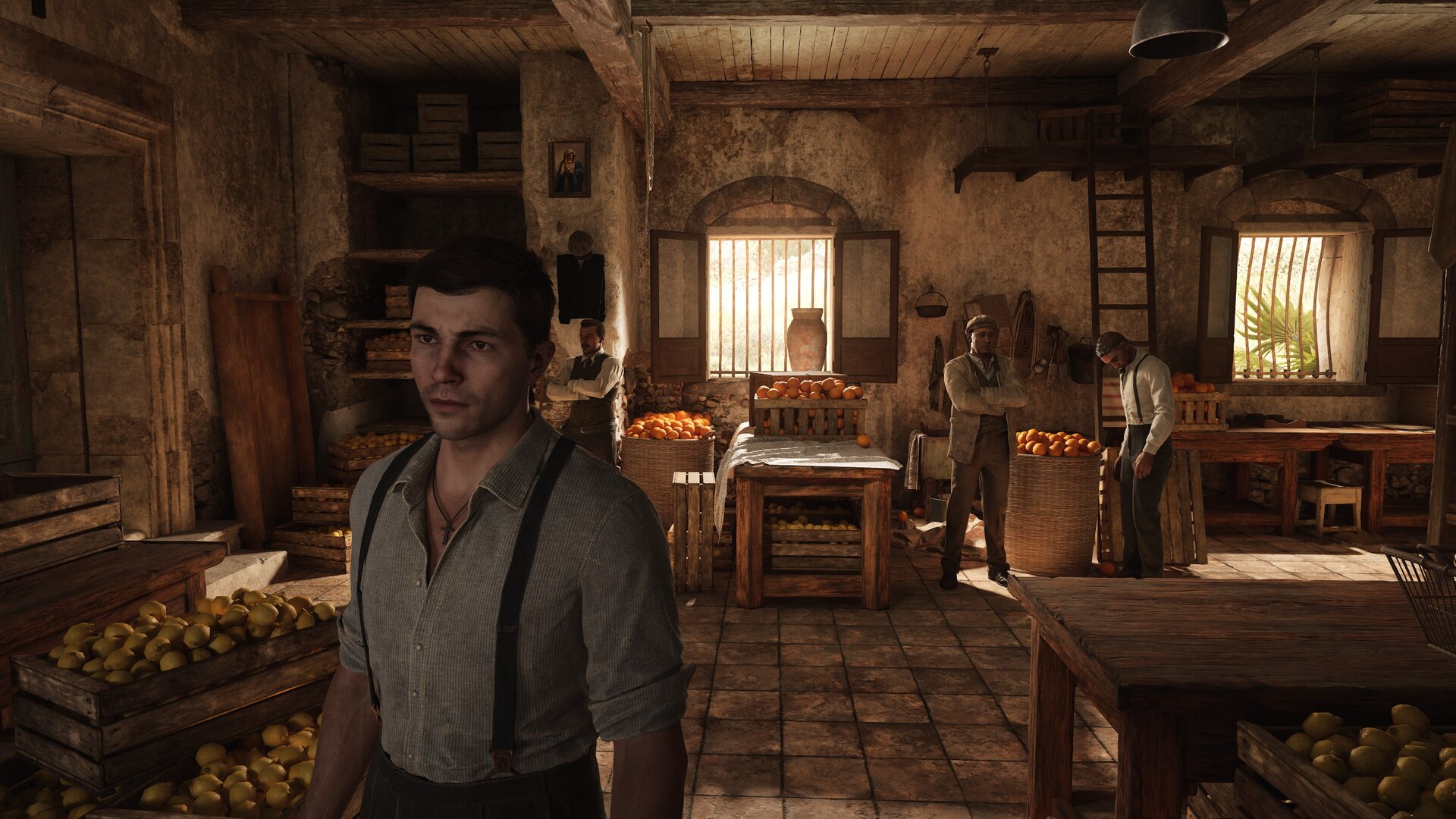
Powered by Unreal Engine 5, Mafia: The Old Country is nothing short of a visual masterpiece. The landscapes of San Celeste are breathtaking, from the sun-drenched vineyards to the desolate remnants of war-torn villages. The game’s lighting is exceptional, with time-of-day shifts that paint the world in a warm, golden hue during the day and cast long, atmospheric shadows at night. Interiors, especially the opulent villas and rustic homes, are meticulously designed, with an attention to detail that enhances the authenticity of the experience.
The game’s audio design is equally impressive. The soundscapes, from the distant clattering of church bells to the rumble of a passing car, breathe life into the world. The score, which blends traditional Sicilian folk music with orchestral swells, serves to elevate the emotional weight of the narrative. The music is subtle but powerful, never overwhelming but always present, reinforcing the game’s tone and atmosphere.
On the technical side, The Old Country runs smoothly on PC, provided you have the right hardware. The game supports DLSS 4, FSR 4, and XeSS, ensuring that it looks stunning even on mid-to-high-end systems. Frame rates are capped at 60 FPS for gameplay, while cutscenes are locked at 30 FPS—a decision that causes minor jarring transitions between cinematic sequences and active gameplay, but does not detract from the overall experience. Texture pop-ins and clipping are minimal, making for a mostly stable and polished experience.

PC Comparison: Best on This Platform?
While the console versions of The Old Country offer a consistent visual experience, the PC version stands out as the definitive way to play. The ability to tweak settings, adjust graphical fidelity, and unlock frame rates makes it the best option for players with capable hardware. The game’s ultrawide support and full control over graphical settings ensure that it looks and plays better than ever on a well-equipped gaming rig.
For enthusiasts, the option to run the game at higher frame rates and resolutions offers a more fluid and immersive experience, particularly during intense action sequences. While the occasional texture pop-in or minor glitch can be noted, they do not overshadow the game’s technical achievements.
Where the Game Falls Short
Despite its many strengths, Mafia: The Old Country is not without its flaws. The game’s reliance on linear design may disappoint players who are accustomed to the open-world freedom of Mafia III. The lack of significant side content or post-story activities means that once the narrative has concluded, there is little incentive to return. This can lead to a feeling of limited replayability, especially given the game’s relatively short runtime.
Combat, while satisfying in its slower pace, can also feel repetitive. The lack of variety in enemy encounters, especially during the mid-game, can make the experience feel somewhat formulaic. Additionally, the knife duel mechanics, despite their cinematic appeal, quickly lose their impact due to their simplistic nature. The lack of meaningful variety in these sequences makes them a frequent annoyance rather than a thrilling challenge.
Stealth mechanics are similarly underdeveloped, offering limited tools for evasion and making detection too punishing. Combined with a checkpoint system that can feel unforgiving, these design choices can detract from the overall experience, particularly for players who prefer more nuanced stealth gameplay.
Final Verdict: 7.5/10
Mafia: The Old Country is a rare example of a game that puts its narrative first. It forgoes the sprawling, open-ended gameplay of its predecessors in favor of a more focused, cinematic experience that digs deep into the human cost of mafia life. It’s a game that takes its time, reveling in atmosphere and story rather than fast-paced action or player choice.
While its linearity and occasional mechanical flaws may alienate some, those who appreciate deeply immersive, narrative-driven games will find much to love here. The game excels in its portrayal of Sicily, its historical depth, and its emotional resonance. For fans of the Mafia series and those craving a gritty, atmospheric crime drama, The Old Country is an essential experience.