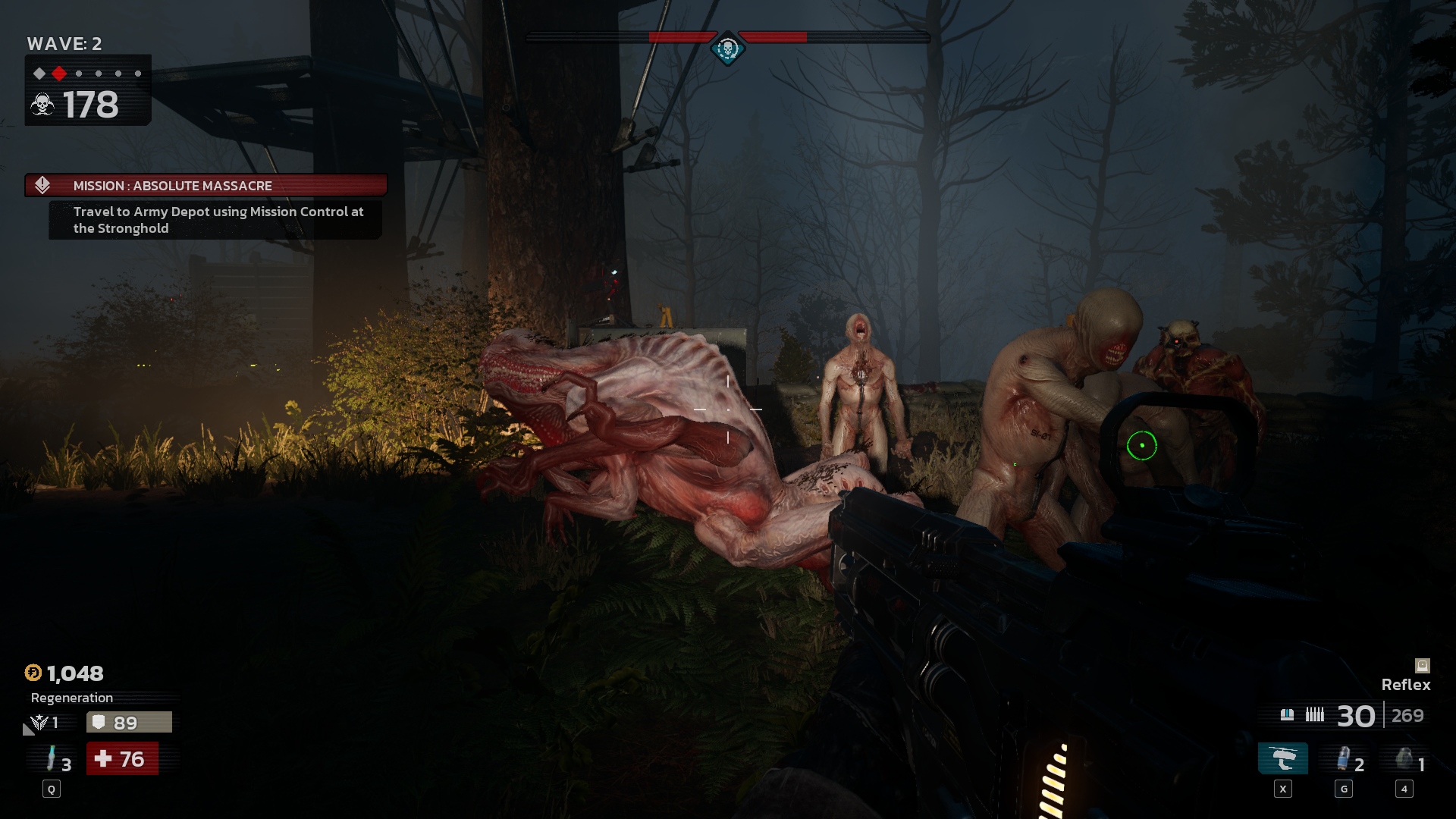
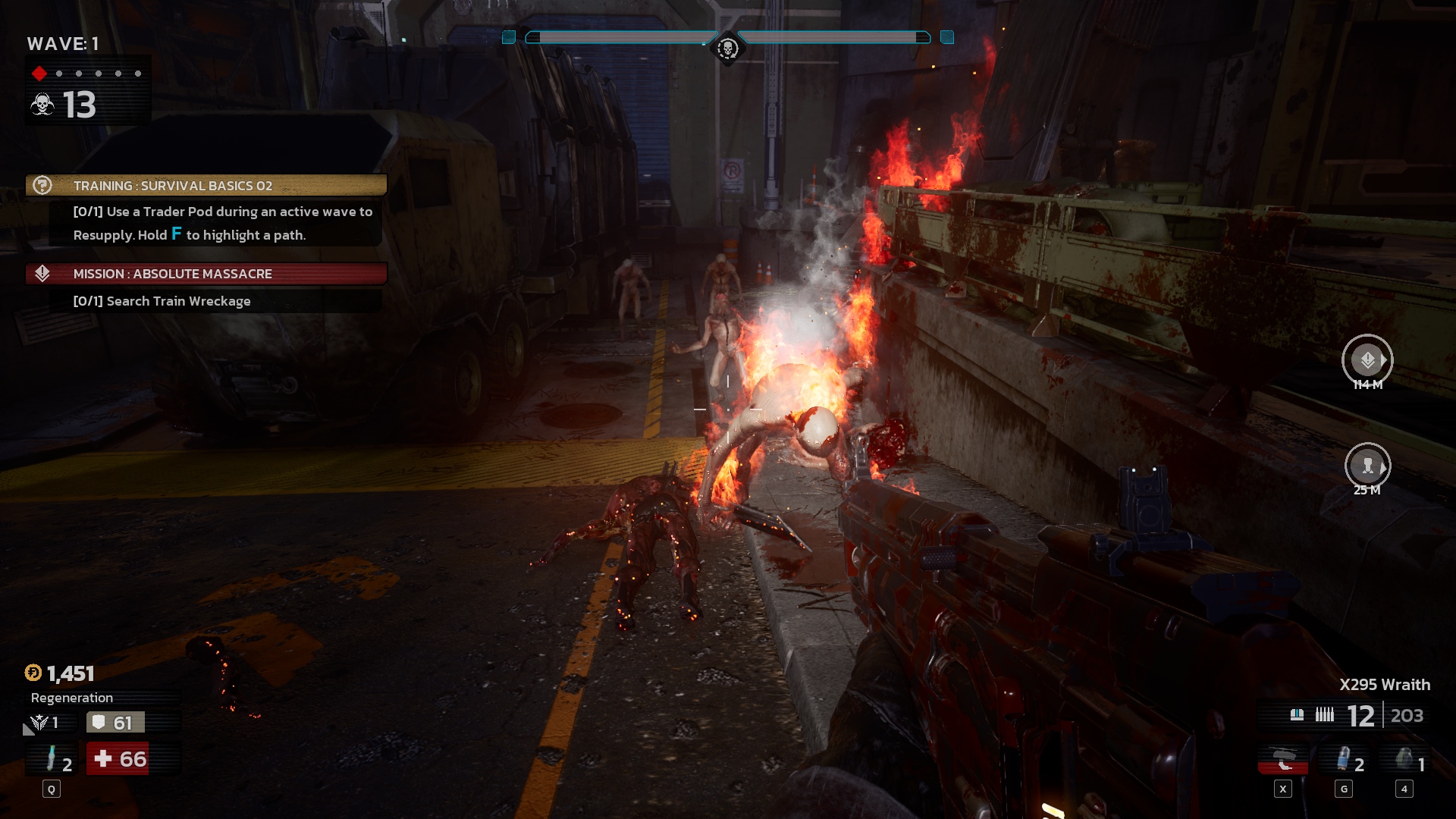
The Killing Floor franchise has long stood as a cult favorite in the cooperative first-person shooter genre. Known for its relentless wave-based gameplay, visceral violence, and dark humor, the series has carved out a niche following. With Killing Floor 3, developer Tripwire Interactive attempts to modernize and reimagine the formula using Unreal Engine 5, bringing new mechanics, systems, and a dramatic shift in tone. The result is a technically ambitious title that delivers bursts of excitement, but not without significant compromises that may divide its fanbase.
Gameplay & Mechanics
Killing Floor 3 maintains the core loop that defines the franchise: players face successive waves of grotesque enemies known as Zeds, culminating in a challenging boss encounter. The gameplay is centered on survival, map control, and cooperative synergy, all set within compact, semi-linear arenas.
A major structural change is the introduction of the Specialist Class system, replacing the traditional perk-based progression of previous entries. At launch, six distinct Specialists are available, including archetypes such as the Commando, Medic, Berserker, and Ninja. Each Specialist is tied to a specific character and features a unique skill tree and weapon loadout. While this structure encourages role specialization and tactical planning, it also introduces rigidity, as players cannot freely assign classes to different characters. This decision has been met with criticism from veteran players who appreciated the flexibility of the previous system.
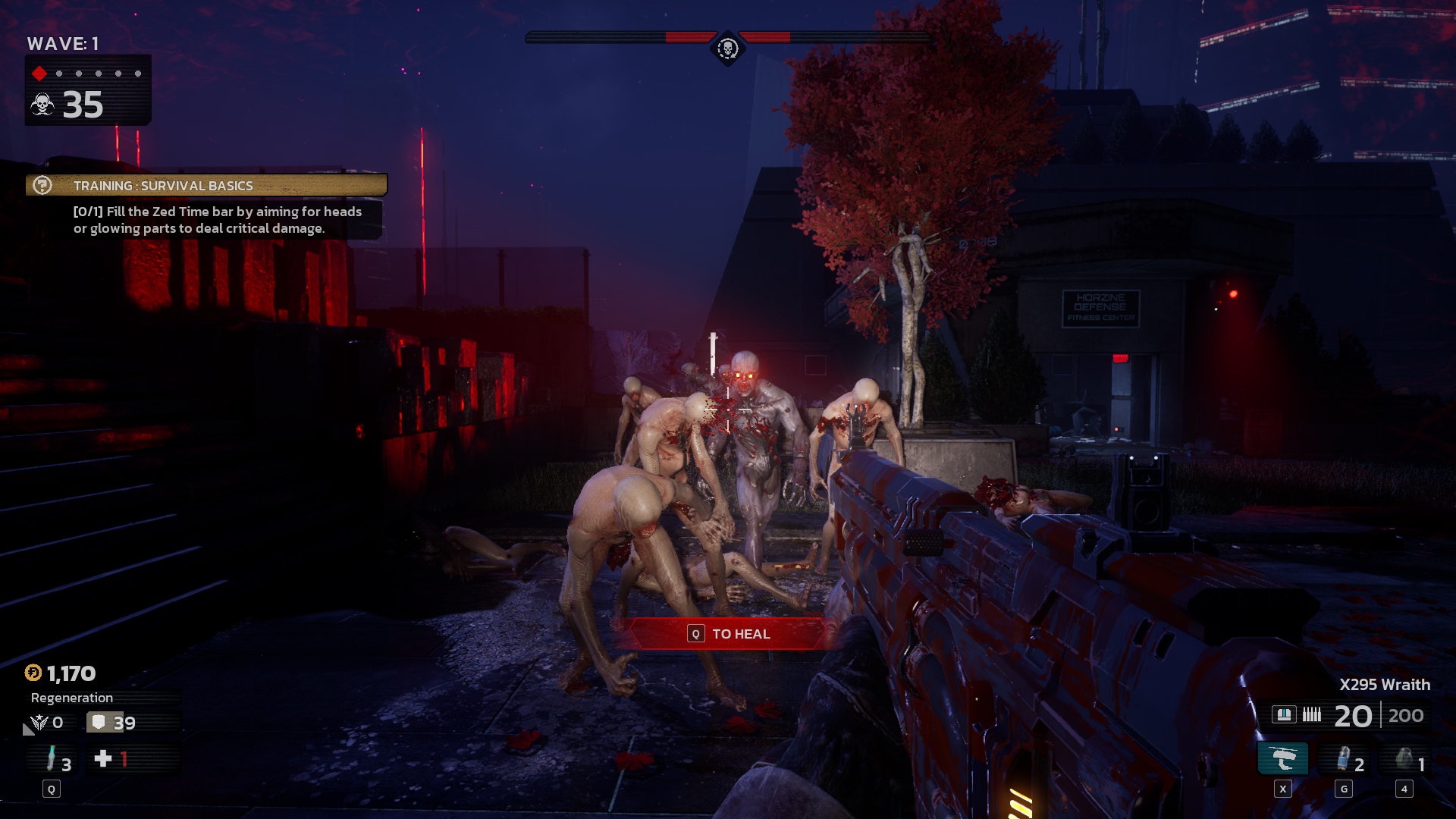
Combat itself introduces several refinements. The reworked Zed Time mechanic now triggers through critical hits and kill streaks, activating a slow-motion effect across the entire team. This encourages precise shooting and coordinated timing. Additionally, enemies feature visible Critical Zones, which highlight weak points on their bodies. Striking these areas disables key enemy abilities or triggers cinematic executions, adding depth and encouraging accuracy over sheer volume of fire.
Movement in Killing Floor 3 is also more dynamic than in previous games. New traversal mechanics such as dodging, sliding, and climbing introduce increased mobility and tactical positioning. However, these mechanics are often underutilized in standard encounters, and while they improve flow, they do not dramatically alter the feel of the game.
Despite the thoughtful mechanical additions, weapon feedback remains a weak point. Compared to Killing Floor 2, many weapons lack the satisfying audio-visual punch expected in a modern shooter. Recoil patterns feel flat, hit detection can be inconsistent, and some weapons lack sufficient impact to feel meaningful during combat.

Visuals & Technical Performance
Visually, Killing Floor 3 is a significant step forward. Leveraging the power of Unreal Engine 5, the game offers impressive lighting, detailed environments, and particularly striking gore effects. The updated M.E.A.T. system—short for Massive Evisceration and Trauma—delivers anatomically accurate dismemberment, real-time blood splatter, and lifelike body physics. The result is a brutal, immersive combat experience that visually rewards player skill and coordination.
Unfortunately, these visual advancements come at a cost to performance. Even on high-end systems, players have reported framerate drops, stuttering, and shader-related hitches. Multiplayer sessions occasionally suffer from instability, with crashes and desynchronization issues disrupting gameplay. While the developer has acknowledged these problems and is actively working on patches, the technical shortcomings at launch are significant enough to affect the overall experience.
Content & Replayability
At launch, Killing Floor 3 includes six playable Specialists, five maps, and a broad arsenal of weapons. The game introduces a rarity system for weapons and cosmetics, with progression systems that tie unlocks to in-game currency and experience. While the core gameplay loop remains addictive in the short term, the limited map variety and class-lock system restrict experimentation and replayability.
One of the most notable omissions at launch is the lack of modding support, a surprising and disappointing choice given the franchise’s strong history of community-created content. There is no support for custom servers or Steam Workshop integration, further reducing long-term appeal—particularly among PC players who helped sustain previous titles through extensive modding.
Additionally, the game features systems that suggest a shift toward a live-service model. Weapon progression and cosmetic unlocks are tied to grind-heavy mechanics that may later support monetization. While there are currently no egregious microtransactions or pay-to-win elements, the framework is clearly in place, raising concern among players wary of post-launch content gating.

Tone, Identity & Community Response
Arguably the most controversial aspect of Killing Floor 3 is its tonal shift. While previous entries balanced intense violence with a sense of grim absurdity, this latest installment takes on a more polished, cinematic presentation. The introduction of hero-style Specialists, paired with cleaner UI and more generic voice acting, moves the franchise closer to mainstream shooters such as Call of Duty Zombies or Overwatch, rather than preserving its chaotic, gritty roots.
Community reaction has been mixed. While some players appreciate the modernization of visuals and mechanics, many long-time fans feel that the game has lost its identity. The absence of offline play, limited customization, and the live-service-oriented design decisions contribute to the perception that Killing Floor 3 is no longer a distinct, character-driven cooperative experience, but rather a competent, if somewhat soulless, action shooter.
Final Verdict: 7/10
Killing Floor 3 is an ambitious reinvention that showcases Tripwire’s desire to modernize the franchise—but in doing so, it loses much of what made Killing Floor unique. The updated visuals and mechanical enhancements offer flashes of brilliance, especially in co-op play, yet the game’s tone, rigidity, and technical flaws prevent it from reaching its full potential.
For newcomers to the series, Killing Floor 3 provides a serviceable cooperative shooter with stunning visuals and satisfying moments of chaos. For veterans, however, it may feel like a streamlined, sanitized version of a once-iconic franchise. The foundation is promising, but meaningful updates—particularly in terms of modding, customization, and performance—will be essential for its long-term success.