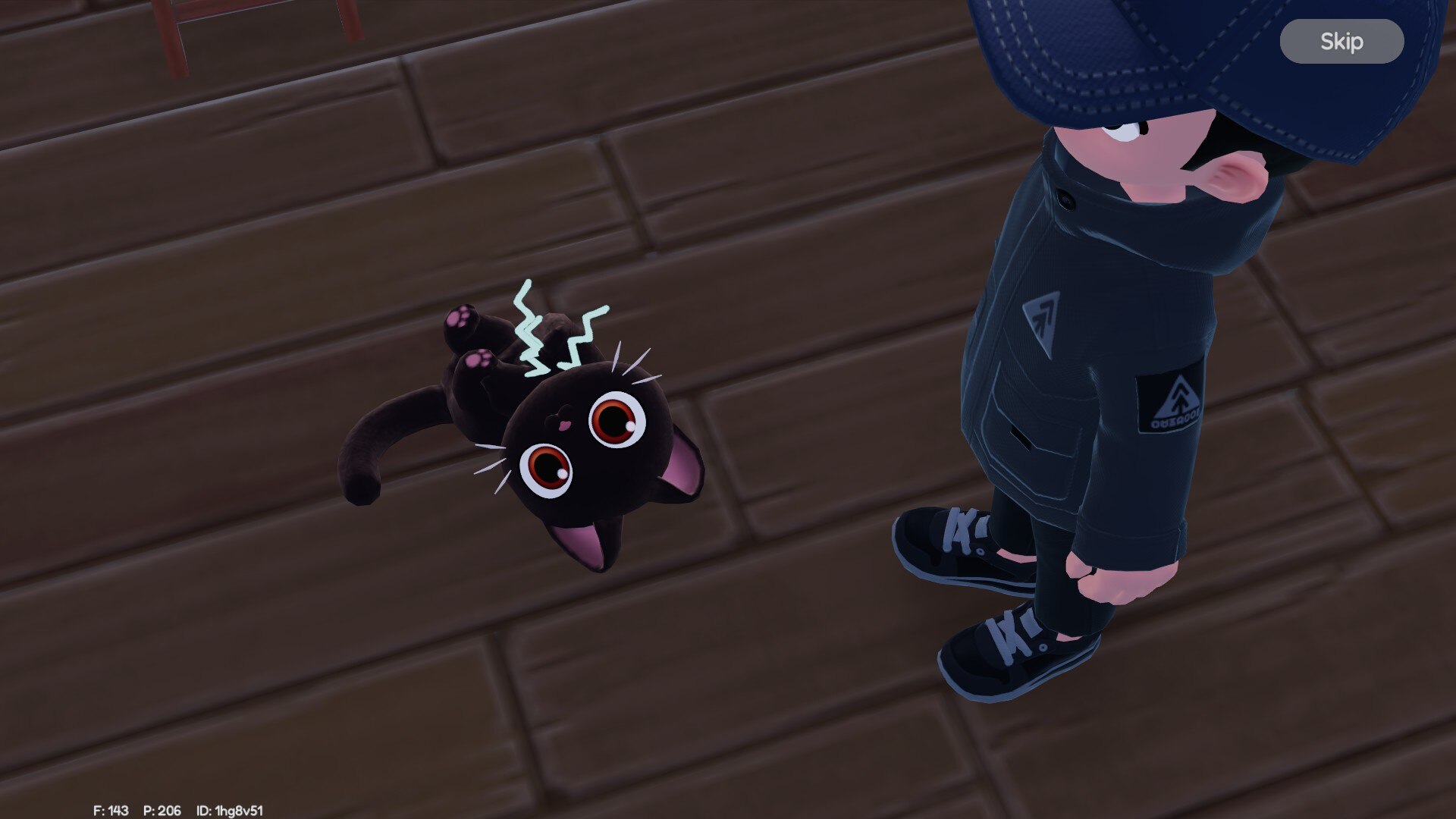
Heartopia is a free-to-play life simulation game that firmly aligns itself with the contemporary “cozy game” movement—a subgenre defined less by mechanical challenge and more by emotional tone, accessibility, and comfort. Developed and published by XD, the title originally found its audience on mobile platforms before expanding to PC via Steam. The PC release represents a significant step in the game’s evolution, both broadening its audience and placing it under closer scrutiny from a more demanding platform ecosystem.
From a design standpoint, Heartopia is not interested in urgency or mastery. It rejects traditional game structures built around conflict, optimization, or failure. Instead, it presents itself as a digital space for relaxation and self-expression, offering players a world where time pressure is minimal and progress is measured in personal satisfaction rather than numerical achievement.
This philosophy places Heartopia in contrast with more system-heavy life simulations. Where titles like The Sims emphasize complex interlocking mechanics and emergent storytelling, and games like Stardew Valley rely on structured progression and resource management, Heartopia opts for emotional accessibility above all else. On PC, this approach feels both refreshing and limiting, depending on player expectations.
Gameplay and Mechanics
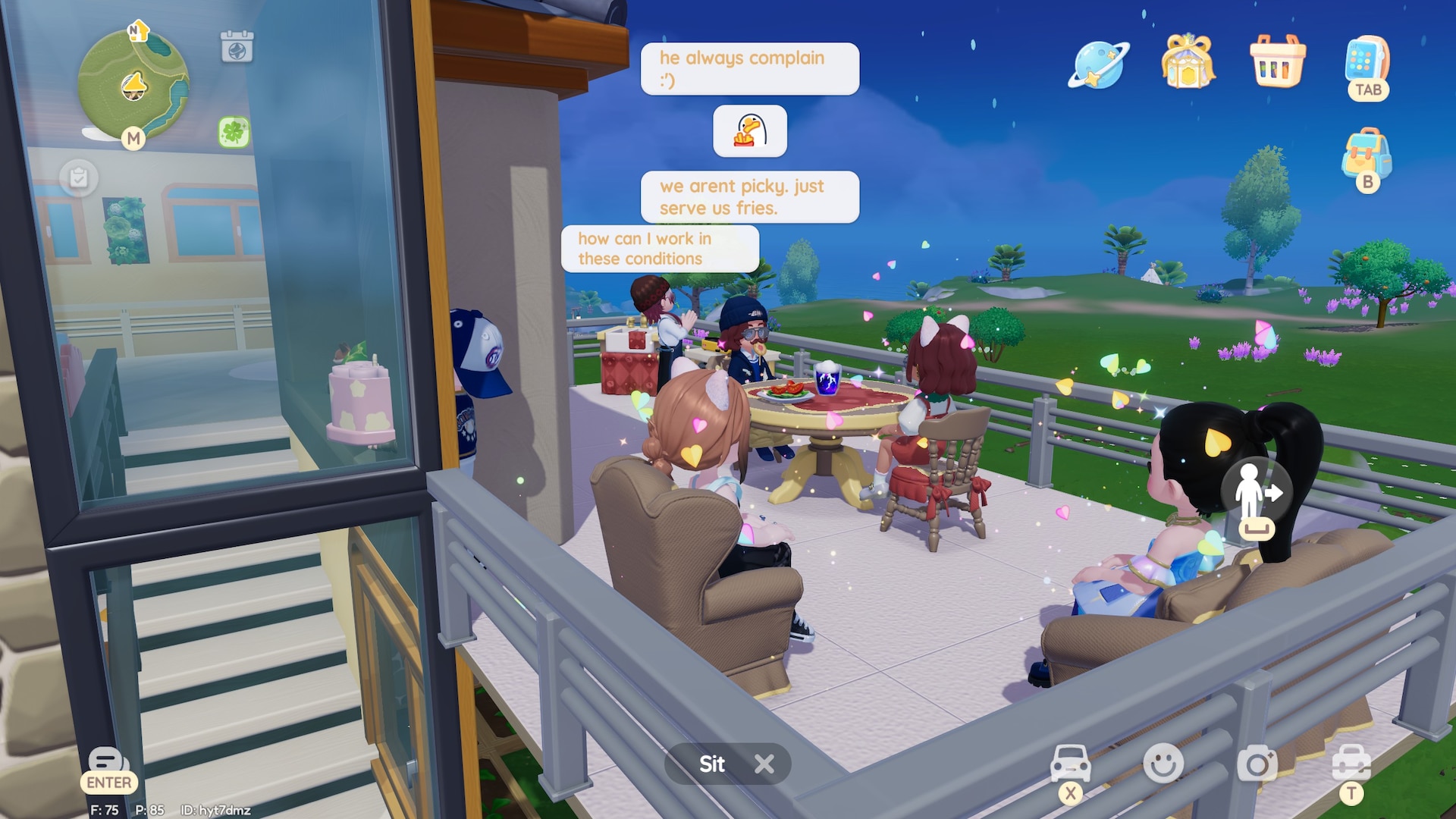
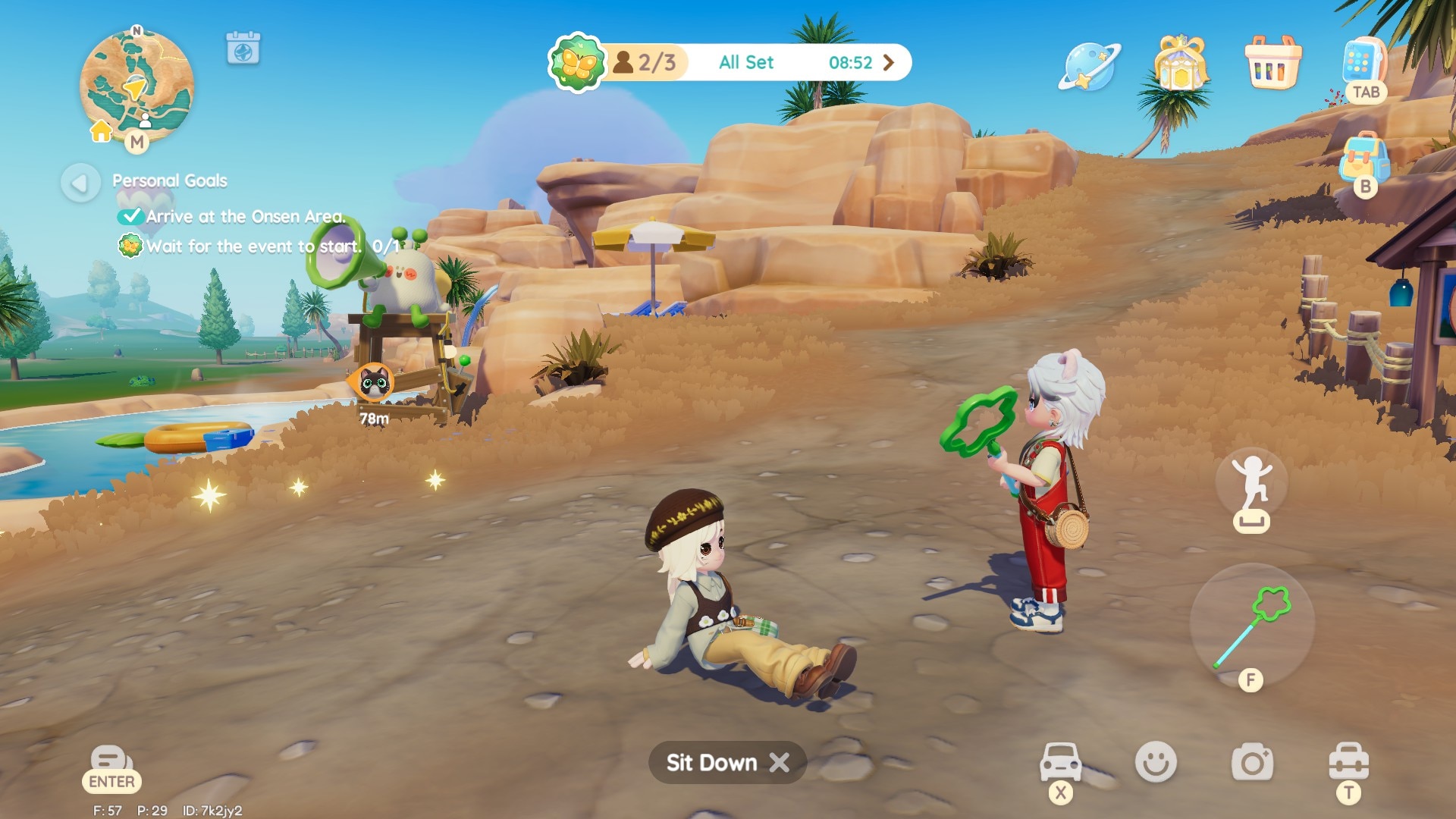
The gameplay of Heartopia revolves around open-ended engagement rather than structured objectives. From the moment players enter the world, they are encouraged to choose how they wish to spend their time, with no single activity positioned as mandatory or optimal. Fishing, gardening, cooking, decorating, and casual exploration form the core of the experience, each offering gentle feedback loops that reward participation rather than efficiency.
The hobby system provides the primary sense of progression. Activities level up gradually through repeated use, unlocking cosmetic options or minor bonuses. This system succeeds in giving players a sense of growth without imposing pressure, making it particularly well suited to players who engage intermittently or prefer short play sessions. Importantly, there is no punishment for disengagement; players can step away for days or weeks without falling behind.
Multiplayer functionality is central to Heartopia’s identity. Friends can visit one another’s spaces, participate in shared activities, and engage socially in a manner that feels collaborative rather than competitive. The game avoids leaderboards, rankings, or comparative metrics, reinforcing its emphasis on shared enjoyment. At the same time, solo players are not disadvantaged, as all core systems remain fully accessible offline or alone.
Despite these strengths, the game’s systems lack long-term complexity. Over extended play, activities change little, and progression eventually plateaus. There are few advanced mechanics or late-game systems to deepen engagement, which may limit appeal for players seeking sustained challenge or strategic depth.
Visual Design and Presentation
Heartopia’s visual identity is one of its most immediately appealing qualities and a central pillar of its overall experience. The game embraces a deliberately soft, pastel-heavy art style that aligns closely with the modern “cozy game” aesthetic. Rather than striving for realism or technical spectacle, the visual design prioritizes warmth, emotional accessibility, and visual clarity, ensuring that the world feels inviting from the moment players enter it.
Character designs are rounded, expressive, and intentionally simplified, allowing personality to come through subtle animations and gestures rather than detailed facial features. This approach reinforces the game’s non-threatening tone, making interactions feel friendly and approachable. Clothing, accessories, and customization options further support self-expression, giving players the tools to visually define their in-game identity without overwhelming them with complexity.
Environmental design follows similar principles. Locations are colorful and thoughtfully composed, favoring intimacy and charm over sheer scale. Towns, gardens, and natural spaces are crafted to feel lived-in rather than expansive, encouraging familiarity and comfort. Decorative elements, foliage, and environmental props are placed to create a sense of harmony rather than visual density, reinforcing the game’s relaxed pacing.
Lighting plays a subtle but important role in shaping the game’s atmosphere. Soft illumination, gentle shadows, and warm color palettes contribute to a calm visual rhythm that remains consistent across environments. Weather effects and time-of-day changes, while not technically complex, enhance immersion by adding variety without disrupting the game’s tranquil mood.
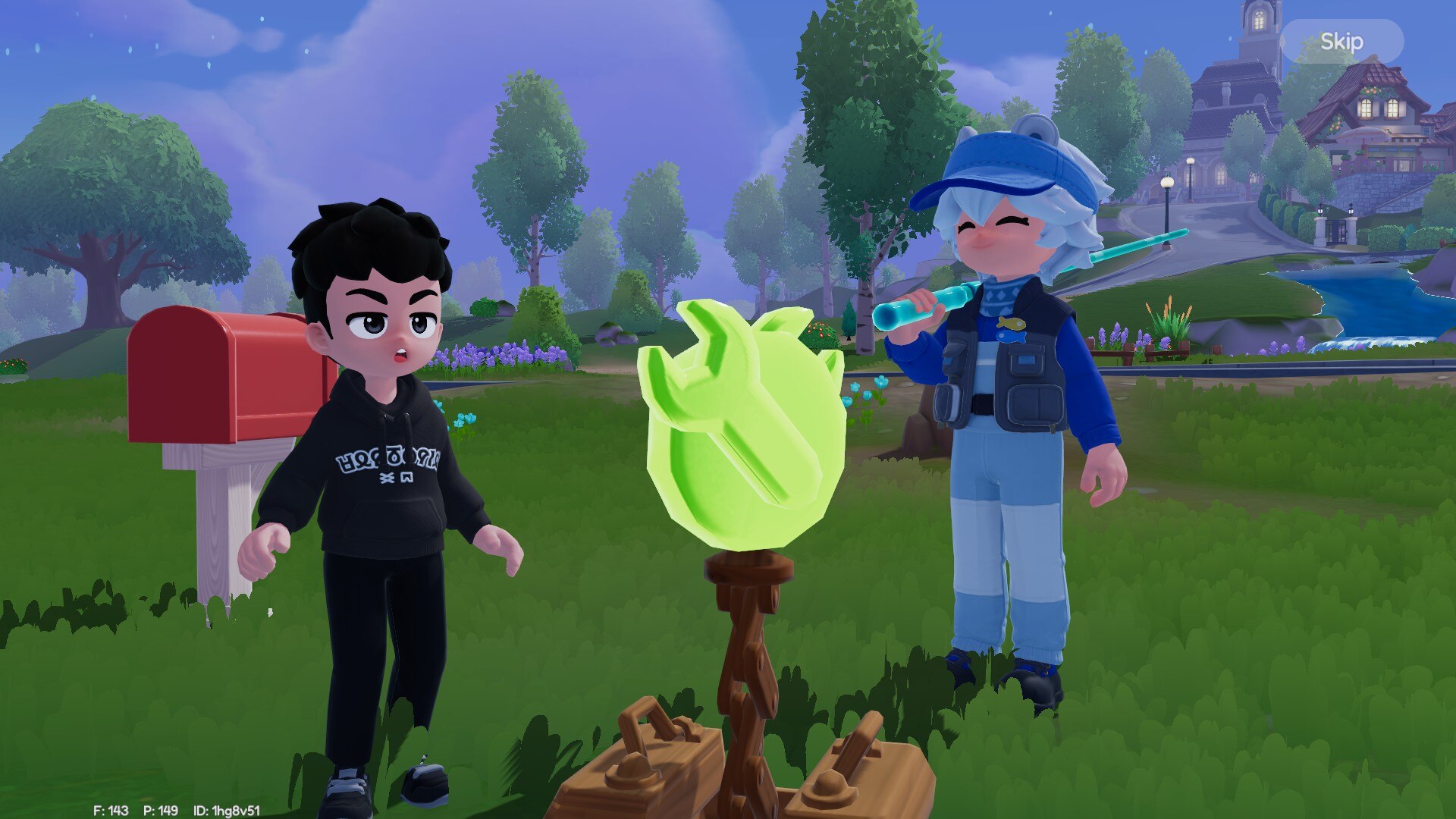
On PC, the visual presentation largely retains its charm, but it also reveals the constraints of a mobile-first foundation. Texture resolution and asset complexity are conservative, and draw distance can feel limited when viewed on larger monitors. Environmental assets occasionally appear simplified or slightly blurred at a distance, reminding players that the game was not originally built to fully leverage PC hardware. Despite these technical limitations, Heartopia’s cohesive art direction compensates for the lack of high-end graphical features.
The game succeeds not because of advanced rendering techniques, but because every visual element reinforces its core identity. The result is a visually consistent and emotionally resonant experience that remains pleasant over extended play sessions.
In short, while Heartopia does not aim to impress on a technical level, its visual design effectively supports its intended purpose: to create a welcoming, calming world that invites players to slow down, relax, and express themselves creatively.
Controls and User Interface
Controls and interface design are the most problematic aspects of Heartopia’s PC version. Many interactions retain paradigms clearly designed for touchscreens, resulting in workflows that feel inefficient with mouse and keyboard input. Menus often require additional clicks, and certain interactions lack the immediacy expected of PC-native titles.
Camera control is particularly cumbersome. Panning and rotation lack precision, making navigation and building feel less fluid than intended. These issues do not prevent enjoyment but consistently disrupt immersion, reminding players that the game was not originally designed for desktop input.
The absence of native controller support at launch further limits accessibility. Given the genre’s natural compatibility with gamepads, this omission is notable. For Steam Deck users or players who prefer controllers, the lack of support significantly impacts usability.
Overall, while functional, the control scheme feels underdeveloped for PC and represents an area where targeted refinement could dramatically improve the experience.
Performance and Technical Stability
From a performance perspective, Heartopia is relatively undemanding. The game runs smoothly on a wide range of hardware, with stable frame rates and modest system requirements. Load times are short, supporting casual, drop-in play sessions.
However, the PC launch has been marred by a range of technical issues. Reports of login problems, crashes, and input bugs are not uncommon, particularly among early adopters. While not all players are affected, the frequency of these issues impacts the game’s overall perception.
These challenges are typical of titles transitioning from mobile to PC, but they highlight the importance of continued post-launch support. Stability improvements and quality-of-life updates will be essential for maintaining player trust.
Monetization
As a free-to-play game, Heartopia includes monetization systems focused primarily on cosmetic customization and convenience. Players can purchase outfits, furniture, and decorative items that enhance personalization without directly affecting core progression. Crucially, monetization is implemented with relative restraint. Free players can access all major systems and enjoy the game at a comfortable pace without feeling pressured to spend money.
While monetized content is visible, it is not aggressively promoted. This approach places Heartopia among the more consumer-friendly free-to-play titles, particularly when compared to more intrusive mobile monetization models.
Final Verdict: 7/10
Heartopia is a carefully constructed life simulation that prioritizes emotional comfort, accessibility, and creative expression over challenge or complexity. Its strengths lie in its cohesive aesthetic, flexible pacing, and welcoming approach to social interaction. As a free-to-play experience, it offers substantial value with relatively few barriers to entry.
At the same time, the PC version is constrained by its mobile origins. Control schemes, interface design, and technical inconsistencies prevent it from reaching the level of polish seen in PC-native life simulations. While these issues do not undermine the game’s core appeal, they limit its long-term potential on the platform.
With continued development and platform-specific improvements, Heartopia could evolve into a standout cozy life sim on PC. In its current form, it remains a charming, approachable experience best suited to players seeking relaxation and creative freedom rather than mechanical depth.