Routine arrives as one of the most unusual releases in modern survival horror, not only because of its design philosophy but because of the extraordinary length and opacity of its development. Originally revealed in 2012, the game spent years in silence, resurfacing intermittently with renewed ambition and visible technical reinvention. Its eventual release therefore carries an implicit question: whether a project shaped over such a long period can still feel cohesive and relevant. In many respects, Routine answers that question affirmatively, delivering an experience rooted in deliberate pacing, tactile interaction, and atmospheric restraint.
Rather than attempting to modernize itself through spectacle or accessibility, Routine commits fully to a design ethos that favors immersion over convenience and tension over action. It is a game that demands patience and attentiveness, often withholding clarity or comfort in service of mood. This uncompromising approach results in moments of profound unease and engagement, though it also reveals structural and narrative limitations that prevent the experience from achieving universal appeal.
Setting and Atmosphere
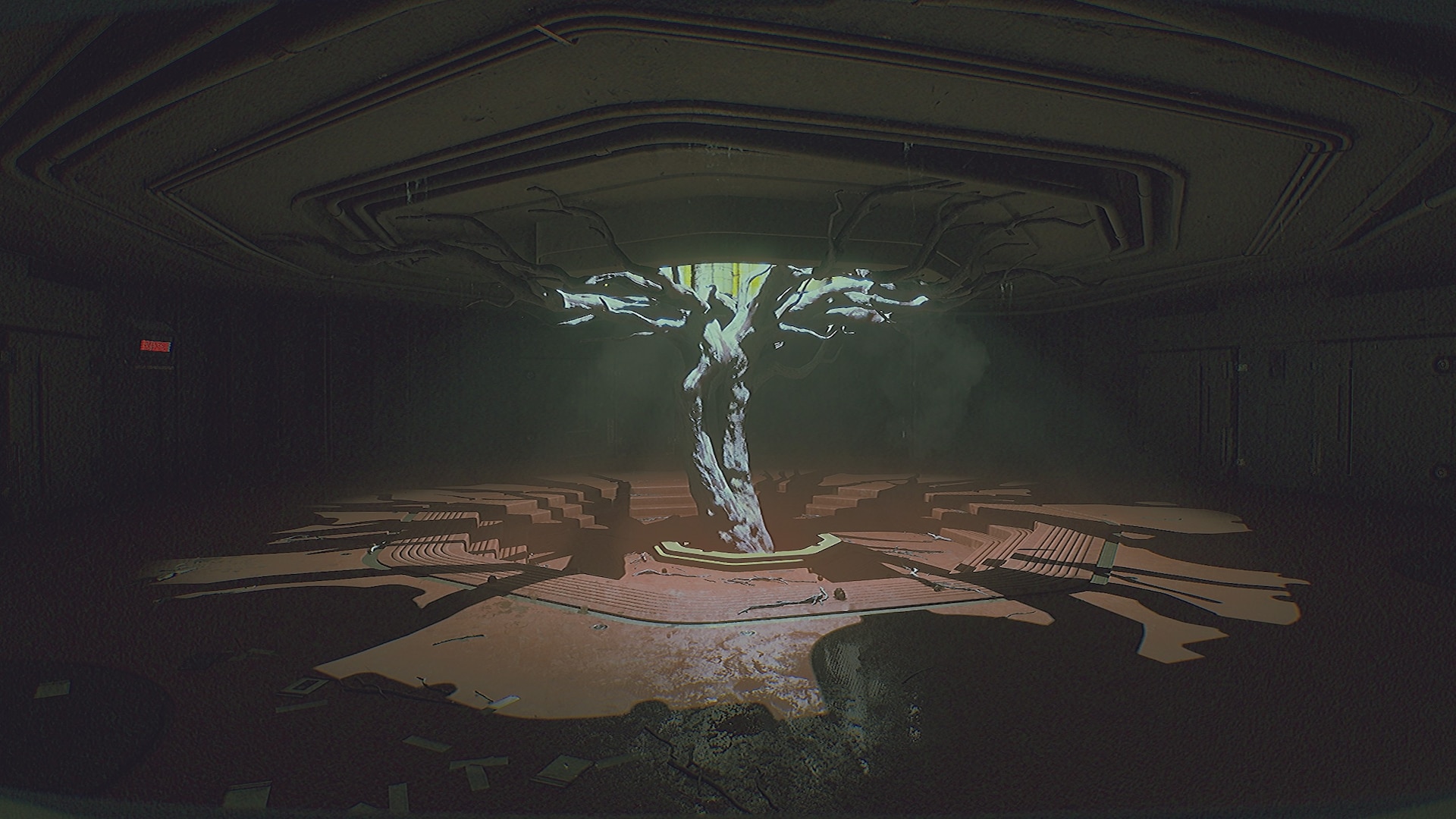
The lunar base that serves as Routine’s sole setting is rendered with meticulous attention to aesthetic coherence and environmental storytelling. Drawing from a 1970s–1980s conception of space exploration, the environment is dominated by bulky industrial forms, analog instrumentation, and utilitarian design. Screens flicker with low-resolution readouts, warning lights pulse inconsistently, and machinery emits persistent, subdued noise. This vision of the future feels grounded in mechanical reality rather than speculative fantasy, reinforcing the sense that the base was once functional, lived in, and deeply human.
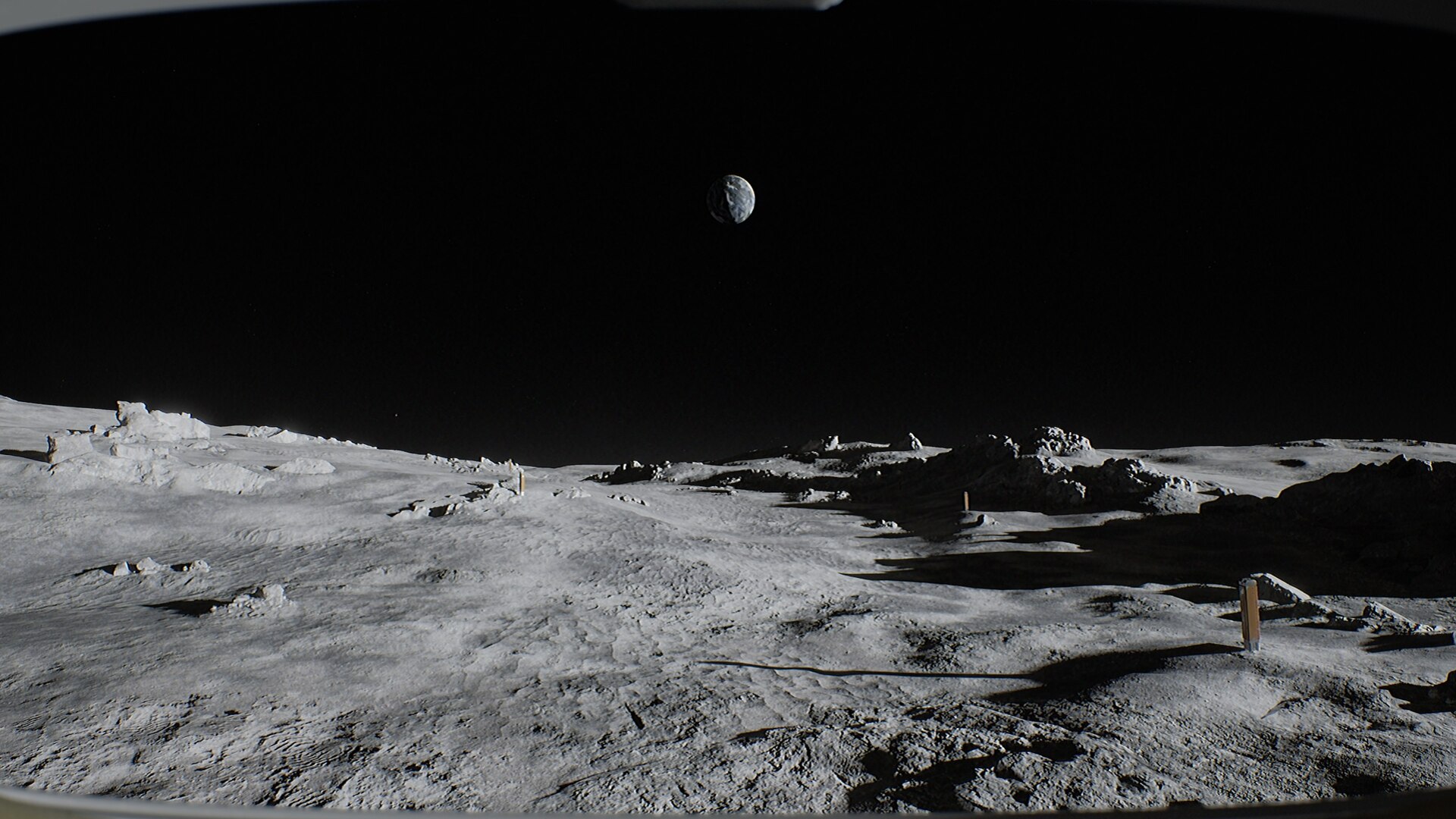
Atmosphere is sustained through absence rather than excess. Human life is conspicuously missing, yet traces of Routine activity remain: half-organized workstations, personal items left behind, and infrastructure operating beyond its intended lifespan. The game resists dramatic set dressing in favor of subtle environmental cues, allowing players to project meaning onto the space. The moon itself, ever-present through observation windows and exterior sections, contributes to a sense of isolation that feels absolute rather than merely implied. Few games maintain such a consistent atmospheric identity, and Routine rarely undermines its own tension.
Gameplay and Mechanics
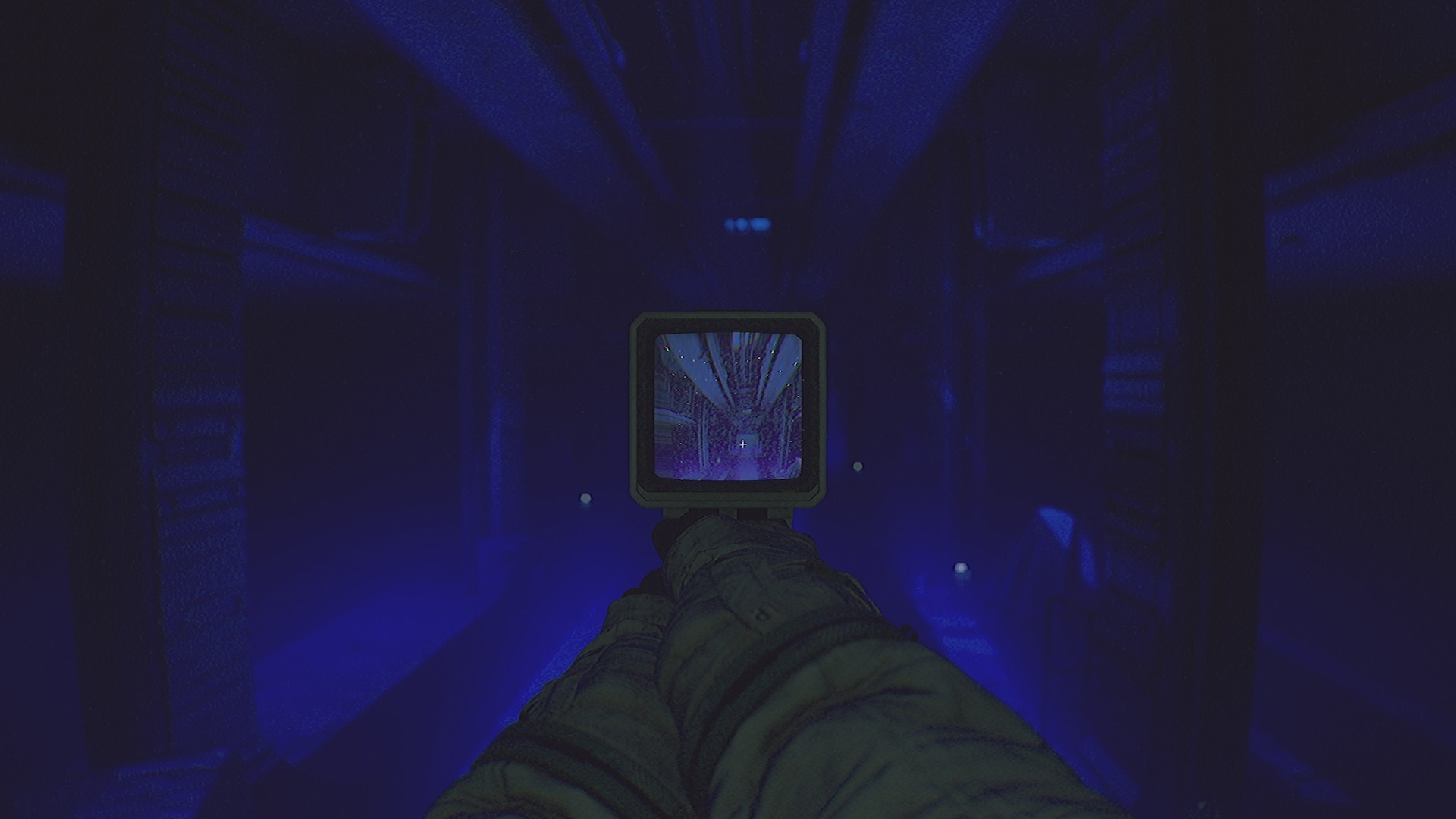
Mechanically, Routine is defined by its commitment to physicality and diegetic interaction. The player is not presented with abstract menus or omniscient interfaces but instead must rely on tangible tools and in-world systems to progress. The Cosmonaut Assistance Tool (C.A.T.) serves as the primary means of interaction, functioning as a scanner, access device, and limited defensive instrument. Its operation is intentionally slow and procedural, often requiring the player to remain stationary and vulnerable while completing tasks.
This design choice has significant implications for tension. Simple actions become risky under pressure, and Routine maintenance tasks can escalate into moments of panic when hostile entities approach. Combat options are intentionally constrained, reinforcing the idea that survival depends on avoidance, preparation, and environmental awareness rather than aggression. Enemy behavior emphasizes patrol patterns, audio detection, and line-of-sight mechanics, rewarding careful observation and punishing impulsive movement. The result is a gameplay loop that aligns closely with classic survival-horror traditions while maintaining a distinctive identity through its tactile execution.
Level Design
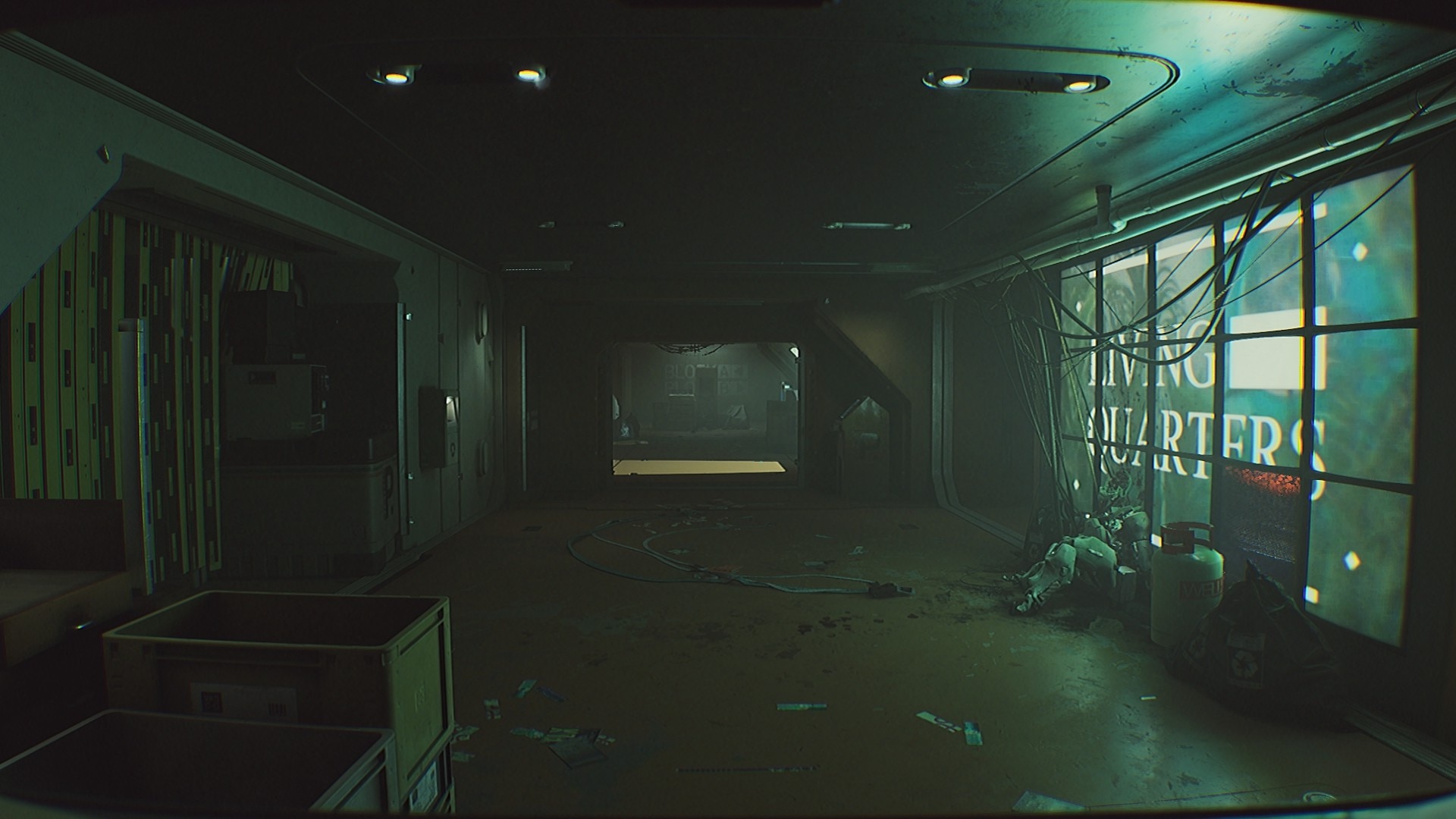
The structure of the lunar base reflects a commitment to functional realism. Areas are organized according to plausible operational logic rather than player convenience, with residential, industrial, and administrative sections interconnected through service corridors and maintenance routes. Access is gradually expanded as systems are restored or permissions obtained, encouraging a methodical exploration of familiar spaces over time.
This approach strengthens spatial awareness and immersion, allowing players to develop a genuine mental map of the environment. However, it also introduces pacing challenges. Backtracking is frequent, and objectives are often separated by long stretches of traversal through areas that have already been cleared. While later sections introduce more sustained threat and environmental variation, the early and mid-game can feel meandering. The level design succeeds in reinforcing atmosphere and believability, but it occasionally does so at the expense of narrative momentum.
Narrative Design
Narrative in Routine is conveyed almost entirely through implication. The game offers minimal direct exposition, relying instead on environmental context, scattered logs, and the gradual revelation of systemic failure to suggest a broader story. This restraint aligns with the game’s thematic focus on isolation, institutional decay, and human absence, allowing players to draw their own conclusions rather than being guided by explicit storytelling.
While this approach is thematically appropriate, it also limits emotional engagement. The lack of identifiable characters or clear narrative stakes makes it difficult to form a strong connection to the events that transpired within the base. The overarching plot remains ambiguous throughout, and the conclusion provides limited resolution. For some players, this ambiguity will enhance the sense of unease and mystery; for others, it will feel underdeveloped and unsatisfying. The narrative functions effectively as atmosphere but struggles to stand on its own as a compelling story.
Audio Design
Sound design is one of Routine’s most effective tools for sustaining tension. The lunar base is rarely silent, but its soundscape is understated, composed of distant machinery, ventilation systems, and subtle environmental noise. These sounds create a constant sense of unease, reminding the player that the environment is active even when nothing appears to be happening.
Audio cues are essential to gameplay, particularly in identifying enemy proximity and movement. The restrained use of music ensures that tension builds organically rather than being dictated by dramatic scoring. When audio intensity increases, it does so sparingly and with precision, heightening moments of danger without diminishing their impact through overuse. The overall audio design complements the visual presentation perfectly, reinforcing immersion and psychological tension.
Visual Presentation
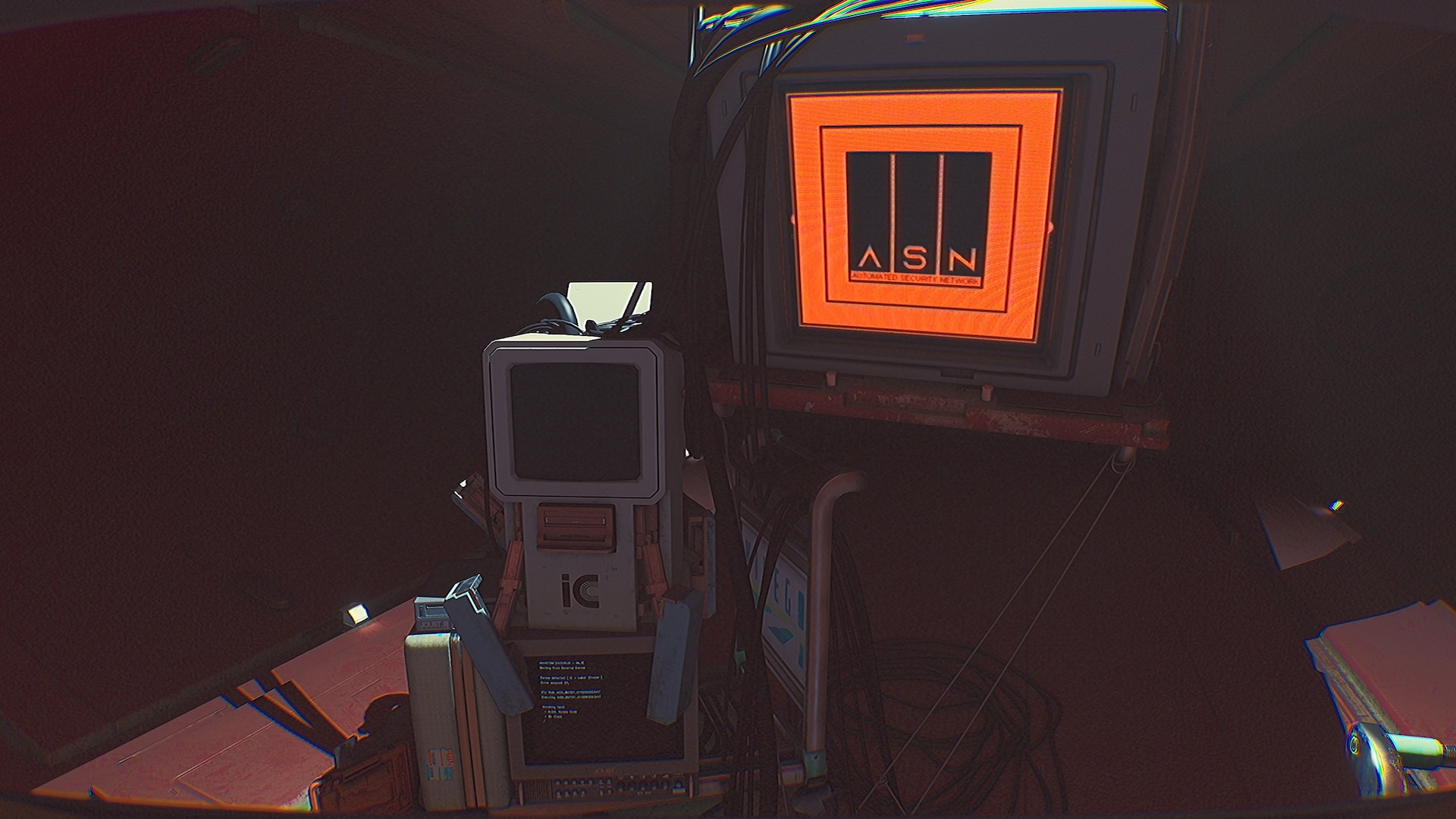
Visually, Routine is cohesive and disciplined. The retro-futuristic aesthetic is applied consistently across environments, interfaces, and equipment, resulting in a world that feels unified and intentional. Lighting plays a central role in shaping mood, with harsh industrial illumination giving way to deep shadow and darkness in less maintained areas. The visual design avoids excess detail in favor of clarity and tone, ensuring that environments remain readable even in low-light conditions.
The absence of a traditional heads-up display further reinforces immersion, requiring players to interpret information through in-world indicators and physical feedback. While this design choice may initially disorient players accustomed to conventional interfaces, it ultimately strengthens the game’s sense of presence. The visual presentation does not rely on cutting-edge realism but instead prioritizes stylistic consistency and atmospheric impact, both of which are achieved with confidence.
Technical Performance
Technically, Routine performs reliably on supported platforms, particularly on modern PC and console hardware. Frame rates are generally stable, and loading times are reasonable given the scope of the environments. Minor issues persist, including occasional animation inconsistencies and interaction delays, but these rarely disrupt the overall experience.
Considering the game’s lengthy development and multiple technical rebuilds, its level of polish is notable. The focused scope and restrained system complexity contribute to stability, and post-launch updates have begun addressing remaining concerns. While not flawless, Routine demonstrates a level of technical competence that supports its design ambitions without drawing undue attention to itself.
Final Verdict: 8/10
Routine is a deliberately paced and uncompromising survival-horror experience that prioritizes immersion, atmosphere, and restraint above all else. Its strengths lie in its cohesive world design, tactile interaction systems, and meticulously crafted audio-visual presentation. The game excels at creating sustained tension through subtlety and vulnerability rather than spectacle or action.
At the same time, its uneven pacing and understated narrative limit its broader appeal. Players seeking a clearly articulated story or a more dynamic gameplay rhythm may find the experience overly restrained. However, for those willing to engage on its terms, Routine offers a rare and memorable journey into isolation, uncertainty, and quiet dread. It stands as a testament to the enduring power of atmosphere-driven design and a distinctive entry in the modern survival-horror landscape.