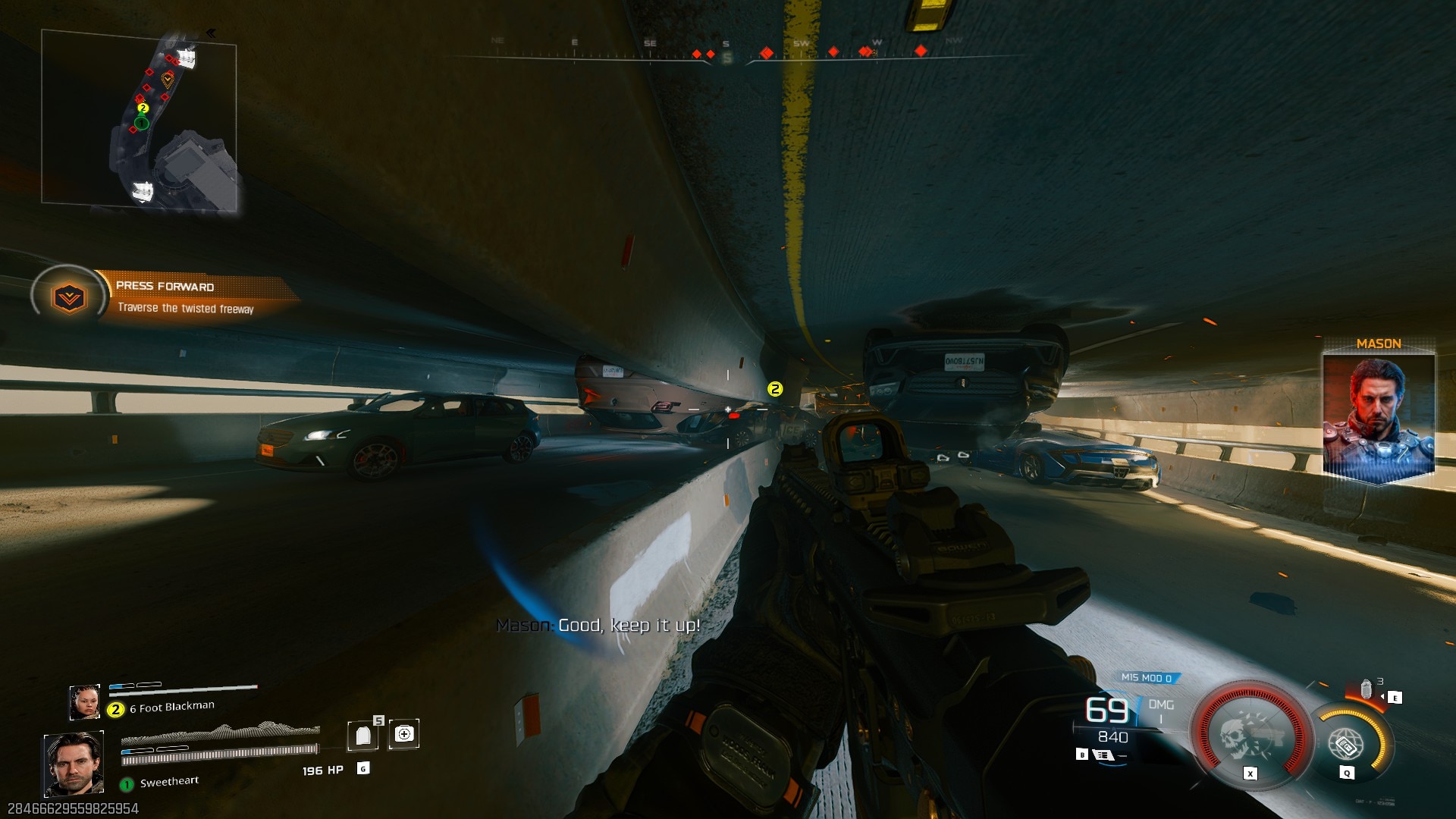
The Black Ops subseries has always carried its own particular identity within the larger Call of Duty universe—stylish but paranoid, grounded but experimental, cinematic yet conspiratorial. With Call of Duty: Black Ops 7, Treyarch and Raven Software try to push this identity forward again, taking familiar ingredients and building a game that feels simultaneously traditional and exploratory. On the one hand, the fundamentals of Call of Duty—fast gunplay, explosive set pieces, instantly readable combat—remain untouched. On the other, the game leans harder than ever into cooperative play, persistent progression, and larger systems meant to support multi-season longevity.
The PC version, overseen once again by Beenox, benefits immensely from this approach, offering the most flexible and customizable way to experience the game. But while the overall package is robust and undeniably polished, not all of its ambitions land cleanly, especially when it comes to the campaign’s solo playability. Black Ops 7 is an impressively complete game, but also one whose strengths and weaknesses are more sharply defined than in some recent entries.
Presentation and Overall Structure
One of the first things players will notice is how sleek and cohesive the presentation feels. Black Ops 7’s menus and navigation system strike a balance between modern live-service clarity and the franchise’s familiar military-tech aesthetic. There is a clean progression from the landing screen to mode selection, with each section framed by subtle animations, sharp typography, and understated sound cues. It is clear that the developers took lessons from the last several years of sometimes cluttered interfaces and applied those lessons here.
The structure of the game follows the traditional Call of Duty three-pillar model—Campaign, Multiplayer, and Zombies—but what distinguishes Black Ops 7 is how gracefully these modes connect. Shared progression ensures that time invested in one mode meaningfully supports your advancement in others. Weekly challenges, weapon level milestones, seasonal objectives, and cosmetic unlocks span the entirety of the game rather than living inside individual silos.
This connected approach allows Black Ops 7 to maintain a sense of consistent reward, no matter where a player chooses to spend their time. When moving between modes, the transitions feel almost frictionless, and the design language makes it easy to understand how everything fits together in the broader, season-driven ecosystem.
At the same time, the game avoids the trap of feeling like an endless checklist. It provides goals and incentives without constantly nagging the player. There is a refreshing restraint in how Black Ops 7 communicates the live-service layer, especially compared with some recent Call of Duty entries where menu noise and seasonal pop-ups grew overwhelming.
Graphics and PC Performance
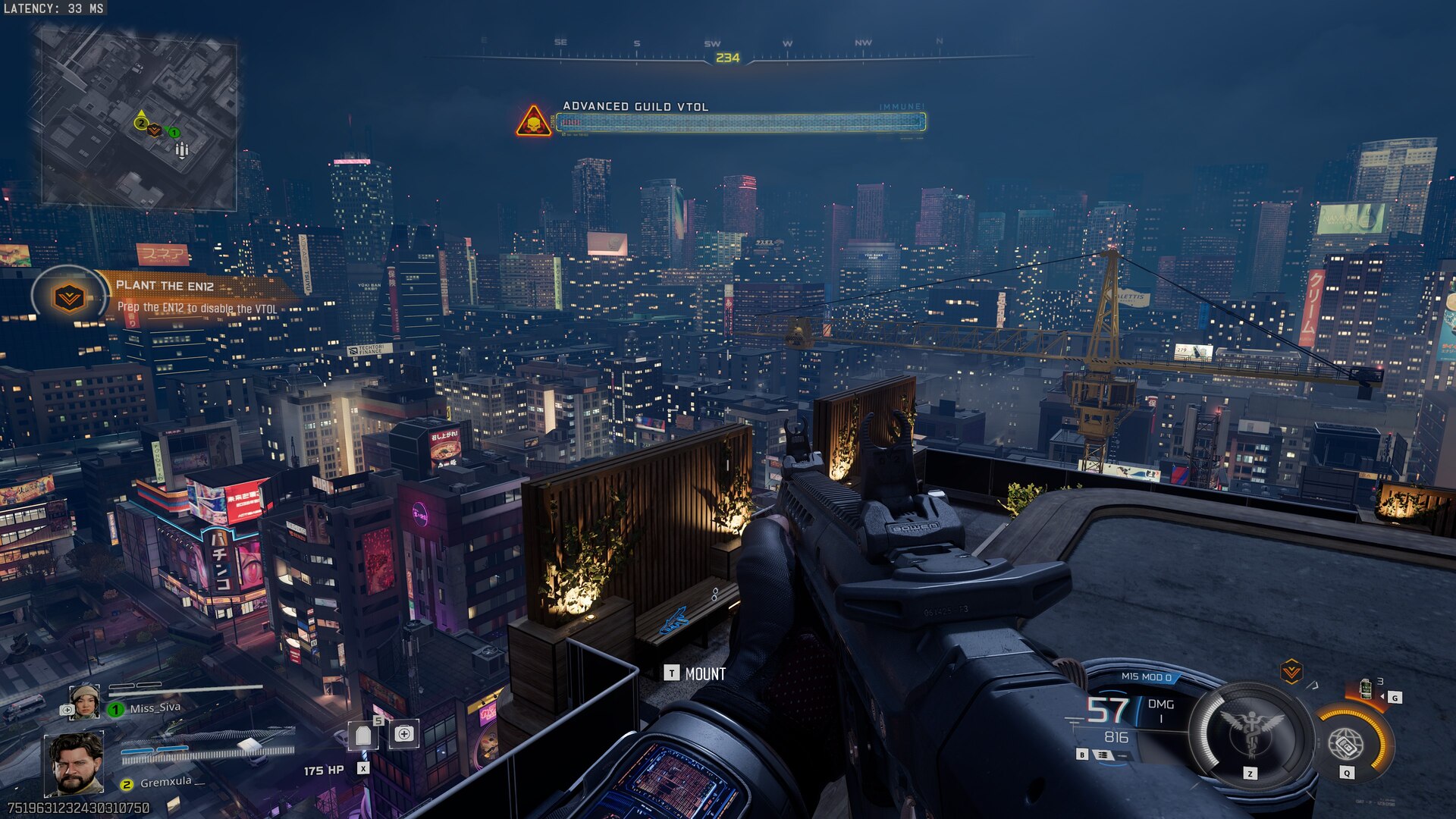
From a technical standpoint, Black Ops 7 is one of the most impressive and scalable Call of Duty releases on PC to date. The graphics engine delivers crisp textures, expressive lighting, high-density environments, and smooth animation transitions without overwhelming mid-range systems. This is largely thanks to a comprehensive suite of graphics options, including resolution scaling, DLSS and FSR support, texture streaming controls, shadow quality presets, volumetric lighting toggles, and extensive post-processing adjustments.
High-end rigs can push the game to eye-watering levels of clarity at 4K, with reflections, dynamic shadows, and volumetric fog adding a cinematic depth to many of the environments. Meanwhile, players with more modest hardware will find that the game gracefully scales down while retaining visual readability—an essential trait in a competitive shooter.
Performance consistency is strong across all core modes. In Multiplayer, the frame pacing is exceptionally tight, delivering a sense of responsiveness essential for competitive play. Even in large-scale modes with dozens of players and numerous particle effects in play, dips are minimal and rarely intrusive. The Campaign and Zombies modes see higher peaks in visual complexity, particularly with explosions, environmental destruction, and AI-driven chaos, but even here the PC version remains remarkably stable.
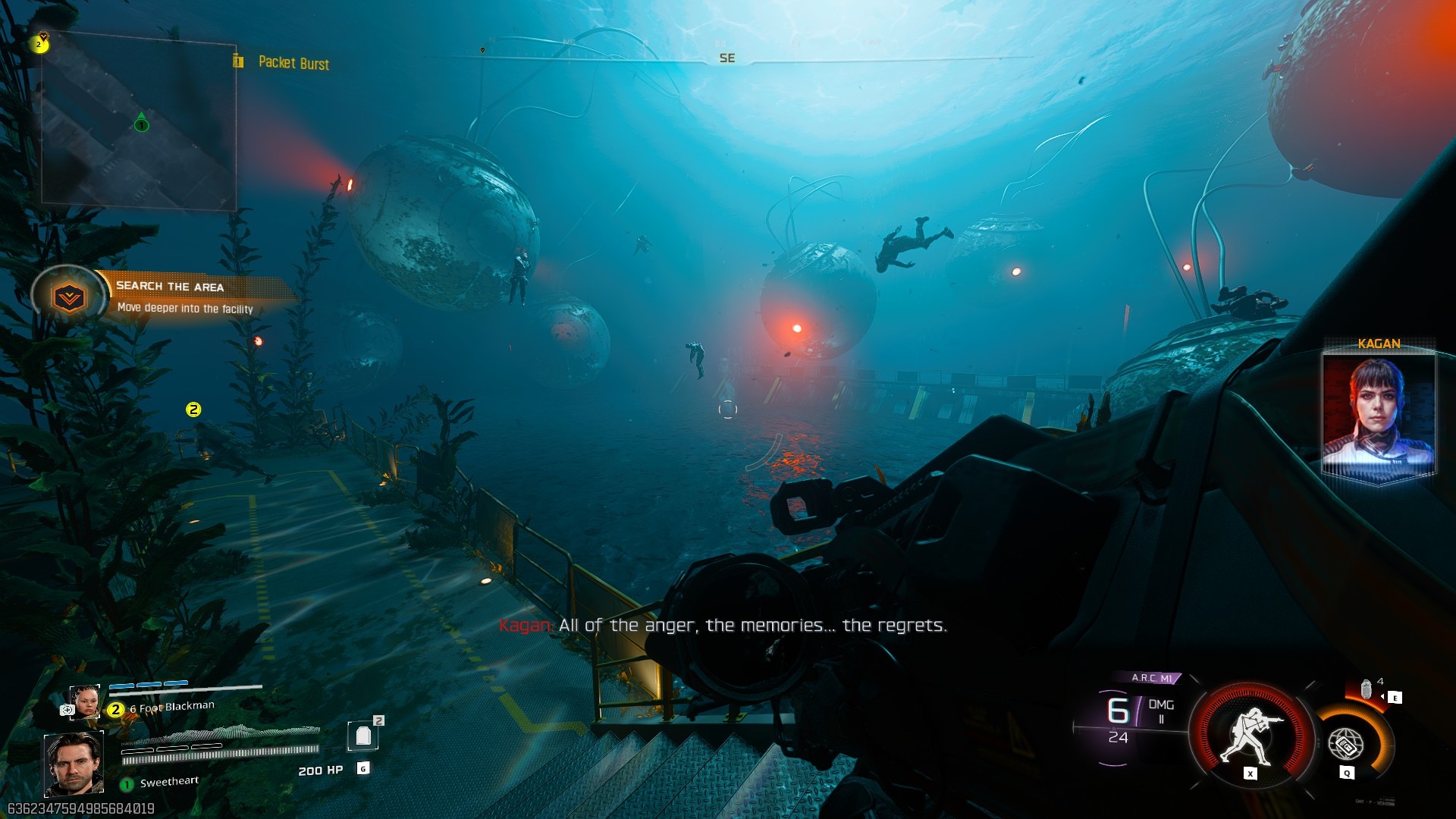
Art style plays an important role in the game’s look as well. Environments mix gritty realism with heightened, near-future personality: neon-lit interiors, dusty industrial compounds, elaborately lit laboratories, and urban zones layered with graffiti and propaganda posters. The Black Ops aesthetic leans into a combination of paranoia and sleight of hand—bright colors layered over cold espionage architecture—and the game captures this blend convincingly.
The biggest sticking point for some players will be the continued reliance on hardware-level anti-cheat enforcement, requiring TPM 2.0 and Secure Boot to be enabled. While this decision does enhance competitive integrity, it creates a barrier for PC players who run custom or legacy hardware setups. It is an issue more about policy than design, but one that is worth noting for those who might encounter friction before even launching the game.
Controls and Responsiveness
Treyarch has long had a reputation for creating some of the most fluid and finely tuned control systems in the franchise, and Black Ops 7 continues that tradition with confidence. From the first match, everything feels snappy, direct, and weight-balanced. Mouse and keyboard users will appreciate a full range of sensitivity and tuning options—linear or non-linear response curves, ADS sensitivity scaling, per-weapon overrides, and customizable dead zones.
Movement has been refined in a way that encourages creativity without descending into exploit-based excess. Sliding, jumping, mantling, and quick repositioning all feel precise and tactile, giving players greater control over vertical and lateral momentum. These mechanics integrate cleanly with the game’s map design, allowing players to create fluid movement chains without relying on unnatural speed spikes or animation abuses.
Controller support remains robust as well. Aim assist is well-tuned, offering helpful guidance without becoming overbearing or intrusive. The snap-to-target behavior is smoothed out, giving the controller experience an intuitive rhythm while still leaving room for high-skill expression.
Across all inputs, the responsiveness reinforces the game’s core philosophy: speed without chaos, precision without rigidity. Whether engaging in tight corridor firefights or pacing through long sightlines, the player always feels in command of their actions.
Gameplay and Combat Experience
Combat is unquestionably the heartbeat of Black Ops 7. The weapon sandbox is rich and varied, offering guns that feel distinct in both sound and behavior. Recoil patterns have been reworked to provide a clearer sense of identity across weapon classes, while the sound design adds an extra layer of immersion—crackling assault rifles, thunderous shotguns, and high-pitched SMGs each carry their own texture.
Time-to-kill remains brisk, consistent with the broader franchise, but Black Ops 7 fine-tunes the balance to reward skill and positioning. Fights are decided by a combination of accuracy, movement, map knowledge, and equipment usage rather than by unpredictable randomness.
Attachments play a major role in weapon customization, and the system is more intuitive than in past entries. Each attachment meaningfully changes handling, recoil, ADS speed, or damage profile, encouraging players to experiment rather than settle into a single meta configuration. The process of refining a weapon build feels satisfying and natural, and because weapon progression is shared across modes, time spent mastering guns in Zombies or Campaign can meaningfully support performance in Multiplayer.
Another area where Black Ops 7 stands out is the clarity of combat feedback. Hit markers, damage indicators, directional cues, and environmental signals all work together to make firefights readable and rewarding. This clarity reinforces the competitive fairness of the experience and ensures that engagements feel skill-driven.
Campaign – A Co-Op First Experience
The campaign represents the biggest philosophical shift in the game and is perhaps the most ambitious yet divisive component of the package. Rather than offering a tightly scripted, linear single-player story, Black Ops 7 presents a cooperative campaign structure designed to be played with one or more human partners.
At its best, this co-op approach allows for moments of genuine tactical creativity. Missions frequently open up into multi-path areas that leverage different playstyles—stealth infiltration from one direction, aggressive breach assaults from another. Enemy AI reacts dynamically to coordinated movement, forcing squads to communicate and adapt. Some set pieces, particularly those involving vehicle sequences or multi-objective arenas, feel distinctly built around cooperative synergy.
However, the campaign becomes noticeably less effective when played solo. Enemy density, encounter pacing, and difficulty spikes can feel tuned for multiple human players, leaving solo players overwhelmed or forced into slow, methodical play that lacks the intended excitement. AI companions do exist, but they are limited in both awareness and tactical usefulness, making them a poor substitute for real teammates.
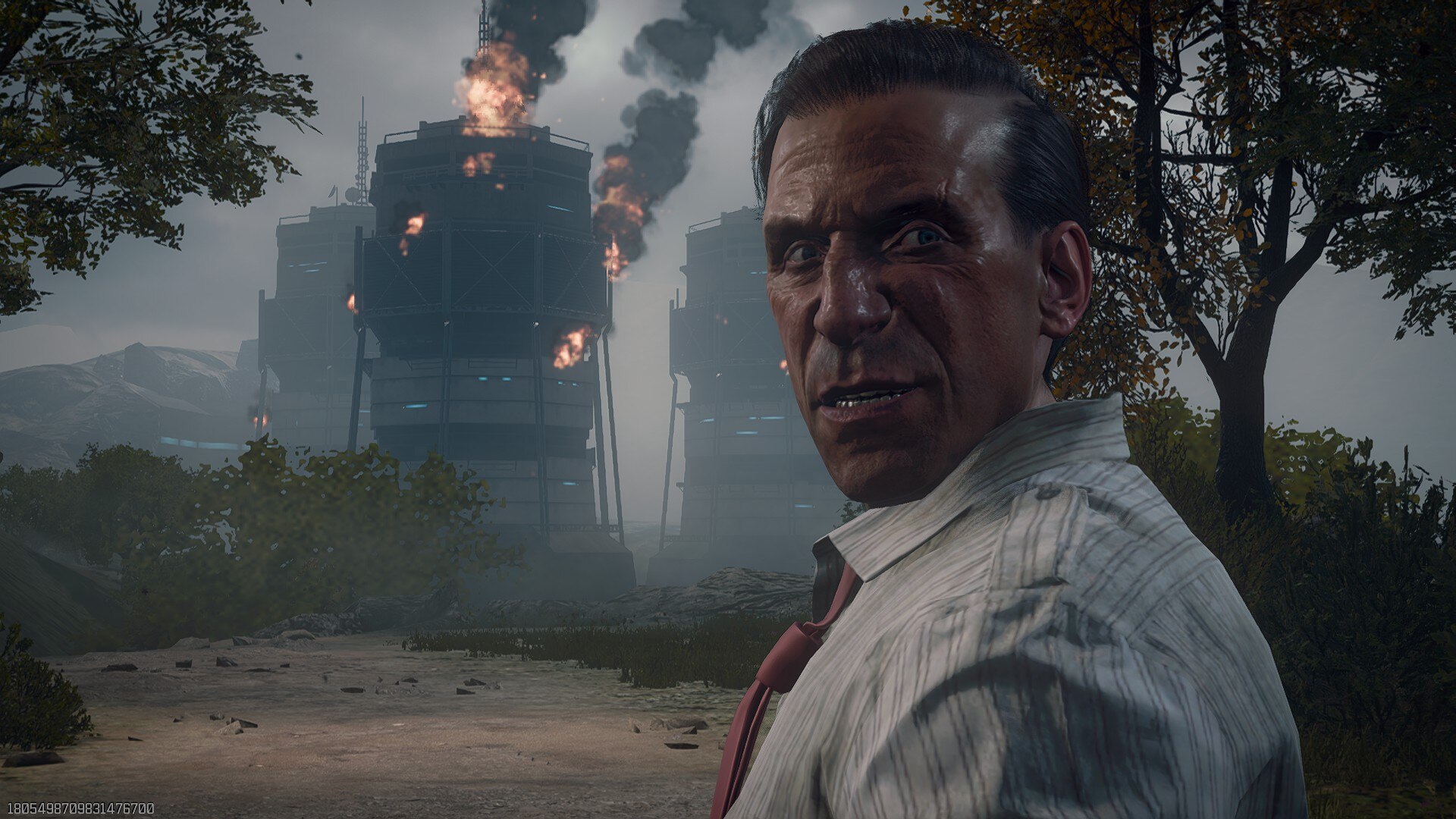
Narratively, the campaign leans into classic Black Ops themes—clandestine operations, psychological manipulation, shifting loyalties, and blurred lines between truth and deception. The tone is consistent and occasionally gripping, though the looser mission structure sometimes disrupts the buildup of narrative tension that made earlier Black Ops campaigns so memorable. There are intriguing ideas here, but they rarely coalesce into a compelling emotional arc.
Ultimately, the campaign feels like an experiment—ambitious, occasionally brilliant, but not entirely cohesive, particularly for players seeking a traditional solo experience.
Multiplayer – The Core Strength
Multiplayer remains the anchor of the Black Ops 7 experience and easily stands as its strongest component. The pacing of matches is superb: fast enough to feel intense, controlled enough to avoid chaos. The refined movement system enhances tactical options without giving rise to exploit-heavy movement metas.
Map design contributes enormously to this balance. Treyarch’s level designers once again show their strengths through a collection of locations that blend classic three-lane structures with dynamic twists—flanking corridors, vertical routes, crossfire-heavy courtyards, and interior spaces designed for cat-and-mouse engagements. The environments feel lived-in and visually distinct, whether they take place in urban zones, industrial sites, military installations, or corporate compounds.
Weapon balance is remarkably strong at launch, with no obvious outliers dominating the meta. Engagement ranges, damage values, and recoil patterns encourage specialization rather than one-size-fits-all loadouts. The interplay between weapons, equipment, and perks creates a healthy sandbox with plenty of room for experimentation.
Matchmaking feels more flexible than in recent titles. Instead of aggressively grouping players into narrow skill brackets, Black Ops 7 allows for a more organic mix of playstyles and skill levels, resulting in matches that feel varied rather than formulaic. The system is not perfect—and players may still encounter occasional mismatches—but the overall experience is smoother and more consistent.
Progression reinforces the satisfaction of multiplayer play. Unlocking weapon attachments, camouflages, calling cards, and cosmetic items feels rewarding without crossing into excessive grind. The steady stream of progression ensures that even short sessions feel productive, making multiplayer highly inviting for both dedicated and casual players.
Zombies – Familiar, Polished, and Addictive
Black Ops 7’s Zombies mode marks a return to classic round-based survival, and it’s clear that Treyarch poured considerable attention into restoring the mode’s core identity. The maps are designed with a balance of complexity and readability, featuring interconnected loops, chokepoints, and open arenas that encourage diverse strategies.

The pacing is exemplary. Early rounds give teams time to explore, unlock doors, gather perks, and settle into defensive routines. As rounds progress, the pressure escalates in a smooth curve, introducing tougher zombie variants, mini-bosses, and scripted events that keep the experience dynamic without overwhelming players. This rhythm gives Zombies a sense of narrative and mechanical progression within each match, allowing for memorable runs that feel tense and rewarding.
Cooperative synergy thrives in this mode, with teams coordinating rotations, resource allocation, and weapon upgrades. While solo play is viable, Zombies shines brightest with a full squad, where improvisation and teamwork often determine survival.
Classic elements such as Pack-a-Punch machines, wall buys, wonder weapons, and perk modifiers return, but the mode also benefits from modern quality-of-life improvements like clearer upgrade paths, more intuitive crafting systems, and transparent difficulty scaling.
This blend of nostalgia and modern design creates a Zombies mode that feels both faithful and revitalized—easily one of the strongest entries since the Black Ops III era.
Progression, Economy, and Live Service
The unified progression system is one of Black Ops 7’s quiet triumphs. Instead of isolating weapon levels, player ranks, and unlock trees within specific modes, everything feeds into a shared ecosystem. This reduces the sensation of wasted time and allows players to shift between Campaign, Multiplayer, and Zombies without losing momentum.
The economy is familiar to anyone who has played recent Call of Duty titles. The seasonal battle pass offers cosmetic rewards, while the in-game store includes operator skins, weapon blueprints, and themed bundles. While some cosmetic packs lean heavily into exaggerated or flashy aesthetics, the presentation is less intrusive than in certain previous entries. The store is present, but it does not dominate the experience.
What stands out most is the sense of stability. The progression and live-service framework feel well-planned and structured for long-term support. Even early into its lifecycle, the game signals a clear roadmap of seasonal content, balance patches, and thematic events designed to keep the experience fresh throughout the year.
Technical Stability and Online Experience
Technically, Black Ops 7 is one of the most stable Call of Duty launches in recent years. Server performance is consistently strong across all modes, with minimal lag, swift matchmaking, and solid hit registration. Packet loss and latency spikes occur occasionally, particularly in large-scale multiplayer modes, but they are rare enough that they never define the experience.
Anti-cheat enforcement is stricter than ever, and early signs suggest a healthier competitive environment compared with past entries. While the hardware requirements for anti-cheat have their detractors, the results—at least in terms of cleaner matches—are difficult to ignore.
The game is not without minor bugs. A handful of UI glitches, infrequent animation quirks, and occasional audio inconsistencies appear during longer sessions. However, these issues are relatively isolated and do not meaningfully detract from the overall experience.
The net result is a shooter that feels stable, responsive, and technically confident from day one.
Final Verdict: 6/10
Call of Duty: Black Ops 7 is an impressively crafted shooter that confidently reinforces the strengths of the Black Ops identity. Its multiplayer is outstanding—fast, balanced, and remarkably replayable. Its Zombies mode is a polished love letter to the mode’s roots, offering one of the most satisfying co-op survival experiences in years. The PC version, meanwhile, stands out with extensive customization, excellent performance scaling, and tight input responsiveness.
The campaign, however, is more complicated. While cooperative play reveals moments of tactical brilliance, the solo experience is noticeably lacking, and the story struggles to maintain the dramatic weight associated with classic Black Ops entries. For players who prioritize single-player content, Black Ops 7 may feel like a step sideways.
But when viewed as a competitive shooter with long-term legs, the game excels. It refines and modernizes the franchise’s core strengths while avoiding unnecessary reinvention. It is energetic, polished, and deep—everything a Black Ops title should be, even if not everything works perfectly.