When The Outer Worlds launched in 2019, it filled a very specific void: a mid-budget, character-driven RPG that valued conversation as much as combat, wit as much as weaponry. It was a modest-sized game with big ideas — part corporate satire, part space opera, part nostalgic throwback to Fallout: New Vegas.
Six years later, The Outer Worlds 2 arrives to prove that Obsidian Entertainment can do much more than recycle nostalgia. It’s a sequel that widens its gaze to a whole new solar system, deepens the role-playing possibilities, and refines nearly every mechanical system while holding onto the razor-sharp writing that made the first game special.
On PC, the result is a bold, deeply reactive RPG that thrives on player choice and narrative consequence — but one that also stumbles under the weight of its own ambition. Technical blemishes, uneven performance, and a cumbersome interface keep it just short of masterpiece status. Still, when the credits roll, The Outer Worlds 2 stands as one of the most compelling and distinctly authored sci-fi RPGs of the decade.
Story and Setting
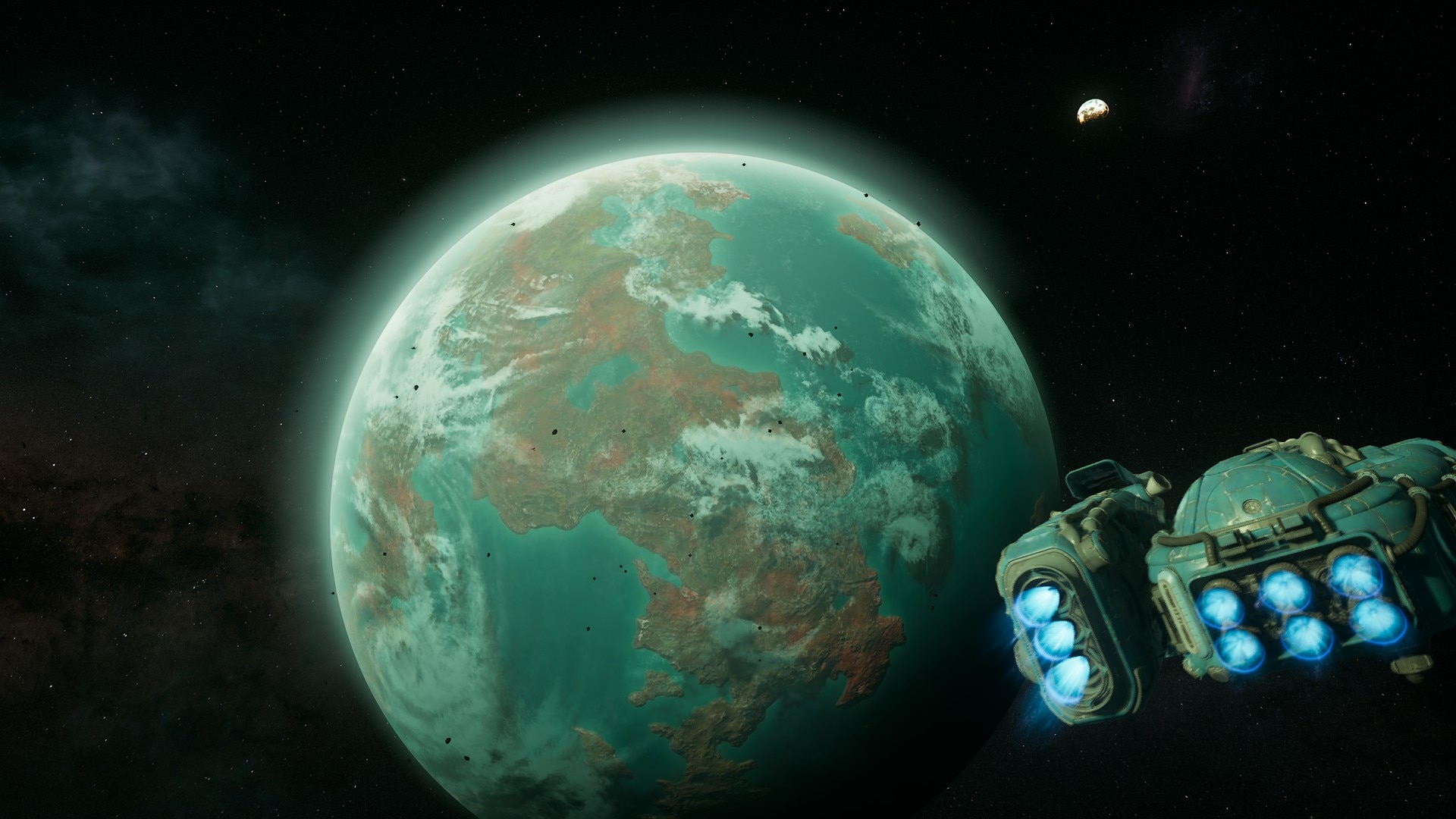
Obsidian has wisely left the Halcyon colony behind. The sequel introduces a brand-new star system — The Perilous Frontier — an untamed cluster of worlds still under the thumb of corporate expansionism. Humanity has fled its mistakes only to replicate them on a cosmic scale, and the result is a setting that feels both fresh and depressingly familiar.
From the moment you step out of cryosleep, The Outer Worlds 2 establishes its tone: equal parts sardonic and sincere. The opening cinematic, narrated with deadpan sarcasm, skewers the conventions of video game sequels even as it leans into them. “This time,” the narrator quips, “we promise the hero’s ship won’t crash… probably.” It’s a meta opening that sets the tone for what follows — a game deeply aware of its own tropes, yet still emotionally grounded when it needs to be.
The Perilous Frontier is made up of half a dozen distinct planetary zones, each with its own ecosystem, government, and ideological fractures. Unlike the smaller hub worlds of the first game, these areas are sprawling, layered, and purposefully interconnected. A decision made on one world might reverberate through a distant colony hours later, often in ways you didn’t anticipate.
It’s a world that feels alive — not because of its graphical fidelity (though it’s often stunning), but because its systems are constantly listening and reacting.
Writing and Narrative Design
Obsidian’s pedigree in narrative design shines brighter than ever. The writing is still laced with the sardonic humor fans expect, but the sequel adds more tonal variety. Corporate absurdity remains the series’ beating heart, yet moments of genuine empathy and quiet reflection give it new texture.
Characters aren’t just mouthpieces for satire — they’re people with conflicting values, trauma, and surprising vulnerability. Your companions, in particular, embody this evolution. From Ada-2, a morally ambiguous AI grappling with self-awareness, to Kyran, a defector from the Spacer’s Choice military who hides guilt beneath bravado, each crewmate feels distinct and essential. Conversations are dynamic and branching, their outcomes shaped not just by dialogue choices but by your broader reputation and moral stance.
The narrative itself unfolds as a series of overlapping faction arcs. You’ll mediate ideological disputes between rebel colonists, rogue scientists, and megacorporate interests — and there’s rarely a clear right answer. Obsidian refuses to moralize. Instead, the game presents dilemmas and trusts you to live with the consequences. That moral ambiguity, coupled with a fully reactive world, gives the story remarkable replay value.
One of the sequel’s best innovations is its dynamic companion alignment system. Unlike in the first game, companions now evolve their own moral outlooks based on your actions. Treat them cruelly or compromise their beliefs too often, and they may leave — or worse, turn against you. It’s a subtle but potent way of making role-playing feel personal rather than mechanical.
Gameplay and Mechanics
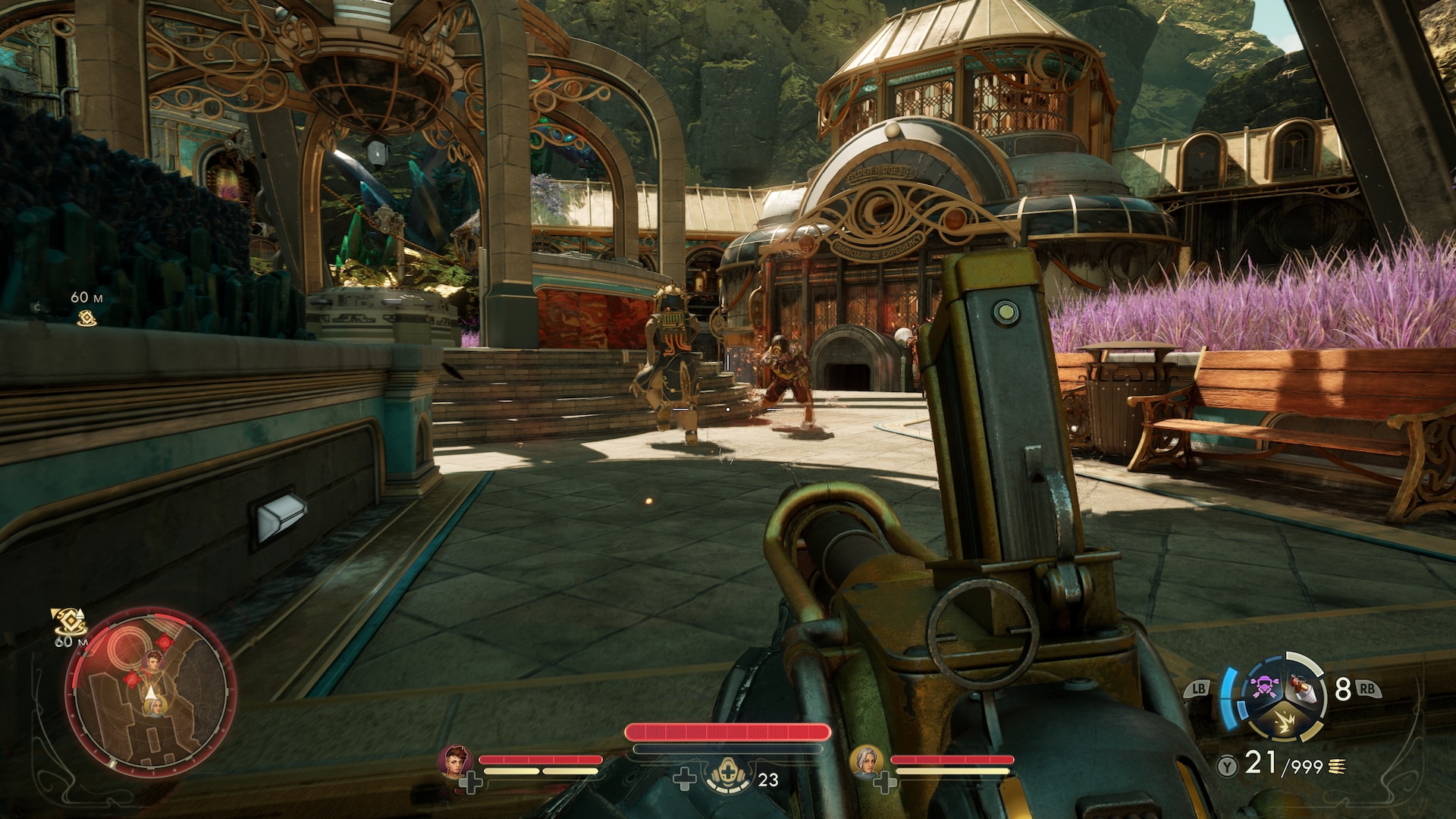
Mechanically, The Outer Worlds 2 walks the fine line between familiarity and evolution. Combat still blends first-person shooting, tactical “time dilation” abilities, and skill-based problem solving — but everything feels smoother and more deliberate. Gunplay has a new sense of impact: weapons kick harder, enemies react more believably, and sound design gives firefights weight.
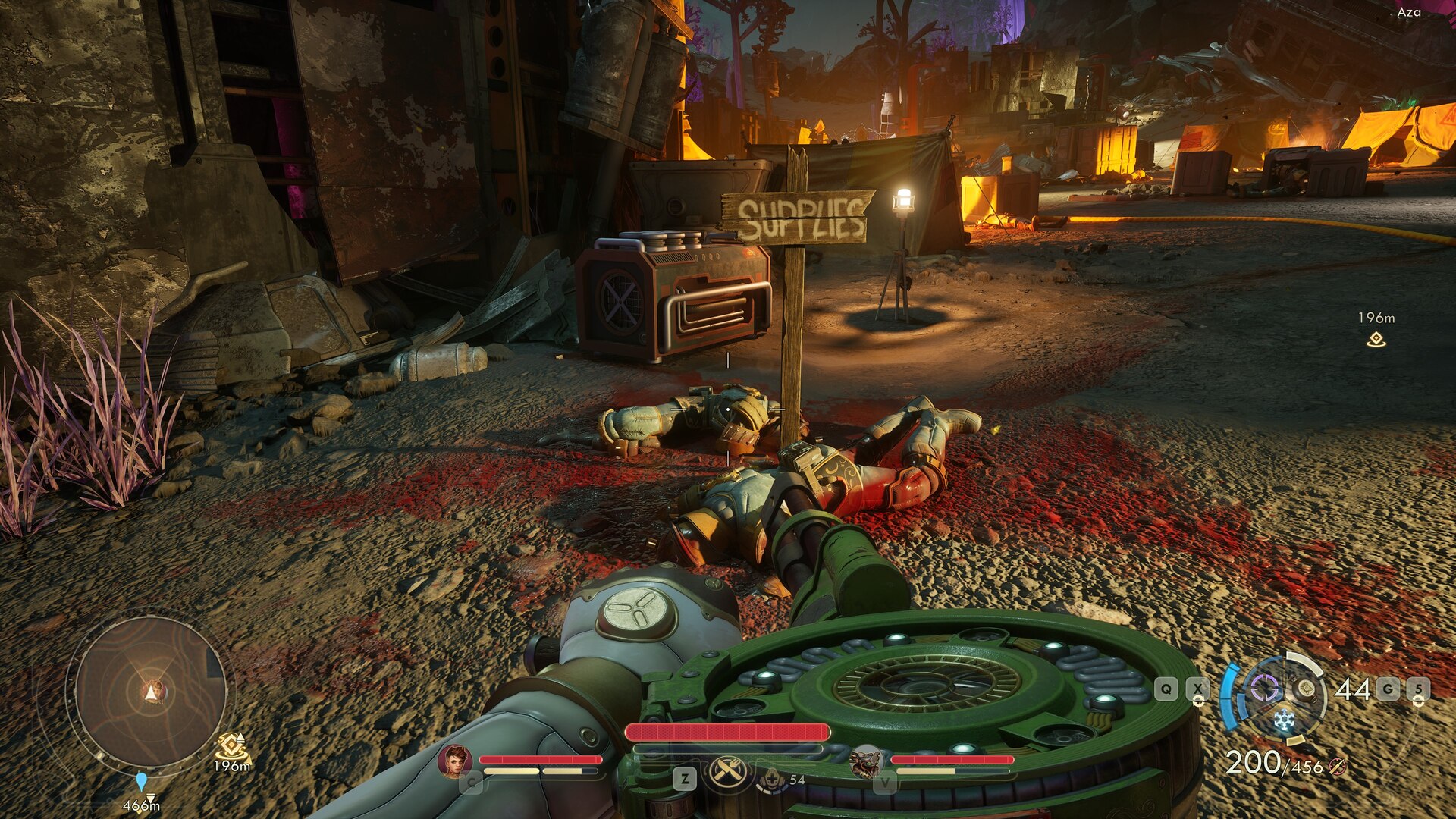
The arsenal is more diverse than ever. You can now wield modular weapon systems that combine ballistic, energy, and chemical effects. A late-game perk even allows for dual-wielding pistols, making close-quarters combat satisfyingly chaotic. For those who prefer brains over bullets, the stealth and dialogue systems have been reworked to make pacifist or diplomatic playthroughs genuinely viable. Entire quests can be completed without firing a shot, provided you’ve invested in Persuade, Lie, or Intimidate. And if things go south, the game rarely locks you out of alternate solutions — there’s almost always a creative workaround.
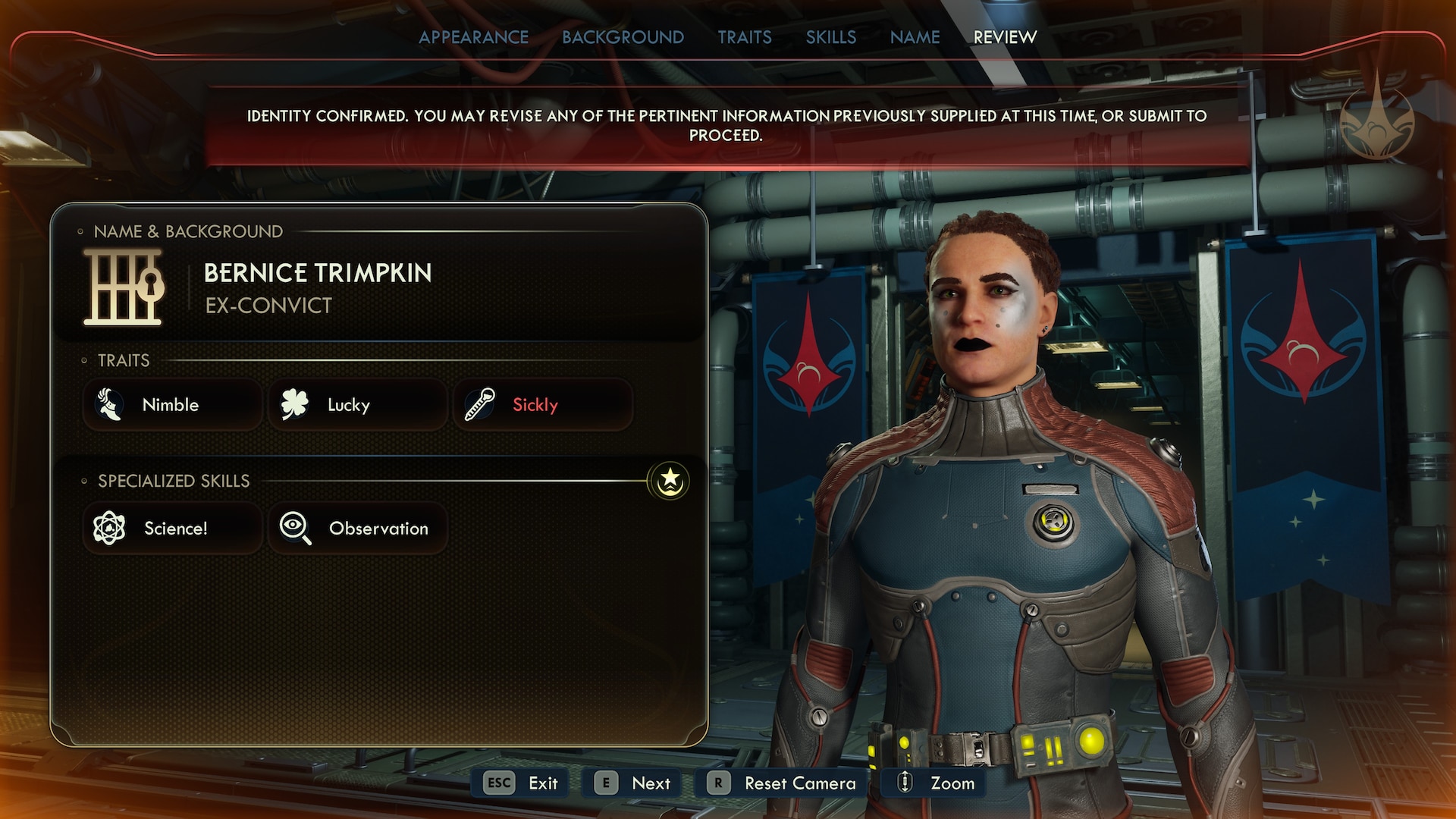
Skill progression remains one of Obsidian’s strongest design pillars. Every level-up feels meaningful, with perks that don’t just boost numbers but change how you approach encounters. The new Reputation Perks system intertwines morality and mechanics: side with a corporation too often, and your standing with rebel groups plummets — but your bribes become more effective. It’s a clever integration of narrative and gameplay that encourages consistent role-play rather than opportunistic min-maxing.
Exploration and World Design
If the first Outer Worlds sometimes felt constrained — more a collection of interconnected hubs than a full universe — the sequel banishes that limitation. The Perilous Frontier’s planetary zones are vast, vertically layered, and filled with secrets. Exploration feels rewarding in a tangible way.
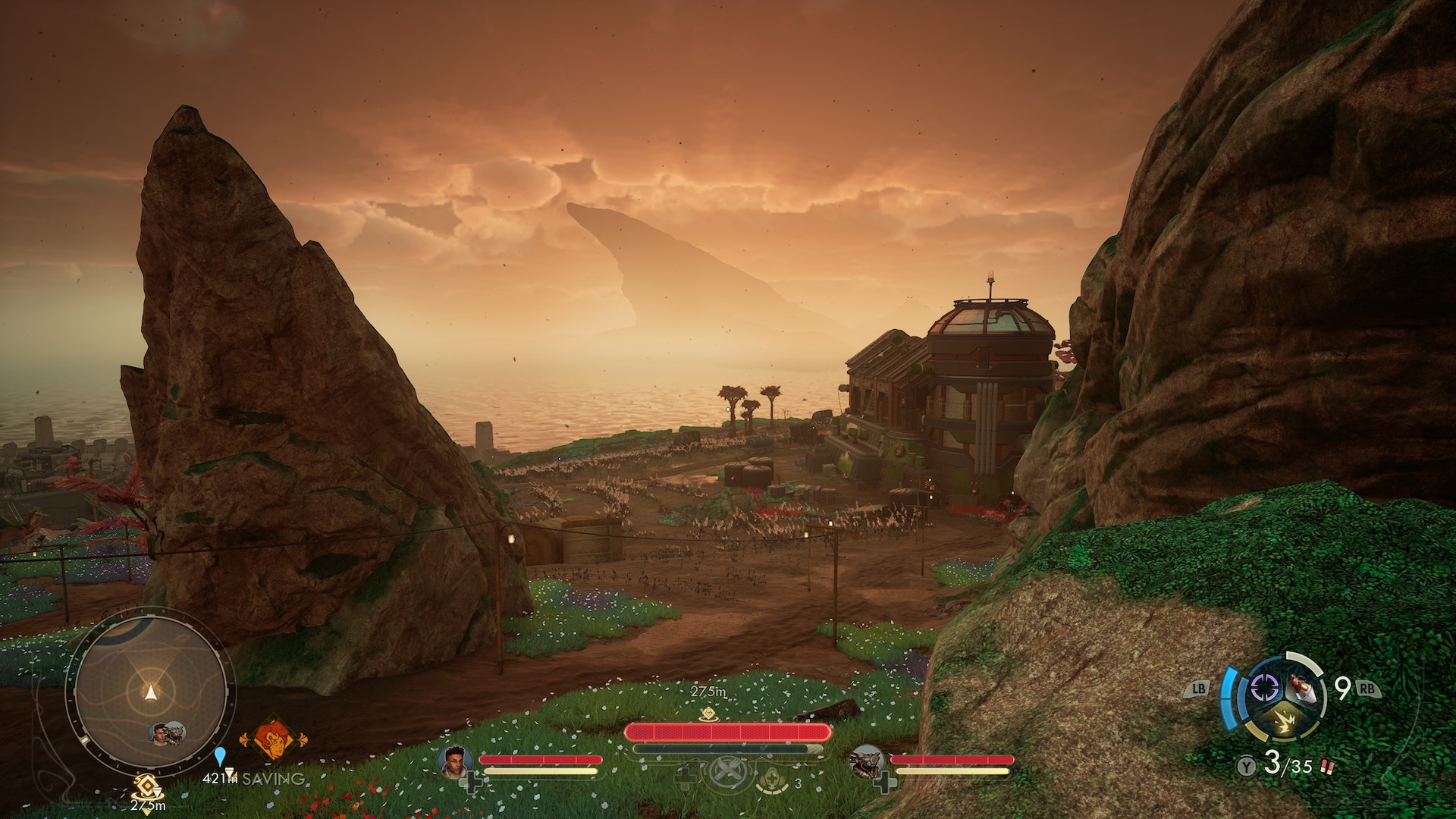
Each world has its own aesthetic identity: the lava-scarred deserts of Eudora Prime, the rain-drenched jungles of Typhon IV, the orbital scrapyard colonies drifting above the gas giant Keras. Environmental storytelling is subtle but effective; even abandoned outposts tell micro-narratives through logs, graffiti, and the scattered detritus of failed colonization.
Fast travel exists, but The Outer Worlds 2 often encourages you to walk — and for good reason. You’ll stumble across emergent encounters, lost data caches, or morally grey side quests that feel anything but filler. Obsidian’s level designers have struck a delicate balance between open-world freedom and authored intent. It’s not a sandbox — it’s a stage set for improvisation.
Audio, Music, and Atmosphere
The audio design deserves special praise. From the metallic whine of plasma rifles to the hiss of decompression in airlocks, the soundscape is immersive and meticulously layered. The score, composed by returning musician Justin E. Bell, expands the first game’s orchestral palette into something more cinematic and varied — blending lonely theremin melodies with soaring brass.
Voice acting is uniformly excellent. Veteran Obsidian collaborators deliver nuanced performances, and the new cast — particularly Erika Ishii as Ada-2 and Jason Isaacs as corporate magnate Renner Vale — elevate even the most sardonic dialogue. Their delivery sells the script’s humor and humanity in equal measure.
User Interface and Quality of Life
If there’s one area that feels undercooked, it’s the interface. The Outer Worlds 2 introduces new inventory and crafting systems, but the menus often struggle to keep pace with the game’s scale. Sorting through weapons, armor mods, and consumables becomes tedious after a few hours. The crafting UI, while functionally deep, buries key information under multiple submenus.
That said, Obsidian provides robust customization options: FOV sliders, uncapped frame rates, full key remapping, subtitle scaling, and accessibility toggles. Modders have already begun improving inventory navigation, a reminder that PC players will likely refine what Obsidian started.
Technical Performance and PC Optimization
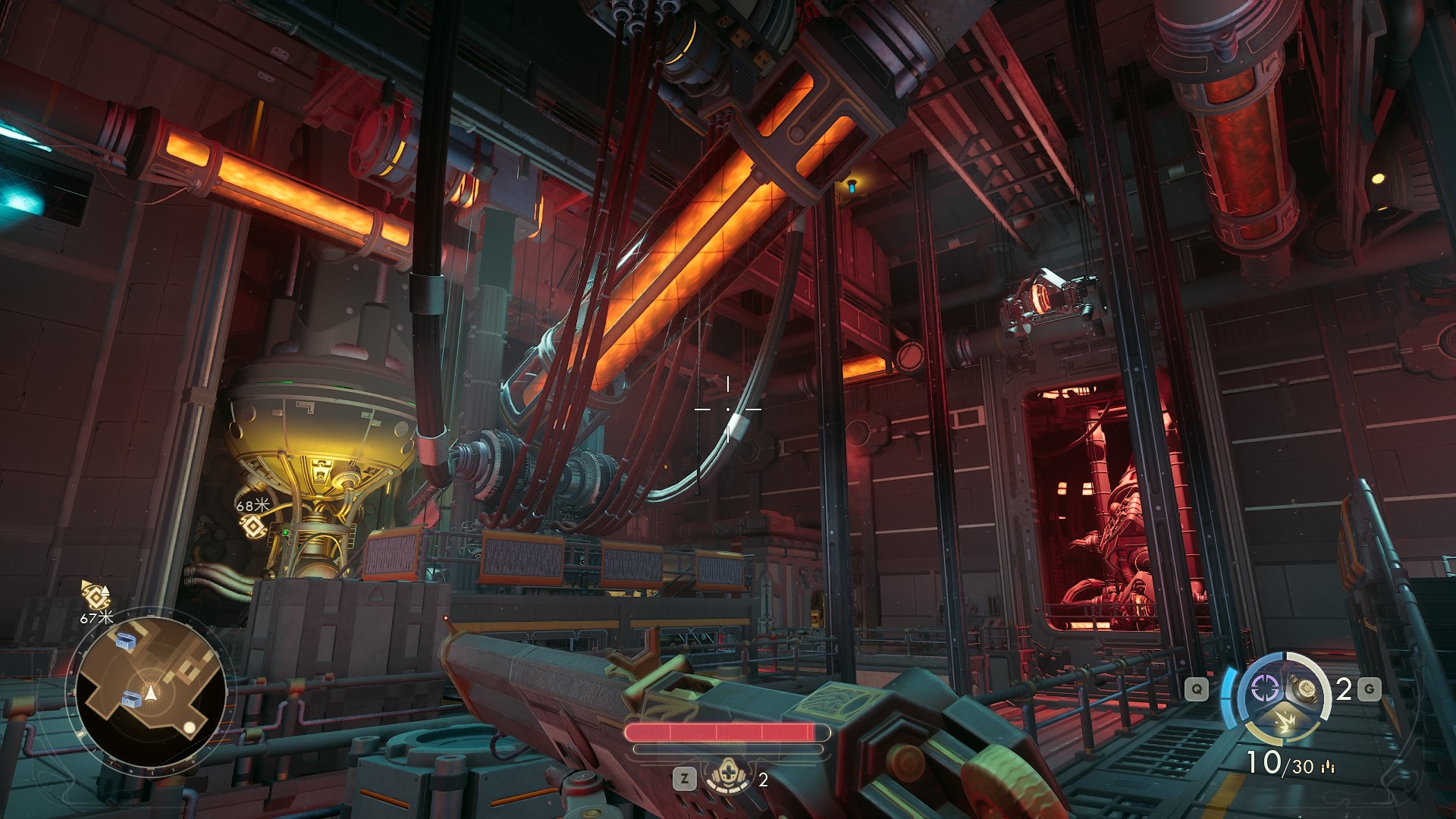
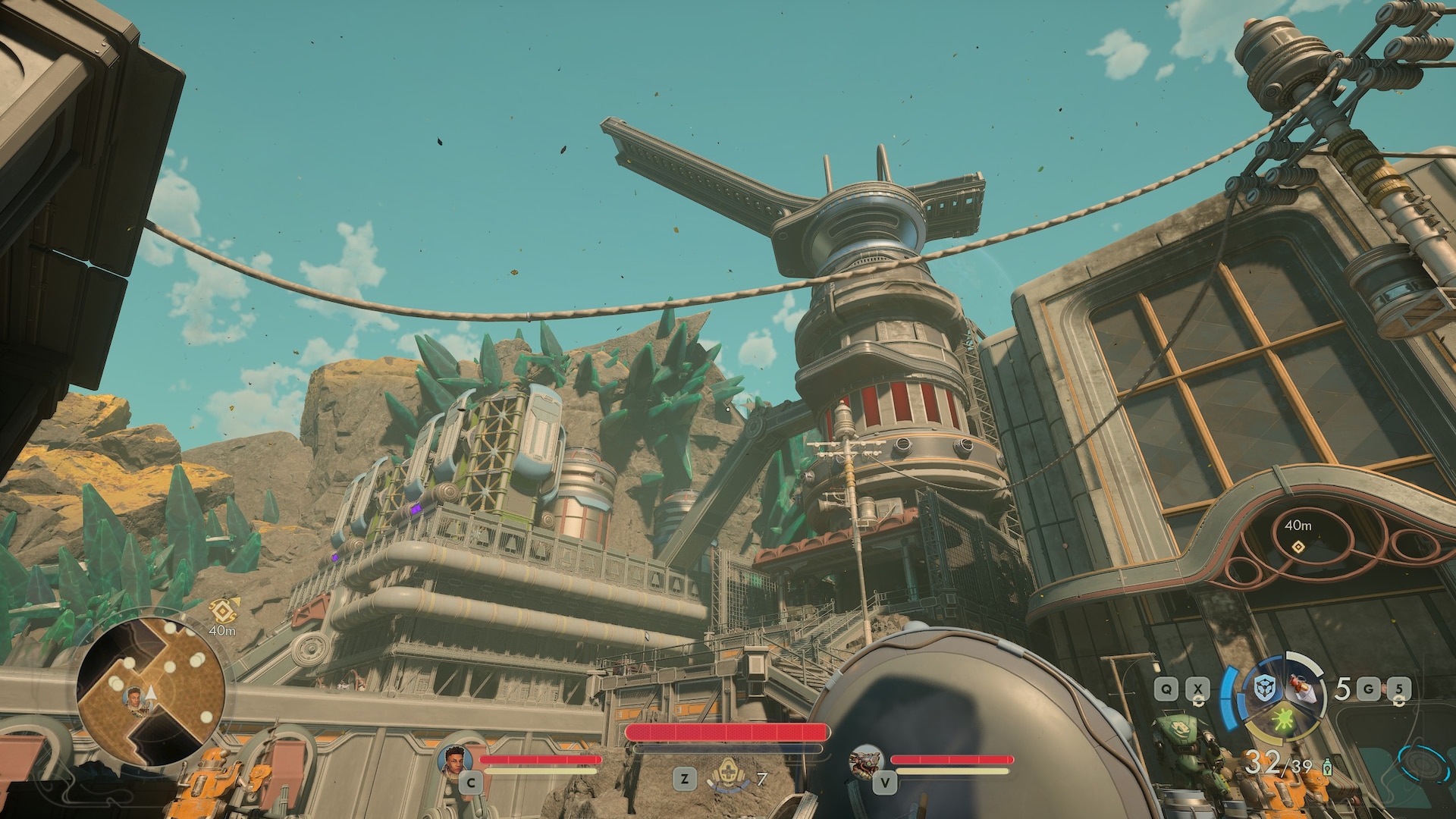
On a technical level, The Outer Worlds 2 is a visual and performance paradox. Its art direction is gorgeous — all saturated neon hues, retro-futuristic signage, and cosmic vistas — yet it doesn’t always translate into consistent technical performance.
Tested on a high-end system (RTX 4080, Ryzen 7 7800X3D, 32GB RAM, NVMe SSD), the game typically ran between 80 and 140 FPS at 1440p Ultra, though certain dense settlements triggered noticeable frame drops. Enabling ray tracing cut performance by 25–30%, suggesting optimization still needs work.
Mid-tier GPUs like the RTX 3060 Ti or RX 6700 XT can maintain 60 FPS with a mix of High and Medium settings, but VRAM usage can spike unpredictably. The game does support DLSS 3, FSR 3, and frame generation, which helps stability across hardware tiers.
The biggest concern at launch, however, is stability. A minority of players report save corruption or audio desynchronization bugs, particularly when using Quick Save frequently. Obsidian has acknowledged these issues and pushed two hotfixes in the first week, but they remain worth monitoring.
It’s a testament to the game’s quality that these issues, while frustrating, rarely undermine the core experience. Still, they prevent The Outer Worlds 2 from reaching the technical polish of peers like Cyberpunk 2077 (post-2.0) or Starfield on PC.
Replayability and Role-Playing Depth
Few modern RPGs match The Outer Worlds 2 in terms of replay value. Every faction conflict can resolve in multiple ways, companions can live or die based on your ethics, and even small dialogue choices can ripple across the galaxy. The branching structure encourages at least two or three distinct playthroughs — one corporate loyalist, one rebel idealist, one true anarchist.
New Game+ further incentivizes replays, allowing skill redistribution and preserving relationship histories. It’s Obsidian’s most reactive world since Fallout: New Vegas, and that’s not faint praise.
Final Verdict: 8/10
The Outer Worlds 2 is a remarkable sequel — a sprawling, intelligent, and defiantly authored RPG in an industry that too often prioritizes spectacle over substance. It’s funnier, sadder, and more self-aware than its predecessor, with systems that reward experimentation and stories that linger after the credits roll.
Yet, it’s also unmistakably an Obsidian game: brilliant in design, rough in execution. Technical hiccups and clumsy menus prevent it from being the flawless triumph it nearly is. But even with those flaws, it remains one of the most engaging narrative RPGs in years — a testament to what happens when a studio doubles down on its strengths rather than chasing trends.
In an age of homogenized open worlds, The Outer Worlds 2 stands out precisely because it remembers what role-playing is supposed to mean: not just numbers and loot, but identity, consequence, and choice.