Kuro Games’ Wuthering Waves arrives at a time when the open-world action RPG genre — particularly the “live-service” variety — is dominated by Genshin Impact and its numerous imitators. But unlike the many titles that attempt to copy HoYoverse’s formula, Wuthering Waves strives to reinterpret it. The result is a deeply ambitious project: an emotionally rich, mechanically complex, and technically refined game that sets a new standard for what a free-to-play open-world experience can be.
At its best, Wuthering Waves feels like the evolution of the modern gacha RPG. It borrows ideas from its predecessors but reimagines them through faster, deeper combat, darker storytelling, and more mature worldbuilding. On PC, the game shines brightest — Kuro Games clearly prioritized the platform, offering extensive graphical options, robust control customization, and an overall fluid performance that elevates the entire experience.
While not without flaws — namely, a slow start, uneven voice acting, and some familiar gacha limitations — Wuthering Waves manages to stand tall on its own. It is a game that respects the player’s time and skill, not just their wallet.

Story and Worldbuilding
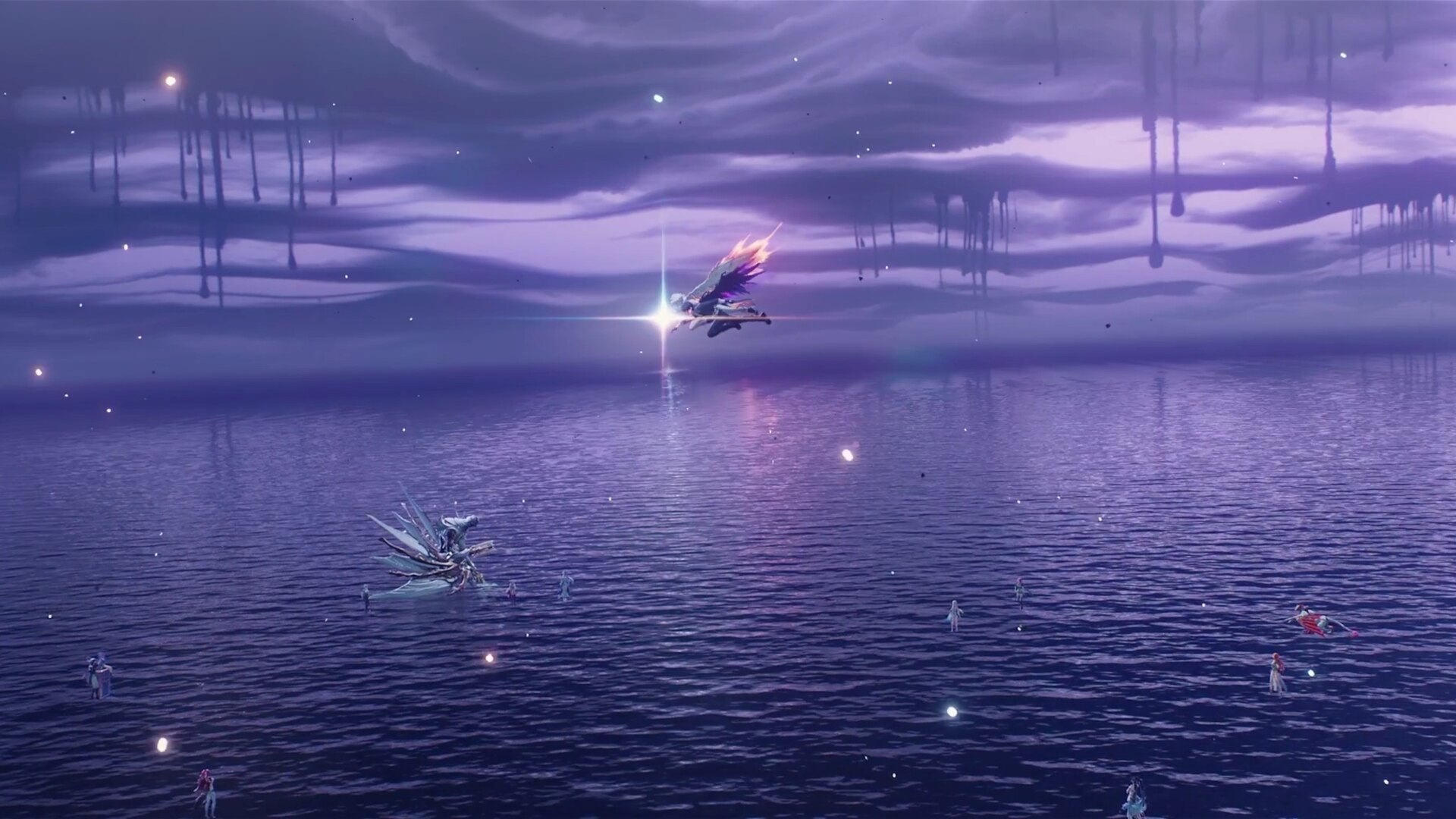
The game is set in Solaire, a vast post-apocalyptic world that has endured a mysterious cataclysm known as The Lament. Civilization is rebuilding, cities are rising amid ruins, and remnants of lost technology litter the landscape. You play as the Rover, an amnesiac who awakens after centuries of slumber, guided by haunting dreams and cryptic memories. From the first moments, Wuthering Waves establishes a tone of melancholy and mystery — a world haunted not only by what it lost but by the question of whether humanity deserves to rebuild.
Unlike Genshin Impact’s lighthearted fantasy, Wuthering Waves leans into introspection and existentialism. The story explores identity, trauma, and memory, threading philosophical questions through its character-driven arcs. Many side quests delve into surprisingly mature themes — grief, survival, and the burden of history — while maintaining a consistent emotional core. It’s a narrative that values subtlety over spectacle.
Environmental storytelling plays a key role. Abandoned laboratories, shattered temples, and derelict machines silently tell tales of forgotten civilizations. NPCs feel grounded in their struggles — scavengers, scientists, and mercenaries all surviving in a fragile ecosystem of hope and despair. The world feels lived-in and believable, even when the main quest slows to a crawl.
That said, pacing remains a recurring issue. The early chapters spend too long establishing lore, which can make the first few hours feel dense or disjointed. However, once the plot finds its rhythm, it delivers several standout story arcs and memorable cinematic moments, especially during boss encounters tied to major lore revelations.
The writing is competent and thematically ambitious, if occasionally overwrought. Voice acting varies by language — the Mandarin version offers the most emotionally authentic performances, while the English dub often sounds stilted or inconsistent in tone. Fortunately, strong direction, detailed facial animations, and a sweeping soundtrack make the story moments land when it counts.
Gameplay and Combat
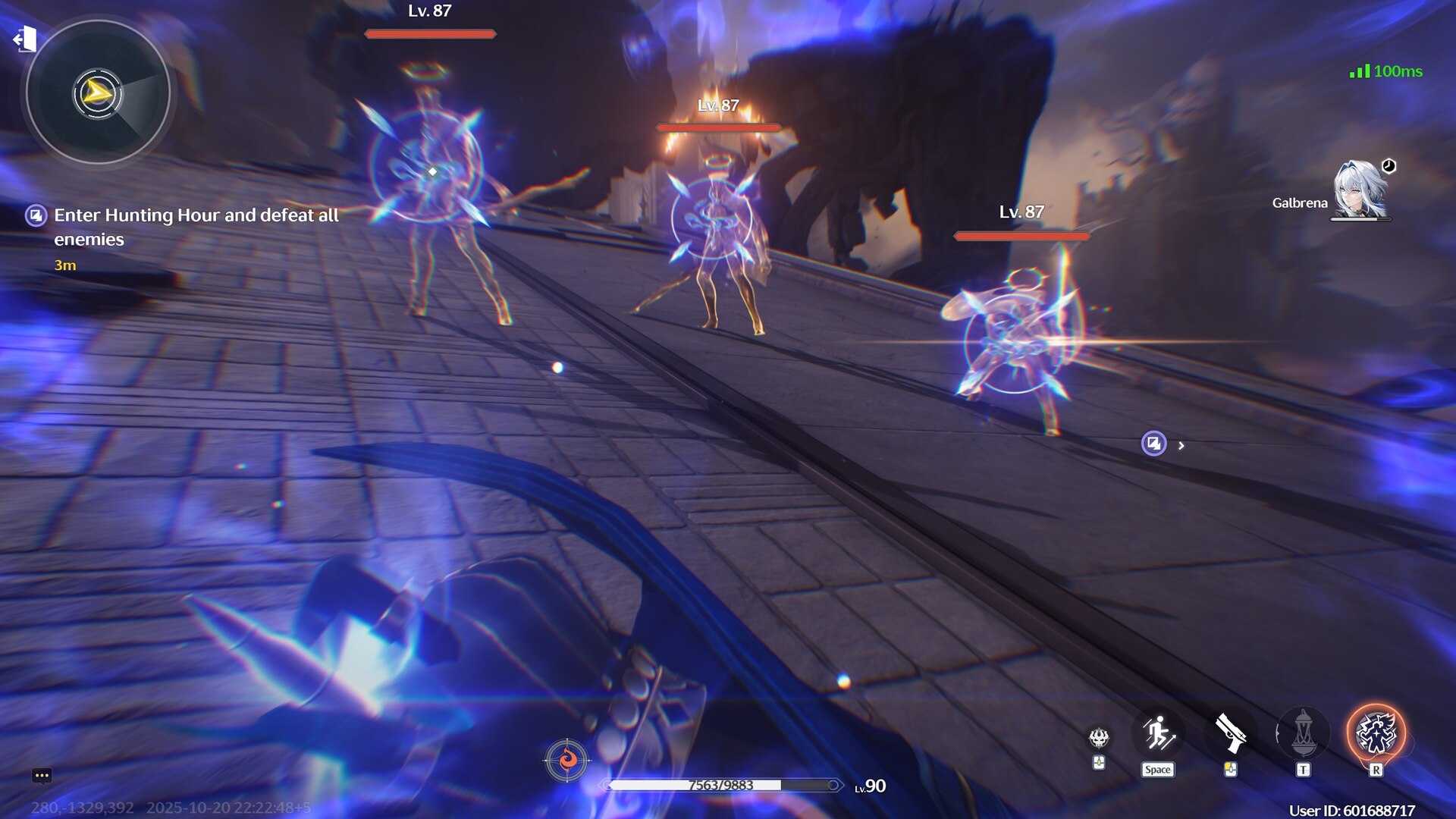
Combat is where Wuthering Waves truly distinguishes itself from every other gacha RPG currently available. Instead of a stat-driven, cooldown-heavy system, Kuro Games delivers a combat design centered on timing, reflexes, and mastery. Every move matters, and battles reward precision rather than button mashing.
Each playable character — or Resonator — has a distinct fighting style and elemental affinity (called Attributes). Attacks flow seamlessly from light to heavy combos, augmented by dodges, parries, and Resonance Skills. The mechanics are deceptively deep. Perfect dodges trigger time-slow “Echo” windows, allowing devastating counterattacks, while Resonance Chains let players switch characters mid-combo for synchronized follow-ups. The fluid animation work makes every strike feel weighty and cinematic, particularly in high-level encounters.
Enemy design complements this depth. Boss fights demand genuine learning — understanding attack patterns, exploiting windows, and reacting dynamically rather than relying on auto-combat or raw stats. The difficulty curve is fair but challenging, particularly in elite zones and world events. The inclusion of the Echo System — allowing players to capture enemy abilities and use them in combat — adds an innovative layer of customization rarely seen in the genre.
The result is a combat system that’s thrilling, expressive, and grounded in player skill. It feels more akin to Devil May Cry, Bayonetta, or NieR: Automata than to traditional gacha titles. Even minor skirmishes remain engaging thanks to the responsiveness of movement and attack animations.

Exploration and Traversal
Exploration is another area where Wuthering Waves excels. The world of Solaire is designed around verticality and freedom. Players can climb nearly any surface, glide across long distances, and use a grappling mechanism to reach otherwise inaccessible areas. The combination of these systems makes traversal intuitive and satisfying.
Unlike many open-world games that fill space with repetitive collectibles, Wuthering Waves gives exploration real purpose. Hidden ruins contain lore fragments that flesh out the history of The Lament, while scattered Echoes provide both mechanical rewards and narrative context. Every region feels handcrafted, with distinct biomes ranging from windswept plateaus to neon-lit ruins and underground caverns.
Environmental puzzles are frequent but intelligently designed — more in line with Breath of the Wild’s elegant simplicity than the grindy tedium of typical gacha exploration. Small details, like the hum of ancient technology or the flickering glow of dormant machines, reinforce the sense of a world caught between rebirth and decay.
Performance-wise, the PC version handles all this with remarkable stability. Even with the draw distance and effects pushed to ultra settings, the frame rate remains smooth and consistent. Kuro Games clearly optimized for PC hardware instead of treating it as a mobile port, a decision that pays off in every vista and particle effect.
Characters and Progression
Character design in Wuthering Waves is striking, both visually and mechanically. Each Resonator feels distinct — from the stoic martial-artist Danjin to the agile gunner Chixia and the mysterious healer Verina. Their animations, attack styles, and personalities reflect cohesive design philosophies that make them memorable beyond their rarity tier.
Progression follows familiar gacha conventions: players use in-game currency to pull Resonators and weapons through banners, then upgrade skills and gear by collecting materials. However, Wuthering Waves differentiates itself through the Echo System, where players can absorb the abilities of defeated enemies and equip them as combat augments. This adds a layer of strategic depth to character builds and reduces reliance on gacha luck.
The economy is also relatively generous. The pity system ensures guaranteed high-tier Resonators after a certain number of pulls, and the game provides ample free resources during events and exploration. While monetization still exists — and the grind for rare materials can feel slow — Wuthering Waves manages to strike a healthier balance between free and paid progression than most of its competitors.
Sound and Music
Audio is another major triumph. The soundtrack, composed by TetraCalyx and others, blends electronic, ambient, and orchestral motifs into a hauntingly beautiful soundscape. Each region features its own musical identity — some tranquil, some ominous, some triumphant. The music doesn’t just fill space; it amplifies emotion, rising and falling in sync with narrative beats.
Battle themes are dynamic, seamlessly shifting between tension and release depending on combat intensity. Ambient audio further immerses the player: the distant rumble of storms, the whisper of wind through ruins, and the faint hum of ancient machines. The sound mix on PC is rich and balanced, especially through headphones, where directional effects bring environments to life.
While the English voice acting is inconsistent, the original Mandarin dub offers nuance and emotional range that better matches the tone of the writing. Subtitles are clear and well-timed, and the localization overall is above average for the genre.
Performance and Optimization
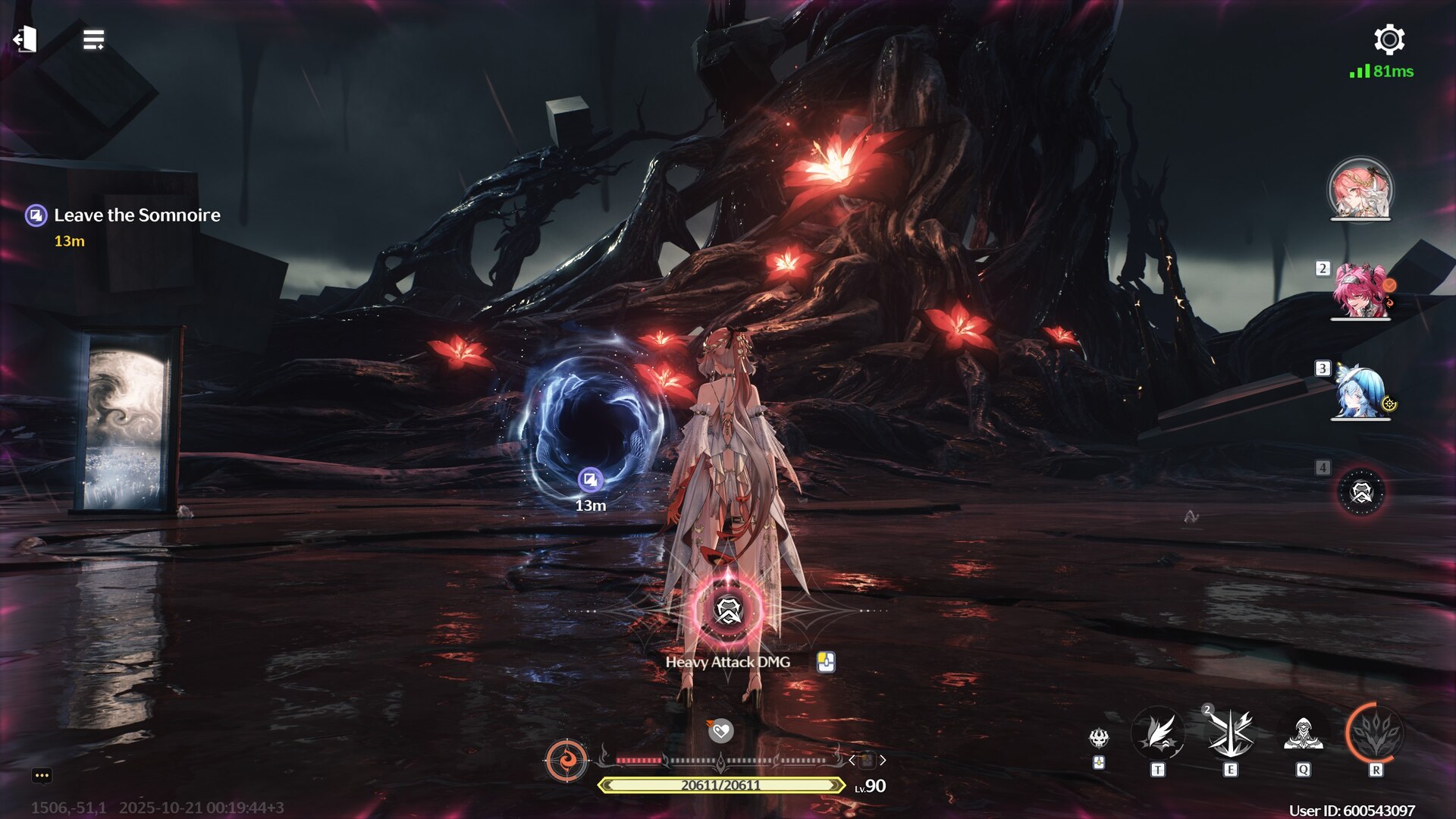
The PC version is a standout success. Unlike many cross-platform gacha releases that suffer from poor optimization, Wuthering Waves feels native to the platform. The game supports 4K resolution, high refresh rates, ultrawide monitors, and a full suite of graphical customization options. Control flexibility is excellent, with complete key remapping, controller support, and mouse sensitivity adjustments.
On high-end hardware, the game runs at a stable 90–120 FPS with minimal stuttering. Even on mid-range setups like a GTX 1060 or RX 580, it maintains 60 FPS with modest settings. Texture pop-in is rare, and shader compilation stutter is minimal after the initial load.
Visually, Wuthering Waves is stunning. Its art direction combines cel-shading with realistic lighting and particle effects, creating a painterly yet grounded aesthetic. The environmental detail — swaying grass, drifting fog, and reflective surfaces — adds atmosphere and realism without sacrificing performance.
Monetization and Live Service Elements
As a free-to-play title, Wuthering Waves inevitably includes gacha systems for summoning characters and weapons. However, Kuro Games takes a more player-friendly approach than most. The pity system guarantees high-rarity characters within a reasonable number of pulls, and in-game events frequently grant premium currency and materials. The developer also provides generous rewards during major updates and story expansions.
Unlike some competitors, Wuthering Waves avoids aggressive paywalls or stamina systems that limit playtime. While late-game grinding for resources can feel repetitive, the game never pressures players into spending money. Paid options are mostly focused on cosmetic items or minor progression boosts, rather than outright advantages.
Kuro Games has also shown strong post-launch support, releasing frequent updates, quality-of-life improvements, and major patches that expand story content and refine combat balance. The roadmap through 2025 includes new zones, events, and character reworks, showing a long-term commitment to sustainability and player engagement.
Final Verdict: 8/10
Wuthering Waves is more than a Genshin Impact alternative — it’s a legitimate advancement of the open-world action RPG formula. Its combat is deeper, its world more mysterious, and its tone more emotionally mature. On PC, it feels like the game Kuro Games always intended to make: fast, fluid, beautiful, and technically sound.
While the story pacing and voice acting occasionally falter, the sheer ambition and polish of the experience outweigh its flaws. This is a world worth exploring and a combat system worth mastering. Wuthering Waves respects your time, rewards your skill, and delivers a surprisingly moving narrative experience wrapped in one of the best free-to-play packages available today.