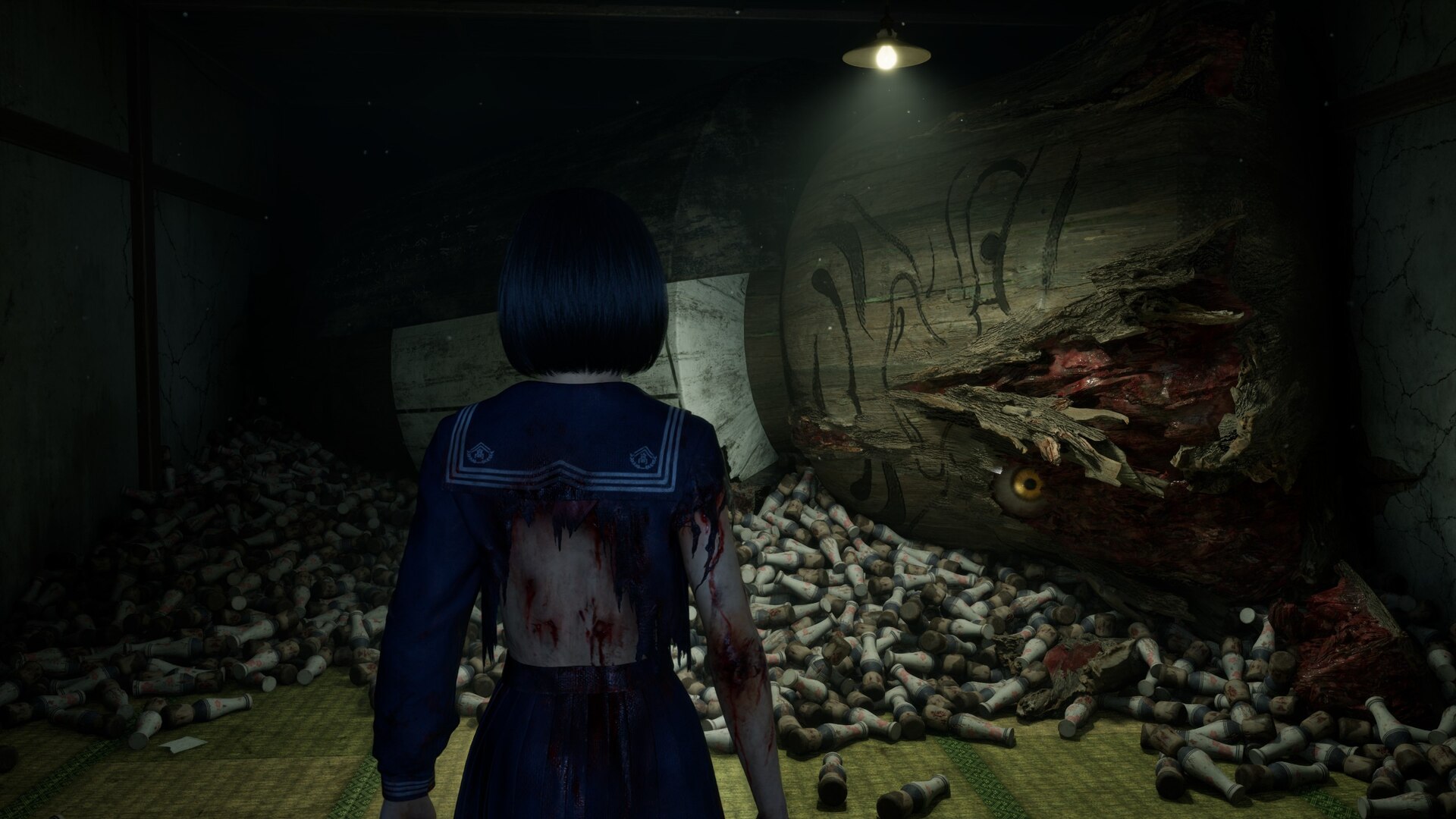
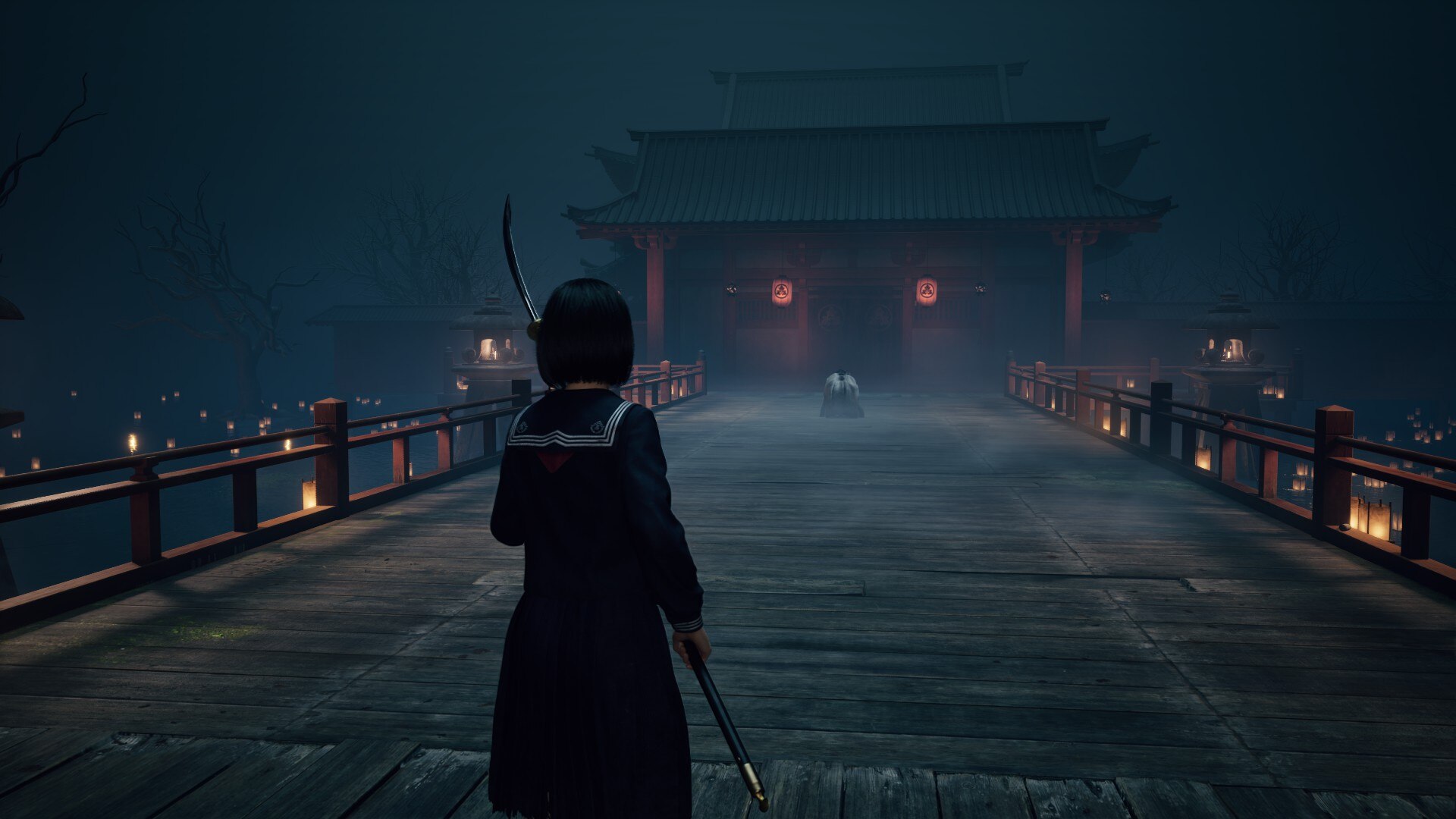
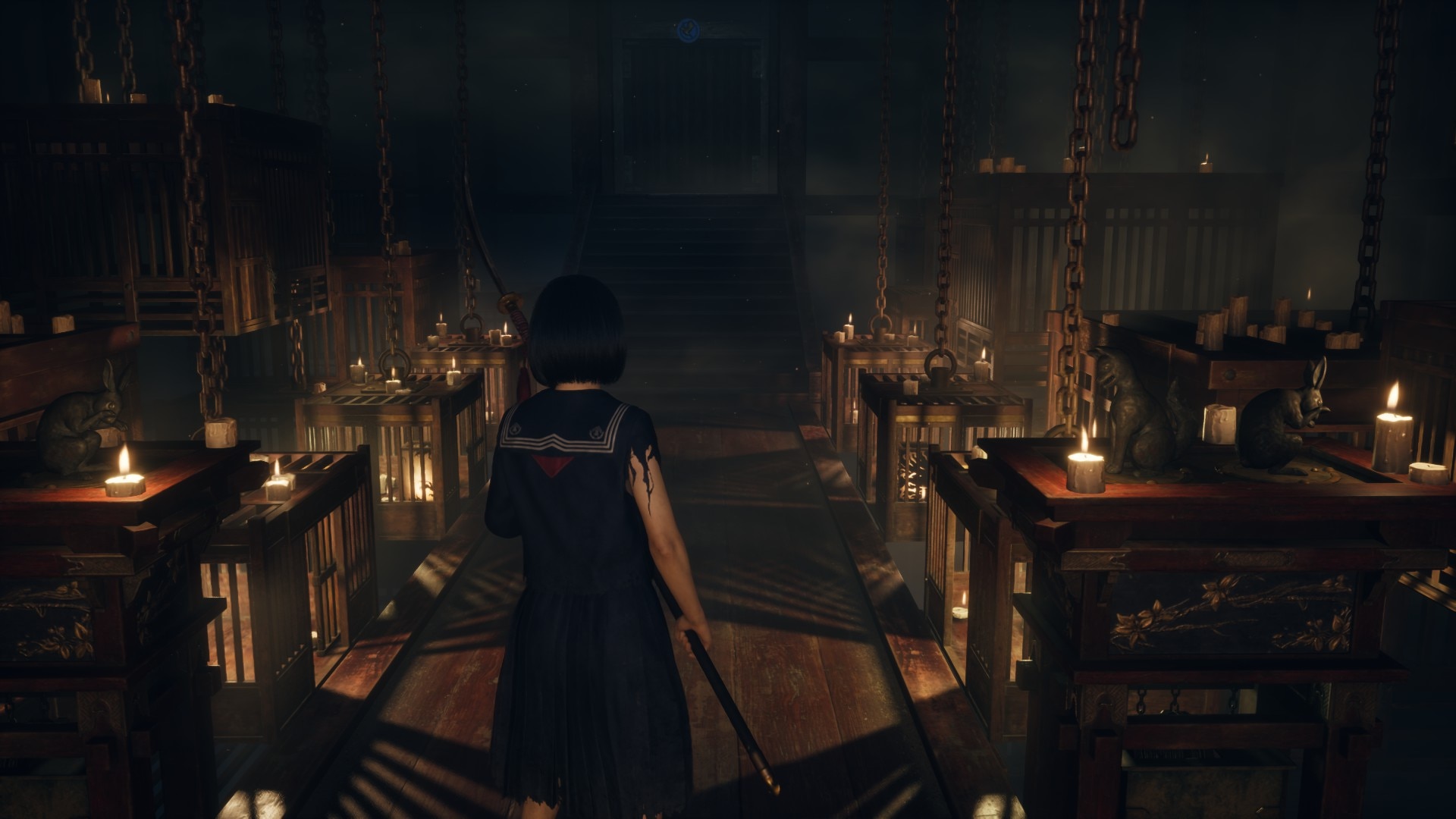
When Konami first announced Silent Hill f, expectations were high and anxious in equal measure. The Silent Hill franchise has always been about more than monsters in the fog; it is remembered as a series that explored guilt, repression, and the darkest corners of the human mind. After years of dormancy, handing the reins to NeoBards was a gamble, especially given that Silent Hill f would shift the setting from the American town fans knew into 1960s Japan. The question was whether a new cultural lens could still deliver the psychological horror that defined the series. The result is a game that is at once familiar and strange: ambitious in its storytelling, captivating in its atmosphere, flawed in its execution, and technically uneven on PC.
Story and Atmosphere
The story of Silent Hill f unfolds in the fictional Japanese town of Ebisugaoka, a rural community that initially seems idyllic but soon reveals itself as hostile, oppressive, and suffused with cruelty. Rather than drawing on American gothic tropes, the narrative roots itself in distinctly Japanese anxieties of the 1960s — a time of rapid modernization, rigid social hierarchies, and harsh expectations placed on the young. The protagonist is an outsider caught in cycles of bullying and discrimination, themes that escalate from mundane cruelty into supernatural horror as the town itself becomes infected with grotesque, parasitic flora.
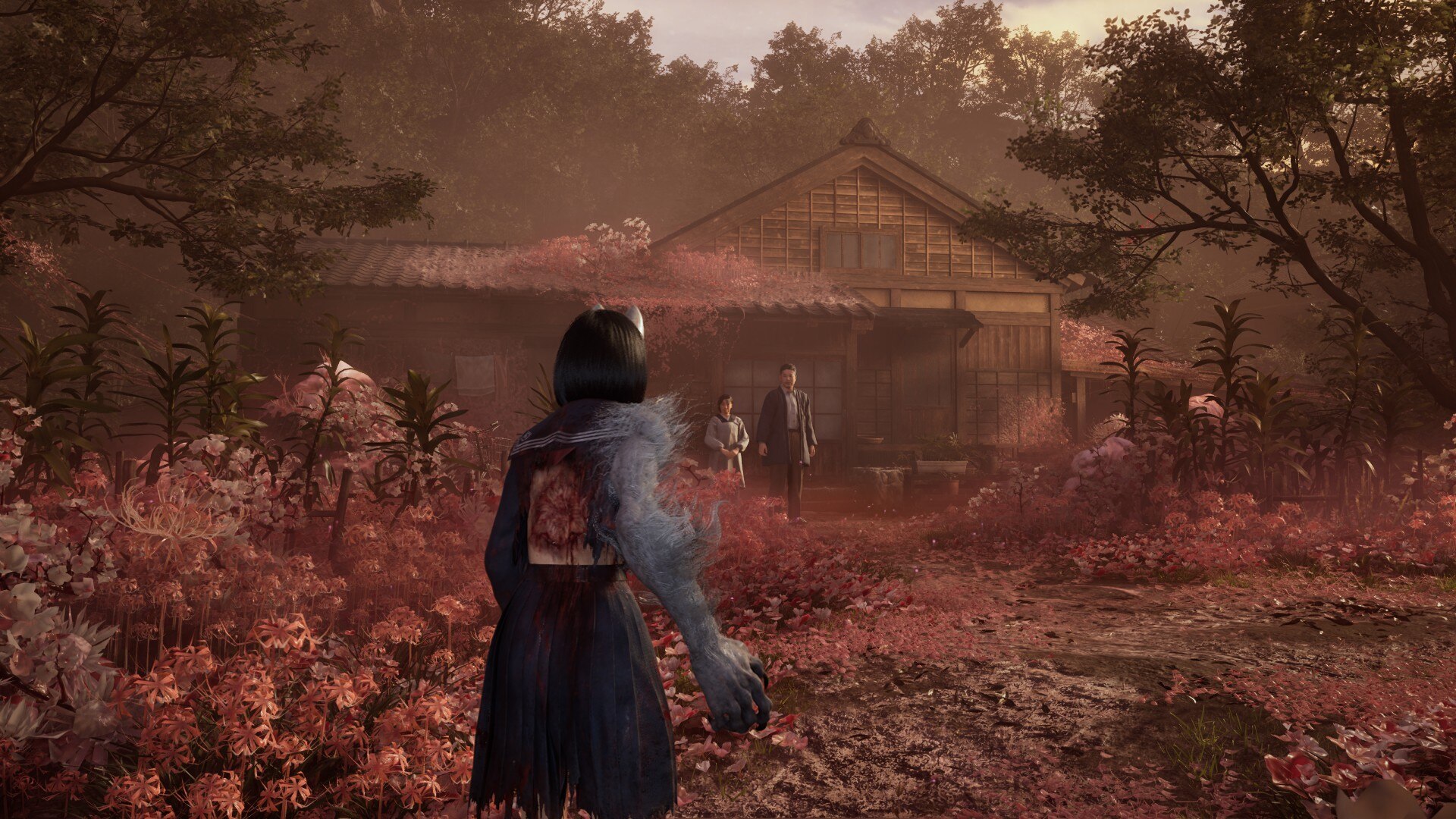
What makes the narrative compelling is its gradual escalation. Early chapters emphasize social tension, and while the pacing here is undeniably slow, the unease builds until the surreal imagery begins to dominate. The oppressive school hallways, the warped family dynamics, and the uncanny blossoming of flowers in places they should not exist all contribute to a sense of dread that grows steadily more suffocating. By the time the story reaches its climax, Silent Hill f has transformed from a quiet period piece into a fever dream of grief, anger, and transformation.
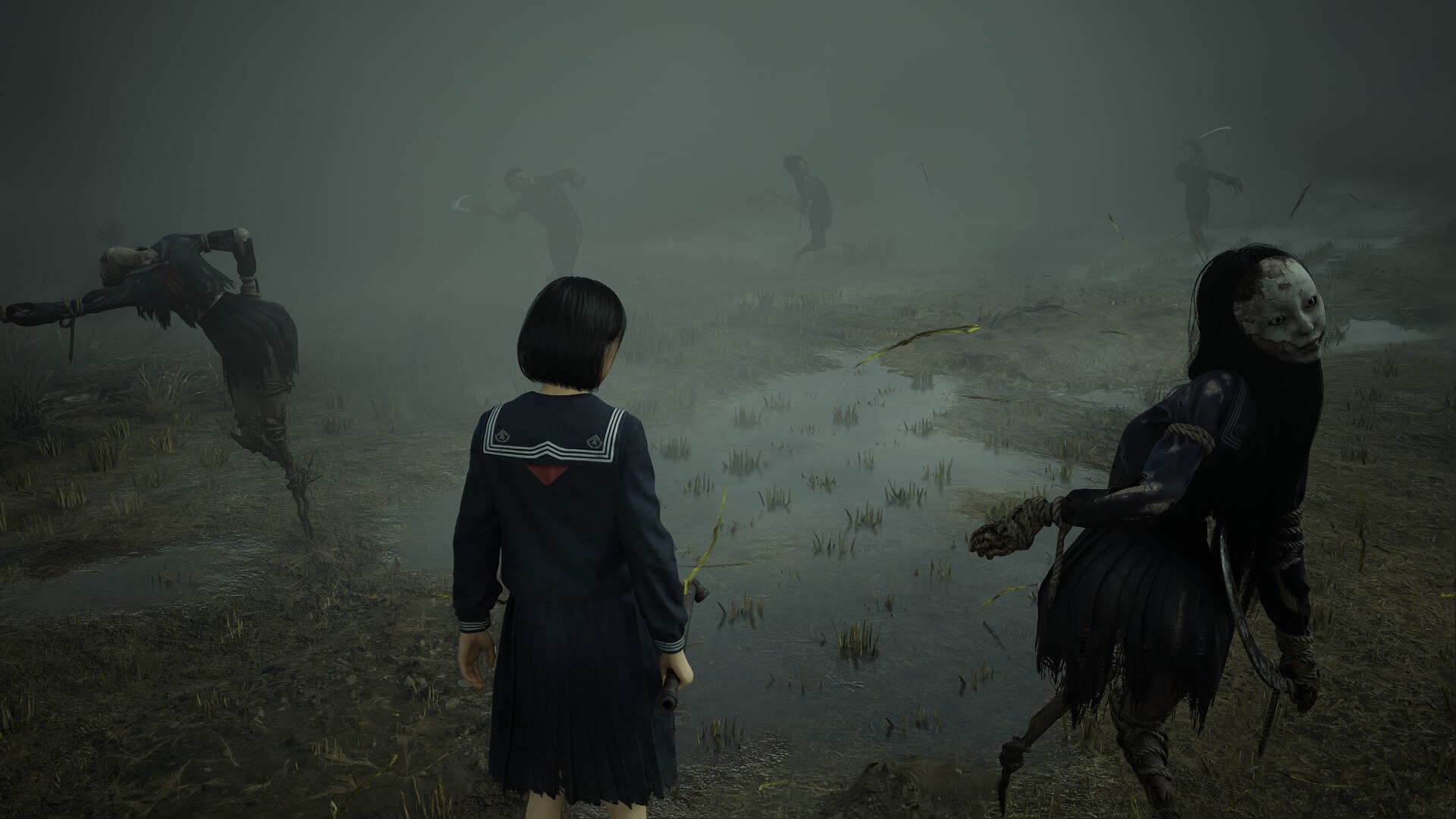
The atmosphere is the true triumph. Fog still cloaks the world, but here it feels heavier, almost choking, as if the town itself is suffused with a sickness. Sound plays a central role: distant footsteps, warped echoes of laughter, and the subtle hum of cicadas in the countryside lend authenticity while simultaneously undermining the player’s sense of safety. The music, spare and unsettling, reinforces the mood without overwhelming it. In these moments, Silent Hill f captures the essence of what the series was always meant to be — a mirror held up to our fears, both personal and societal.
Gameplay and Puzzles
In its structure, Silent Hill f hews closely to the series’ roots. Players navigate claustrophobic environments, search for clues, and solve puzzles that gate progression. The design philosophy is one of immersion: the puzzles are rarely abstract diversions but instead grow naturally out of the environment. A locked cabinet might require knowledge gleaned from a character’s diary; a mechanism may demand a tool found only after carefully inspecting a decrepit classroom.
Puzzle difficulty can be customized, a thoughtful addition that allows players to choose between a story-first experience or a more challenging, logic-heavy one. At its best, the puzzle design encourages close observation and rewards patience. At its worst, it lapses into old-fashioned obscurity, demanding trial and error rather than insight. Backtracking is sometimes required, and while this reinforces the sense of entrapment, it can occasionally test patience rather than heighten tension.
Progression is linear, but within that linearity, the game is meticulous in how it parcels out information. Notes, overheard whispers, and shifting environmental details encourage players to piece together not just how to advance but why the world is decaying in the way it is. The act of exploring Ebisugaoka becomes as much about reconstructing a cultural and psychological landscape as it is about moving from one chapter to the next.
Combat and Survival
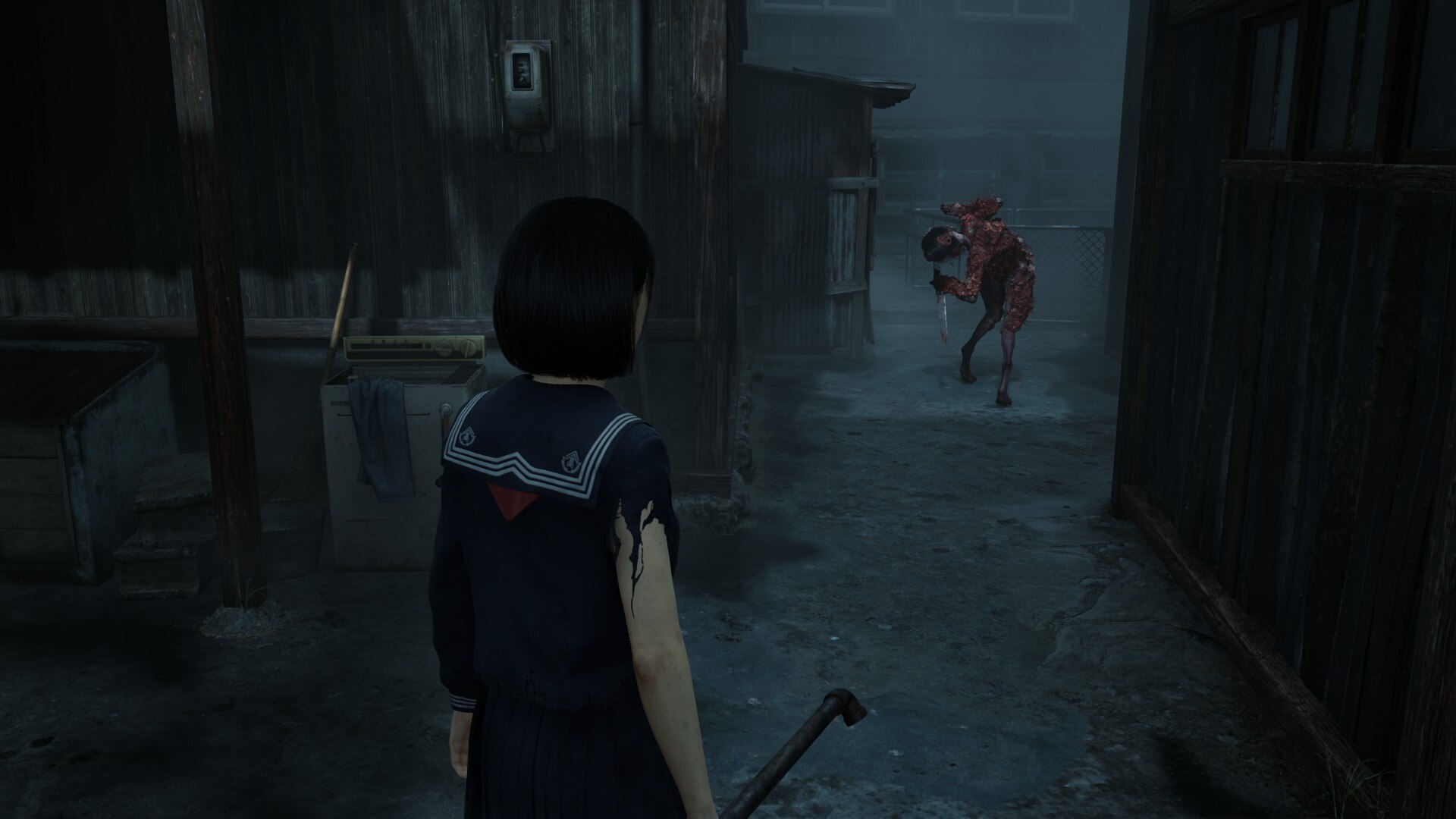
Where Silent Hill f falters most noticeably is in its combat. Encounters are staged sparingly, more as punctuation than as constant gameplay loops, but the mechanics themselves feel stiff. Enemy design is imaginative, with creatures that are both biologically grotesque and symbolically resonant, but fighting them is rarely satisfying. Attacks lack weight, and movement can feel sluggish, leaving encounters feeling more like interruptions than integrated moments of fear.
This is not to say combat is without purpose. The scarcity of resources and the knowledge that direct confrontation is unreliable often push players toward avoidance, which can heighten tension. Yet in moments when the game demands direct engagement, the mechanical shortcomings become obvious. Those who approach Silent Hill f expecting refined survival-action combat may find themselves disappointed. For players who see combat as incidental to the series’ true focus — atmosphere and psychological storytelling — the shortcomings are easier to overlook, though not invisible.
Visuals and Art Direction
On a purely artistic level, Silent Hill f is remarkable. Built in Unreal Engine 5, the environments are richly textured, with lighting and fog effects that create an oppressive, dreamlike quality. The central visual motif of invasive flora is handled brilliantly: blossoms erupt from wounds, vines crawl across surfaces, and entire buildings become overtaken by unnatural growth. It is grotesque and beautiful in equal measure, and it lends the game a distinctive identity within the franchise.
Character models are expressive, capturing subtle gestures and emotions that make interactions more grounded. The use of color is especially notable; muted palettes dominate early chapters, only for vivid reds and sickly pinks to overwhelm the screen as the horror escalates. It is an effective visual metaphor for the story’s progression from repressed pain to full-blown eruption.
Audio and Voice Acting
If visuals create the world, sound gives it life. Silent Hill f’s audio design is a masterclass in subtlety. Footsteps echo unnaturally, creating paranoia about unseen pursuers. Doors creak and slam with unnerving weight. Silence itself becomes a weapon, stretching moments to unbearable tension before breaking with a sudden auditory shock.
The voice acting is equally strong, grounding the story’s surreal events in convincing performances. Characters feel lived-in, their frustrations and fears communicated with nuance. The score avoids bombast, opting instead for restrained, unsettling compositions that burrow under the skin. This restraint allows the game to avoid the cheap thrills of jump scares, relying instead on an atmosphere that unsettles precisely because it feels so meticulously crafted.
PC Performance and Technical State
Unfortunately, the technical state of Silent Hill f on PC undermines its artistry. While high-end systems can showcase the game at its visual best, performance issues are widespread. Players report shader compilation stutter, erratic frame pacing, and dips in performance even on modern GPUs. The game demands a solid-state drive to run smoothly, and even then, inconsistencies remain.
System requirements are steep, with recommended specifications including a six-core CPU, 16 GB of RAM, and a GPU equivalent to an RTX 2080 or RX 6800XT. Those with mid-range hardware may find themselves forced to lower post-processing effects or disable ray tracing to achieve stable performance. Even then, framerate caps are often necessary to smooth out pacing.
Konami has acknowledged these issues and promised patches, but at launch, PC players must either endure technical hiccups or wait for optimizations. It is a frustrating reality for a game so reliant on immersion, as stutter or slowdown can puncture the carefully constructed atmosphere.
Replayability and Value
Silent Hill f is not designed to be endlessly replayed. The main campaign runs between twelve and fifteen hours depending on puzzle difficulty and exploration. There are reasons to return — collectible lore items, multiple difficulty settings, and the desire to see alternate endings — but the game is fundamentally a single, cohesive narrative experience. For fans of story-driven horror, this is not a flaw but a deliberate design choice. The value lies in the intensity of the journey rather than its duration.
Final Verdict: 8.5/10
Silent Hill f is both a bold reinvention and a faithful continuation. By shifting the setting to 1960s Japan, it revitalizes the franchise with fresh cultural context while preserving the psychological intensity that defined its best entries. Its narrative is thematically rich, its atmosphere suffocatingly effective, and its audio design exemplary. Yet it is held back by combat that fails to engage and by technical performance that frustrates on PC.
For those who seek a haunting story and are willing to forgive mechanical awkwardness, Silent Hill f is essential. It is a horror experience that lingers long after the credits, not because of its combat or puzzles, but because of its imagery, themes, and soundscape. For players who demand polished mechanics or flawless performance, it may be wise to wait until optimization patches arrive.