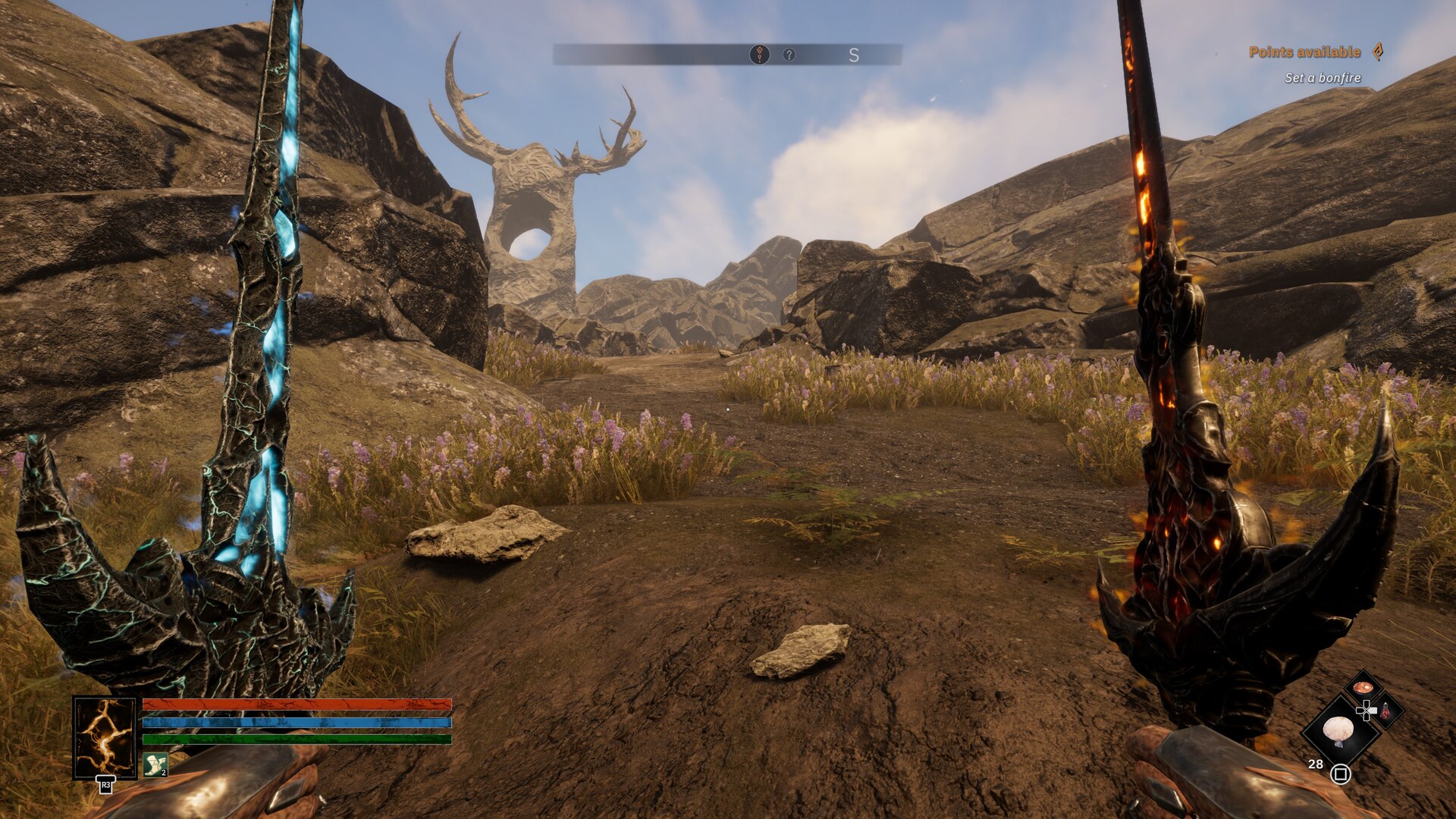
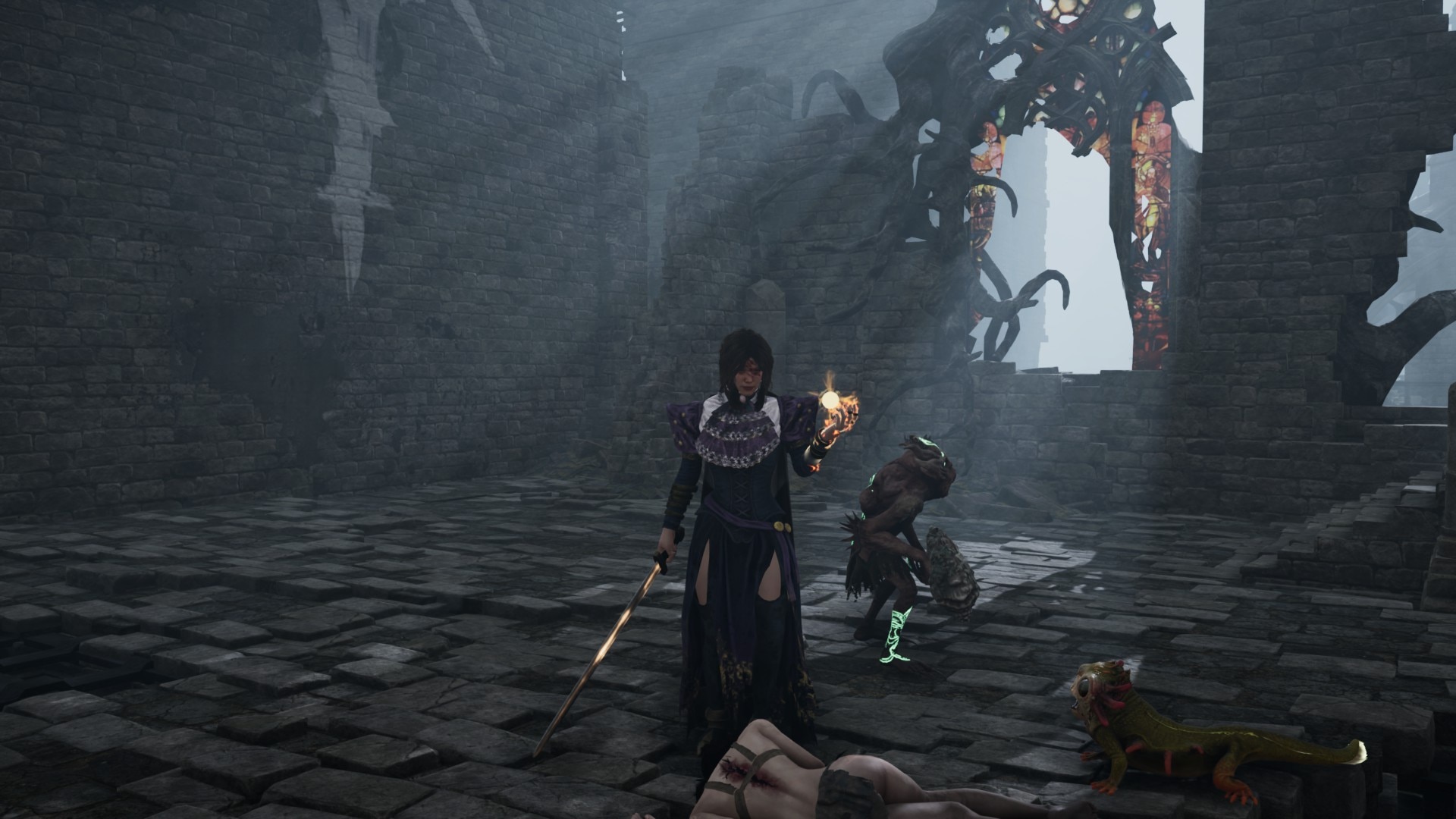
Tainted Grail: The Fall of Avalon is an open-world RPG that reimagines Arthurian myth through a grim, post-apocalyptic lens. Developed by indie studio Questline and based on the board game Tainted Grail, the title blends classic first-person RPG mechanics with dark fantasy storytelling, promising a vast world shaped by player choice and systemic gameplay.
Its roots are unmistakably nostalgic—calling to mind The Elder Scrolls IV: Oblivion—but this is not a game about nostalgia. Rather, The Fall of Avalon feels like a love letter to the genre, written in blood and fog, with aspirations far beyond its technical constraints. The result is a compelling but uneven experience: narratively rich and deeply immersive, but hindered by frustrating combat and technical instability.
World-Building & Setting
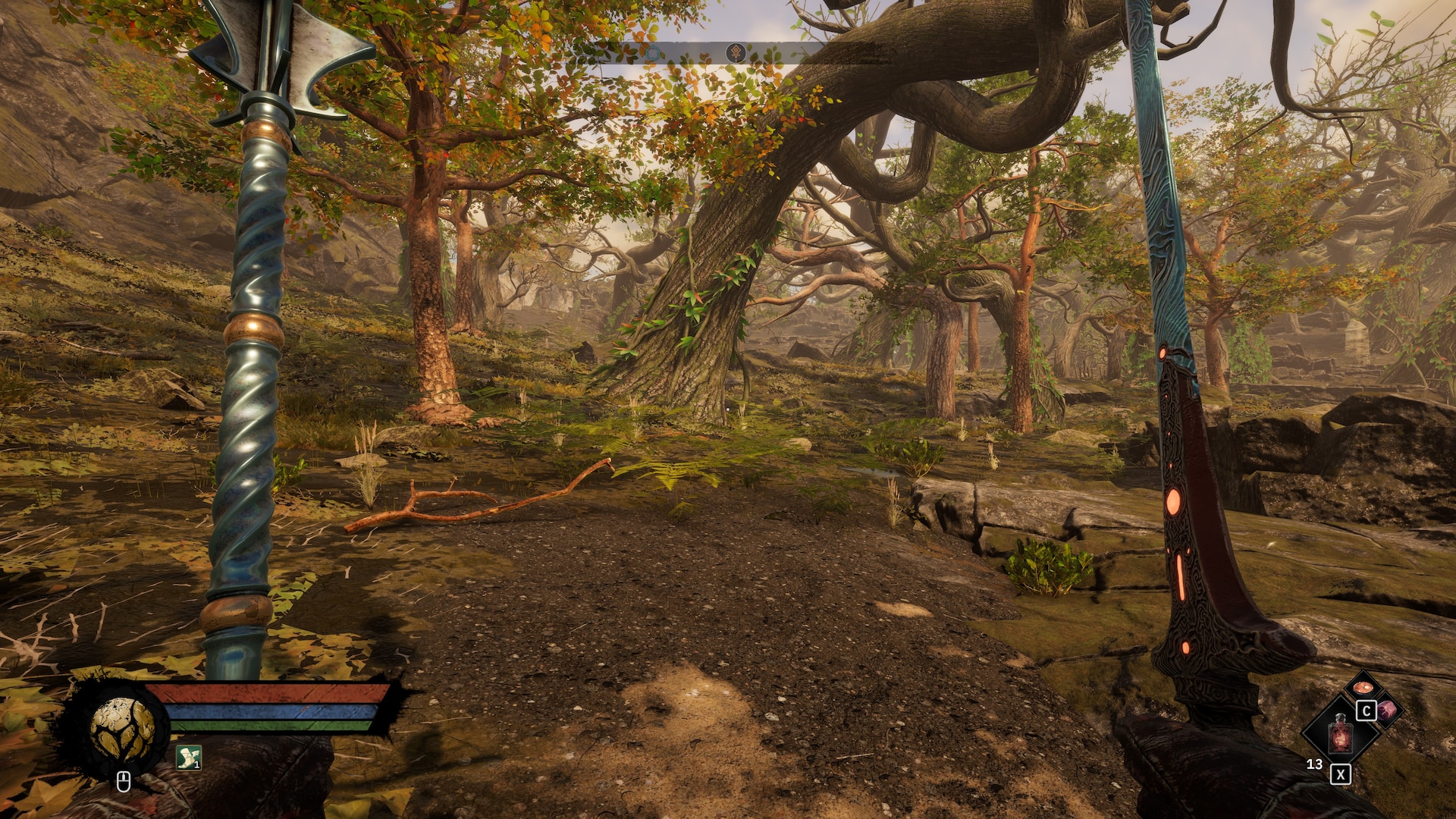
The game’s strongest suit lies in its atmospheric world-building. Avalon, once a land of heroes and honor, is now suffocating under the influence of the Wyrdness—a malevolent fog that distorts time, space, and sanity. This bleak backdrop is more than window dressing; it informs nearly every aspect of the game’s tone, design, and structure.
Each region, from the mist-drenched forests of the Horns of the South to the desolate shores of Forlorn Swords, is steeped in environmental storytelling. Lore is layered throughout the world—etched into crumbling ruins, whispered by broken NPCs, and buried in scattered journals. Exploration is consistently rewarding, both mechanically and narratively.
Despite a modest budget, The Fall of Avalon offers a world that feels handcrafted and lived-in. Its visuals may not rival AAA counterparts, but its direction—the interplay of light, shadow, and decay—crafts a setting that feels genuinely oppressive, yet irresistible to uncover.
Narrative & Choice
You begin as a prisoner awakening to a shattered world. King Arthur is dead—or perhaps worse—and the island of Avalon has descended into chaos. The player quickly becomes entangled in factional struggles, ancient magic, and moral ambiguity. Rather than a singular antagonist or binary morality, The Fall of Avalon leans into gray areas and uncertain motives.
There are over 200 fully voice-acted quests, many of which branch based on dialogue choices, skill checks, and faction alignment. Role-playing is meaningful. Decisions echo across the story, impacting relationships, territory control, and even quest availability.
Narrative design is non-linear without being overwhelming. Main story beats are clear, but the game consistently tempts you off the beaten path—often with more interesting results than the critical objectives. Some players may find the pacing inconsistent, particularly in the third act, but the writing maintains intrigue throughout.
Gameplay
Combat is functional but far from refined. Melee mechanics suffer from stiff animations, unreliable hit detection, and awkward parry timing. Ranged combat is more consistent but lacks feedback. Magic offers the most variety—particularly with dual-cast spell combinations—but it’s also undercut by visual jank and poor AI response.
Enemy behavior is inconsistent. Some enemies flank and use terrain intelligently; others break completely—glitching into walls, getting stuck in loops, or standing idle. Boss encounters attempt to inject spectacle but are often undone by these same limitations.
Combat becomes more manageable—and occasionally enjoyable—as you gain skills and gear, but it never reaches the standard set by other RPG contemporaries. Those expecting fluidity or precision should temper expectations.
Character Progression
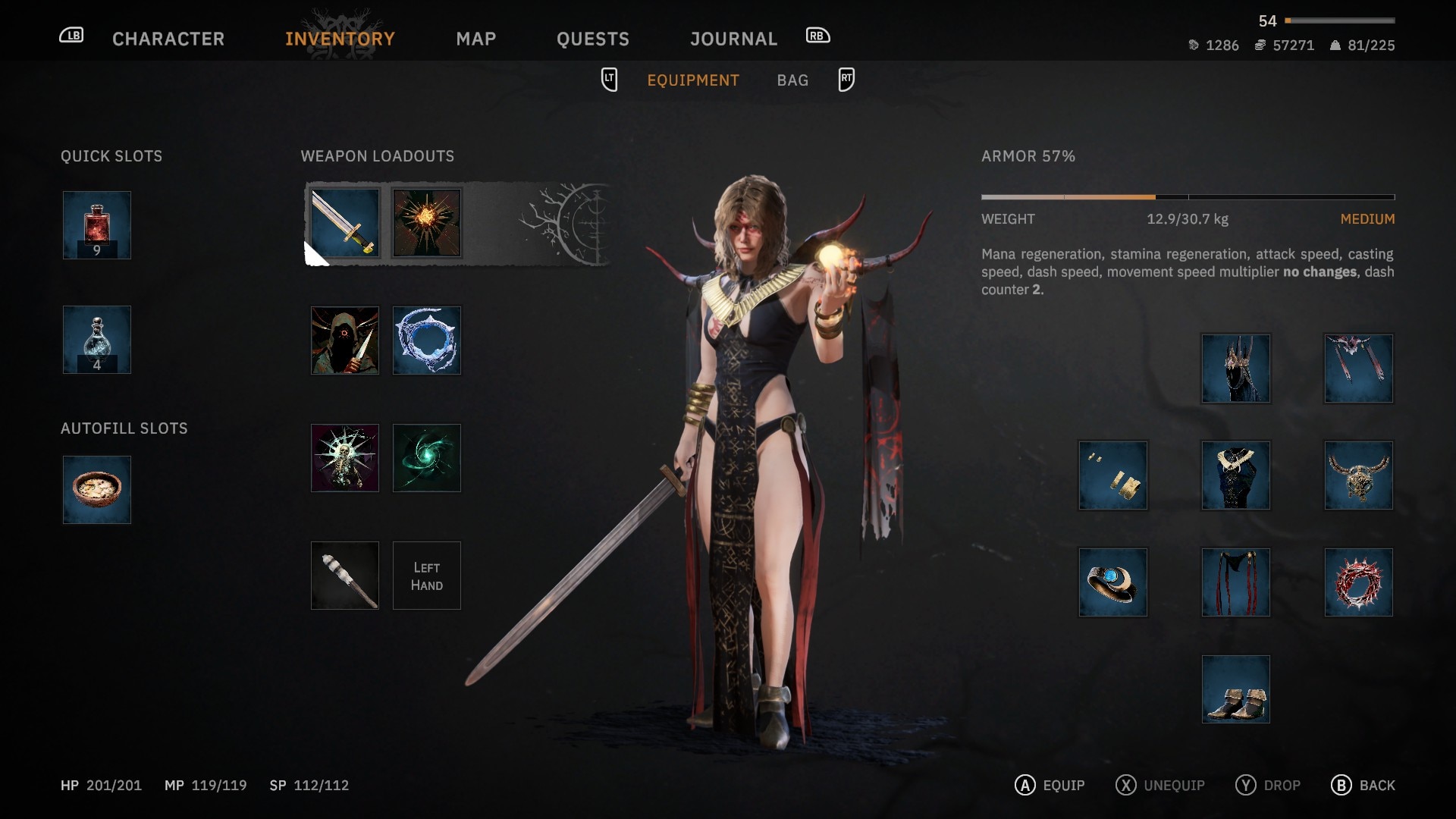
There are no traditional classes. Instead, The Fall of Avalon adopts a use-based progression system, where attributes like Strength, Dexterity, or Wisdom increase naturally through play. This system promotes experimentation and rewards investment in unique builds—whether you’re a dual-wielding berserker, stealth-based archer, or staff-wielding necromancer.
Skill trees and equipment further diversify your options. There’s a surprising degree of depth here: players can mix melee combat with elemental magic, craft poisons, or enhance gear at forges. The flexibility is welcome and reminiscent of older RPGs that let systems emerge naturally rather than prescribe them.
Crafting, Survival, and Exploration
Beyond combat, Tainted Grail offers survival mechanics influenced by the encroaching Wyrdness. Players must manage light sources, rest, and sanity—particularly when venturing deep into corrupted zones. It adds tension early on but can feel burdensome in the late game.
Crafting systems are deep and well-integrated. From forging weapons to brewing potions and enchanting armor, the game encourages investment in auxiliary skills. Exploration often yields rare ingredients and gear blueprints, tying the systems together in satisfying ways.
Audio & Visual Presentation
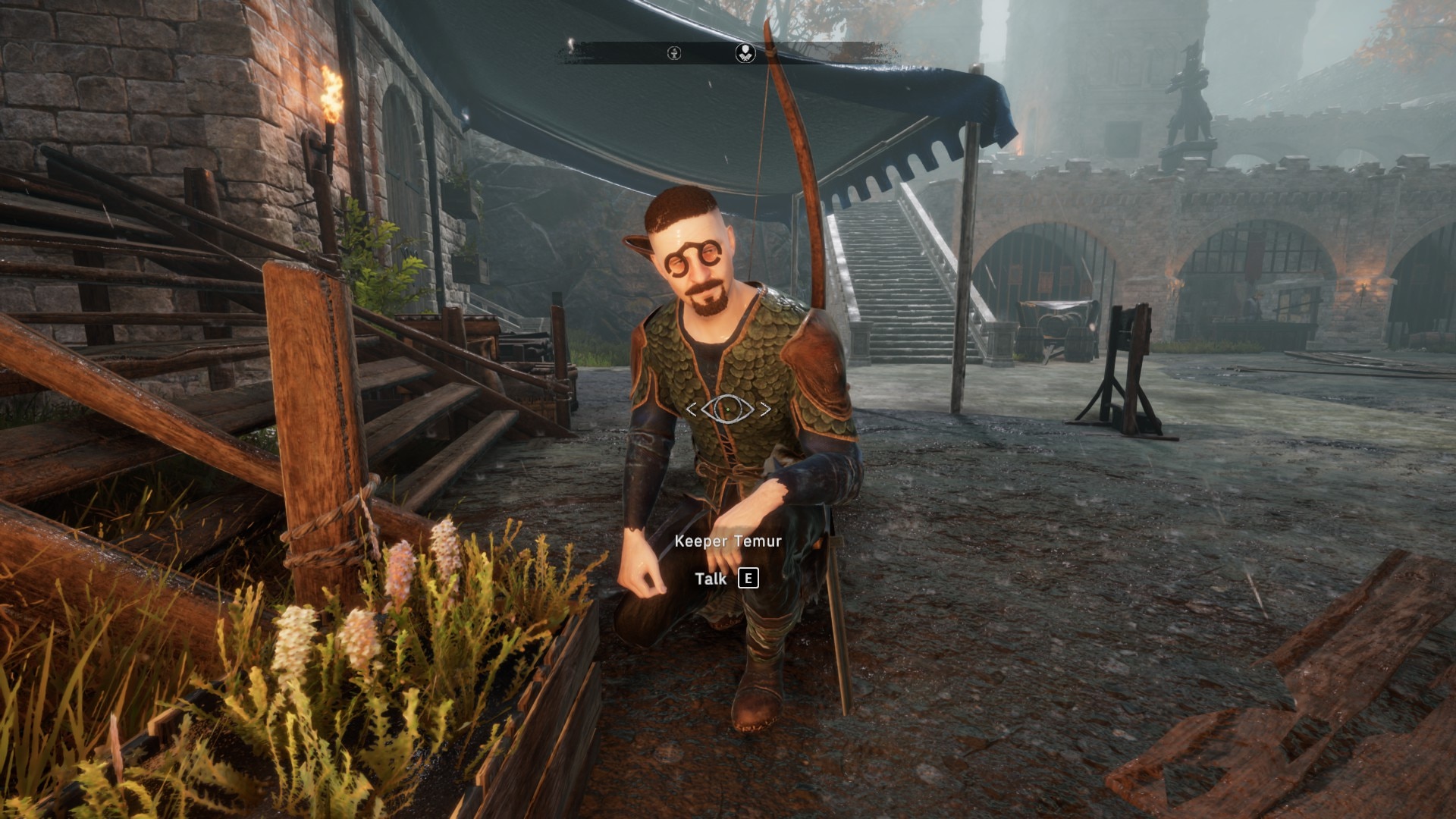
Visually, The Fall of Avalon is rough around the edges. Textures are uneven, animations can be stilted, and facial expressions rarely match emotional delivery. Yet the overall aesthetic—dark forests lit by flickering torches, eldritch corruption spreading through once-holy places—manages to evoke strong atmosphere.
The audio work, particularly the soundtrack, elevates the experience. Composer Piotr Musiał (known for Frostpunk) delivers a moody, melancholic score that shifts organically between exploration and combat. Voice acting is serviceable overall, with several standout performances despite some stiff delivery in lesser quests.
Performance & Technical Stability
Performance is the most significant blemish on Tainted Grail’s otherwise compelling experience. On a modern mid-range system, frame drops, texture pop-in, long load times, and even full crashes occurred regularly. Autosaves and patches mitigate major progress loss, but the issues persist across many configurations.
Questline has acknowledged these issues and committed to ongoing support—but as of this review, the technical state remains a barrier for many players. It’s not unplayable, but it demands patience.
Final Verdict: 8/10
Tainted Grail: The Fall of Avalon is a game of contrasts. It’s richly imagined yet technically unpolished; narratively ambitious yet mechanically inconsistent. For players drawn to dark fantasy, moral complexity, and emergent character builds, it offers a unique and memorable journey through a myth twisted by despair. But those seeking refined combat, visual fidelity, or seamless performance may find the experience frustrating.
In many ways, it’s the spiritual successor to the kinds of RPGs that no longer get made: messy, mysterious, and filled with heart. Tainted Grail may not be perfect, but it’s undeniably captivating.