System Shock 2 stands as one of the most influential immersive sims ever made, blending first-person shooter mechanics with RPG elements and a deep, unsettling sci-fi horror narrative. Over two decades since its original 1999 release, Nightdive Studios has taken on the ambitious task of remastering this classic for its 25th anniversary. The goal was to modernize the experience for contemporary audiences while preserving the core atmosphere and gameplay that made it a cult favorite.
After extensive time with the PC version, I can confidently say that the System Shock 2: 25th Anniversary Remaster strikes a commendable balance between nostalgia and modernization — although some rough edges remain.

Visuals and Presentation
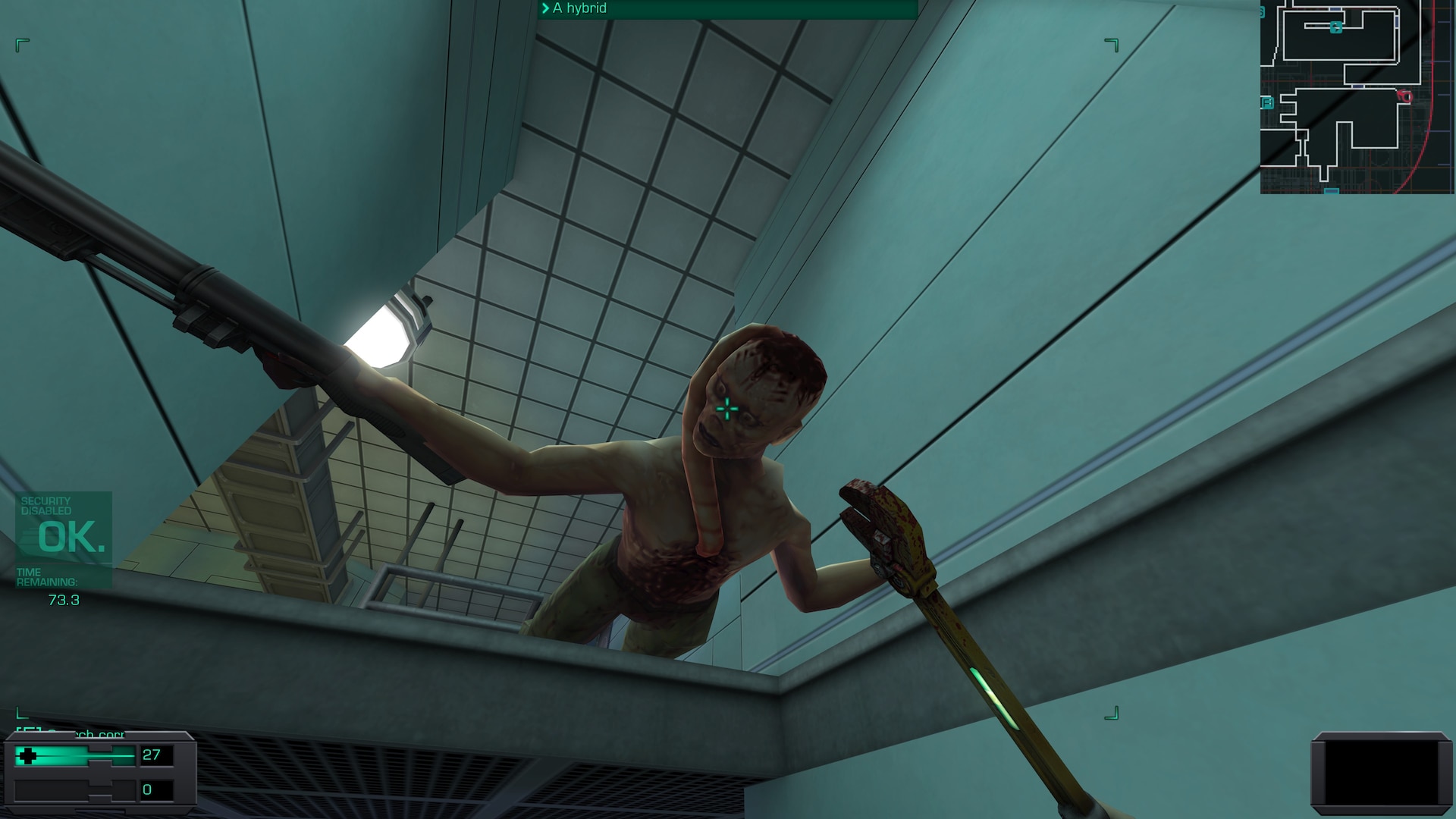
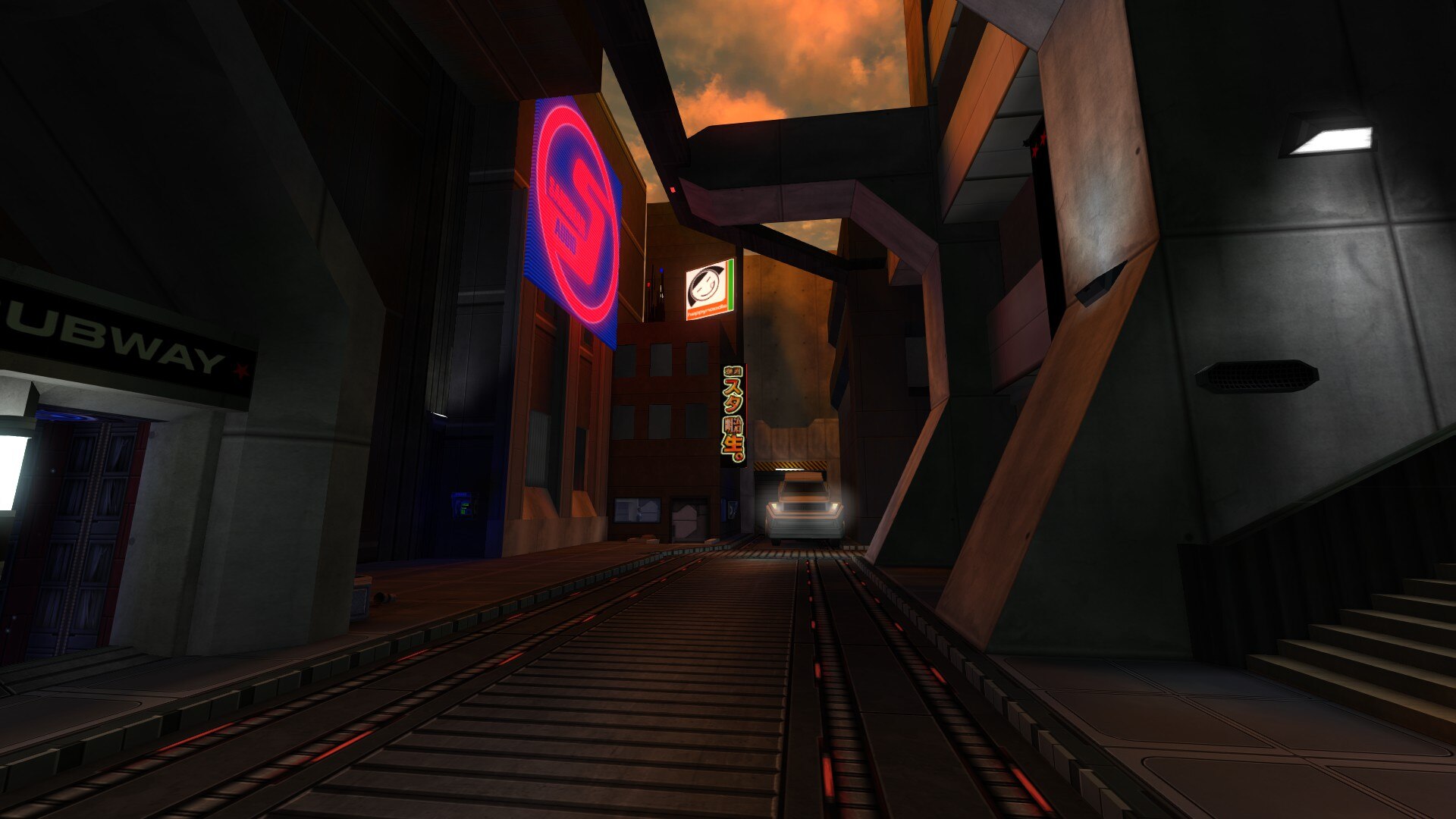
The first thing that jumps out is how well Nightdive has updated the graphics without betraying the original’s gritty, claustrophobic aesthetic. The game runs on Nightdive’s proprietary KEX engine, which allows for native 4K resolution support and uncapped frame rates, with smooth performance even on mid-range hardware.
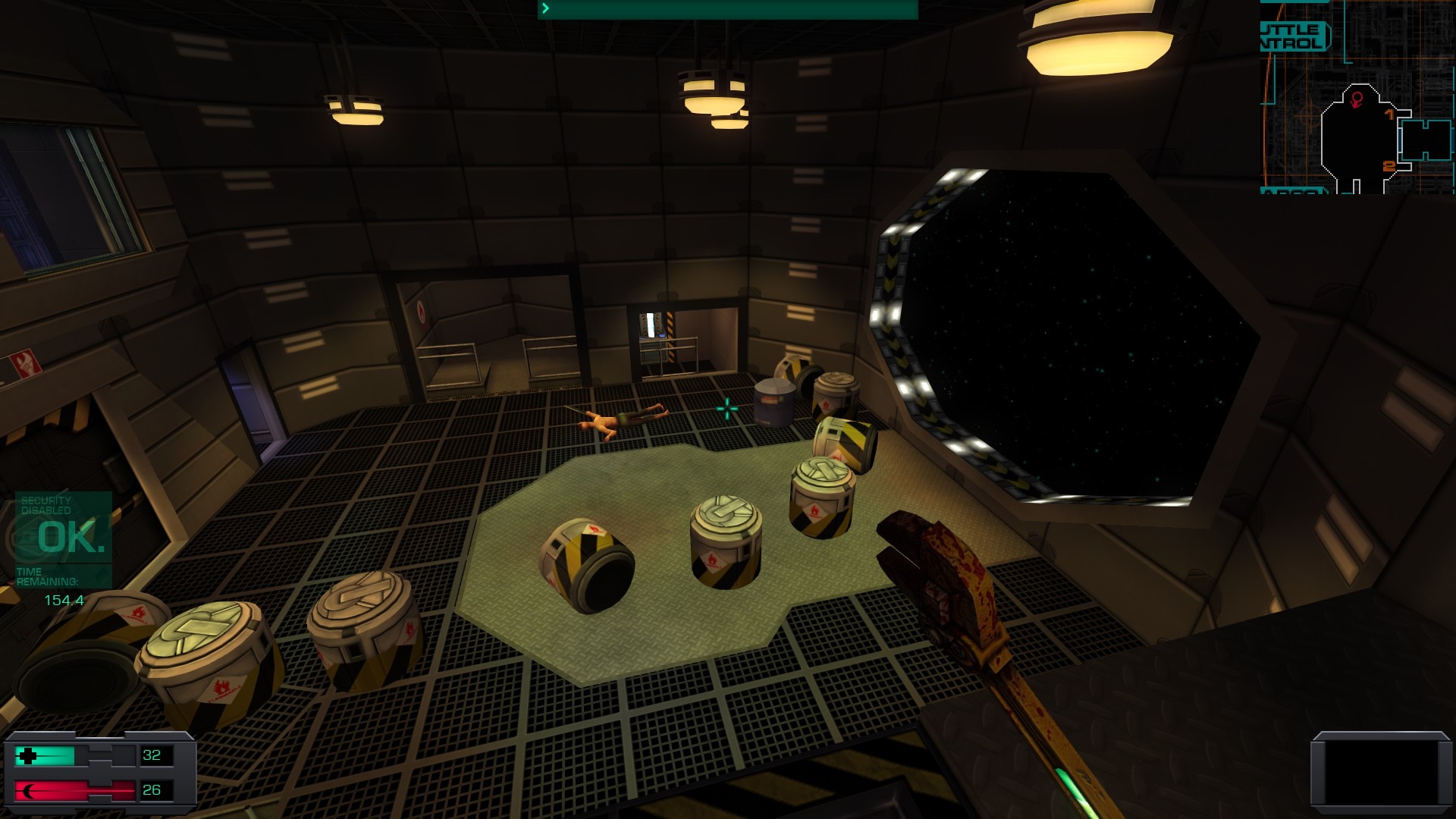
Character models, environmental textures, and lighting have all been overhauled with higher resolution assets and improved shaders. Effects like ambient occlusion and bloom add atmosphere without feeling overdone. The art direction remains faithful to the original, which is crucial, as the retro sci-fi horror vibe is a huge part of the game’s identity.
That said, some textures still feel flat or less detailed compared to the best fan-made mods from the community, who have been lovingly updating the game’s assets for years. The remaster’s art upgrades are impressive, but perfection remains elusive.
Gameplay and Mechanics
System Shock 2’s core gameplay remains intact: a complex blend of survival horror, FPS combat, and RPG progression. Players customize their character’s skills and choose a career path (Marine, Navy, or OSA), allowing for varied playstyles — from gun-heavy combat to hacking and psi-powered abilities.
Combat is tense and unforgiving, emphasizing ammo conservation, weapon maintenance, and tactical use of limited resources. The addition of co-op multiplayer is a welcome innovation, allowing you to experience the eerie corridors of the Von Braun alongside a friend, which adds new dynamics without undermining the game’s tension.
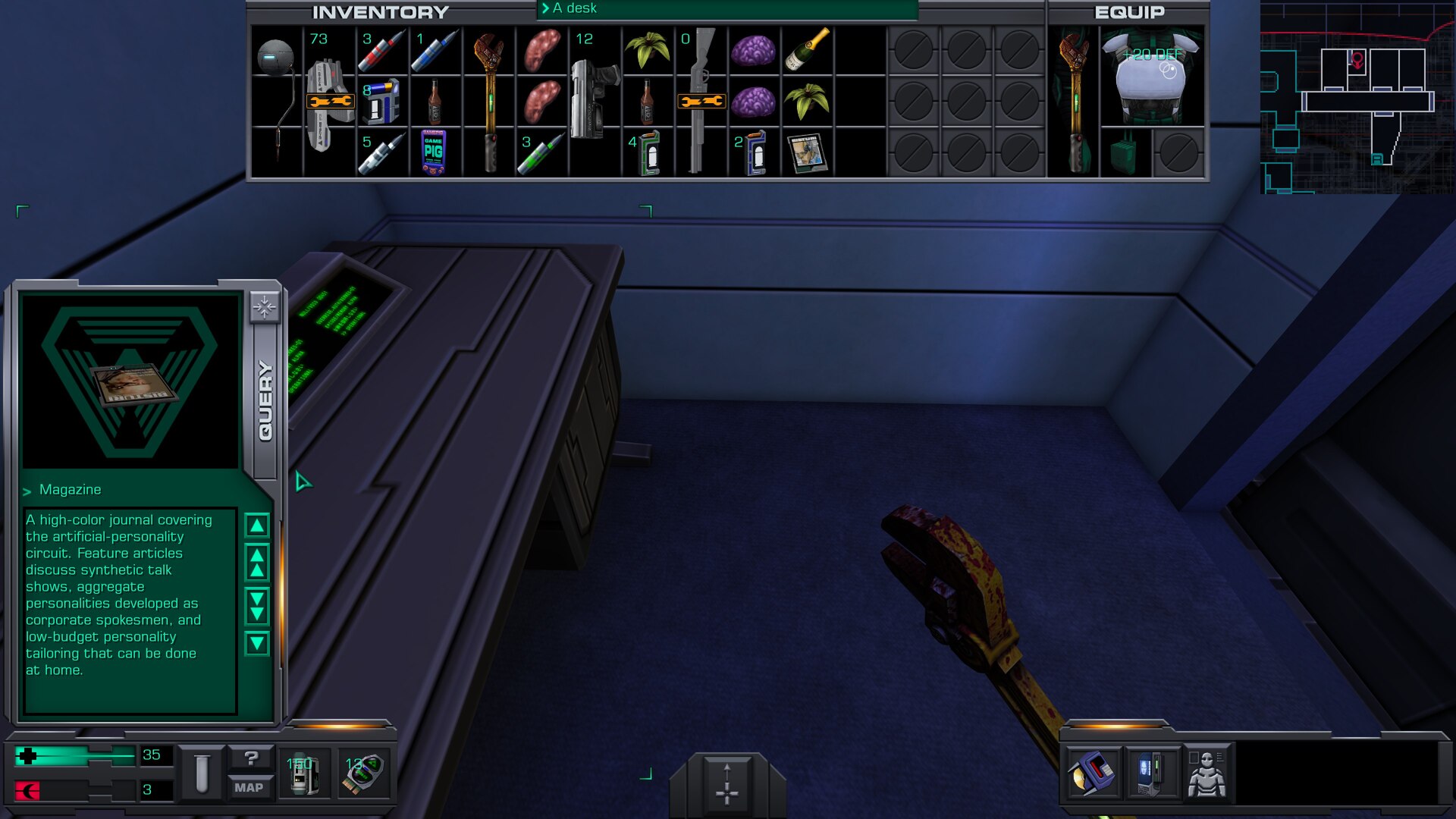
Inventory management retains the classic grid-based system. This is where the game shows its age: swapping items mid-combat can be frustrating and sometimes clunky. Quality-of-life improvements such as remappable controls, quickbars, and controller support help, but this system is still a barrier for some players.
Controls and User Experience
Nightdive has clearly prioritized accessibility, adding native controller support with intuitive layouts, full keyboard and mouse remapping, and support for modern widescreen and ultra-widescreen displays. This broad support extends to handheld devices like the Steam Deck, where the game runs smoothly and retains a playable frame rate, a significant achievement given the complexity of the game.
Still, newcomers should brace for a steep learning curve. The interface, while functional, is dense and can feel overwhelming at first. Some of the tutorials and tooltips are still limited, making early gameplay somewhat intimidating.
Audio and Atmosphere
System Shock 2’s sound design remains one of its strongest assets. The remaster preserves the haunting ambient noises, SHODAN’s chilling voice acting, and the environmental audio cues that ratchet up tension. These elements contribute to an immersive and genuinely unsettling atmosphere, crucial for the survival horror experience.
Technical Performance
On modern PCs, the game is well-optimized, running at high frame rates with minimal bugs or crashes. However, some users report occasional collision glitches and pathfinding issues — remnants of the original’s complexity. Enemy respawns can sometimes feel punitive if you reload a saved game, though this is faithful to the original design.
Multiplayer runs smoothly via peer-to-peer connection, and the built-in mod manager makes it easy to access community content without leaving the game, a thoughtful addition for veteran fans and newcomers alike.
What Could Be Improved
* Inventory Management: While traditionalists may appreciate the original grid system, it often interrupts combat flow and requires micromanagement that can frustrate modern players. A rework or alternative “streamlined” mode would have been a welcome addition.
* Visual Fidelity: Though the remaster looks great, it doesn’t fully match the ultra-high-res textures and lighting effects offered by the best community mods. There’s room to push the envelope further.
* Difficulty Balance: The game remains punishingly difficult by design, with scarce ammo and enemy respawns that can feel unfair. Some players may find this off-putting without adjustable difficulty options.
* Minor Bugs: A handful of collision and AI pathfinding glitches persist. These don’t break the game but can momentarily disrupt immersion.
Final Verdict: 8.5/10
System Shock 2: 25th Anniversary Remaster is an outstanding example of how to honor a classic while making it accessible to a new generation. Nightdive Studios has done a remarkable job preserving the game’s essential identity — its complex gameplay, spine-tingling atmosphere, and narrative depth — while enhancing its technical foundation and usability.
If you’re a fan of immersive sims, survival horror, or sci-fi RPGs, this remaster is a must-play. It captures the eerie isolation of the Von Braun station, the menace of SHODAN, and the intricate gameplay systems that made the original so special. New players will find it challenging but rewarding, and veterans will appreciate the careful polish and modern conveniences.