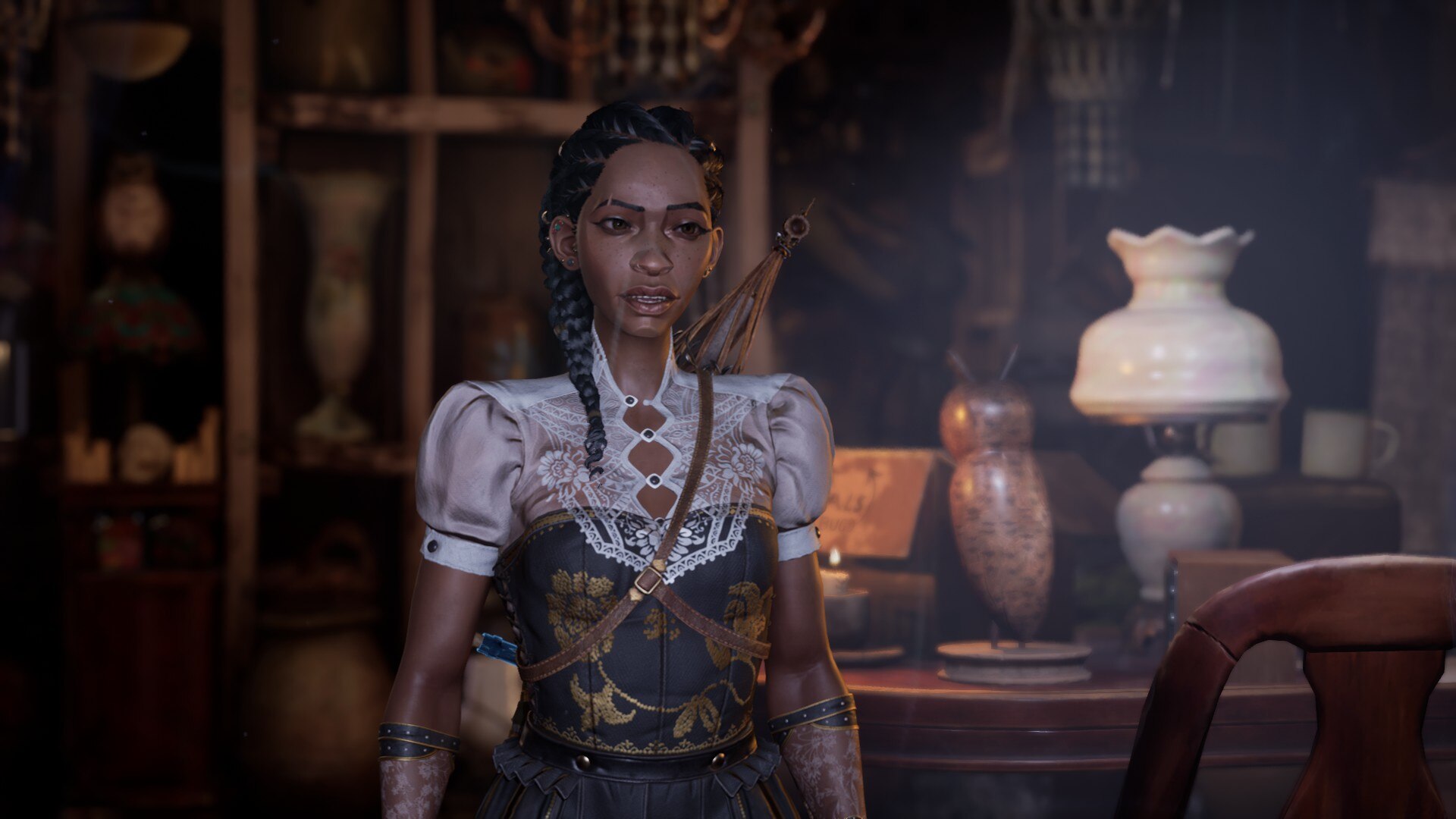
South of Midnight is an ambitious third-person action-adventure title that blends folklore, family drama, and supernatural mystery against the evocative backdrop of the American Deep South. Developed by Compulsion Games (Contrast, We Happy Few), the game introduces players to Hazel Flood, a young woman who discovers her role as a “Weaver”—a mystical figure tasked with repairing broken bonds between spirits and the living—after a devastating hurricane upends her hometown.
The game leans heavily on atmosphere and storytelling, exploring themes of grief, generational trauma, and the power of community, all while wrapped in a distinctly Southern Gothic aesthetic. With its visually striking stop-motion-inspired animation and culturally rich narrative, South of Midnight offers a unique experience—even if its gameplay occasionally struggles to match its artistic ambitions.
Visuals and Art Direction
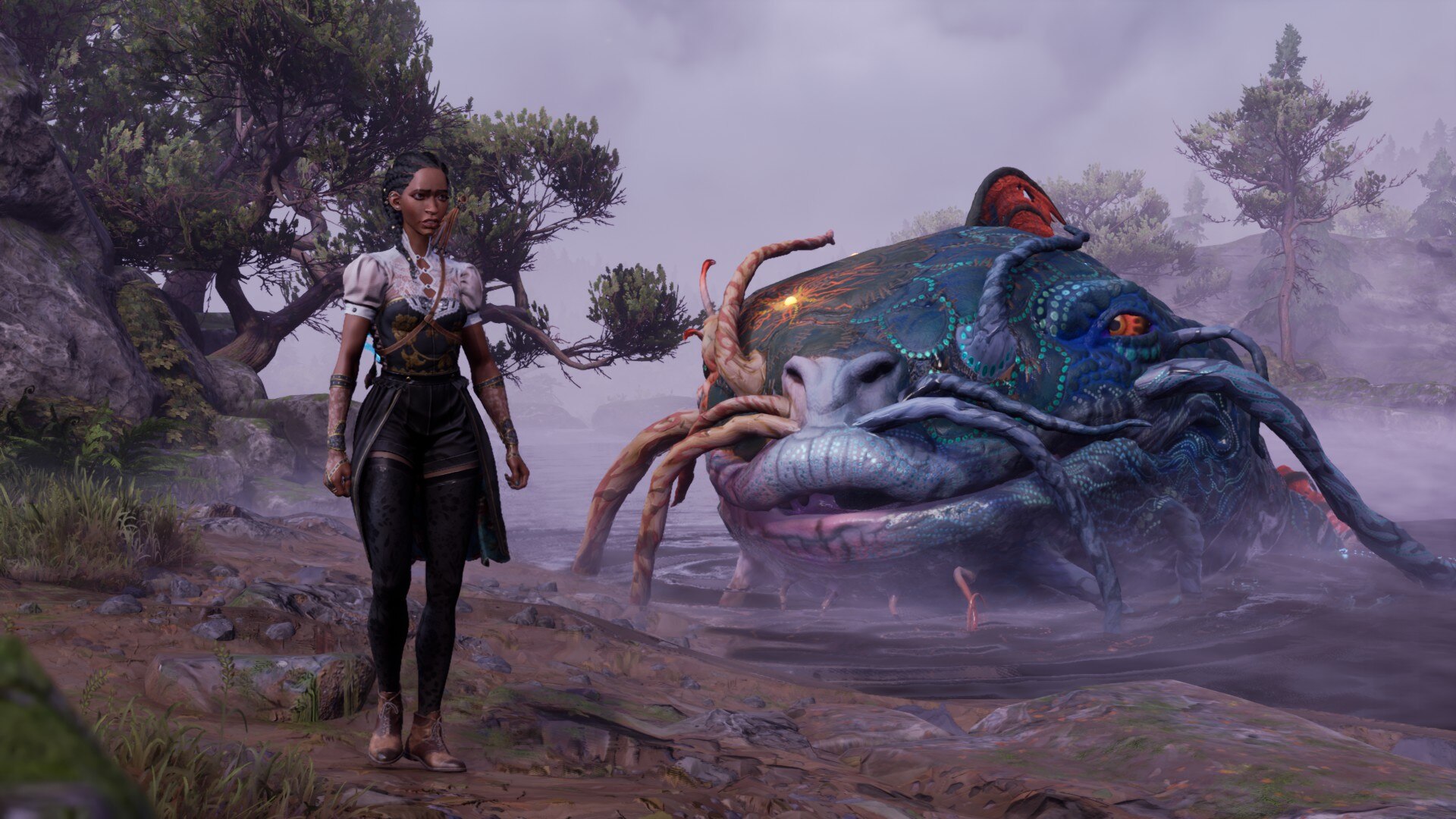
One of South of Midnight’s most memorable qualities is its bold, hand-crafted visual style. Inspired by stop-motion animation and Southern folk art, the game uses stylized clay-like character designs and maquette-based cutscenes produced in collaboration with Clyde Henry Productions. The result is a visual identity that feels both tactile and surreal, perfectly suiting the game’s blend of fantasy and Southern mysticism.
Each environment—from moss-covered swamplands to decaying homes and spectral dreamscapes—feels alive with detail. The palette alternates between earthy tones and vivid, spectral hues, reinforcing the idea that the world is teetering between the natural and the supernatural. While not technically cutting-edge in terms of fidelity, the game’s cohesive and imaginative art direction makes it stand out among its peers.
Narrative and Themes
At its heart, South of Midnight is a deeply personal story. Hazel’s journey to rescue her mother and uncover her family’s past is laced with symbolic encounters and folklore creatures known as “Haints.” These supernatural beings—drawn from Southern legend—aren’t just enemies; they’re narrative devices representing unresolved pain, history, and identity.
The script handles regional dialects and cultural themes with care, and the voice performances are a highlight. Hazel’s interactions with her surroundings and the spirits she encounters are often poignant, weaving in references to Black American culture, such as nods to Annie Lee’s “Blue Monday” and works by Zora Neale Hurston. This cultural grounding gives the game emotional weight and a sense of place rarely seen in mainstream titles.
Gameplay and Combat
Despite its narrative strengths, South of Midnight stumbles somewhat in its gameplay mechanics. Combat is built around a basic melee system that uses dual hooks for quick combos and dodges, augmented by magical “Weaving” abilities that can damage and manipulate enemies. While functional, the combat often feels repetitive and underdeveloped, especially over the course of a 10–12 hour campaign.
The game introduces magical abilities with flair, but cooldowns and simplistic enemy AI limit their strategic impact. Haints are visually distinct but generally behave similarly in battle, leading to a sense of monotony in encounters. Boss fights fare slightly better, often incorporating narrative elements and unique arenas, but they’re few and far between.
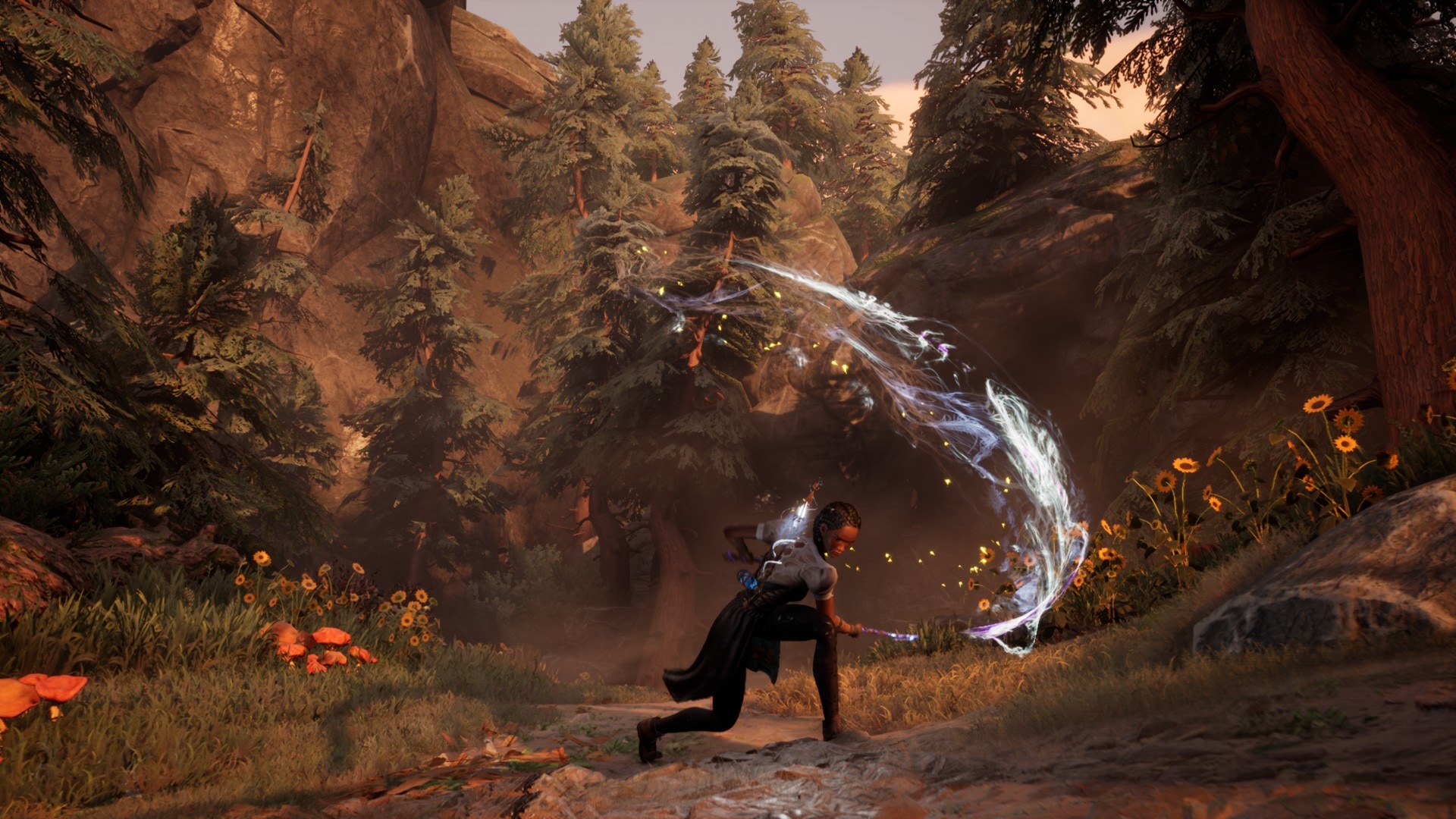
Platforming is light and mostly linear, occasionally using wall runs and gliding mechanics. These sections are visually impressive but lack the precision or challenge found in more mechanically-driven titles. Players expecting deep action mechanics may find the game’s systems serviceable but unsatisfying.
Exploration and Structure
South of Midnight follows a semi-linear structure, with guided exploration broken up by collectibles and lore items. While there’s incentive to veer off the main path—such as finding “floofs” used for upgrades or unlocking cosmetic items—the level design doesn’t offer much freedom or verticality.
That said, exploration is still rewarding thanks to excellent world-building and hidden narrative beats. A “guiding wind” mechanic helps players stay on track, and glowing cues subtly steer them toward interactable objects. It’s a sensible design choice for a game focused on storytelling, but it may feel overly guided to those looking for more emergent gameplay.
Audio and Music
Olivier Deriviere’s soundtrack is a standout, weaving together jazz, blues, and Southern spirituals into a deeply atmospheric score. Each major folktale character or boss is introduced with a unique musical cue or theme, enhancing the emotional stakes and narrative tension.
Voice work is equally strong across the board, lending authenticity and depth to even minor characters. One minor criticism is that the music can feel subdued in regular gameplay and only truly shines during climactic moments—particularly in the game’s haunting jazz-infused finale.
Performance and Technical Notes
On PC, South of Midnight runs reliably with modest system requirements. The game supports ultrawide resolutions and includes basic graphics settings, though it lacks robust customization options. Load times are brief, and no major bugs were encountered during this review. Some players have noted minor stuttering during cutscene transitions, but nothing game-breaking.
Final Verdict: 8/10
South of Midnight is a game driven by vision and heart. It offers a refreshingly different kind of action-adventure—one that’s more interested in the scars of a family legacy and the ghosts of a culture than in loot systems or open-world checklists. While its combat and exploration mechanics are ultimately underwhelming, the game’s arresting visuals, rich cultural tapestry, and emotional storytelling make it a worthwhile experience for players looking for something off the beaten path.