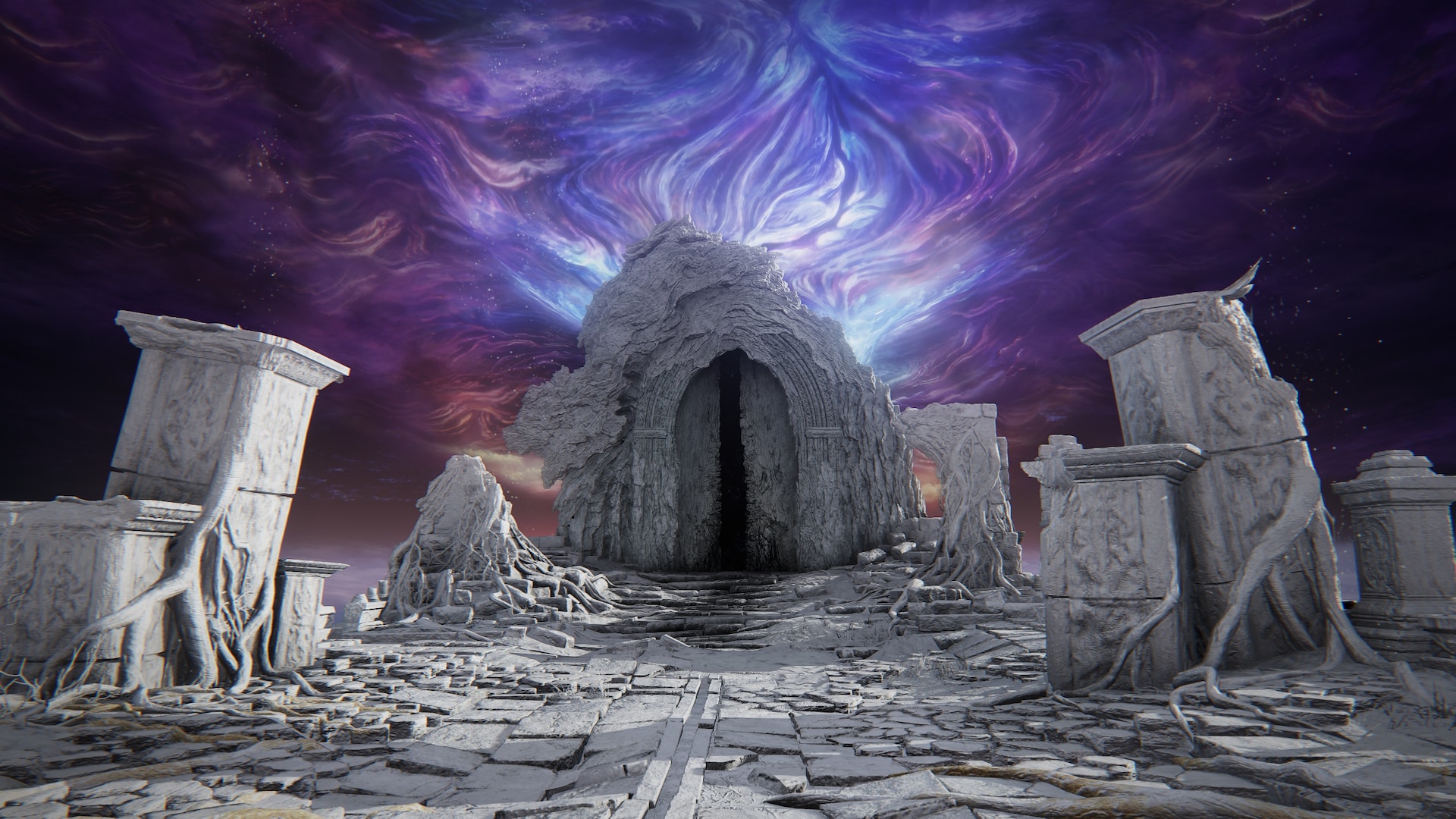
Elden Ring Nightreign is both a surprising and ambitious evolution of the Elden Ring formula. Rather than expand directly on the open-world epic that captured players in 2022, Nightreign ventures into uncharted territory with a roguelike, co-op experience that challenges player expectations. Directed by Junya Ishizaki—who previously contributed to Bloodborne and Dark Souls—the game reimagines Limgrave (now “Limveld”) as a fast-paced, high-stakes arena of survival and teamwork.
Where Elden Ring emphasized exploration and personal journey, Nightreign leans into urgency, synergy, and repeatable challenges. The result is a daring experiment that won’t appeal to everyone—but for the right audience, it offers something genuinely fresh and exciting.
Gameplay Structure: The Clock is Ticking
At its core, Nightreign is a three-day cycle roguelike. Each run consists of a trio of in-game days, each culminating in a boss encounter that tests both strategy and coordination. The world of Limveld is procedurally generated, filled with randomized dungeons, elite enemies, and environmental hazards.
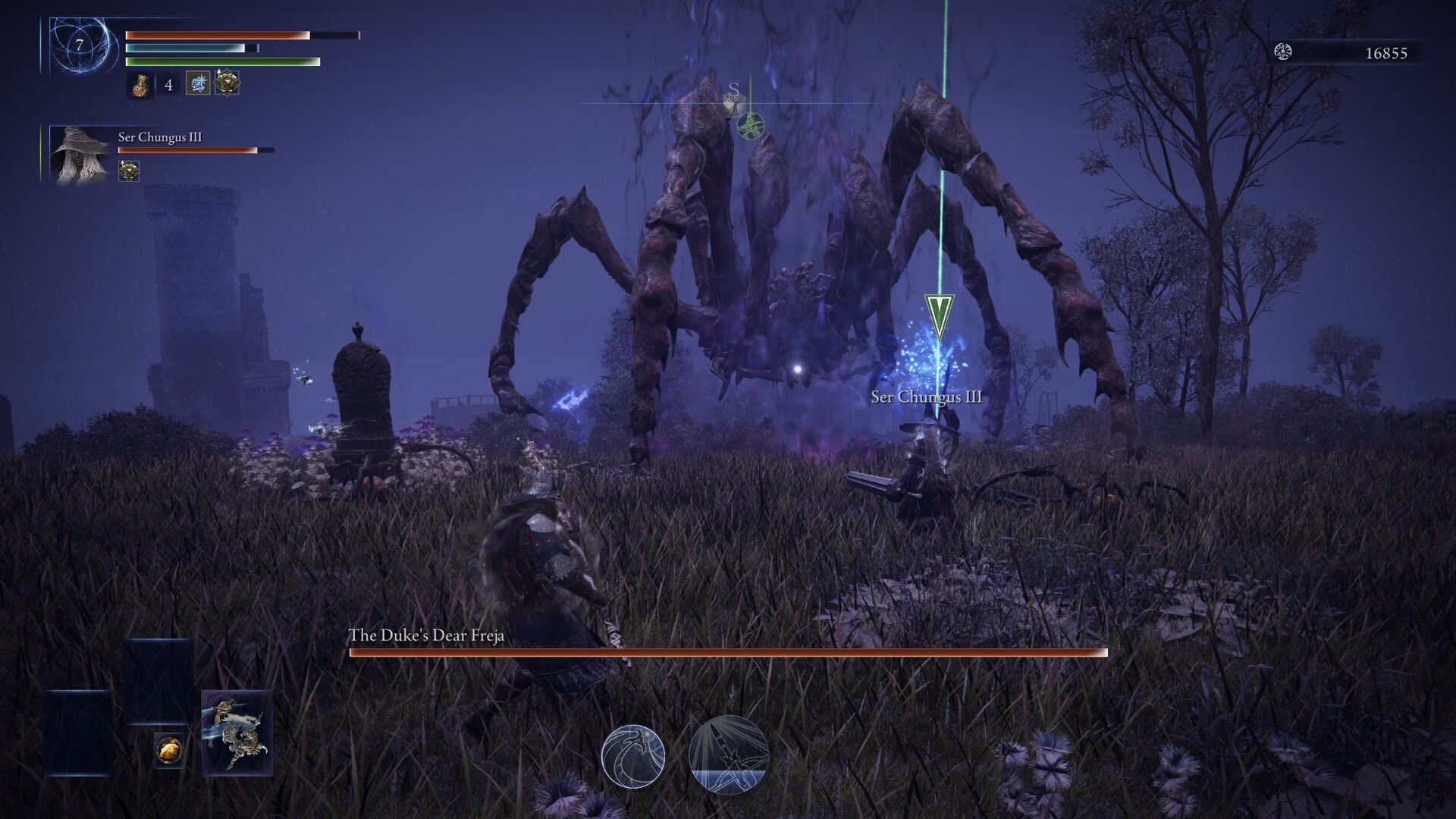
As the days pass, the playable area shrinks—similar to battle royale mechanics—forcing players into closer proximity with enemies and objectives. This escalating tension creates a compelling rhythm of exploration, combat, and preparation, but leaves little room for the kind of slow-burn discovery that characterized Elden Ring’s Lands Between.
One of the more accessible design changes is the streamlined progression system. Traditional stat allocation is gone; instead, each of the eight classes (called “Nightfarers”) comes with preset attributes and abilities, allowing players to focus on tactical decision-making rather than character-building minutiae.
Combat & Classes: Designed for Synergy
Combat remains visceral and weighty, in true FromSoftware fashion, but Nightreign pivots toward team-based engagements. Each Nightfarer class brings a distinctive toolkit designed to support varied playstyles:
* The Recluse functions as a high-risk mage who absorbs elemental energy from the environment to fuel spellcasting. Timing and positioning are crucial.
* The Duchess plays more like a support rogue, providing stealth, crowd control, and even short bursts of time-slowing effects for the team.
* Other classes offer tanking, healing, or ranged damage capabilities, making team composition and synergy essential for success.
The action is more dynamic than tactical; there’s little room for careful enemy observation when a fiery storm is closing in on your position. Yet, it never feels mindless. Boss fights—especially at the end of each in-game day—are multi-phase spectacles requiring coordination, awareness, and clever use of class abilities.

Exploration and Progression: High Stakes, Short Timeframes
Exploration is tighter and more goal-oriented than in previous FromSoftware titles. Players scavenge for resources, fight mini-bosses, and unlock hidden relics that grant temporary boosts. Weapons and talismans are run-specific, with only limited persistent progression between runs—an homage to the roguelike roots.
New traversal mechanics add verticality and speed, such as double jumps and even spectral hawks that let players temporarily fly across ravines or enemy camps. It’s a smart inclusion that adds both mobility and flair, encouraging players to think three-dimensionally in combat and exploration alike.
Multiplayer Emphasis: Built for Teams, Played by Many
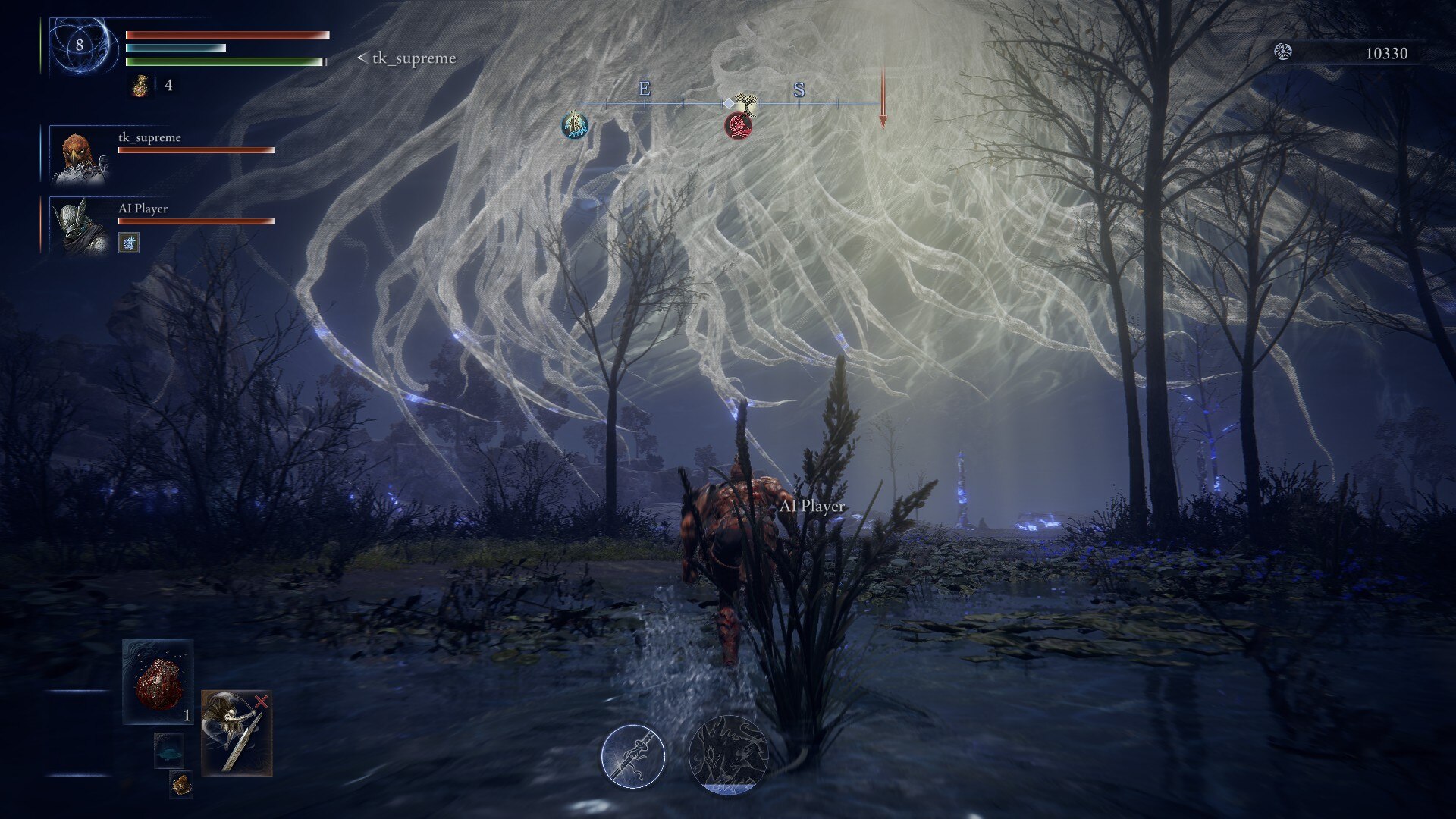
Nightreign’s multiplayer design supports three-player squads, placing a premium on cooperation. Without built-in voice chat, the ping system becomes the main method of communication—functional, but limited. For friends using external chat tools, the experience can be exceptional. For solo players or those relying on matchmaking, it can be hit-or-miss.
The game’s difficulty isn’t derived from punishing AI or labyrinthine environments but rather from the constant pressure of time, resource scarcity, and unpredictable teammate behavior. It’s a different kind of challenge than Elden Ring fans are used to, but one that brings its own brand of excitement.
Visuals and Atmosphere: Familiar, Yet Reforged
Visually, Nightreign captures the haunting, moody aesthetic that FromSoftware is known for. The redesigned Limveld is darker and more fragmented than Limgrave, with surreal weather effects and twisted architecture. Environmental storytelling persists, but it plays second fiddle to the action. Music and sound design are top-notch, accentuating the game’s constant sense of impending threat.
Criticisms and Reception: Innovation at a Cost
Reception to Nightreign has been mixed—perhaps predictably so. Longtime fans of FromSoftware’s traditional RPG storytelling may feel alienated by the game’s brevity and lack of lore-driven immersion. Others praise its innovation, calling it a bold step toward reinventing the studio’s approach to multiplayer and pacing.
Technical performance, especially on PC, has raised some eyebrows, with reports of occasional instability and performance dips. These are expected to be addressed in upcoming patches, but they do mar the experience for some early adopters.
Final Verdict: 7/10
Elden Ring Nightreign is not a sequel—it’s a reinvention. By merging Soulslike combat with roguelike pacing and cooperative gameplay, FromSoftware has delivered something that feels both familiar and radically new. Whether that’s a welcome shift depends on your expectations.
For fans open to experimentation, Nightreign offers a thrilling, high-stakes journey through a twisted new world. For purists, it may feel like a sidestep away from the depth and solitude that defined Elden Ring. Regardless, it proves that FromSoftware is not afraid to take risks—and that’s something worth applauding.
A bold and sometimes divisive reimagining of the Elden Ring universe, Nightreign rewards teamwork, quick thinking, and a willingness to embrace chaos.